
Table of Contents
– [Political Drama Unfolds in Kogi](#political-drama-unfolds-in-kogi)
– [Understanding Anti-Party Activities](#understanding-anti-party-activities)
– [The Power of Ward Politics](#the-power-of-ward-politics)
– [Jibrin Isah’s Political Journey](#jibrin-isahs-political-journey)
– [Implications for APC in Kogi](#implications-for-apc-in-kogi)
– [What Comes Next](#what-comes-next)
Political Drama Unfolds in Kogi

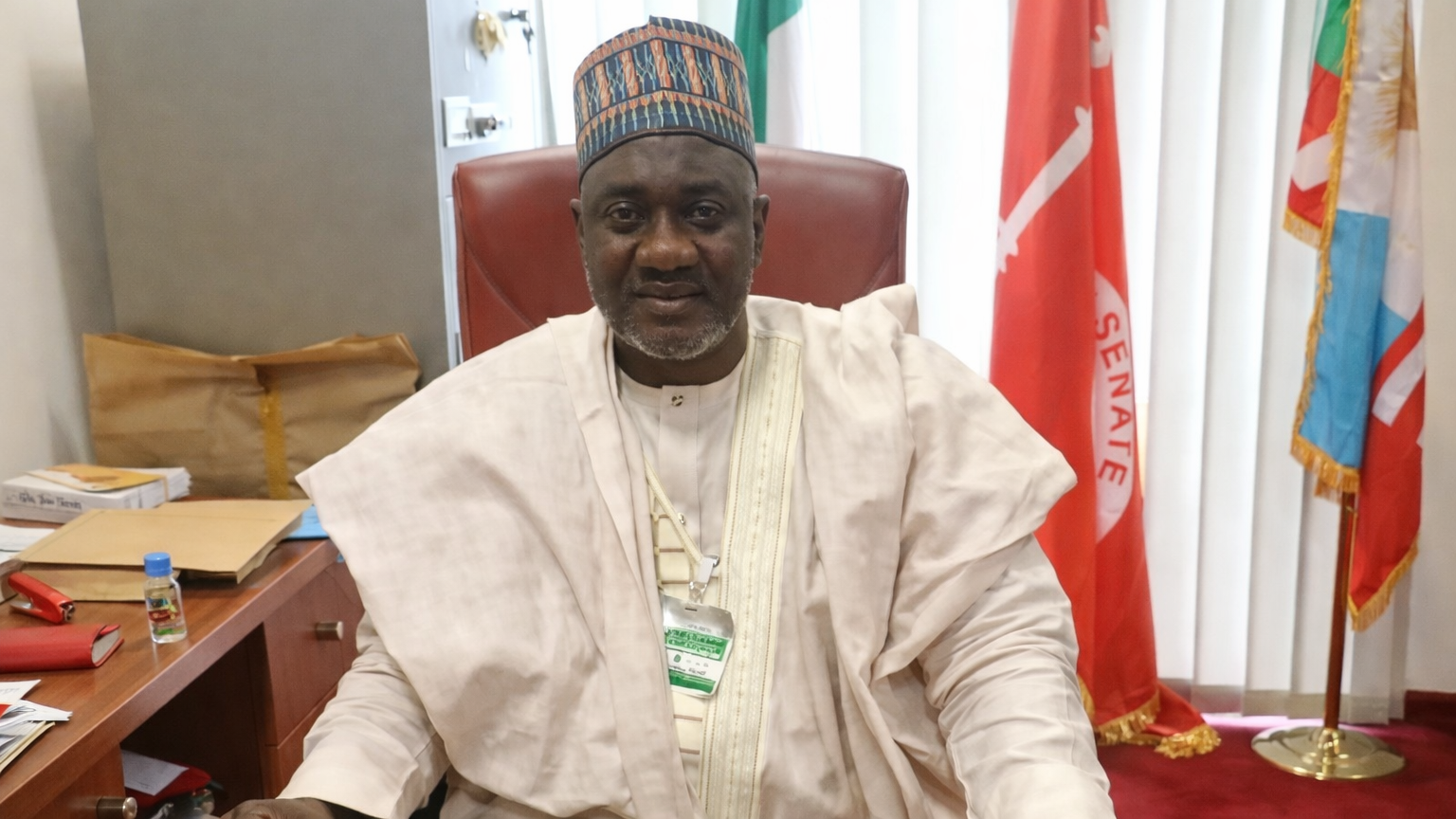
Nigerian politics has always been a theater of high drama, but the latest episode from Kogi State reads like a script straight out of a political thriller. Senator Jibrin Isah, who represents the Kogi East senatorial district under the All Progressives Congress (APC) banner, has found himself at the center of a storm that highlights the complex web of Nigerian party politics. The suspension handed down by executives of Odu Ward 2 of the APC has sent ripples through the political establishment in Kogi State, demonstrating how grassroots political structures can challenge even the most established figures. This development showcases the intricate power dynamics that exist within Nigeria’s political parties, where local ward executives wield significant influence over the careers of prominent politicians.
Understanding Anti-Party Activities

The term “anti-party activities” has become a familiar phrase in Nigerian political discourse, often serving as a catch-all accusation for behavior deemed detrimental to party unity and objectives. In the context of the APC and Senator Isah’s situation, these allegations typically encompass actions such as supporting opposition candidates, making statements that undermine party leadership, or failing to align with official party positions on critical issues. The broad nature of this accusation makes it a powerful tool for party discipline, but it also raises questions about internal democracy and the space for dissenting voices within political organizations. For a sitting senator like Jibrin Isah, such charges carry significant weight, as they can affect not only his standing within the party but also his ability to effectively represent his constituents and advance his political agenda.

The Power of Ward Politics
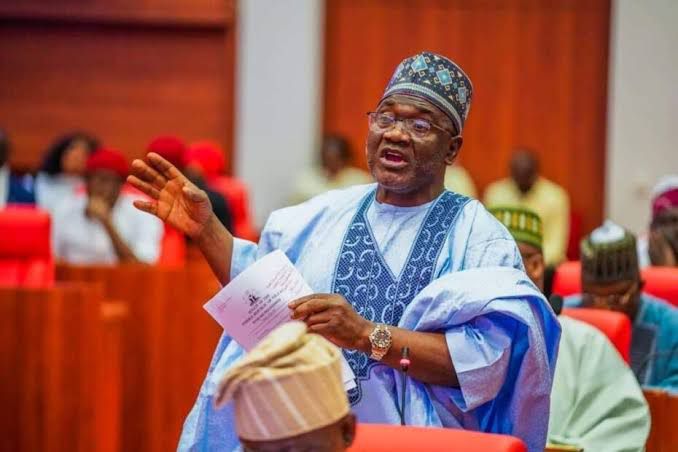
Ward-level politics in Nigeria represents the foundation of the country’s democratic structure, yet it often operates with a level of autonomy that can surprise even seasoned political observers. The decision by Odu Ward 2 executives to suspend a sitting senator demonstrates the bottom-up power structure that exists within Nigerian political parties. These ward executives, often composed of local community leaders and long-time party faithful, maintain significant influence over party activities in their immediate constituencies. Their ability to take disciplinary action against high-ranking party members like senators reflects a system where grassroots political engagement remains crucial for political survival. This incident also highlights how local grievances and political disagreements can escalate to affect national-level politicians, showing that in Nigerian politics, neglecting one’s base constituency can have serious consequences.