

Table of Contents
- The Devastating Discovery That Changed Everything
- Confronting the Ultimate Betrayal
- From Personal Pain to Professional Strength
- Lessons in Trust and Moving Forward
- The Power of Authentic Friendships
The Devastating Discovery That Changed Everything
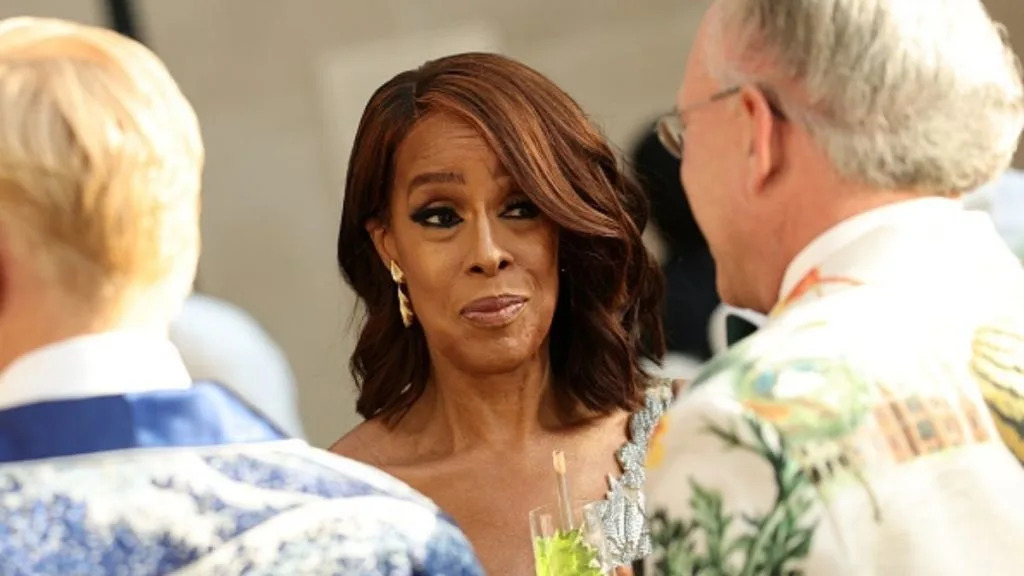
Even the most composed and professional media personalities have moments that shake them to their core, and for CBS This Morning anchor Gayle King, that moment came when she discovered her then-husband in the most compromising situation imaginable. The veteran journalist, known for her unflappable demeanor and incisive interviewing style, recently opened up about the shocking moment she caught her former spouse cheating with someone she considered a close friend. The revelation offers a rare glimpse into the personal struggles of one of television’s most trusted voices, reminding us that betrayal cuts deep regardless of fame or success. King’s willingness to share such an intimate and painful experience demonstrates the vulnerability that exists behind even the most polished public personas.
The discovery wasn’t just about infidelity - it was about a double betrayal that struck at the heart of King’s most important relationships. Finding out that a spouse has been unfaithful is devastating enough, but discovering that the other party is someone you’ve trusted, confided in, and considered part of your inner circle adds layers of hurt that are almost impossible to process. For King, who has built her career on authenticity and genuine connections with people, this moment represented a fundamental shift in how she viewed trust and loyalty. The shock of seeing two people she cared about together in such circumstances would have been enough to break many people, but King’s response reveals the strength of character that has made her one of media’s most respected figures.
Confronting the Ultimate Betrayal
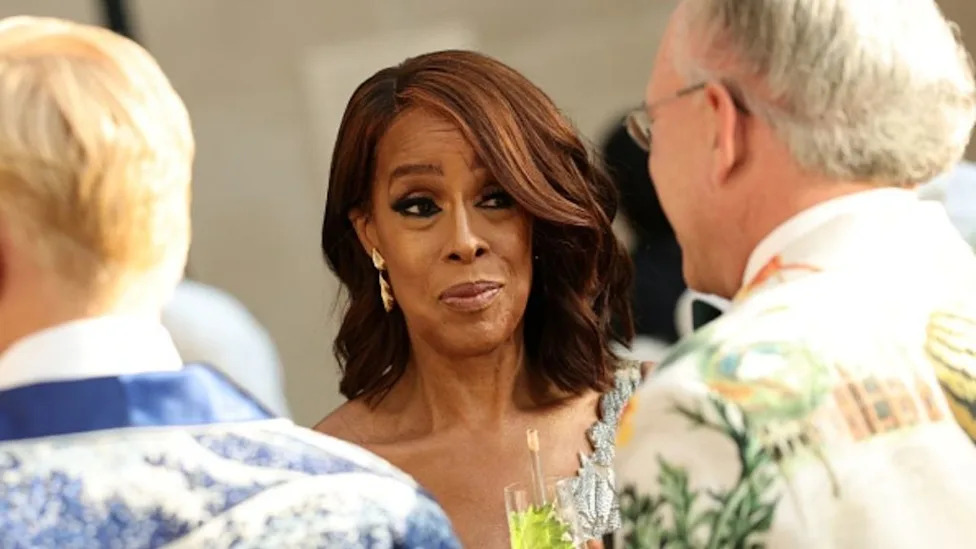
The moment of confrontation speaks volumes about King’s character and her instinctive response to crisis. Rather than fleeing or creating a dramatic scene, she found the courage to address the situation directly, speaking to the friend who had violated her trust so completely. Her words, “I can’t believe that you are here and that you are doing this,” capture the raw disbelief and pain of someone grappling with a reality that seemed impossible to accept. The simplicity of her statement belies the complexity of emotions she must have been experiencing - anger, hurt, confusion, and the terrible clarity that comes with seeing a painful truth laid bare. This confrontation required immense emotional strength and speaks to King’s ability to face difficult situations head-on, a quality that has served her well throughout her journalism career.
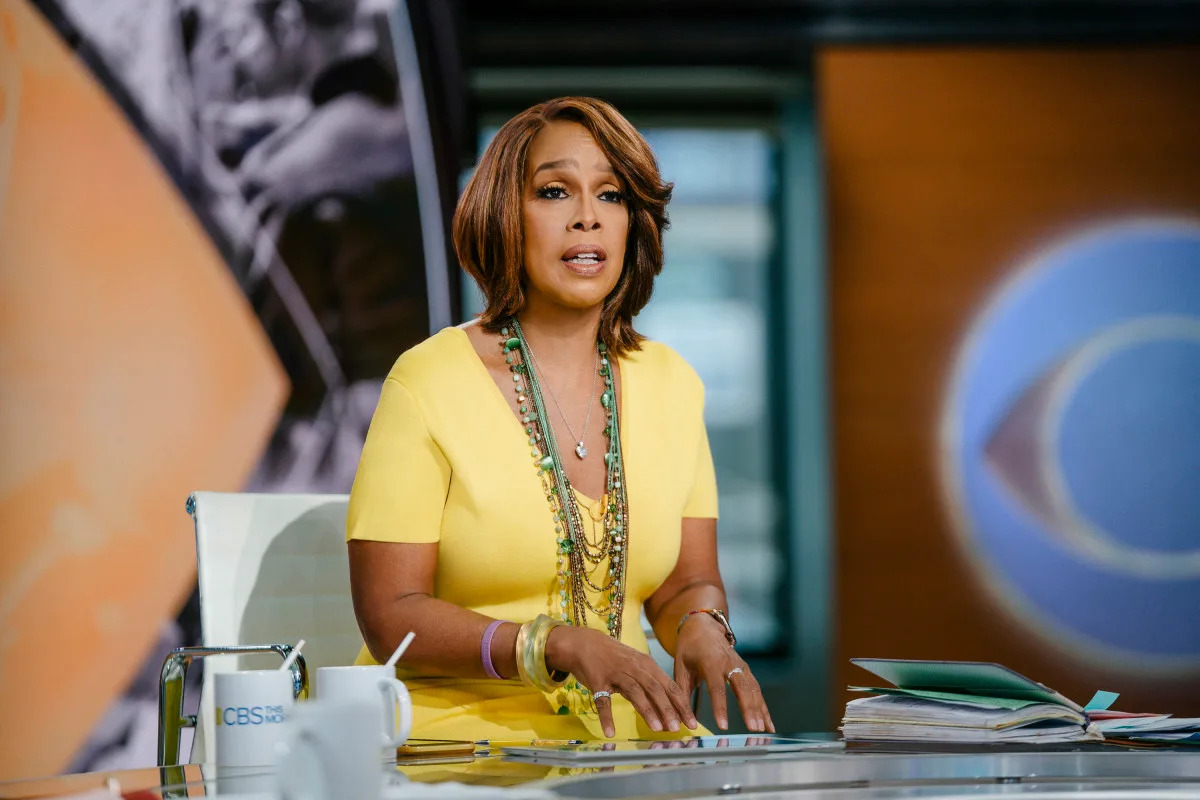
The fact that King chose to address her friend rather than immediately confronting her husband reveals interesting insights into her psychological processing of the betrayal. Perhaps the friend’s presence was more shocking because it represented the unexpected element in an already devastating situation. While marital problems might have warning signs or underlying issues, the participation of a trusted friend would have come as a complete surprise, making it the most urgent aspect to address in that moment. King’s response also demonstrates her natural inclination toward seeking understanding and truth - qualities that make her such an effective interviewer but must have made this personal betrayal even more difficult to comprehend.
From Personal Pain to Professional Strength

What makes King’s story particularly compelling is how she transformed this devastating personal experience into professional wisdom and authenticity. Throughout her career at CBS News, as co-anchor of CBS This Morning and as a correspondent for “60 Minutes,” King has been praised for her ability to connect with interview subjects on a deeply human level. Her approach to high-profile interviews, whether with celebrities facing scandals or politicians navigating crises, often reflects someone who understands pain and betrayal firsthand. This personal experience of profound disappointment and hurt likely contributes to her ability to ask tough questions while maintaining empathy and understanding for human frailty.