Table of Contents
- Kelly Dodd Speaks Out Against Industry Treatment
- The RHOC Departure and Mounting Controversies
- The Broader Cancel Culture Debate in Entertainment
- Hollywood’s Political Climate and Career Consequences
- Industry Response and What’s Next
Kelly Dodd Speaks Out Against Industry Treatment
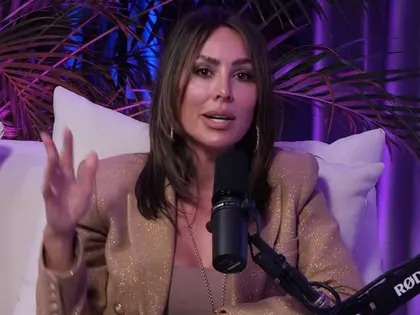
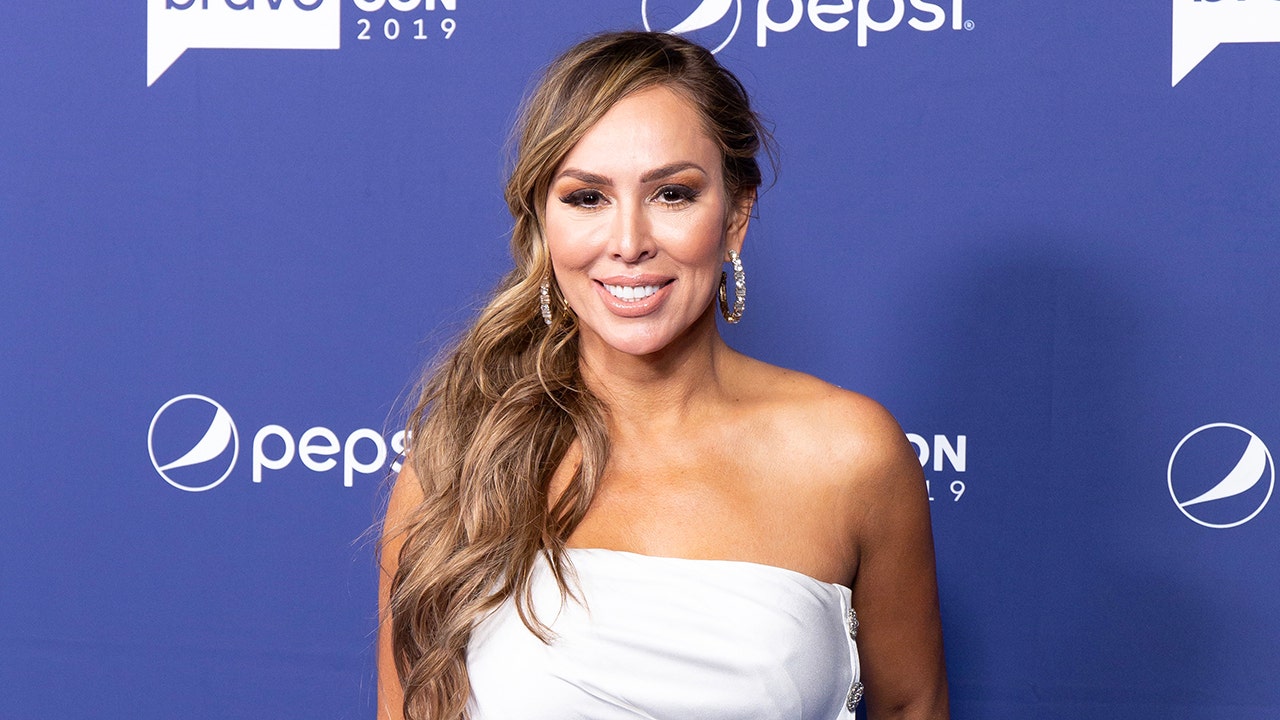
Former Real Housewives of Orange County star Kelly Dodd is making headlines once again, but this time she’s taking aim at what she perceives as systematic discrimination within Hollywood’s entertainment machine. The outspoken reality television personality has recently voiced her frustrations about being treated like “an outcast” in the industry, claiming that her political views have made her a target for career-damaging cancel culture tactics. Dodd’s candid remarks highlight a growing tension between personal expression and professional consequences that many public figures are grappling with in today’s polarized climate. Her situation underscores the complex relationship between celebrity, politics, and public perception in an era where social media amplifies every statement and controversy.
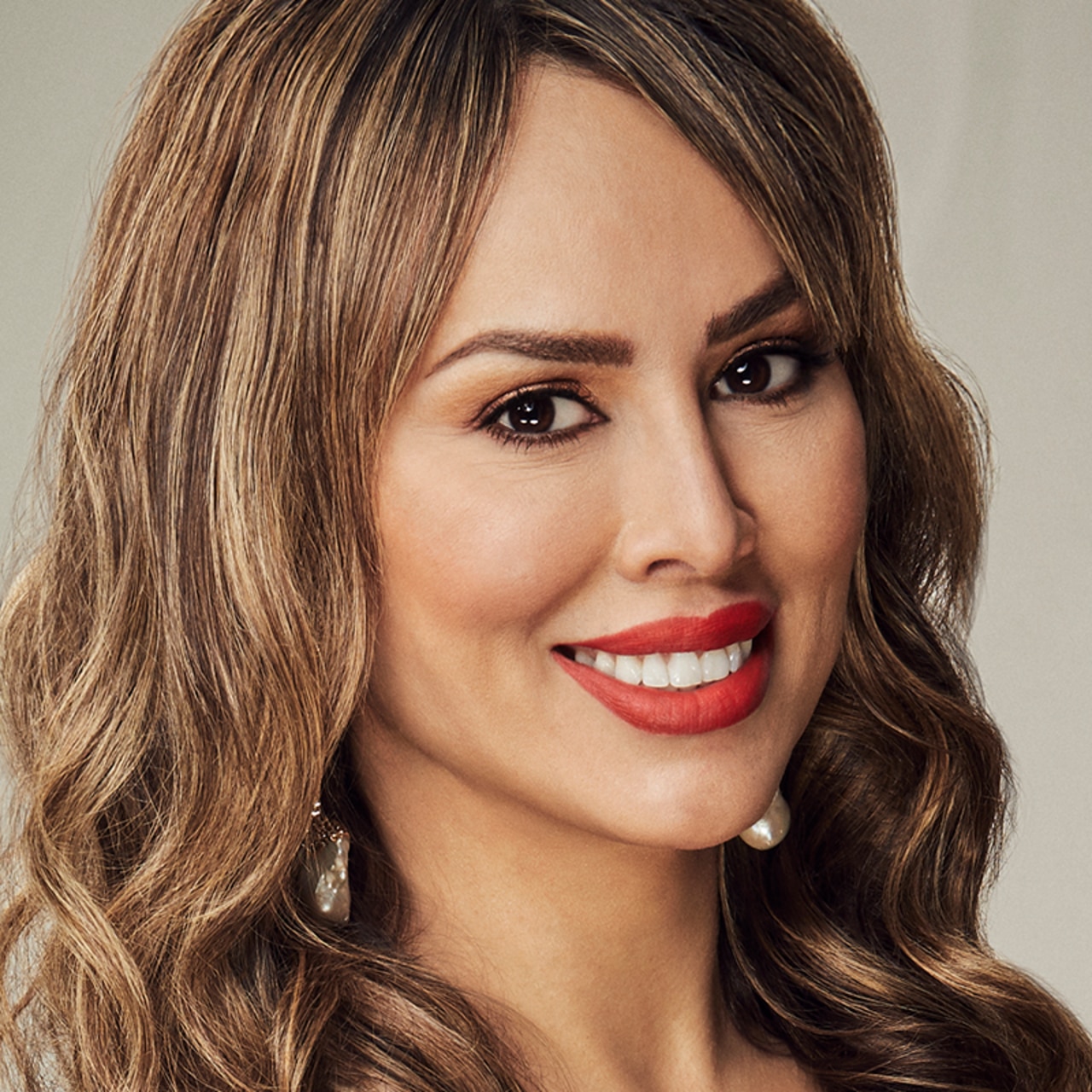
The former Bravo star has been particularly vocal about what she describes as “political discrimination,” suggesting that her conservative viewpoints have led to her being systematically excluded from opportunities within the entertainment industry. This isn’t the first time Dodd has found herself at the center of controversy, but her current stance represents a more defiant approach to addressing the backlash she’s faced. Rather than stepping back from the spotlight or moderating her public statements, she’s chosen to double down on her position and frame the situation as a broader issue of ideological persecution. Her claims raise important questions about tolerance for diverse political perspectives within Hollywood’s traditionally liberal-leaning ecosystem.
The RHOC Departure and Mounting Controversies

Kelly Dodd’s departure from The Real Housewives of Orange County in 2021 marked the end of a tumultuous run that was characterized by increasingly controversial statements and public feuds. Her time on the show was marked by several incidents that sparked significant backlash, including comments about the COVID-19 pandemic that many viewers and fellow cast members found insensitive and irresponsible. The reality star’s tendency to speak without apparent filters often created dramatic television moments, but it also generated genuine concern about the impact of her platform on public health messaging. Her exit from the franchise wasn’t entirely surprising to those who had been following the mounting criticism and advertiser concerns surrounding her controversial statements.
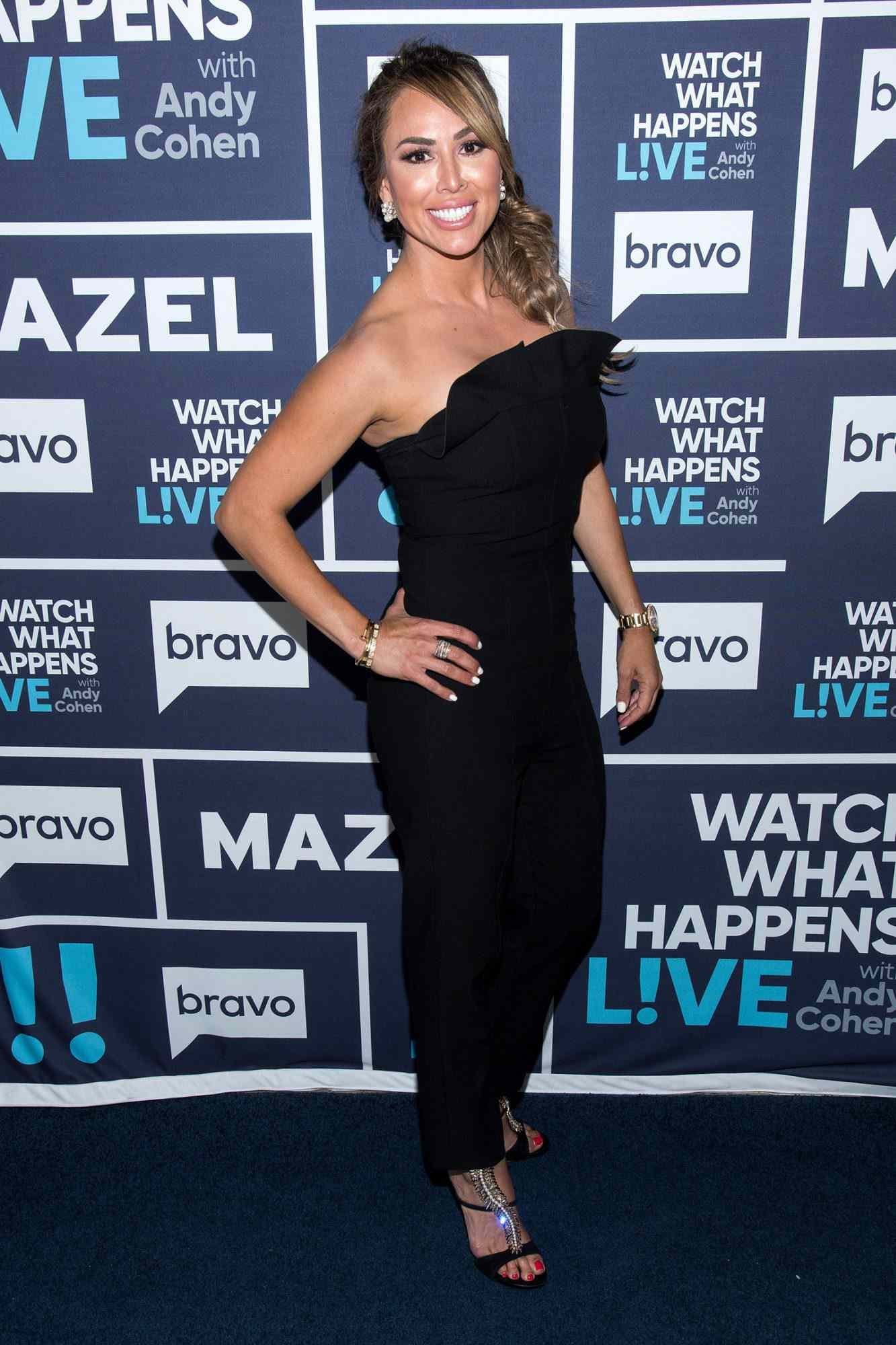
The circumstances surrounding her departure have become a focal point in Dodd’s current narrative about being unfairly targeted by cancel culture. While Bravo never officially stated that her political views or controversial comments were the direct reason for her exit, the timing and context certainly suggest that public pressure played a significant role in the network’s decision-making process. Dodd’s supporters argue that she was unfairly singled out for expressing opinions that, while unpopular, represented the views of a significant portion of the American public. Critics, however, contend that there’s a difference between holding personal political beliefs and using a public platform to spread potentially harmful misinformation during a global health crisis.
The Broader Cancel Culture Debate in Entertainment

Dodd’s situation has reignited discussions about the boundaries of cancel culture and its impact on careers in the entertainment industry. The debate over cancel culture has become increasingly complex, with valid arguments on multiple sides about accountability, redemption, and the proportionality of consequences for public statements. Some argue that holding public figures accountable for their words and actions is simply a natural evolution of how society processes harmful rhetoric, while others contend that the current climate has created an environment where any deviation from mainstream liberal viewpoints can result in career destruction. Dodd’s case represents a particularly interesting example because it involves both political speech and statements about public health that had potential real-world consequences.