
Table of Contents
- Opening Up About Personal Struggles
- The Three Ms Philosophy
- Breaking the Stigma Around Mental Health
- Career Impact and Advocacy Work
- The Broader Conversation in Hollywood
Opening Up About Personal Struggles
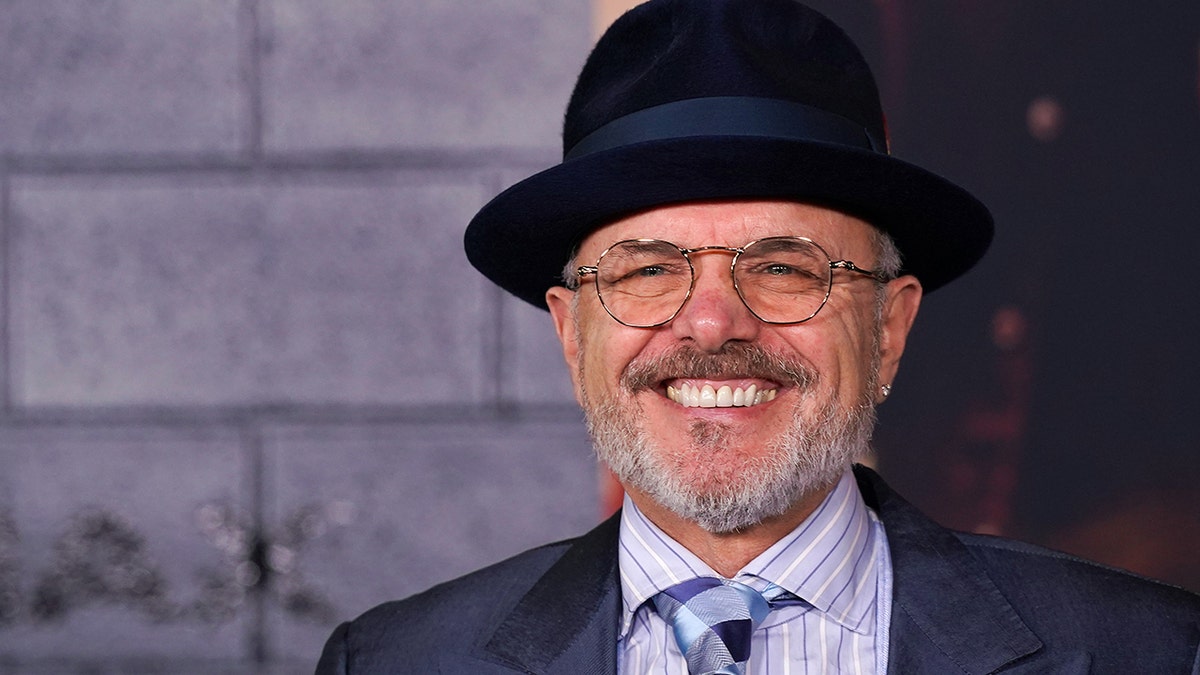
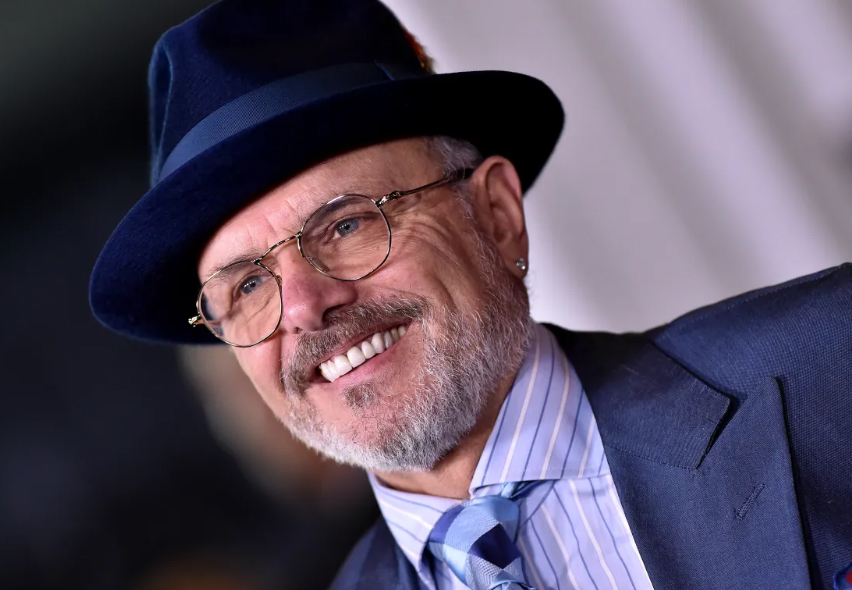
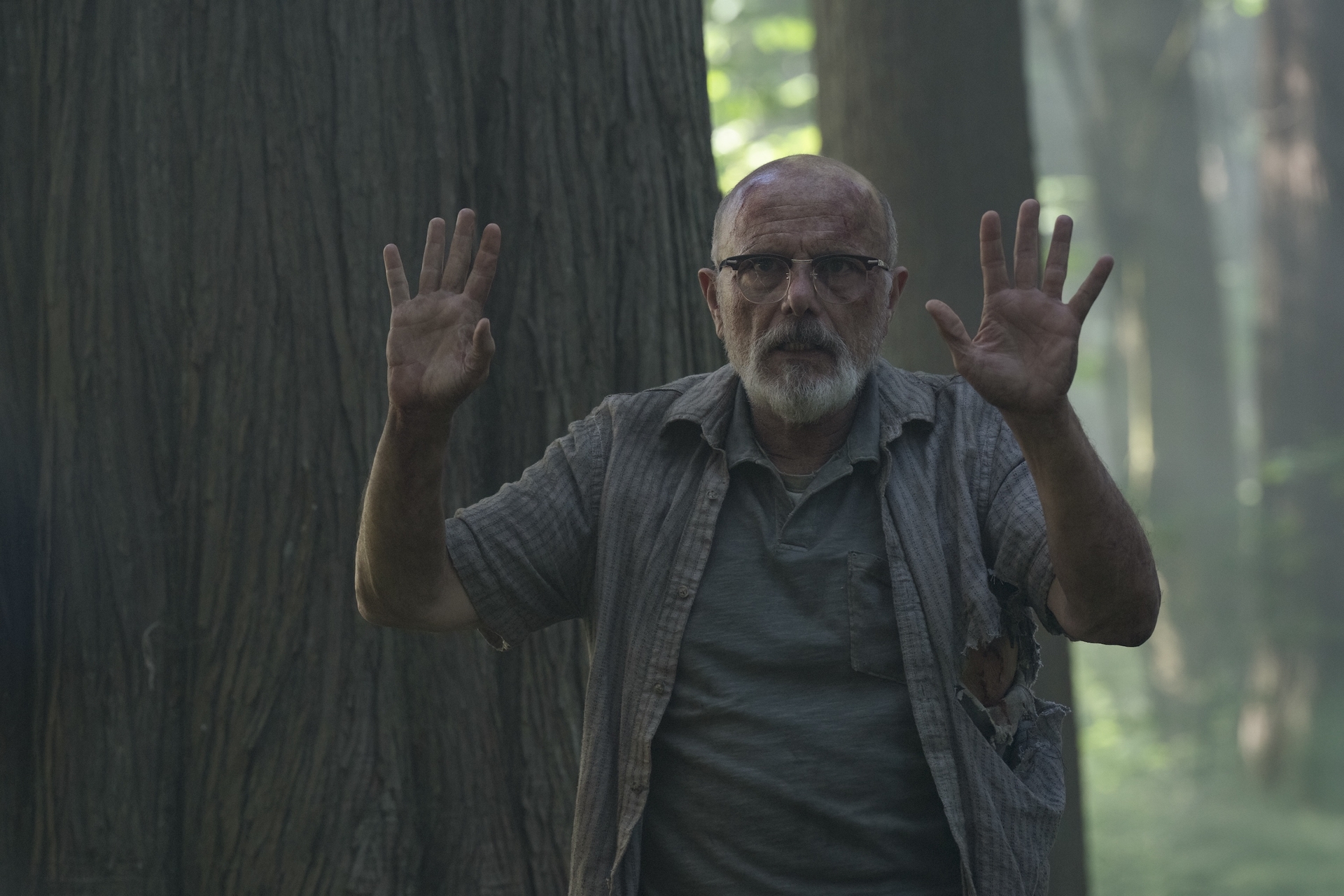
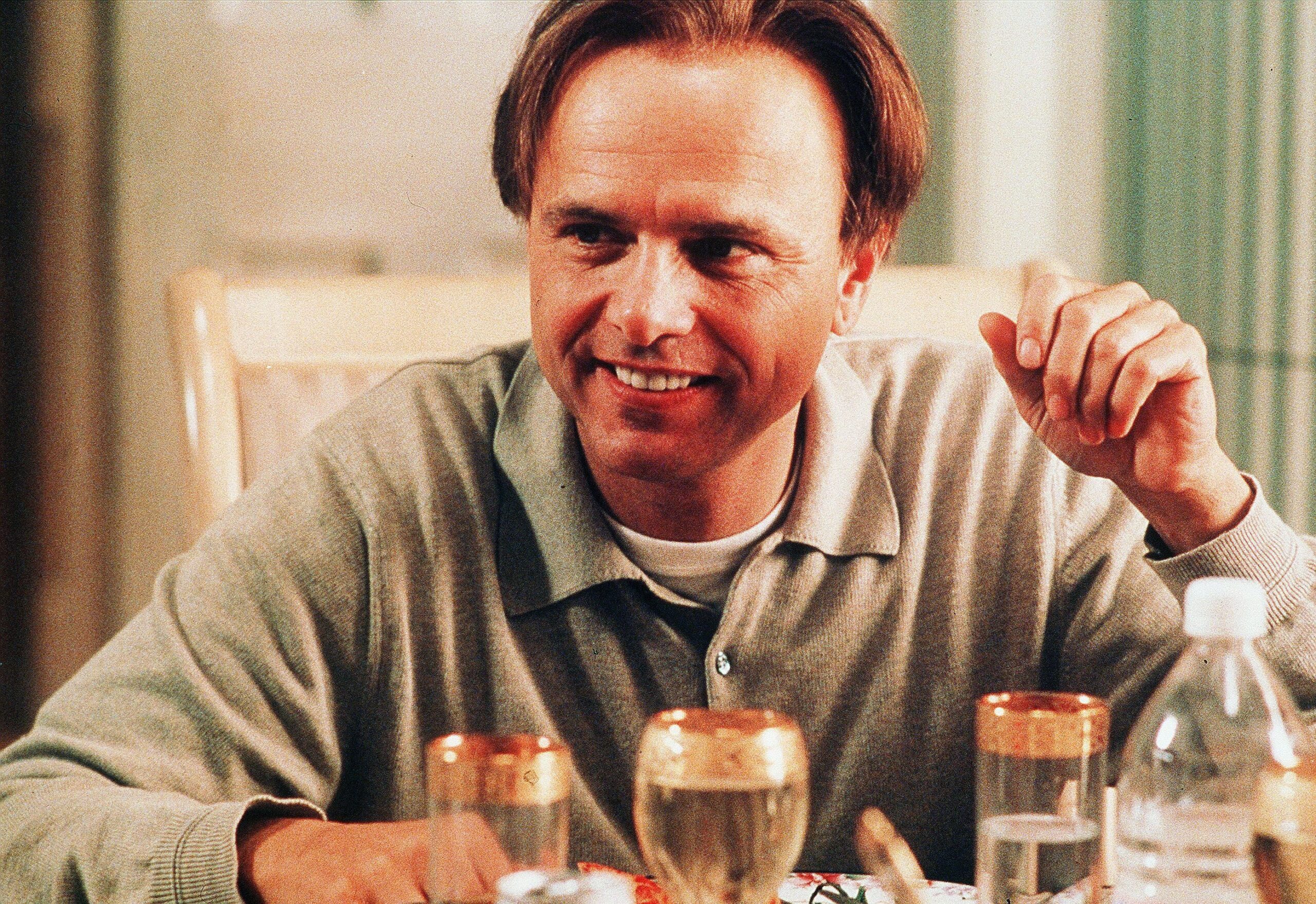
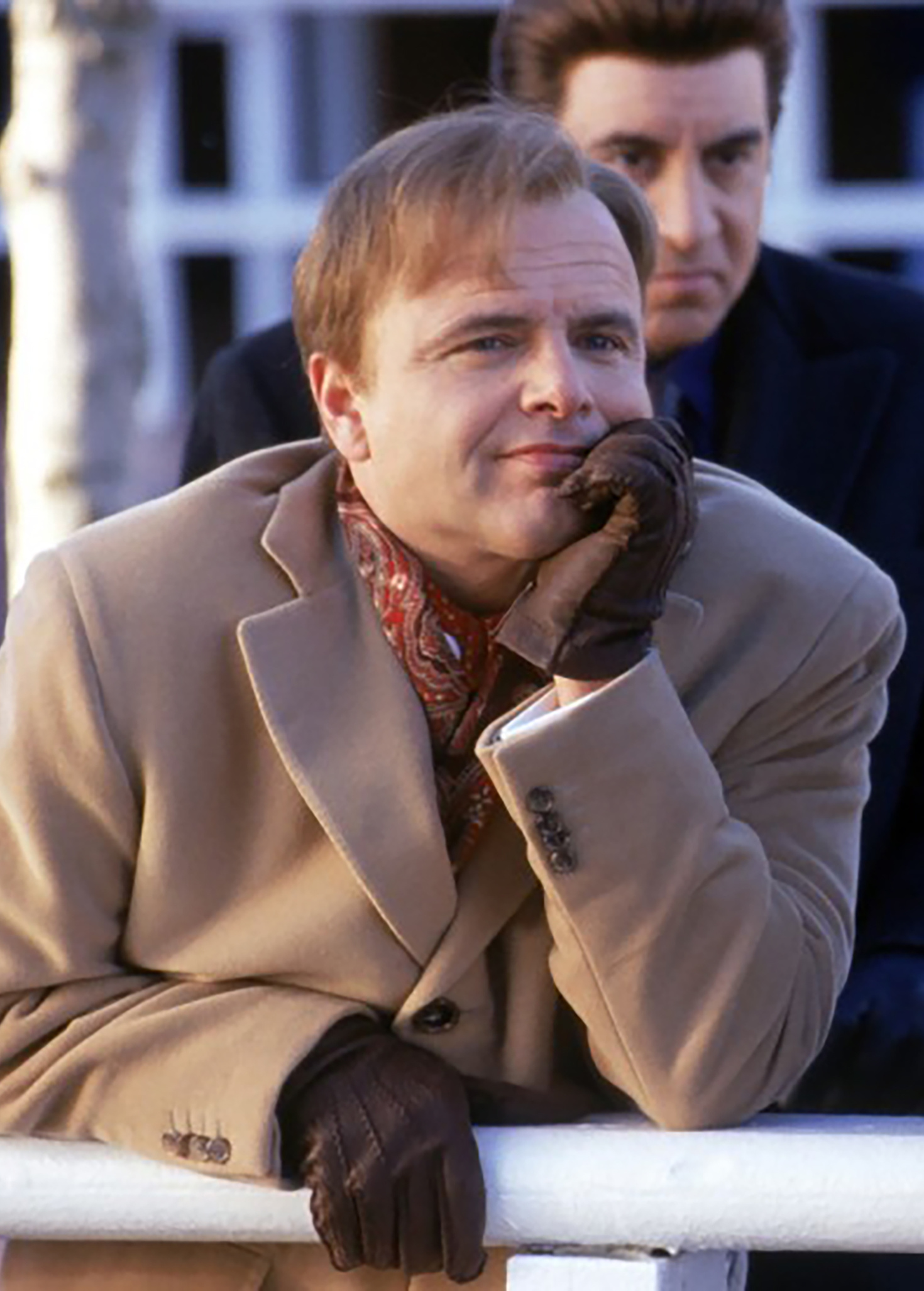
Joe Pantoliano, beloved for his memorable roles in The Sopranos and The Matrix, has never been one to shy away from difficult conversations. The veteran actor, who brought Ralph Cifaretto to life on HBO’s groundbreaking series, recently opened up about his personal battle with mental health and addiction in a refreshingly candid manner. His willingness to discuss these deeply personal topics reflects a growing trend among celebrities who are using their platforms to destigmatize mental health struggles. Pantoliano’s journey through addiction and recovery has led him to develop what he calls “the three Ms” - a personal philosophy that has become central to his wellness routine and mental health maintenance.
The 72-year-old actor’s openness about his struggles comes at a time when mental health awareness is reaching new heights in the entertainment industry. His approach to sharing his story isn’t just about personal catharsis; it’s about creating space for others who might be fighting similar battles. Pantoliano has consistently emphasized that his journey wasn’t a straight path, and his willingness to discuss the complexities of addiction and recovery provides a realistic perspective that many find relatable and encouraging.
The Three Ms Philosophy
Pantoliano’s “three Ms” approach to mental health - masturbation, medication, and meditation - represents an unusually frank discussion of wellness practices that many people engage in but rarely discuss openly. His inclusion of masturbation as a legitimate component of mental health care challenges traditional taboos while highlighting the importance of sexual wellness as part of overall well-being. This unconventional honesty has sparked conversations about the role of physical release and self-care in managing stress, anxiety, and depression. The actor’s willingness to include this often-stigmatized topic in his mental health toolkit demonstrates his commitment to having authentic conversations about wellness.

The second component, medication, reflects Pantoliano’s pragmatic approach to mental health treatment. He has been vocal about the importance of working with healthcare professionals and not viewing medication as a sign of weakness or failure. His advocacy for proper medical treatment comes from personal experience with the challenges of managing mental health conditions. The third element, meditation, rounds out his approach with a practice that has gained widespread acceptance in recent years. Together, these three elements create what Pantoliano describes as a comprehensive approach to maintaining his mental equilibrium and supporting his recovery journey.
Breaking the Stigma Around Mental Health
The actor’s candid approach to discussing mental health represents a significant shift in how celebrities engage with these topics. Rather than offering sanitized versions of struggle and recovery, Pantoliano presents a raw, unfiltered perspective that acknowledges the ongoing nature of mental health maintenance. His willingness to discuss taboo subjects like masturbation alongside more accepted practices like meditation creates a more complete picture of what wellness might look like for different individuals. This comprehensive honesty helps normalize conversations about the full spectrum of self-care practices, potentially encouraging others to explore what works best for their own mental health needs.