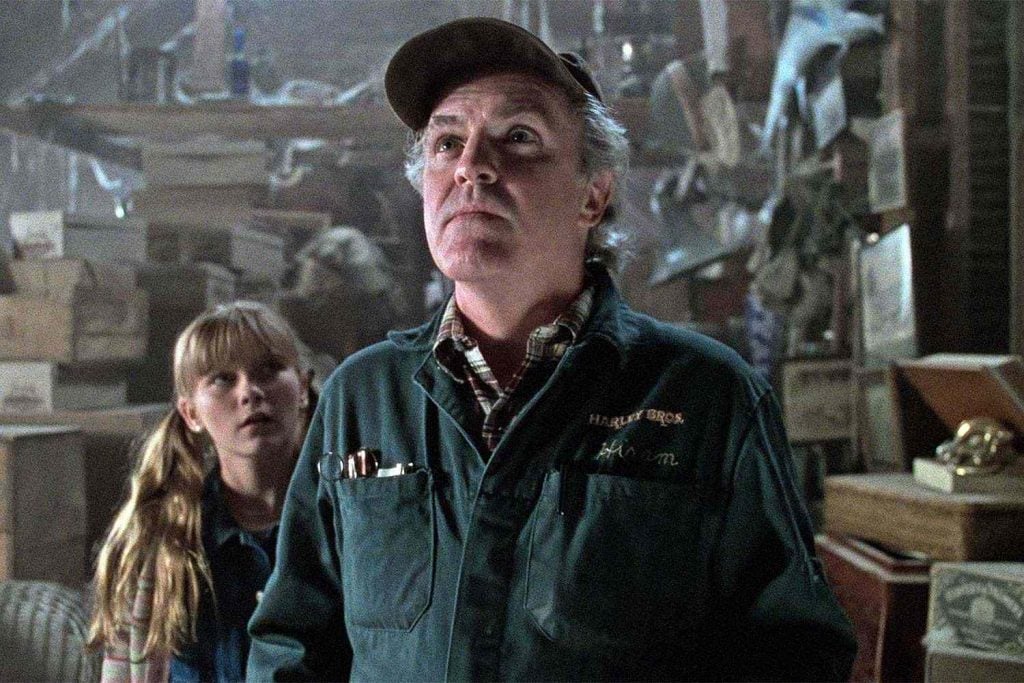

There is a particular kind of grief that follows the death of a character actor. It does not arrive with the thunderclap of a movie star’s passing. It comes slower, in waves of recognition, as millions of people see the name in a headline, pull up a photograph, and feel a jolt: that guy. The bartender from Top Gun: Maverick. The exterminator from Jumanji. The town fixture in Arachnophobia. The gruff lieutenant from K-9. James Handy was that guy for nearly half a century, and on June 3, 2026, his story ended in a way nobody could have written.
Handy, 81, was fatally stabbed at a residence in the Tarzana neighborhood of Los Angeles. According to a statement from the Los Angeles Police Department quoted by Variety, West Valley patrol officers responded to a 911 call around 9:30 a.m. on Wednesday, June 3, and found Handy in the front yard of the home, unconscious and suffering from a stab wound to the chest. He was rushed to a local hospital by Los Angeles Fire Department paramedics, where he was pronounced dead. Police arrested 44-year-old Michael Gledhill, the son of Handy’s girlfriend, who lived at the residence with his mother. Gledhill was booked at Van Nuys Jail on one count of murder, with bail set at 2 million dollars. NBC News reported that the 911 caller told dispatchers, “I am the son of man, I just killed the man of sin.” Detectives described the killing as an isolated incident.
The shocking circumstances explain why “James Handy” surged past 200,000 searches in the United States within a day. But the search spike tells a second story too. People were not just reading a crime report. They were trying to put a name to a face they had known their whole lives. This is the strange afterlife of the working character actor: anonymous in fame, famous in death, and finally, briefly, given the spotlight he spent fifty years standing just outside of.
The Face You Know, the Name You Don’t
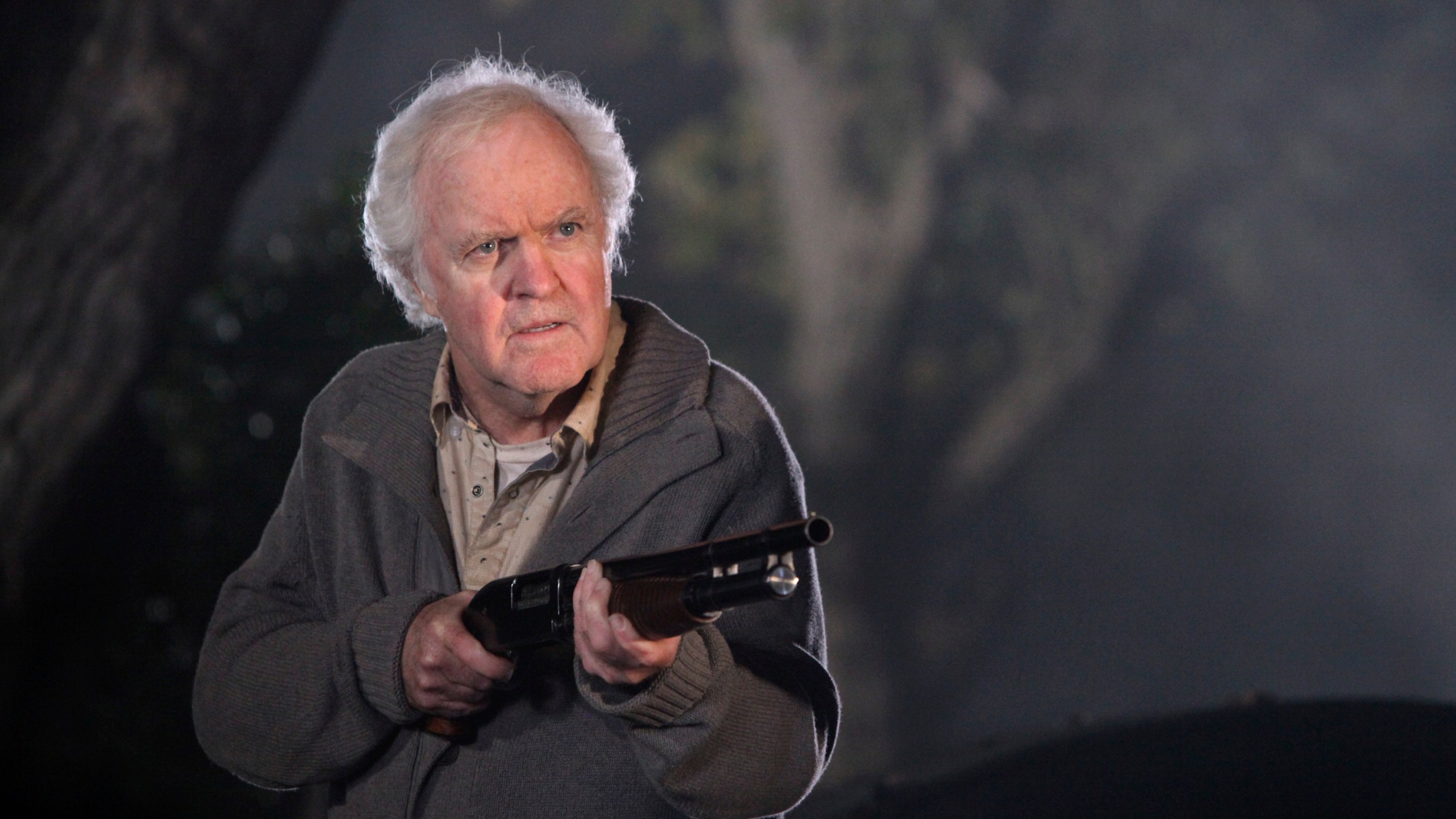
Handy’s resume reads like a map of American film and television from the early 1980s onward. More than 140 credits across movies, television films, and episodic series. He was never the lead. He was almost never even the second lead. He was the cop, the priest, the doctor, the captain, the father, the judge, the man behind the bar. And that was precisely the point.
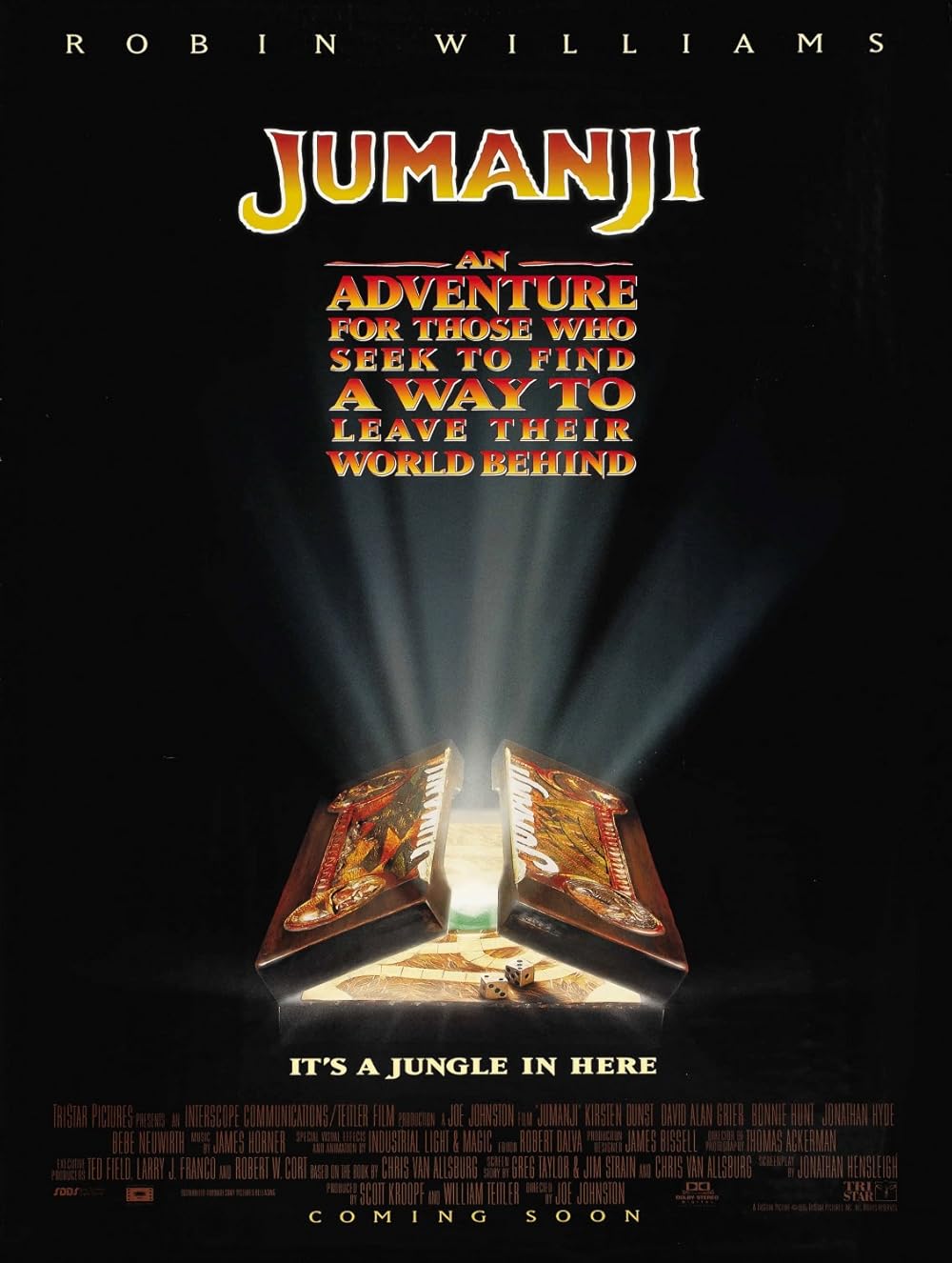
Consider the range of projects that called on him. He treated a wounded Hugh Jackman as the old doctor in Logan. He poured drinks as Jimmy in Top Gun: Maverick, sharing scenes with Tom Cruise in one of the biggest box office hits of the decade. He played the priest in M. Night Shyamalan’s Unbreakable. He was Lieutenant Byers opposite James Belushi in K-9, a role he reprised a decade later in K-911. He was the exterminator in Jumanji. Directors who could cast anyone kept casting him, decade after decade, because he delivered exactly what the scene needed and nothing the scene did not.
That is a skill the industry rarely celebrates with awards but absolutely depends on. A film is only as believable as its smallest speaking part. When the desk sergeant, the ER physician, or the bartender rings false, the whole illusion wobbles. Handy never rang false. He had the kind of lived-in face and unforced gravity that made every world he stepped into feel real.
From New York Stages to the Screen
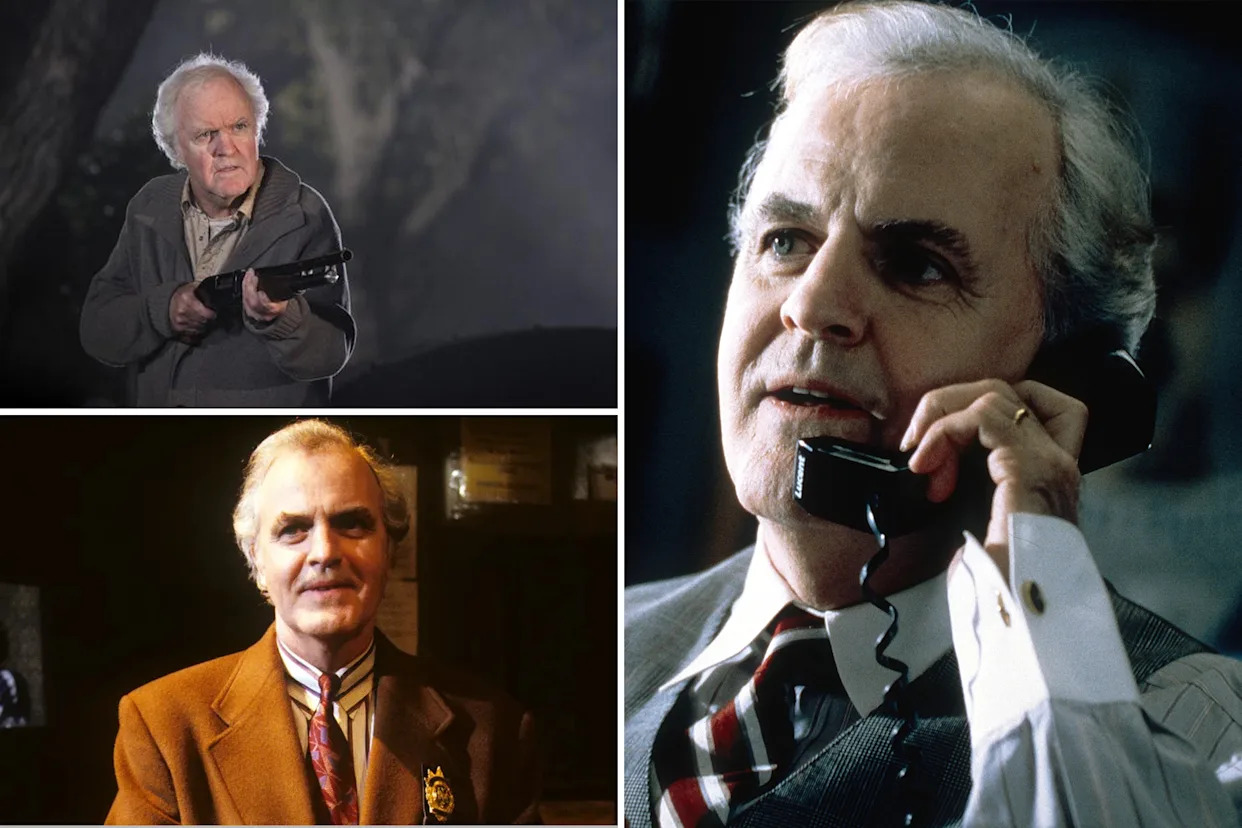
Handy was born in New York City and, like so many great character actors of his generation, came up through the theater, discovering acting during his university years and building his craft on stage before the camera found him. As late as 2009, decades into his screen career, he was still doing theater work, appearing in Michael Murphy’s play Sin, A Cardinal Deposed at the Hayworth Theater in Los Angeles. The stage never fully left him: you could see it in the precise diction, the economy of gesture, the ability to land a character in thirty seconds of screen time because he had spent years learning to hold a room for two hours.
His path to Hollywood also ran through a chapter far removed from any stage. Reports following his death, including a detailed account from the military news outlet We Are The Mighty, noted that Handy was drafted into the United States Army in the mid 1960s and served in Vietnam with the 196th Light Infantry Brigade before returning home and pursuing acting. It is a biographical detail that recasts much of his later work. The authority he brought to military men, police captains, and weathered authority figures was not borrowed. He had worn a uniform when it mattered.
His screen career began in earnest in the late 1970s, with trade obituaries marking 1977 as the start of his professional screen run. His first major film credit came in 1981 with Taps, the military academy drama that also featured a young Tom Cruise and Sean Penn, where Handy played a sheriff. The symmetry is hard to miss: his early film work put him in a movie with Cruise at the very start of the star’s career, and one of his final film appearances, four decades later, put him behind the bar in Cruise’s Top Gun: Maverick. Few Hollywood careers bookend themselves that cleanly.
The 1980s: Building the Resume One Scene at a Time
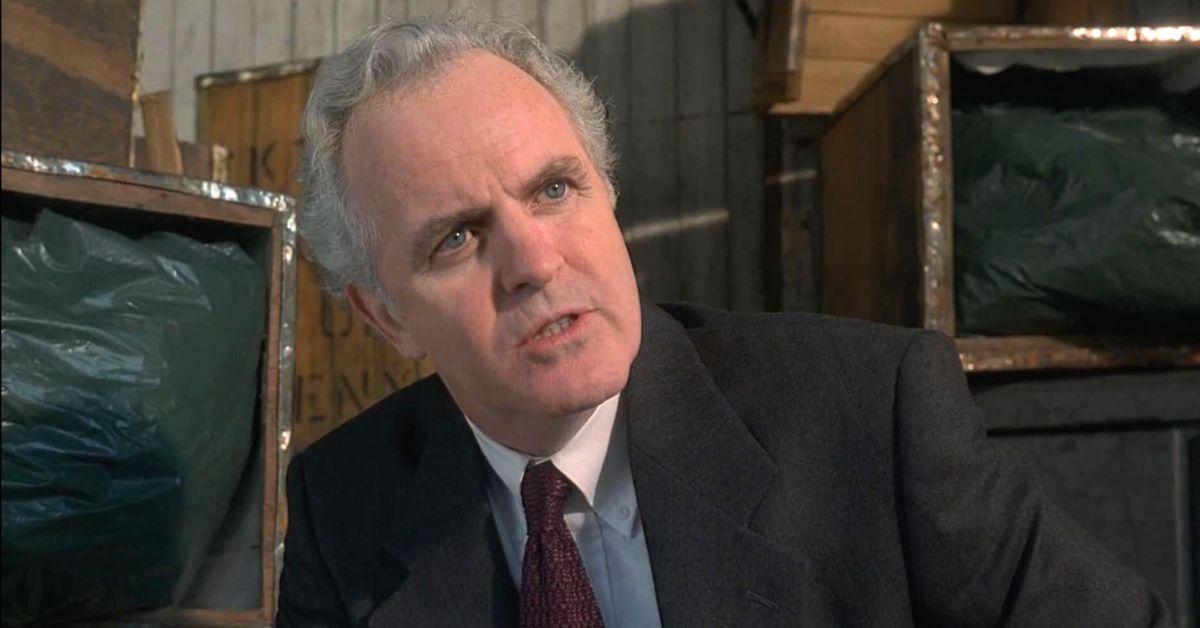
The 1980s were the decade Handy became indispensable. In 1982 he appeared in Sidney Lumet’s The Verdict, playing Kevin Doneghy in one of the most respected legal dramas ever made, sharing a cast list with Paul Newman at the peak of his late-career powers. For a working actor, that is the kind of credit that changes the conversation in every casting office afterward. If Lumet trusted you in a film built entirely on performance, you could be trusted anywhere.
He followed it with Brighton Beach Memoirs in 1986, playing Frank Murphy in the screen adaptation of Neil Simon’s beloved memory play, and Burglar in 1987 opposite Whoopi Goldberg. Then came one of the most quietly prestigious entries on his filmography: Clint Eastwood’s Bird in 1988, the Charlie Parker biopic starring Forest Whitaker, in which Handy played Esteves. Lumet, Eastwood, Simon adaptations: by the end of the decade, Handy had worked inside the machinery of serious American filmmaking with some of its most demanding craftsmen.
He closed the decade with K-9 in 1989, the buddy cop comedy that paired James Belushi with a German Shepherd. As Lieutenant Byers, Handy got to do the thing character actors do best: play the exasperated straight man whose reactions make the comedy work. The film was a commercial hit, and Handy’s Byers proved memorable enough that the franchise brought him back as Captain Byers for K-911 ten years later.
The 1990s Genre Run: Spiders, Jetpacks, and a Jungle Board Game
If you grew up renting VHS tapes in the 1990s, you knew James Handy’s face even if you never once said his name. The decade opened with Arachnophobia in 1990, Frank Marshall’s spider thriller produced under Steven Spielberg’s Amblin banner, where Handy played Milton Briggs in the small California town slowly overrun by deadly arachnids. The film became a summer hit and a sleepover staple, the kind of movie an entire generation watched through their fingers.
A year later came The Rocketeer, Disney’s 1991 pulp adventure about a stunt pilot who straps on a jetpack in 1930s Los Angeles. Handy played Wooly, and while the film underperformed on release, it has since become one of the most beloved cult classics of its era, the movie that effectively auditioned director Joe Johnston for Captain America: The First Avenger two decades later. Fan communities still celebrate The Rocketeer with a devotion most blockbusters never earn, and Handy’s presence is part of that texture.