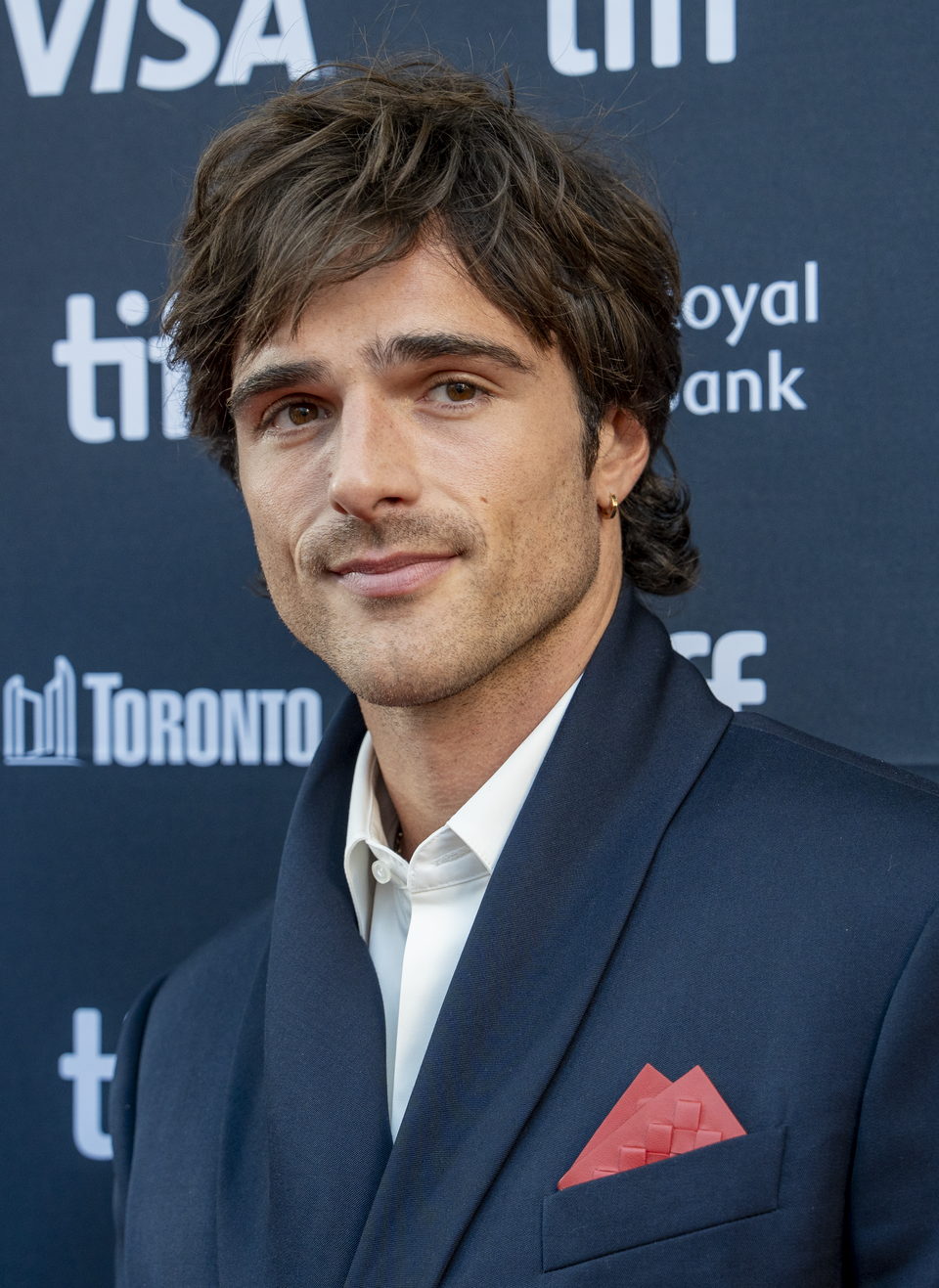
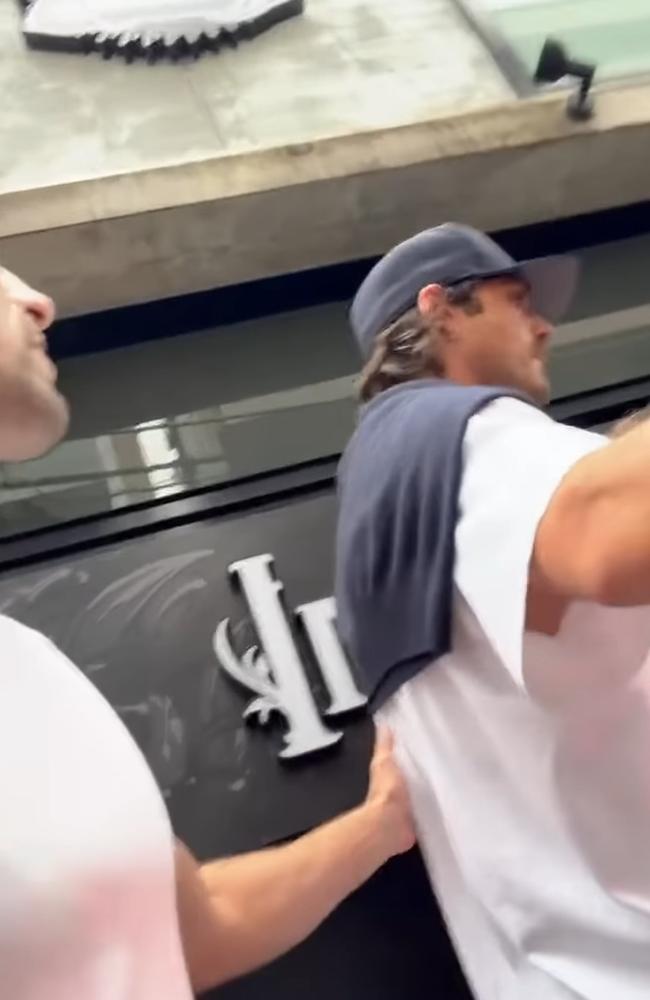
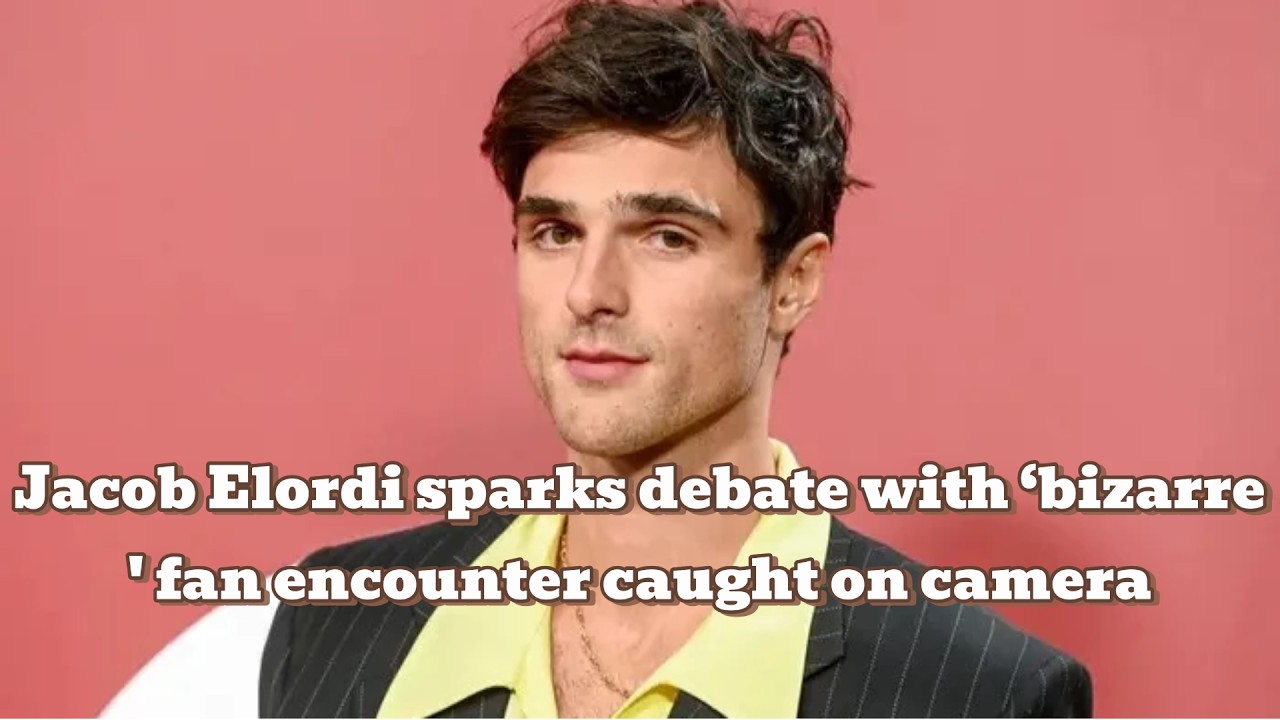
Jacob Elordi found himself at the center of social media discourse this week after a video surfaced showing the Australian actor firmly establishing boundaries with an enthusiastic fan in Japan. The clip, which has since gone viral across multiple platforms, captures the 27-year-old Euphoria star responding with a clear “don’t touch me, bro” when approached by someone attempting physical contact. The incident has reignited conversations about the fine line between fan appreciation and personal boundaries, particularly for celebrities navigating international fame in an era where every interaction can become content.
Image: Wikipedia
What makes this particular incident noteworthy isn’t necessarily the response itself, but rather the polarized reactions it has generated online. While some social media users have criticized Elordi for what they perceive as rudeness, others have rallied to defend the actor’s right to maintain personal space and establish clear boundaries with strangers. The video’s rapid spread demonstrates how quickly celebrity interactions can become global talking points, especially when they challenge traditional expectations of how stars should respond to fan attention.
Elordi’s Rise to International Stardom
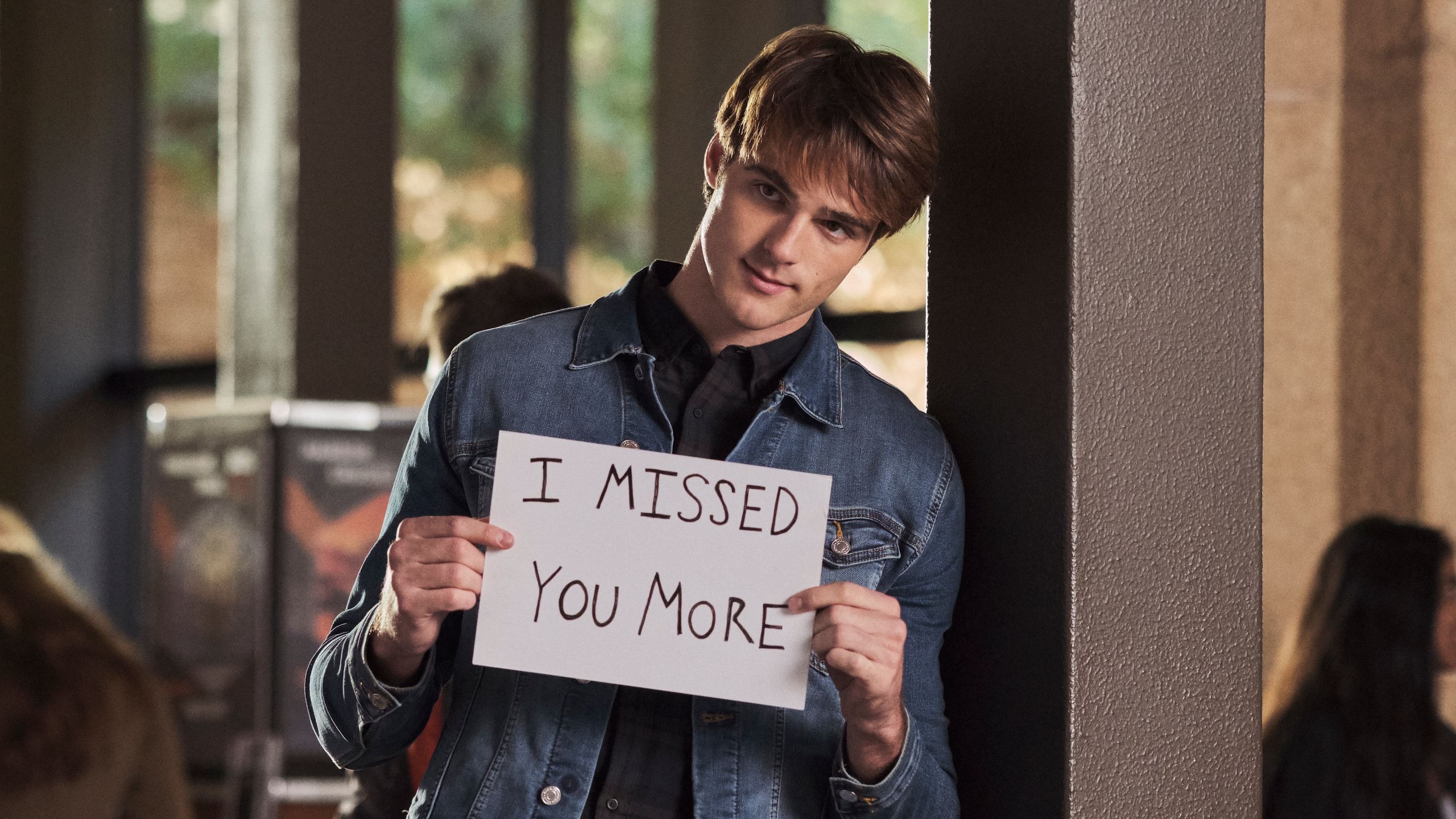
Jacob Elordi’s journey from Brisbane-born aspiring actor to international heartthrob has been nothing short of meteoric. His breakout role as Noah Flynn in Netflix’s “The Kissing Booth” trilogy initially put him on the map, but it was his complex portrayal of Nate Jacobs in HBO’s critically acclaimed series “Euphoria” that truly established him as a serious dramatic talent. The show’s global success has transformed Elordi from a relatively unknown Australian actor into one of Hollywood’s most recognizable young faces, complete with the intense scrutiny that comes with such visibility.
Image: Teen Vogue
This rapid ascent to fame has coincided with an increasingly complex celebrity landscape where social media has fundamentally altered the relationship between stars and their audiences. Unlike previous generations of actors who could maintain some distance from their fanbase, today’s young celebrities often find themselves navigating constant public attention, particularly when traveling internationally. Elordi’s experience in Japan reflects this new reality, where a simple outing can quickly become a viral moment that defines public perception.
The Ongoing Celebrity Boundaries Debate
The incident has brought renewed attention to the broader conversation about celebrity boundaries and what constitutes appropriate fan behavior. Entertainment industry professionals and mental health advocates have increasingly spoken out about the importance of treating celebrities as human beings first, rather than public property available for unlimited access. The expectation that famous individuals should always be “on” and available for fan interactions has been challenged by numerous high-profile incidents and statements from celebrities themselves about the psychological toll of constant public attention.
Ad SpaceIn-Article - 300x250
Advertisement
Image: DeMilked
What’s particularly interesting about Elordi’s response is its directness - there’s no ambiguity in his communication, which some argue is actually healthier than the typical celebrity approach of uncomfortable compliance followed by private frustration. Mental health professionals who work with public figures often emphasize that clear boundary-setting, while sometimes perceived as harsh in the moment, can actually lead to more positive long-term relationships between celebrities and their fanbases when mutual respect is established.
Fan Culture in the Digital Age
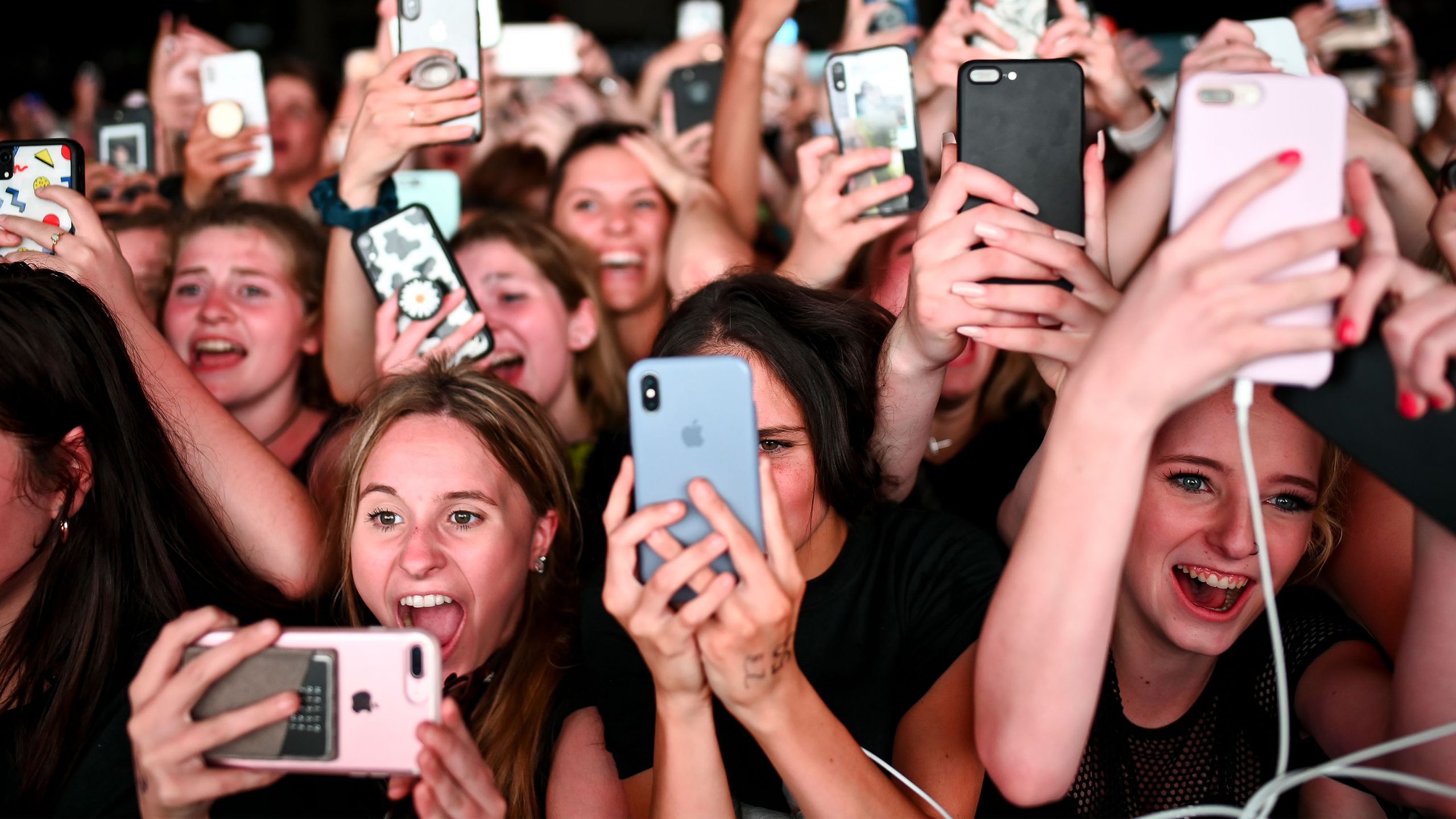
The viral nature of this incident also highlights how fan culture has evolved in the smartphone era, where every celebrity encounter has the potential to become content for social media platforms. This dynamic creates additional pressure for both fans and celebrities, as spontaneous interactions are often recorded and dissected by millions of viewers who weren’t present for the full context. The phenomenon has led to what some cultural critics describe as “performance fandom,” where the act of meeting a celebrity becomes as much about creating shareable content as it is about genuine appreciation for their work.
Image: Vogue
Japan, where this incident occurred, has its own unique celebrity culture that often emphasizes respect and distance, making the interaction even more complex from a cultural perspective. Japanese entertainment culture traditionally maintains clearer boundaries between public figures and their audiences, which may have influenced both the fan’s approach and the subsequent online reaction. This cultural context adds another layer to the discussion about appropriate behavior and expectations in celebrity encounters across different societies.
Industry Perspective on Personal Space
From an industry standpoint, incidents like these often serve as teaching moments for both emerging celebrities and their management teams about the importance of security protocols and boundary management. Many established stars work with their representatives to develop strategies for handling unexpected public encounters, particularly when traveling internationally where cultural norms and legal protections may differ from their home countries. The entertainment industry has increasingly recognized that protecting talent’s mental health and personal safety ultimately benefits everyone involved in their projects.
As Jacob Elordi continues to navigate his rising career, this incident will likely become just one of many learning experiences in managing public life. The broader conversation it has sparked about celebrity boundaries, fan behavior, and mutual respect in the digital age extends far beyond any single interaction. Whether this moment leads to more thoughtful discussions about how we collectively approach celebrity culture, or simply fades into the endless cycle of viral content, may depend on how both fans and celebrities choose to engage with these important questions moving forward. What remains clear is that the traditional rules of celebrity-fan interactions continue to evolve, and incidents like these serve as valuable touchstones for examining our collective expectations and behaviors in an increasingly connected world.
Ad SpaceIn-Article - 300x250
Advertisement
Share
Get the recap
Loved this story? Get more like it.
Join readers who get our weekly entertainment recap - the stories worth your time, delivered every Friday.
No spam. Unsubscribe anytime. By signing up you agree to our Privacy Policy.