

Table of Contents
- The Confession That Caught Everyone’s Attention
- The Legacy of House and Its Cultural Impact
- Behind the Scenes: When Stars Lose Their Cool
- Celebrity Accountability in the Digital Age
- Hugh Laurie’s Evolution Beyond House
The Confession That Caught Everyone’s Attention
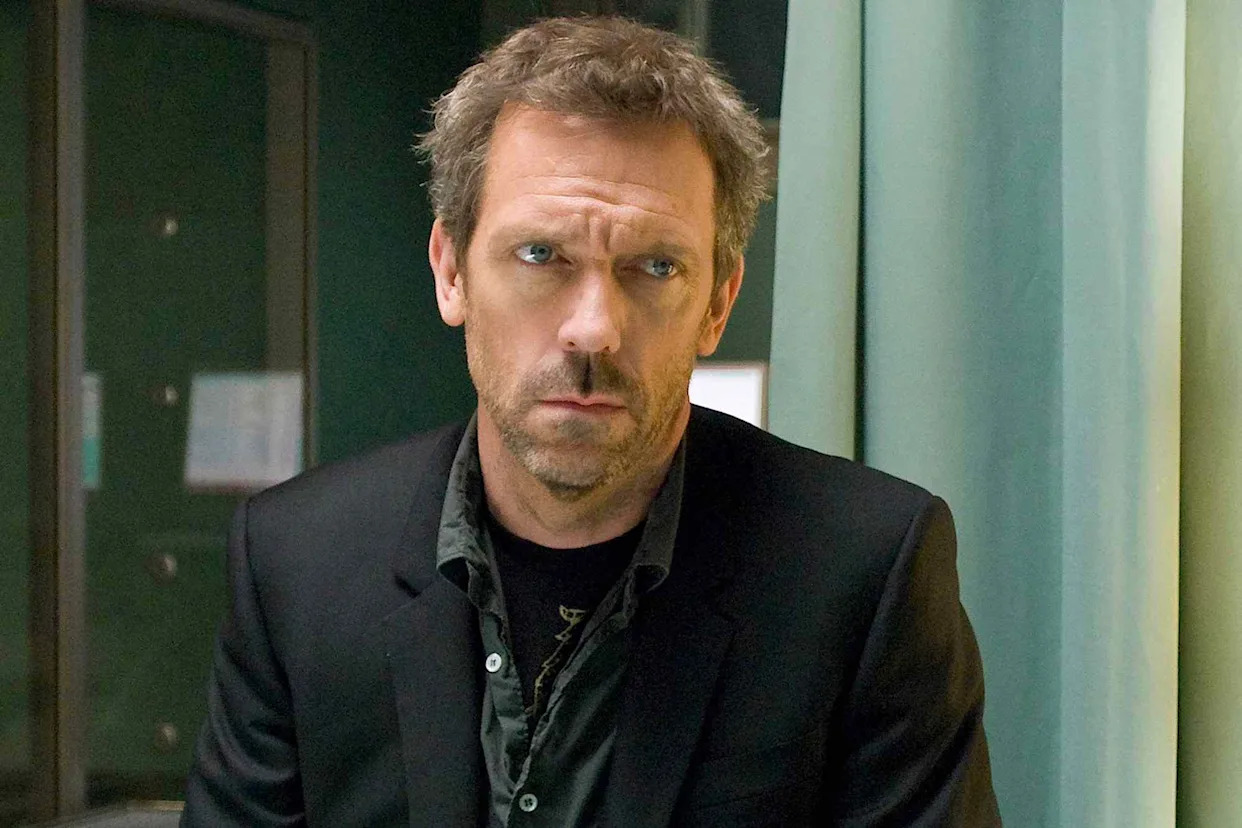
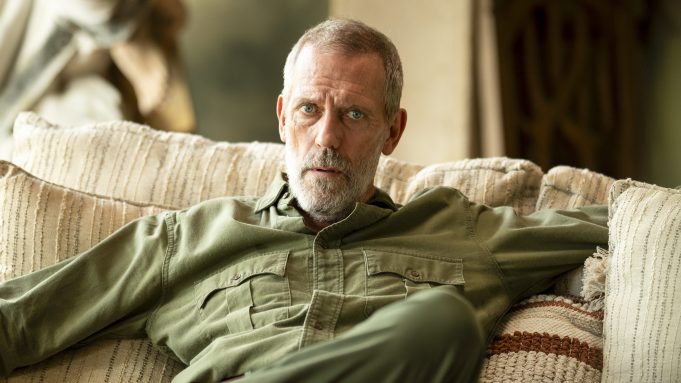
Hugh Laurie has never been one to shy away from brutal honesty, and his recent admission about a heated encounter with a journalist proves that point once again. The beloved British actor, best known for his iconic portrayal of the acerbic Dr. Gregory House, revealed that he was “very slightly drunk and already upset about something that had nothing to do with you” when he delivered what became a memorable roast of a critic who had taken aim at his hit medical drama. The confession offers a rare glimpse into the human side of celebrity reactions to criticism, stripping away the usual PR polish to reveal the messy reality of how stars sometimes handle negative press. What makes this admission particularly refreshing is Laurie’s willingness to own up to the circumstances rather than simply defending his actions or pretending the incident never happened.
The incident in question has become something of legend among entertainment journalists and House fans alike, representing one of those unguarded moments when a celebrity’s true feelings about criticism spill over into public view. Laurie’s acknowledgment that alcohol played a role in lowering his inhibitions adds context to what might have otherwise seemed like a calculated takedown of a journalist simply doing their job. His admission suggests that the confrontation was less about defending his artistic work and more about a perfect storm of personal frustration, liquid courage, and professional pressure colliding in an unfortunate moment. The fact that he’s now discussing it openly indicates a level of self-reflection that’s often missing from celebrity culture.
The Legacy of House and Its Cultural Impact
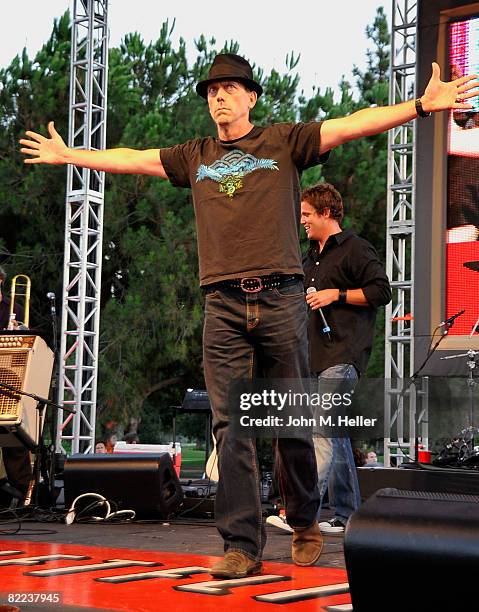
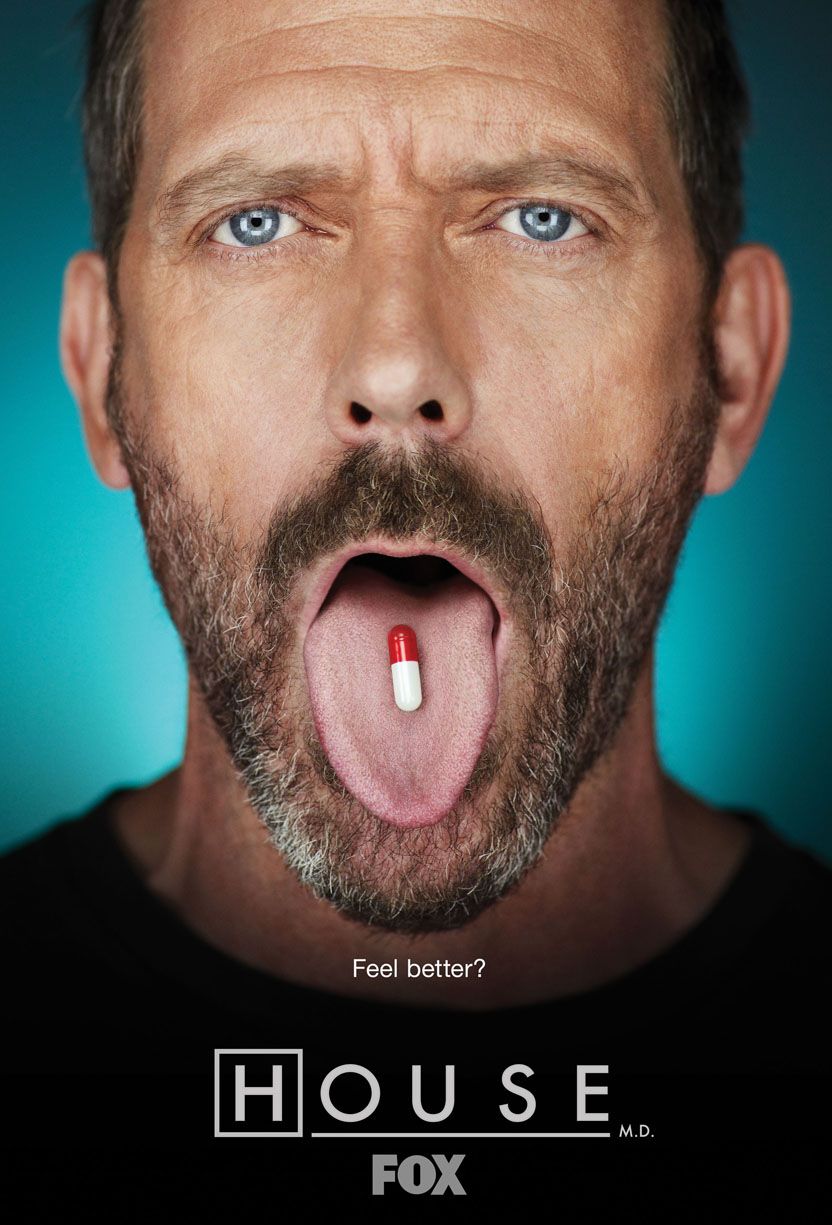
To understand the weight behind Laurie’s protective instincts toward House, it’s essential to recognize what the show represented both for his career and for television drama as a whole. Running for eight seasons from 2004 to 2012, House transformed Laurie from a British comedy actor known primarily for his work with Stephen Fry into a global television icon commanding massive salaries and critical acclaim. The show’s success was built on Laurie’s masterful portrayal of a brilliant but deeply flawed diagnostician whose addiction to Vicodin and general misanthropy made him one of television’s most compelling antiheroes. Critics and audiences alike were initially skeptical about whether the former Blackadder star could pull off such a dramatic departure from his comedic roots, but Laurie’s performance quickly silenced doubters and earned him multiple Emmy nominations.
The cultural impact of House extended far beyond typical medical dramas, influencing everything from real-world medical education to the broader acceptance of flawed protagonists on television. Medical schools began using episodes as teaching tools, while the show’s diagnostic puzzle format inspired countless imitators across the television landscape. For Laurie, this success came with intense scrutiny and pressure to maintain the character’s integrity across hundreds of episodes. The show’s popularity meant that any criticism of House felt deeply personal, especially given how much of Laurie’s own intelligence and wit he poured into the character. When critics attacked the show, they weren’t just critiquing a performance - they were questioning years of Laurie’s creative and emotional investment in bringing this complex character to life.
Behind the Scenes: When Stars Lose Their Cool

The entertainment industry’s relationship with criticism has always been complicated, but the pressure on actors to maintain perfect public personas can sometimes lead to explosive moments when that facade cracks. Laurie’s admission about being drunk and upset reveals the human reality behind celebrity interactions with the press - that these are real people dealing with real emotions, not just polished media machines designed to deliver perfect soundbites. The demanding nature of television production, particularly for a show as complex and dialogue-heavy as House, creates an environment where actors are constantly under stress, often working 16-hour days while maintaining the energy needed for compelling performances. Add personal problems, media pressure, and yes, sometimes alcohol, and it becomes easier to understand how even typically composed stars like Laurie might occasionally lose their professional cool.
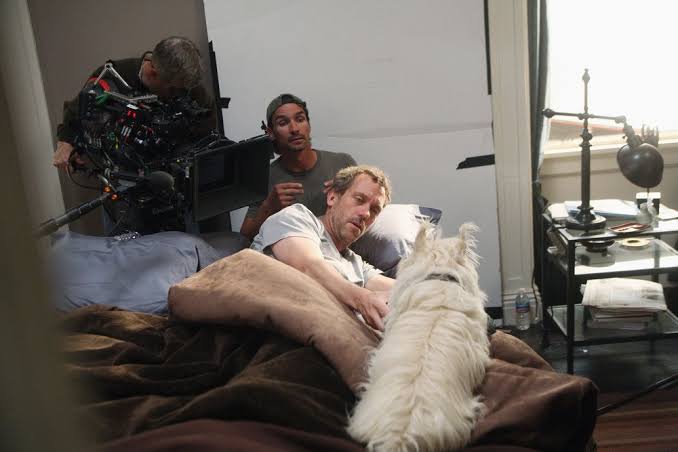
What’s particularly striking about Laurie’s confession is his acknowledgment that his anger had nothing to do with the journalist themselves, but rather stemmed from unrelated personal issues that he brought into the professional interaction. This kind of emotional spillover is common in high-pressure industries, but celebrities rarely admit to it so directly. The entertainment world is full of stories about stars who’ve had public meltdowns or confrontations with reporters, but most of those incidents are either denied, explained away, or buried under layers of publicist-approved statements. Laurie’s straightforward admission that he was drunk and already upset represents a refreshing departure from the usual celebrity damage control playbook, suggesting a maturity and self-awareness that comes from years of reflection on the incident.