How Ankara Fabric Went From Nigerian Markets to International Fashion Weeks
Miki Anderson··10 min read
Ad SpaceArticle Top - 728x90
Advertisement
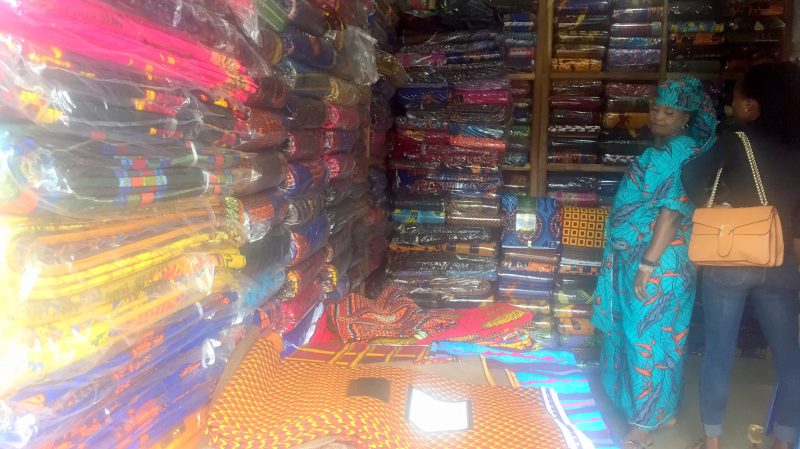
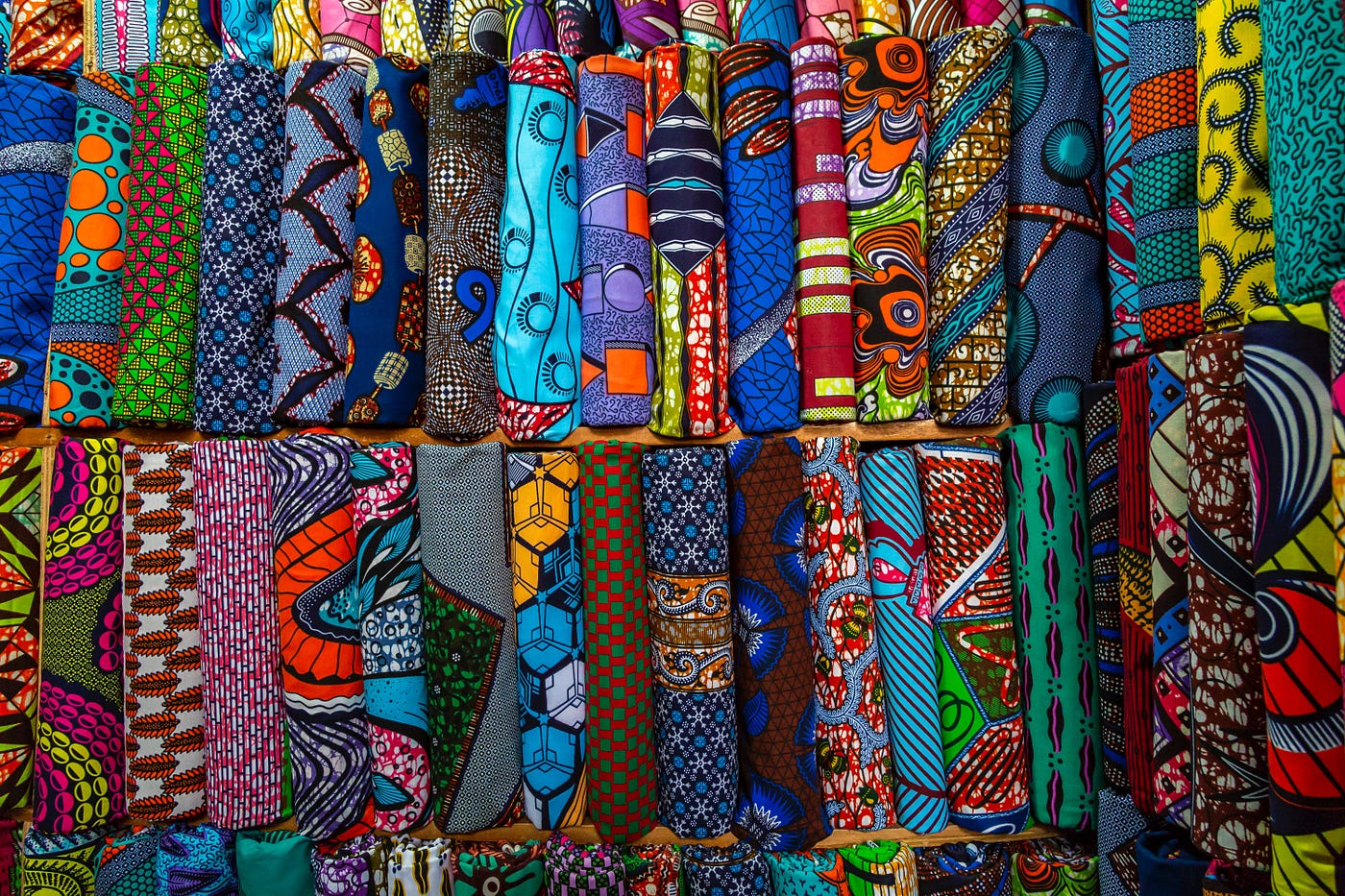
Walk through Balogun Market in Lagos Island on a Saturday morning and the assault on the senses begins before you find a parking spot. Traders perched on overturned crates wave bolts of fabric overhead like flags. Yards of waxed cotton in marigold, oxblood, indigo and shocking pink cascade from every doorway. A woman haggles for six yards of a print called “Happy Family.” Two streets over in Idumota, the same fabric sells for less if the buyer knows what to ask. This is the engine room of a textile economy that, against every reasonable expectation, has spent the past two decades muscling its way onto runways in Milan, Paris and New York.
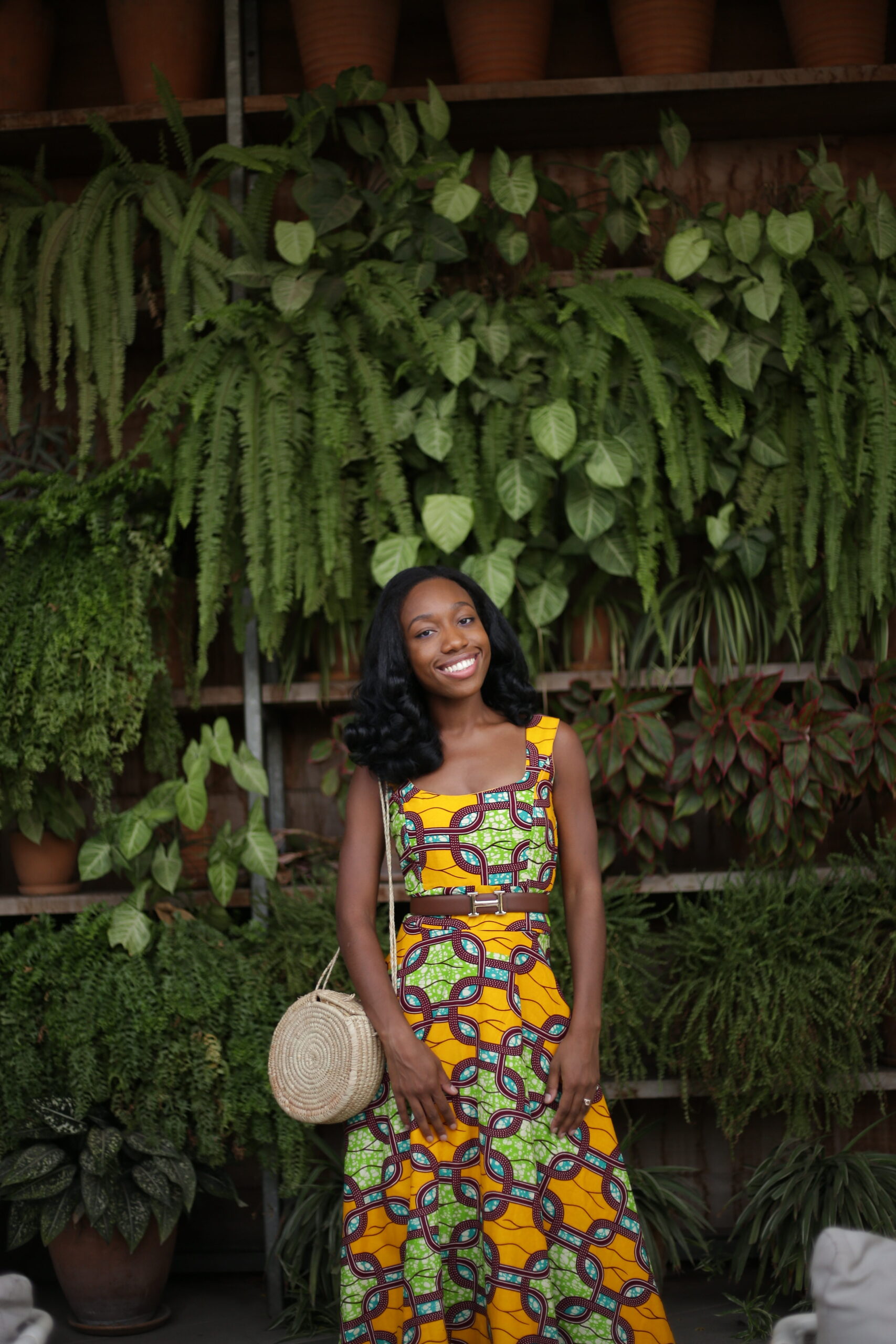
Ankara, the catch-all Nigerian name for African wax print, has had one of the most improbable journeys in modern fashion. A fabric born of Dutch colonial industry, refined for an Indonesian market that rejected it, and re-routed to West Africa as a commercial last resort, somehow became shorthand for African identity itself. And now the same cloth that grandmothers wear to christenings in Surulere turns up in international music videos and on European runways. The story is messier and more interesting than the runway lights suggest.
The Dutch Wax Print Paradox
Before getting to fashion week, the origin matters because almost nobody outside the textile trade knows it. Ankara is not, in the strictest historical sense, African fabric. It was developed in the mid-nineteenth century by Dutch manufacturers attempting to mass-produce Javanese batik for the Indonesian colonial market. The Dutch industrial process could not perfectly replicate hand-drawn batik, and Indonesian consumers rejected the imperfect crackles and irregular dye bleeds as inferior copies.
What happened next reshaped West African dress for two centuries. Dutch traders, sitting on warehouses of unsellable cloth, redirected the stock to ports along the Gold Coast, the Bight of Benin and the Niger Delta. West African buyers responded differently. The very irregularities that offended Indonesian taste were embraced. Women in Accra, Lome, Cotonou and Lagos began to read meaning into the prints. Specific motifs acquired names, proverbs and social functions, so a cloth could be chosen to say something public about a marriage, a rivalry or a windfall without a word being spoken. Within a generation the fabric was no longer an unwanted Dutch product. It had been culturally adopted.
Vlisco, founded in 1846 in the Dutch town of Helmond, became the dominant manufacturer. Even today, more than a hundred and seventy years later, Vlisco produces wax print in the Netherlands and ships it to West Africa, where its highest-grade cloth still fetches premium prices. The brand sits at the strange intersection of colonial commerce and authentic cultural ownership, a knot that fashion writers usually skip past.
The Chinese Imitation Wave
By the mid-2000s, that knot got more tangled. Chinese textile mills, recognising the West African market for what it was, flooded Lagos and Cotonou with cheaper imitation prints. The Chinese fabric ran lighter, faded faster and lacked the distinctive resin-cracked surface of the genuine wax process. Traders in Balogun developed a quick test, snapping a corner of cloth and rubbing it between thumb and forefinger to read how the dye sat in the cotton. Locally these knockoffs were called “Hitarget” or “fancy print,” and they shifted the entire price structure of the market. Vlisco fabric became aspirational, priced at a steep multiple of what the imitations cost. Chinese imitations made Ankara accessible to everyone else. That accessibility, in retrospect, mattered enormously. The cheap version put wax print on every Lagos street, in school uniforms, in market stalls, on commercial bus drivers. Without that saturation, the cultural revival that came next would not have had the same gravity.
Lisa Folawiyo and the Vogue Moment
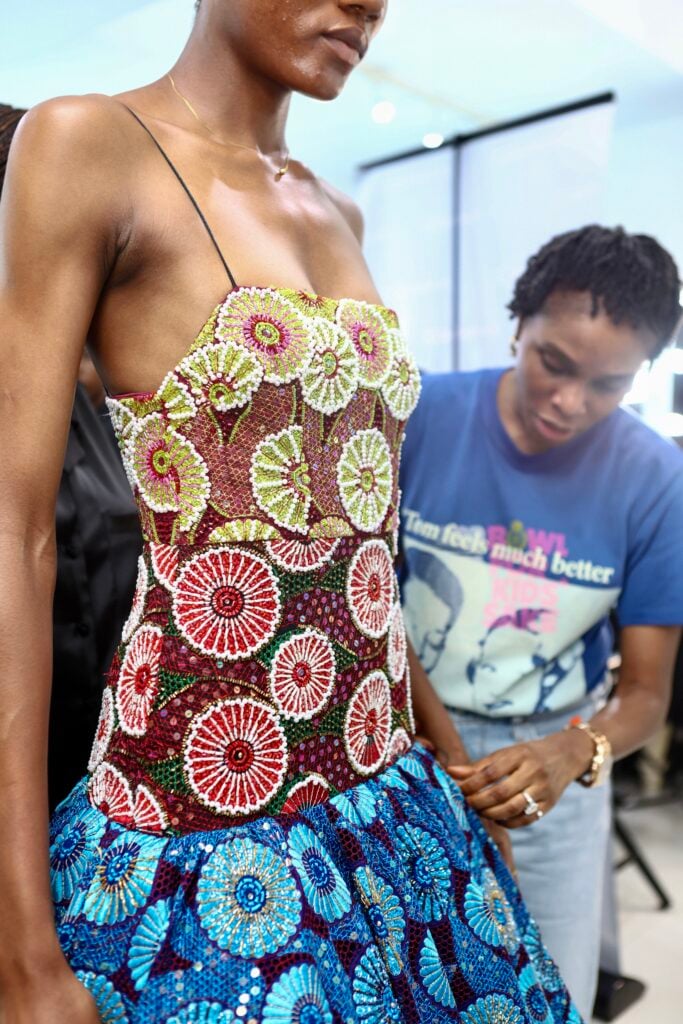
Every quiet revolution needs a flashpoint, and for Ankara on the international stage that point was Jewel by Lisa, the label launched by Lisa Folawiyo in Lagos in 2005. Folawiyo did something deceptively simple. She took standard Ankara fabric, the kind sold by the yard in Balogun, and hand-embellished it with sequins, beads and crystals. The cuts referenced Western tailoring rather than traditional Nigerian silhouettes. Pencil skirts, fitted blazers, sheath dresses. The fabric remained recognisably Ankara. The construction read as international ready-to-wear.
The breakthrough came in stages. Folawiyo’s pieces caught the eye of Nigerian style editors first, then African diaspora publications, then the international press circuit. By the early 2010s the label was being carried by international e-commerce and department store buyers, and the international fashion press, Vogue included, started running features. Suddenly the fabric that Lagos taxi drivers wore as casual shirts was being photographed on white models in cream-painted studios for editorial spreads.
Folawiyo has talked publicly about the contradiction, framing the elevation of Ankara into luxury as partly an act of reclamation. The fabric had been dismissed for decades as “ethnic” or “tribal,” and the international fashion press only took it seriously once it was filtered through silhouettes the editors already recognised. The price point of the pieces, set well above what Ankara was assumed to be worth, became part of the message. This cloth could carry that value.
The Stella Jean Crossover
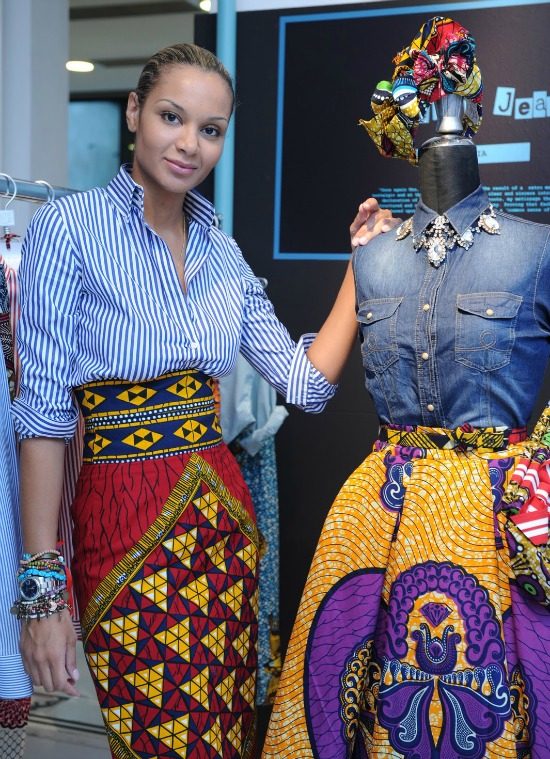
Around the same window, a parallel push was happening in Milan. Stella Jean, an Italian-Haitian designer who launched her label in 2011, built her entire aesthetic around the collision of wax print and Italian tailoring. Where Folawiyo worked from Lagos outward, Stella Jean worked from inside the European fashion system, presenting at Milan Fashion Week with support from Giorgio Armani, who made his Armani/Teatro space available to her for a show.
Stella Jean’s clothes paired Ankara skirts with crisp white poplin shirts and Brunello Cucinelli-style cashmere. The styling was deliberately mannerly, almost prim, which let the fabric do the visual heavy lifting. Italian editors, who had largely treated African textiles as costume rather than fashion, started writing about wax print as a legitimate fabric tradition. The shift in editorial vocabulary was small but significant, and the reflexive reach for the word “exotic” began to fall away.
The Celebrity Effect
Mass culture moves on faces, and two in particular accelerated Ankara’s global moment. When Michelle Obama wore a piece by the Nigerian label Maki Oh during the Obama family’s 2013 trip to Africa, the photograph travelled. It was an adire-influenced design rather than wax print, but the cultural read on it was identical. The First Lady of the United States, deliberately choosing a Nigerian designer for a state visit, validated the entire West African design industry in a way that no editorial feature could.
Ad SpaceIn-Article - 300x250
Advertisement
Beyonce arrived with bigger volume and harder edges. The 2016 visual album Lemonade drew openly on Yoruba religious imagery, and the looks across it and the touring that followed treated West African reference as costume drama and high fashion at once. The styling was custom and the individual credits were rarely itemised in public, so the specific workshops behind particular looks are hard to pin down. What is not in doubt is the effect. For a generation of Western viewers, that run of imagery was the first time West African cloth registered as something current rather than ceremonial.
The Appropriation Argument
For every clean validation there was a messier appropriation moment. Through the 2010s, European collections kept arriving with prints and silhouettes that West African viewers read as wax print borrowed without acknowledgement, and the shows were often written up in the British and Italian press as a fresh “tribal” direction. Lagos social media, then a much smaller corner of the internet, was less impressed. Those arguments were the first sustained pressure on Western luxury to answer in public where wax print actually came from and who owned the visual language.
The discourse repeated through the decade. African fashion writers, increasingly organised through platforms like BellaNaija Style and the Lagos Fashion Week press circuit, pushed back each time a collection took the look without the context. The pressure was rarely loud enough to force formal apologies, but it changed the way the next collection was framed. By the end of the decade, Western houses were more likely to credit West African textile traditions in their show notes than to present wax print as a stand-alone trend.
Lagos Fashion Week and the Local Reclamation
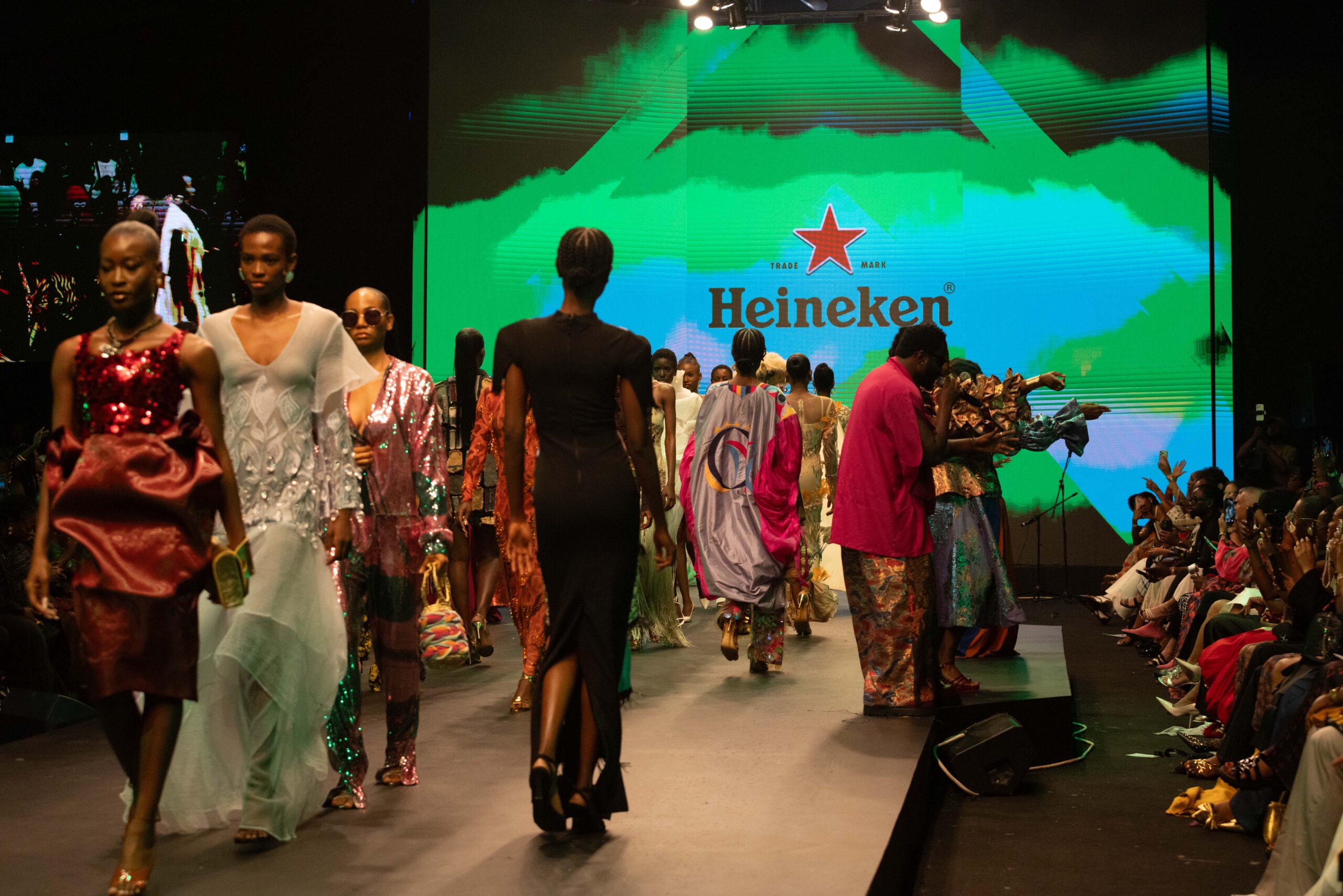
While the global story was unfolding through diaspora designers and Western houses, something more important was happening at home. Lagos Fashion Week, founded by Omoyemi Akerele in 2011, became the gravitational centre for a new generation of Nigerian designers who treated Ankara as their default working material rather than an exotic flourish. Andrea Iyamah took the fabric somewhere unexpected by building a swimwear line around wax print. The collections, presented at Lagos Fashion Week and later picked up by international resort retailers, used Ankara for one-piece swimsuits, beach cover-ups and cropped bikinis. The choice was a small act of provocation. Swimwear is one of the most internationally codified categories in fashion, and inserting Ankara into it forced retailers to treat the fabric as a year-round material rather than a holiday novelty.
Other designers pushed in different directions. Tokyo James cut wax print and other West African cloth into sharply tailored menswear that found an audience on the European menswear circuit. Orange Culture used it as accent fabric in gender-fluid pieces that made their way into London stockists. Kenneth Ize, a Lagos-based designer who later showed in Paris, focused on aso oke woven cloth rather than wax print specifically, but his work expanded the international vocabulary around what “African textile” could mean. When Naomi Campbell walked his Paris show in 2020, it sat alongside the Ankara movement as part of the same broad ascent. The Lagos Fashion Week shows themselves became a fixture for international buyers and editors, who started building the week into their travel calendars rather than treating it as a curiosity. The week’s calendar was positioned deliberately against smaller European fashion events, making Lagos a legitimate stop rather than a token visit.
Reclaiming the Origin Story
A quieter conversation ran underneath all of this. Younger Nigerian designers, many of them educated at Central Saint Martins or Parsons before returning home, began to publicly grapple with the Dutch wax print paradox. Was Ankara authentically African if it was manufactured in Helmond? Did the cultural adoption over a hundred and seventy years outweigh the colonial commercial origin? The consensus that emerged was pragmatic. The prevailing argument held that the cloth had been so thoroughly inhabited by West African meaning, naming traditions, social rituals and aesthetic preferences that the manufacturing origin was a footnote rather than a verdict. Others pushed harder for locally woven alternatives, advocating for aso oke, adire and akwete as the truer indigenous fabrics. The argument has not been settled. It probably will not be.
What did happen is that Vlisco, the original Dutch manufacturer, moved closer to the market it depends on, working with African designers on collections and running its own stores in West African cities including Lagos, Cotonou and Abidjan. The arrangement was not without its critics, but it represented a shift. The colonial commercial relationship was being renegotiated, slowly, in public.
What the Runways Did Not Capture
For all the editorial coverage and runway moments, the most interesting Ankara story remains the one in the market itself. The trade in Balogun, Idumota and Tejuosho moves on rhythms that no fashion week schedule touches. A new print released by Vlisco can be named, renamed and assigned half a dozen social meanings within a single weekend in Lagos. The names travel by word of mouth through congregations, hair salons and bus rides. By the time a Vlisco design is six months old, its commercial life in Lagos has already exceeded its formal European retail window.
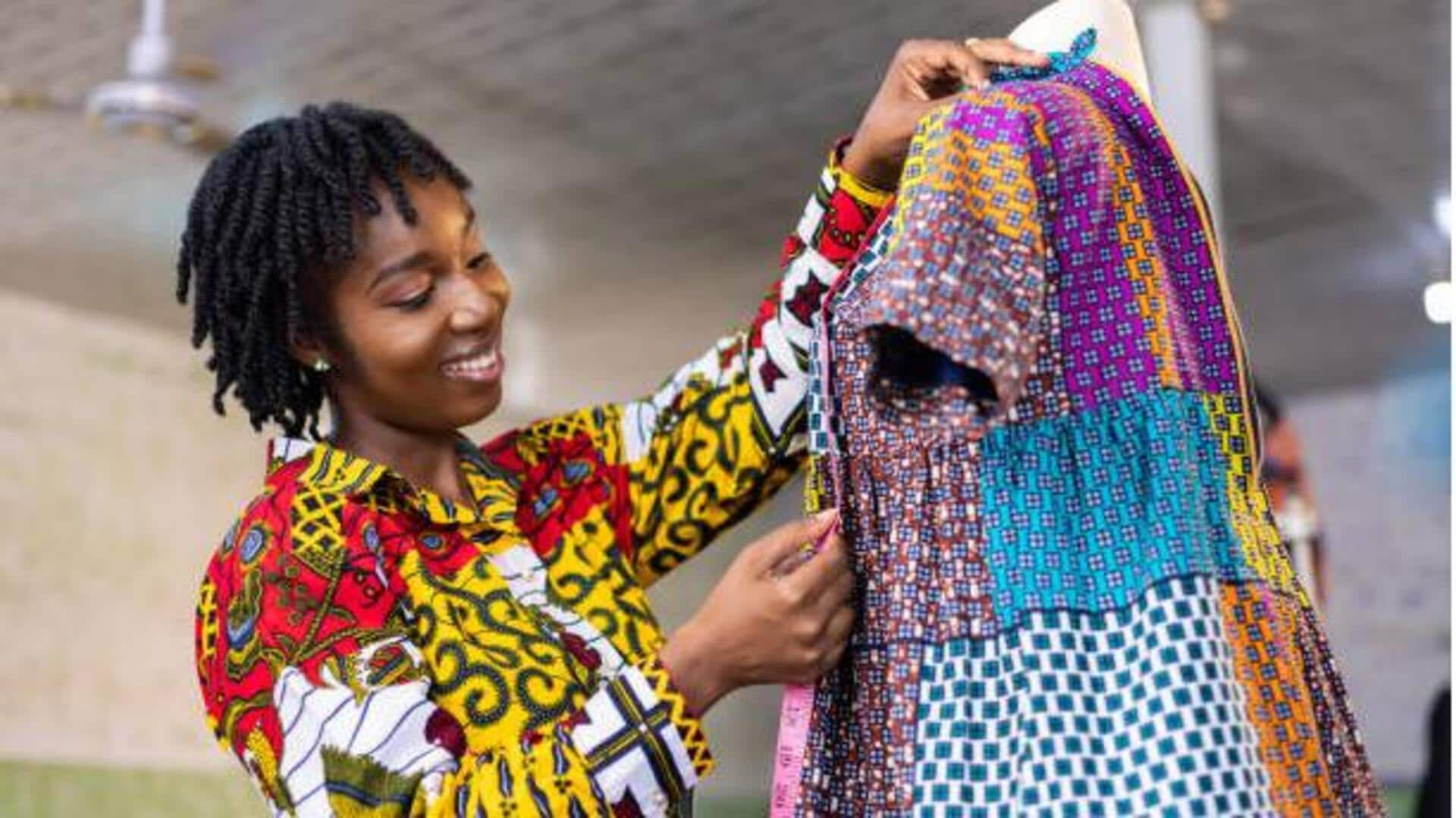
Tailors in Mushin and Yaba sew bespoke Ankara dresses for weddings and naming ceremonies at volumes that dwarf the entire Lagos Fashion Week output. A skilled tailor at the back of Tejuosho market works through a steady queue of fitted gowns every month, often from photographs the client has shown on her phone. The supply chain that feeds those tailors, the bolt traders, the lace and gele sellers, the bead embroiderers in Yaba, sustains a great many livelihoods that operate entirely outside the attention of the international fashion press.
This is the layer that runway photography flattens. When a Stella Jean look appears in a Milan show review, the credit goes to Stella Jean, to her atelier and to the European editorial machinery. The Ghanaian or Nigerian textile mills, the Lagos seamstresses, the bolt traders who built the cultural foundation that made the look readable, never appear in the byline. The economic reality of wax print remains concentrated in Helmond and in the Lagos market trade, and little of the runway markup appears to flow back to either end.
The Material Reality
Stand in Balogun Market at three in the afternoon. The Saturday traders are packing up. A woman in a head wrap is haggling over the last yard of a print whose market name doubles as a warning about choosing a husband badly. A few stalls down, two teenage girls are photographing themselves against a wall hung with peacock-pattern wax cloth, captioning the shot for Instagram. A delivery boy on a bicycle weaves through the alley balancing six rolled bolts of Vlisco across his handlebars. Somewhere in Paris an editor is finalising the run of show for a collection built on the same fabric. Both rooms are real. Both belong to the same story. The market knows it. The runway is still catching up.
Ad SpaceIn-Article - 300x250
Advertisement
Share
Get the recap
Loved this story? Get more like it.
Join readers who get our weekly entertainment recap - the stories worth your time, delivered every Friday.
No spam. Unsubscribe anytime. By signing up you agree to our Privacy Policy.