
How Afrobeats Tours Are Structured: Venues, Ticket Splits and Profit Margins
Afrobeats

How Afrobeats Tours Are Structured: Venues, Ticket Splits and Profit Margins

Jalen RossJalen Ross··12 min read
Ad SpaceArticle Top - 728x90
Advertisement

Behind every sold-out Burna Boy stadium night or Asake O2 run sits a financial machine most fans never see. The poster has one name on it. The deal underneath has thirty. Promoters, sub-promoters, agencies, venue owners, sponsors, insurance brokers, band leaders, lighting vendors, and the artist’s own management team all hold a slice of the gross. The job of an Afrobeats tour is to move enough tickets at enough venues to leave the headline act with a meaningful net after every slice is cut.

That math has shifted dramatically in five years. The genre that was filling 800-capacity clubs in Houston in 2018 now plays Madison Square Garden, Wembley Stadium and Tottenham Hotspur Stadium. The deal templates have followed. What was once a fee-for-show booking model is now a layered structure of guarantees, door splits, festival fly-dates and merchandise carve-outs.

The Four Touring Formats That Define the Calendar
How Afrobeats Tours Are Structured - The Four Touring Formats That Define the Calendar

Afrobeats touring lives in four buckets, and most A-list artists rotate through all of them in a single year.

Arena Tours

How Afrobeats Tours Are Structured - Arena Tours

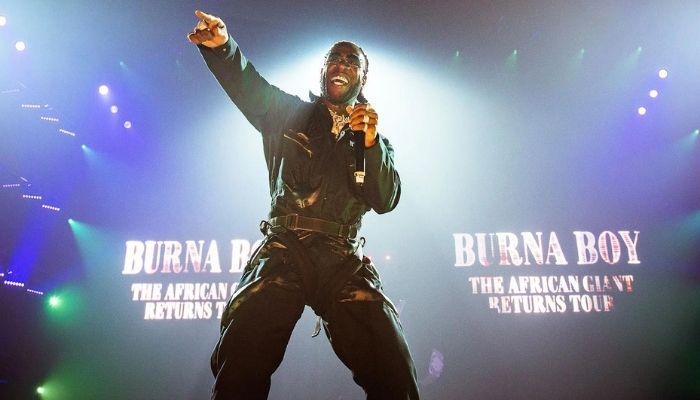
The arena tour is the workhorse format. Venues in the 10,000 to 20,000-seat range, like the O2 Arena in London, the Accor Arena in Paris, State Farm Arena in Atlanta, and Scotiabank Arena in Toronto, form the backbone of any serious world tour. These rooms sell enough tickets to justify a full production rig without the surge marketing budgets stadiums demand. A typical Afrobeats arena tour runs 25 to 45 dates across North America, the UK, Europe and select African cities. Production costs scale up because the artist is now expected to deliver a real stage show. Eight to twelve-piece bands, custom risers, video walls and choreographed lighting all move from venue to venue on trucks.

The Stadium One-Off
How Afrobeats Tours Are Structured - The Stadium One-Off

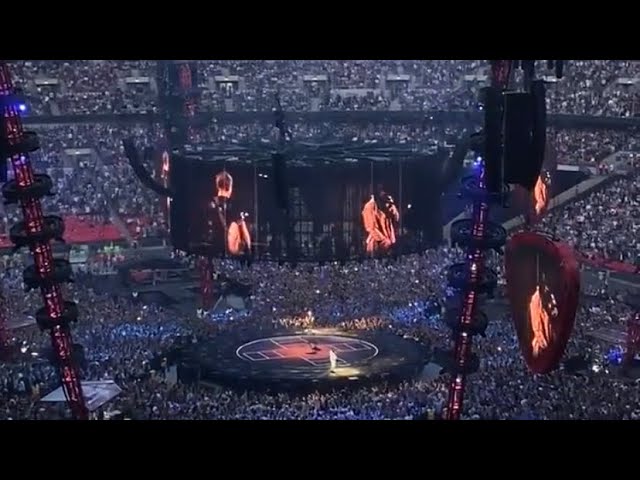
The stadium show is rarely part of a sequential tour. It functions as a single statement night, usually in a city where the artist has the strongest diaspora pull. Burna Boy’s London Stadium headline on June 3, 2023, is the reference point, widely reported as the first time an African act headlined a UK stadium in its own right, with attendance figures cited at around 80,000. The multi-night O2 Arena runs that several Afrobeats acts have since assembled belong to the same category of statement booking, built on diaspora density rather than national radio reach. A stadium hold typically requires a 12-month runway, a non-refundable venue deposit, and a marketing spend that can clear seven figures before a single ticket scans. The economics flip at this scale: gross potentials reach eight figures, but so do the costs. Guarantees, production builds, council permits, security headcount, insurance and local promoter risk premiums all balloon. A stadium night can either be the most profitable show of an artist’s career or the one that proves they should have done two arena nights instead.

Mid-Size Theater Runs
How Afrobeats Tours Are Structured - Mid-Size Theater Runs

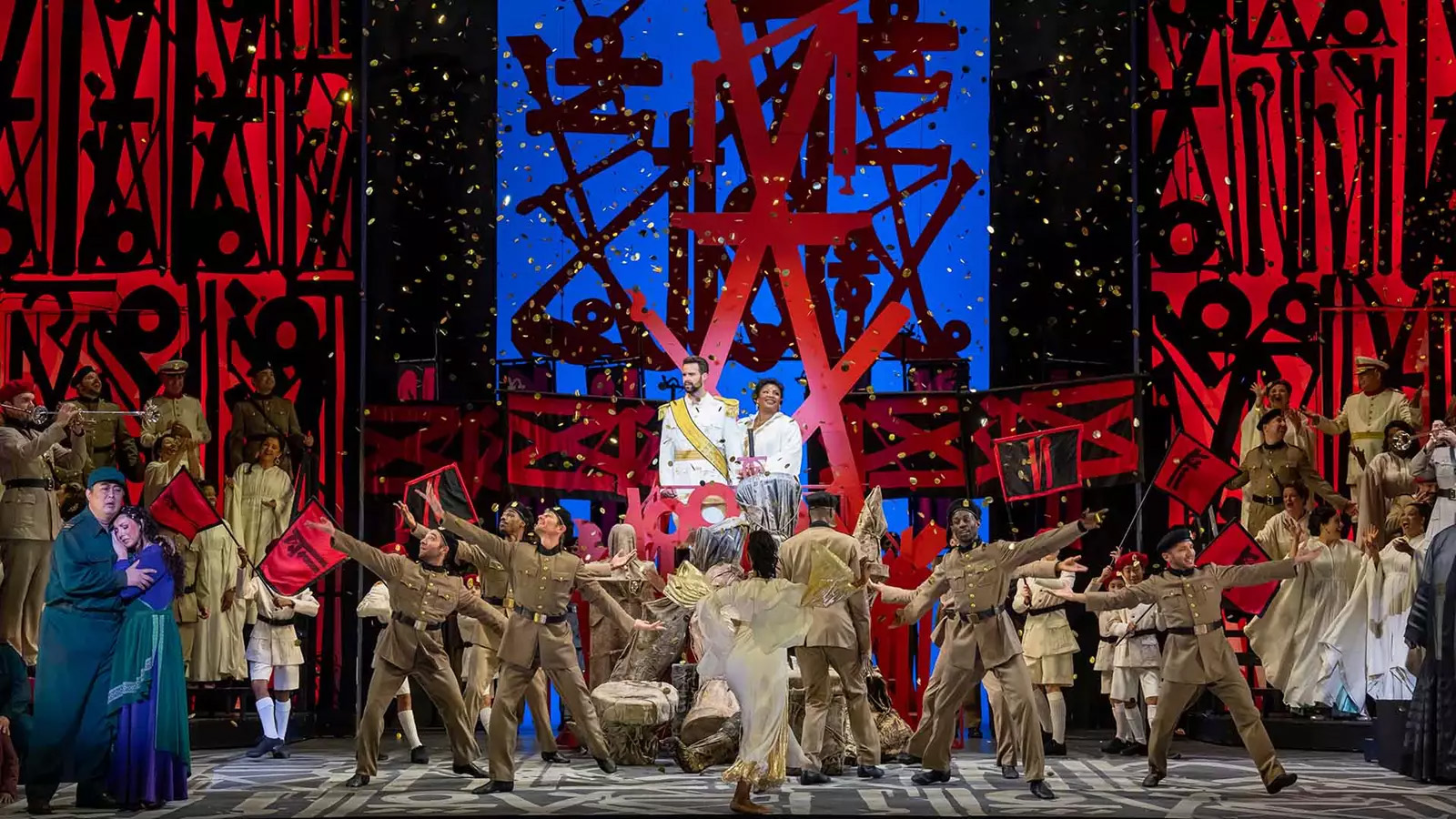
The 3,000 to 7,000-seat theater is where developing Afrobeats acts cut their teeth and where established acts route smaller markets that cannot support an arena. Venues like Roundhouse in London, Webster Hall in New York, the Wiltern in Los Angeles and the Olympia in Paris fall here. The economics are tighter and the production scaled back, but the margin per ticket can actually be stronger because production costs do not scale linearly downward. The room can be filled on streaming numbers alone, without the radio crossover an arena demands.

The Festival Circuit
How Afrobeats Tours Are Structured - The Festival Circuit

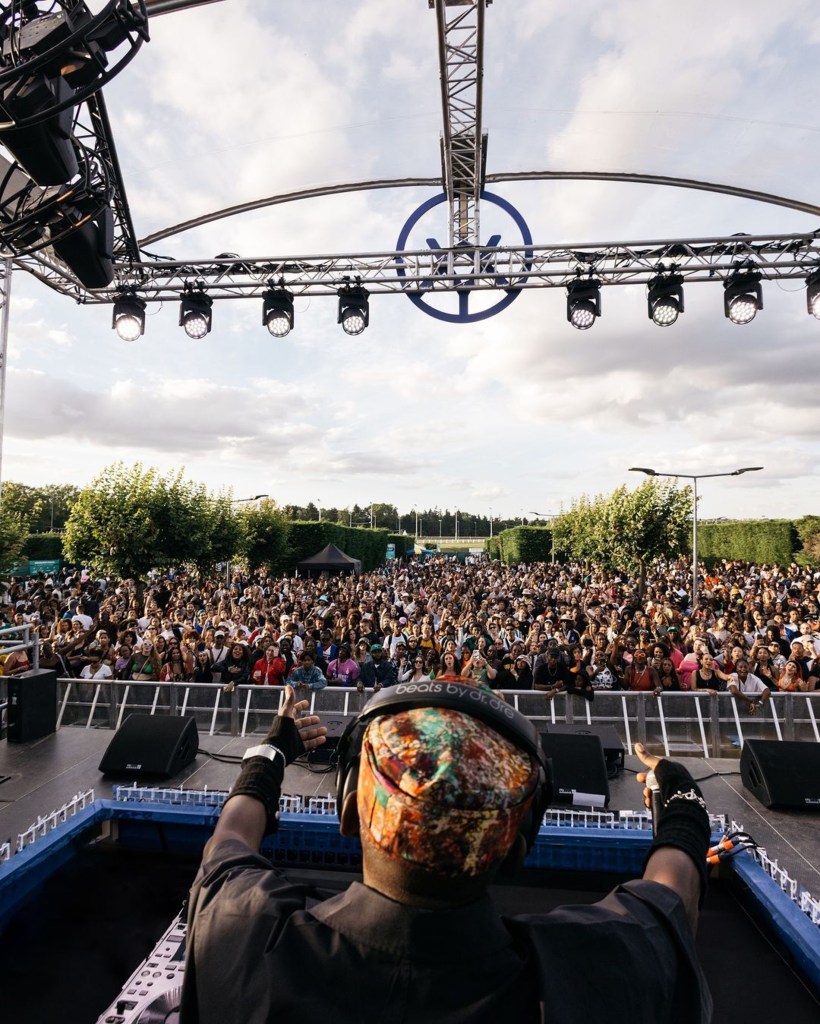
Festival slots are the fourth leg. Coachella, Wireless, Roskilde, Glastonbury, Rolling Loud and the genre-specific Afro Nation each pay flat fees rather than ticket splits. The artist is essentially a contractor, hired to perform a 45 to 90-minute set. Agents describe headline and sub-headline festival fees for Afrobeats acts as landing somewhere between the low six figures and the low seven figures in dollars, depending on the festival’s budget, the slot’s billing position and how recently the artist has played that market. Burna Boy’s progression from a 2019 afternoon Coachella slot to a 2023 sub-headline placement is the clearest case study of how festival positioning translates into fee growth.

The Ticket Split Stack
How Afrobeats Tours Are Structured - The Ticket Split Stack

Once a venue is booked, the next question is who gets what when a ticket sells. There is no single answer. The structure depends on whether the deal is a flat guarantee, a door deal, or the hybrid that has become the genre’s default: guarantee against a percentage.

Flat Guarantee

The simplest deal. The promoter pays the artist a fixed fee regardless of how many tickets sell. The promoter then keeps every dollar of ticket revenue after expenses. This deal favors the promoter when shows sell out and the artist when they do not. For new Afrobeats acts breaking the US market, flat guarantees somewhere in the five figures per show were the norm through the genre’s first crossover wave. Top-tier acts rarely accept flat deals now because the upside cap leaves money on the table.

Pure Door Deal

The promoter takes a fixed cut, usually 15 to 25 percent, and the artist keeps the rest after venue rental and production. Door deals reward artists who can sell out a room but punish anyone who cannot. They are common in mid-tier markets where the artist team has confidence in the draw and wants to capture the upside.

Guarantee Plus Door

The dominant structure for A-list Afrobeats touring. The artist is paid a guaranteed minimum, then receives a percentage of net ticket revenue above a defined break-even point. Guarantees reported for stadium-level Afrobeats acts are described in a band running from the low six figures to the low seven figures per show, with the artist typically taking the large majority of net above break-even. The promoter takes the risk on the guarantee in exchange for taking the larger share of upside below break-even.

The International-to-Local Split

When the booking goes international, a second split layer enters. The lead promoter, often a Live Nation or AEG arm, contracts a local promoter in each market who handles ground-level marketing, venue logistics and street-level ticket sales. The split between international lead and local sub-promoter typically runs 60/40 to 70/30 in favor of the international party. Mainspring, Flytime and a handful of UK-based Afrobeats specialists have built businesses on being the trusted local for the major US and UK chains.

What Eats the Gross

A sold-out night looks like a windfall on the surface. The bank deposit is always smaller than the gate, and the gap between the two is the part of touring nobody posts about. Tour accountants describe the load in roughly the terms below. None of it is published, all of it moves with the routing, and a single badly negotiated facility fee can swallow the margin on an entire leg.

Cost line Typical load described by tour accountants
Venue rental 10 to 20 percent of gross, plus per-head facility fees
Production, arena scale $50,000 to $200,000 per show
Production, stadium scale $500,000 and upward per night
Band and backing vocalists $5,000 to $30,000 per show
Travel and per diem $5,000 to $20,000 per show
Insurance 1 to 3 percent of tour gross
Promoter cut on door deals 15 to 25 percent
Indicative ranges described by promoters and tour accountants, not published rates.

Venue Rental

The room is rented either as a flat fee or as a slice of gross ticket sales. Stadiums and arenas often layer in a per-head facility fee that the box office collects before the artist sees a cent. London’s O2 and New York’s Madison Square Garden both apply such fees, and they are not negotiable for any but the very largest acts.

Production

Sound, lights, video walls, risers, trucking, crew labor and rehearsal time live here. The fixed nature of these costs is why short tours are riskier than long ones. The same lighting truss costs the same to load whether it plays 5 dates or 35.

Band and Backing Vocalists

An eight to twelve-piece live band is now standard for A-list Afrobeats touring. Davido’s, Burna Boy’s and Wizkid’s shows all carry full horn sections, multiple percussionists and backing vocalists. Fees move with lineup size and the tier of musicians hired. On longer routings, weekly retainers replace per-show fees entirely, and senior players are typically carried on a low four-figure weekly plus per diem so the band stays intact between legs rather than being rebuilt city by city.

Ad SpaceIn-Article - 300x250
Advertisement

Travel and Per Diem

Flights, hotels, ground transport and daily cash allowances for the touring party. A standard Afrobeats touring crew runs 20 to 40 people including band, dancers, wardrobe, security, tour manager, production manager, monitor engineer, FOH engineer, lighting director and management. The per-show travel and per diem load climbs sharply on intercontinental routings, which is why routing efficiency matters more to a tour’s margin than almost any other decision.

Insurance

Cancellation insurance, public liability and equipment insurance are billed together against tour gross. Premiums spiked after the Astroworld tragedy in 2021 and have not fully come down, particularly for festival and stadium plays where crowd risk underwriting is more aggressive.

Promoter Margin on Door Deals

When the deal is structured as a door split, the promoter’s cut comes off the top of the artist’s notional share, not the gross. This catches new tour managers off guard regularly.

Profit Margins

After all that, what does the artist actually keep? Tour accountants describe net margins on a well-run Afrobeats world tour as landing somewhere between 15 and 30 percent of gross ticket revenue. Applied to a tour grossing in the tens of millions of dollars, that leaves the artist a figure in the low-to-mid single-digit millions once every expense clears, with the variance driven by production ambition, routing efficiency and how much of the deal stack was guarantee versus door.

The 30 percent ceiling rises when an artist can run their own production company and capture margin internally, or when they own equity in the touring entity rather than working for a fee. Burna Boy’s Spaceship Entertainment and Davido’s DMW each function partly as production companies for exactly this reason. The 15 percent floor is what happens when a tour over-produces, under-routes or signs guarantees that the box office cannot validate.

Merchandise: The Quiet Profit Center

Tour merchandise is accounted separately from ticket gross and often returns higher margins. A successful Afrobeats tour is generally described as generating merch revenue worth something like a tenth to a quarter of ticket gross, on cost of goods that sits well under a third of retail. At that ratio, merchandise on a large tour is the difference between a good year and an extraordinary one, because the margin per unit dwarfs the margin per ticket. The venue takes a cut here too. Merch hall rates are typically quoted at a quarter to a third of gross sales, higher again in union venues, and the artists who negotiate that number down early are the ones who end the tour with a merchandise business rather than a merchandise line item. Artists who own their own brand operations, like Wizkid’s Starboy line, structure merch through their own e-commerce so tour pop-ups feed the year-round direct-to-consumer business.

The Routing Calendar

A serious Afrobeats world tour is planned six months in advance at minimum, more commonly nine to twelve. The booking agent at WME, CAA or UTA submits route requests to venue calendars, holds dates on speculation, then converts the strongest holds to firm bookings once the production budget and marketing plan lock.

Long Routing Versus Tight Legs

The pace varies. Some artists model their tours after Western pop acts, stretching 80 to 180 shows across 18 months. Others, including most of the genre’s top tier, prefer a tighter 35 to 60-date world tour structured as discrete legs: a 25-date North America run, a 15-date European leg, an 8-date Africa swing, plus festival drop-ins. Asake’s Lungu Boy World Tour in 2024 followed the tighter model, hitting key diaspora cities without overextending production.

Diaspora Routing

The standard Afrobeats tour map follows the diaspora. Atlanta, Houston, Dallas, New York, Los Angeles, Toronto, London, Manchester and Paris are the non-negotiables. From there, routing extends into Birmingham, Amsterdam, Stockholm, Berlin and the Nordic festival circuit. Off-cycle South America and Asia routings have started appearing more often, with São Paulo, Tokyo and Jakarta becoming meaningful stops for the genre’s largest acts.

The All-Star Bundle

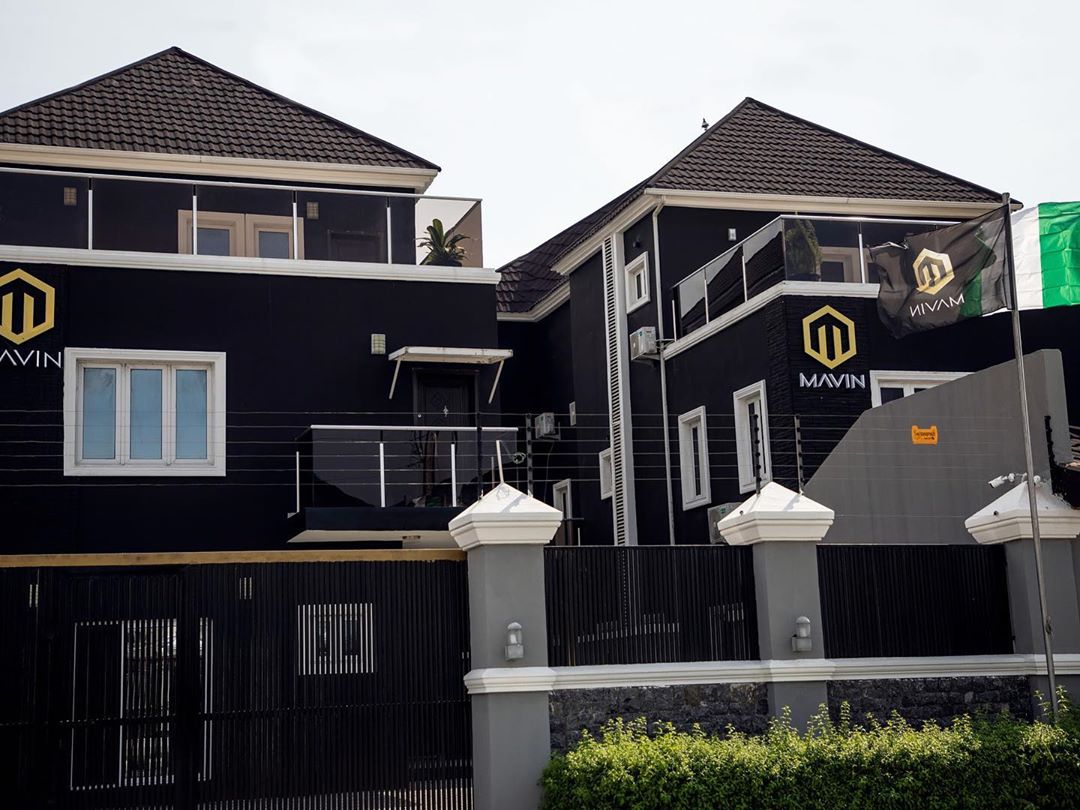
A variant worth noting is the multi-artist label package, exemplified by the Mavin Allstars tour bundling. Rema, Ayra Starr, Magixx, Bayanni and the rest of the Mavin roster routed together carry a single production rig, share band and crew costs, and deliver a longer show. The economics improve because the fixed cost base is spread across multiple artist draws. The model works because Mavin owns the deal and can dictate the rotation.

The Asake Three-Night Case Study

Few recent runs illustrate the upside of the model better than Asake’s multi-night O2 Arena run in 2023. The O2 holds roughly 20,000 in full concert configuration, so a run of consecutive sold-out nights clears tens of thousands of paid tickets in a single market without the artist moving a single truck between cities. Even at conservative average ticket pricing, the gross for the London leg alone ran into the millions of pounds. The local promoter, the venue, the production company, the support acts, the merchandise vendor and the agency all took their slice out of that figure before anything reached the artist’s column. What landed there was still a career-defining number, and it was earned in one city across one weekend rather than across a month of hotel rooms.

That run also showed why the multi-night same-venue strategy has become a preferred structure for Afrobeats acts. Three nights at the O2 cost less in production load-in than three nights in three different cities, generates a single concentrated marketing burst, and delivers a media moment that a one-off cannot.

Sponsorship and the Off-Stage Revenue Layer

Brand partnerships now wrap around the touring infrastructure. Telecoms, spirits brands, betting platforms and streaming services pay for stage backdrops, VIP experiences, content capture rights and presenting sponsorships. Agents describe a presenting sponsor on an Afrobeats arena tour as paying somewhere between the mid six figures and the low seven figures for a full cycle, with the number keyed to how much content capture and brand integration the artist will tolerate. VIP packages layer another stream on top. Meet-and-greets, premium seating and pre-show hospitality are priced in the hundreds of dollars per head, and on a night where a four-figure block of those tickets clears, the premium tier alone can return a six-figure sum at a margin no general admission ticket comes close to.

Where the Real Edge Lives

The artists who clear the strongest margins are not necessarily the ones with the highest guarantees. They are the ones who control the most stages of the stack: own the production company, own the merchandise brand, sit on equity in the festival they headline, take payment in points rather than fees on the streaming side. Burna Boy, Davido, Wizkid and a handful of others have been quietly building this stack for half a decade. Each new tour cycle compounds the next.

Standing in the corridor underneath the O2 on the night of an Afrobeats sellout, the noise from the floor is one thing. The clipboards and laptops in the production office are another. Settlement happens after the show, line by line. The promoter’s accountant and the tour manager work through the box office count, the venue’s facility-fee deduction, the merch report, the union labor hours, the catering invoice, and the credit card processing fees. By the time the artist’s car leaves the loading dock, every number has been agreed, every signature collected, and the wire instructions for the next morning are already in motion.

Ad SpaceIn-Article - 300x250
Advertisement
Share
Get the recap

Loved this story? Get more like it.

Join readers who get our weekly entertainment recap - the stories worth your time, delivered every Friday.

No spam. Unsubscribe anytime. By signing up you agree to our Privacy Policy.