
How Afrobeats Artists Make Money From Samples and Music Licensing
Afrobeats

How Afrobeats Artists Make Money From Samples and Music Licensing

Jalen RossJalen Ross··13 min read
Ad SpaceArticle Top - 728x90
Advertisement

Every time a Burna Boy song plays under a fight scene on HBO, a check gets cut. Every time someone in Atlanta uploads a TikTok using the “Last Last” hook, a fraction of a cent moves through three different rights organizations before landing in a publishing account in Lagos. The money is real, the money is large, and for most of the last decade Nigerian artists were not collecting it.

That has changed. Slowly, awkwardly, with mistakes made on both sides of the Atlantic, the Afrobeats business has woken up to publishing. And publishing, not master royalties, is where the long money lives.

The Four Types of Music Licensing That Pay Out
How Afrobeats Artists Make Money - The Four Types of Music Licensing That Pay Out

Before getting into who is making what, it helps to map the field. Music licensing is not one thing. It is four overlapping markets, and each one has its own price list.

Sync licensing covers film, television, video games, trailers, and any other visual content. The fee is paid once, up front, and split between the master owner, meaning the label or the artist, and the publishing owner, meaning the songwriter and publisher. What that fee looks like depends almost entirely on the size of the buyer and how central the song is to the scene. Music supervisors and licensing agents describe the tiers roughly as follows, and every one of them is a negotiating range rather than a fixed price.

Placement type Fee range described by supervisors and agents
Nigerian indie film $500 to $5,000
Streaming original series $5,000 to $50,000 per placement
Hollywood feature $20,000 to $200,000
Hero moment or campaign trailer Six figures and upward
Major brand campaign $50,000 to $500,000
Indicative ranges described by music supervisors and licensing agents, not published rate cards.

Sample licensing covers what happens when one song uses a recognisable portion of another. Two separate permissions are required, one from the owner of the master recording and one from the owner of the composition, and either party can refuse for any reason or no reason at all. Clearance negotiated before release is a commercial conversation. Clearance negotiated after a record has already broken is something closer to a hostage negotiation, and the default outcome for an artist who sampled without permission and got caught is a fifty-fifty publishing split. Sometimes considerably worse than that.

Interpolation is the cousin of sampling. Instead of using the actual recording, the new artist re-records the melody or lyric. The master clearance vanishes, but the publishing claim does not. Interpolation has become the favored workaround for producers who cannot get a master clearance approved.

Commercial licensing is the brand world. Pepsi, Coca-Cola, Nike, Apple, Samsung. A major global campaign sits at the top of the table above, and the reason those fees run so far ahead of a television placement is that the brand is buying exclusivity as much as music. A song locked into a sportswear campaign for eighteen months cannot appear in a competitor’s advert, cannot soundtrack a rival’s launch, and often cannot be licensed for anything else in the same category anywhere in the world. Tier-two brands and regional campaigns pay considerably less but move in volume, and for a working Afrobeats catalogue the steady drip of regional brand work frequently outperforms the one prestige placement everybody talks about.

Why Publishing Matters More Than Masters
How Afrobeats Artists Make Money - Why Publishing Matters More Than Masters

There is a Nigerian shorthand repeated at every label panel. “The master is the engine. The publishing is the building.” A bent metaphor, but the math is sound.

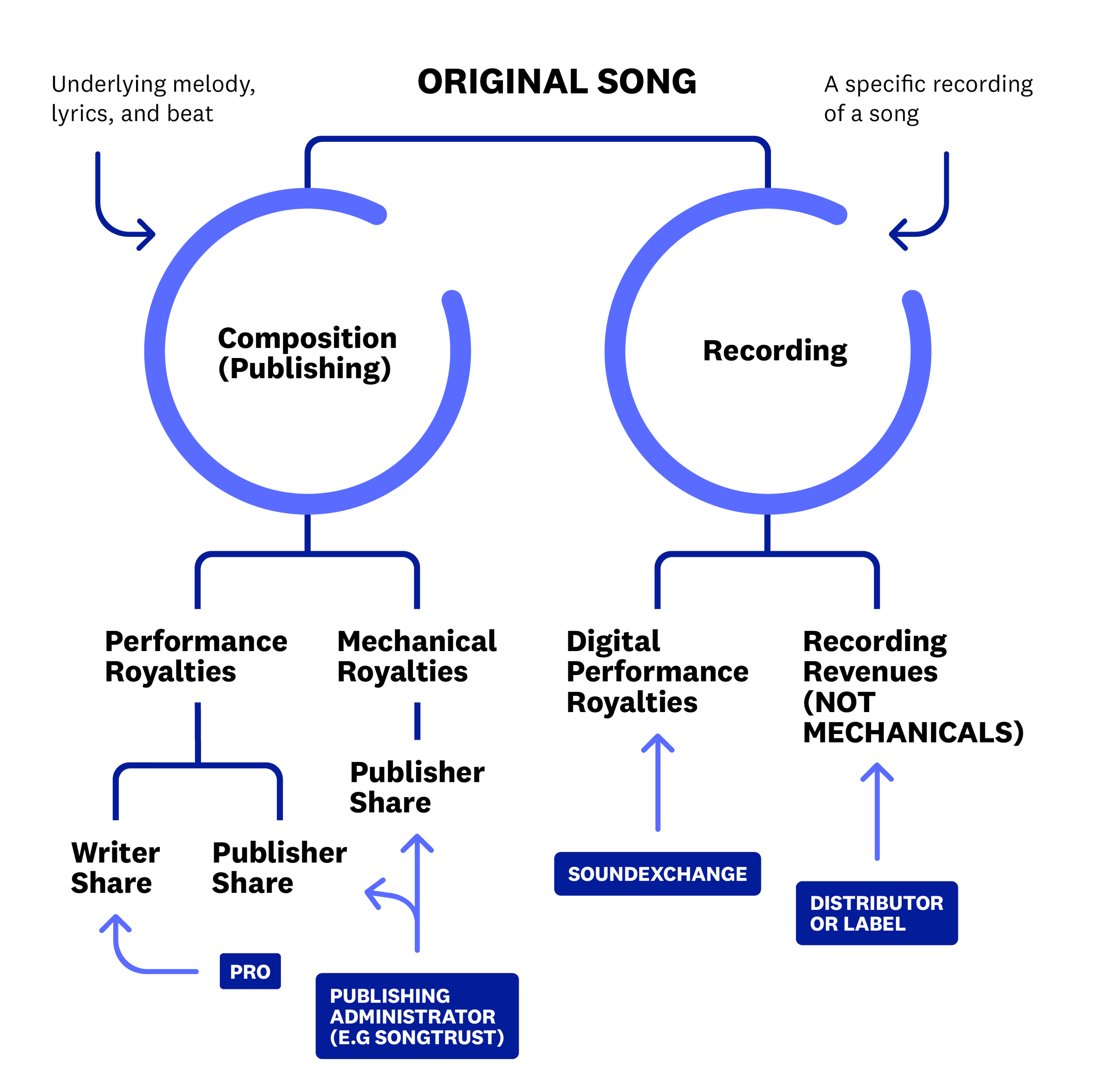
A master royalty pays every time the recording is played. Streams, radio, sync placements, retail. A publishing royalty pays every time the underlying composition is used in any form. That means covers, samples, interpolations, live performances at venues, karaoke, music boxes, and the same streams and sync placements that pay the master.

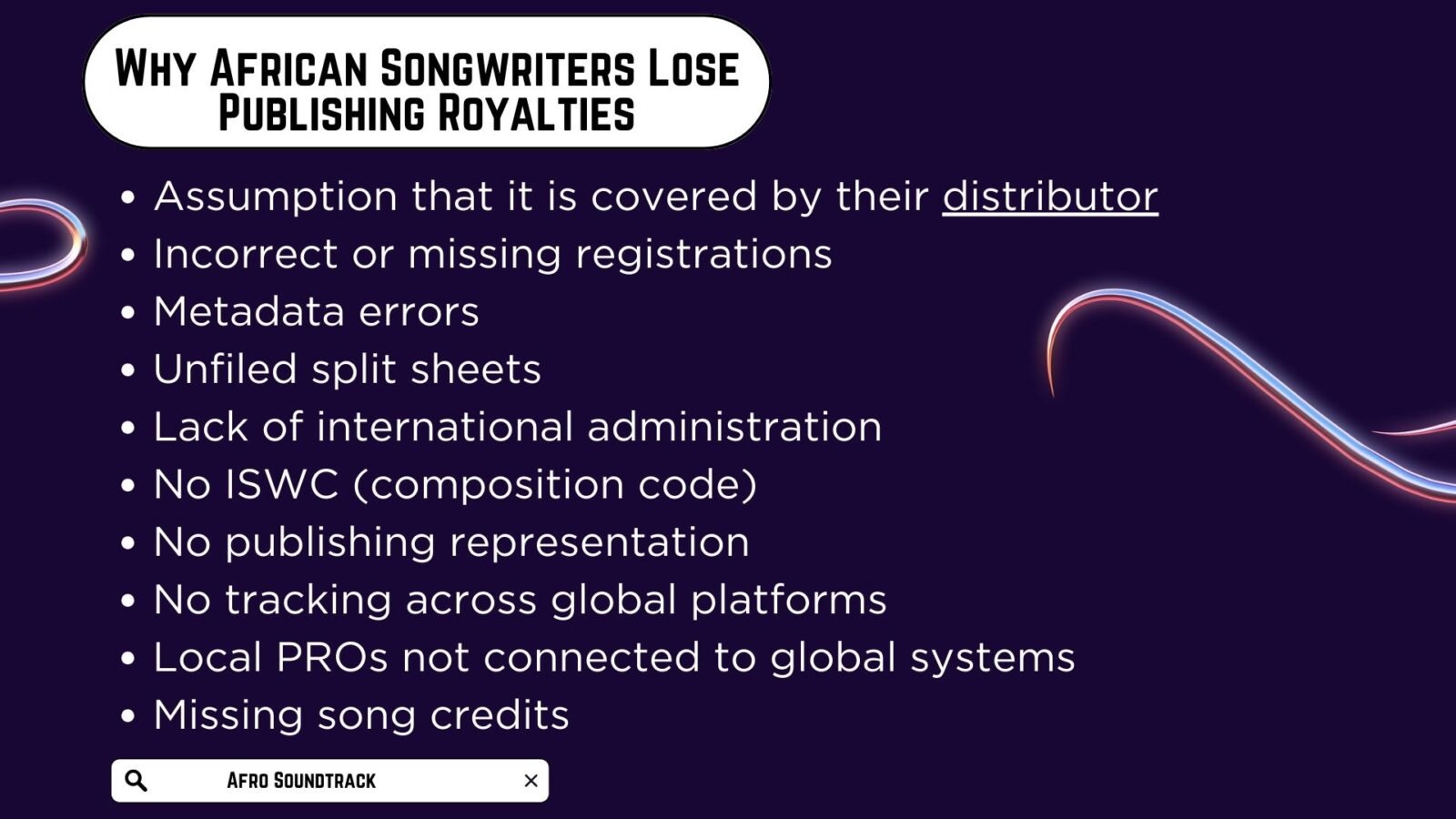
For a long stretch, Nigerian artists signed master deals that left their publishing on the table. Either it was undefined in the contract, or it was bundled to the label without administration, or it was assigned to a local entity with no infrastructure to collect outside Nigeria. The money was generated. It was just never claimed.

That is the leak the new generation of deals is trying to close, and closing it is unglamorous work. It means registering every song in every territory, chasing collection societies that have no commercial reason to hurry, and reclaiming income that was often absorbed years ago into pools redistributed to better-administered catalogues. There is no press release for any of it. There is only the difference between a catalogue that pays for the rest of a career and one that quietly stops paying the moment the artist stops charting.

The Burna Boy Lesson: “Last Last” and the Toni Braxton Split
How Afrobeats Artists Make Money - The Burna Boy Lesson:

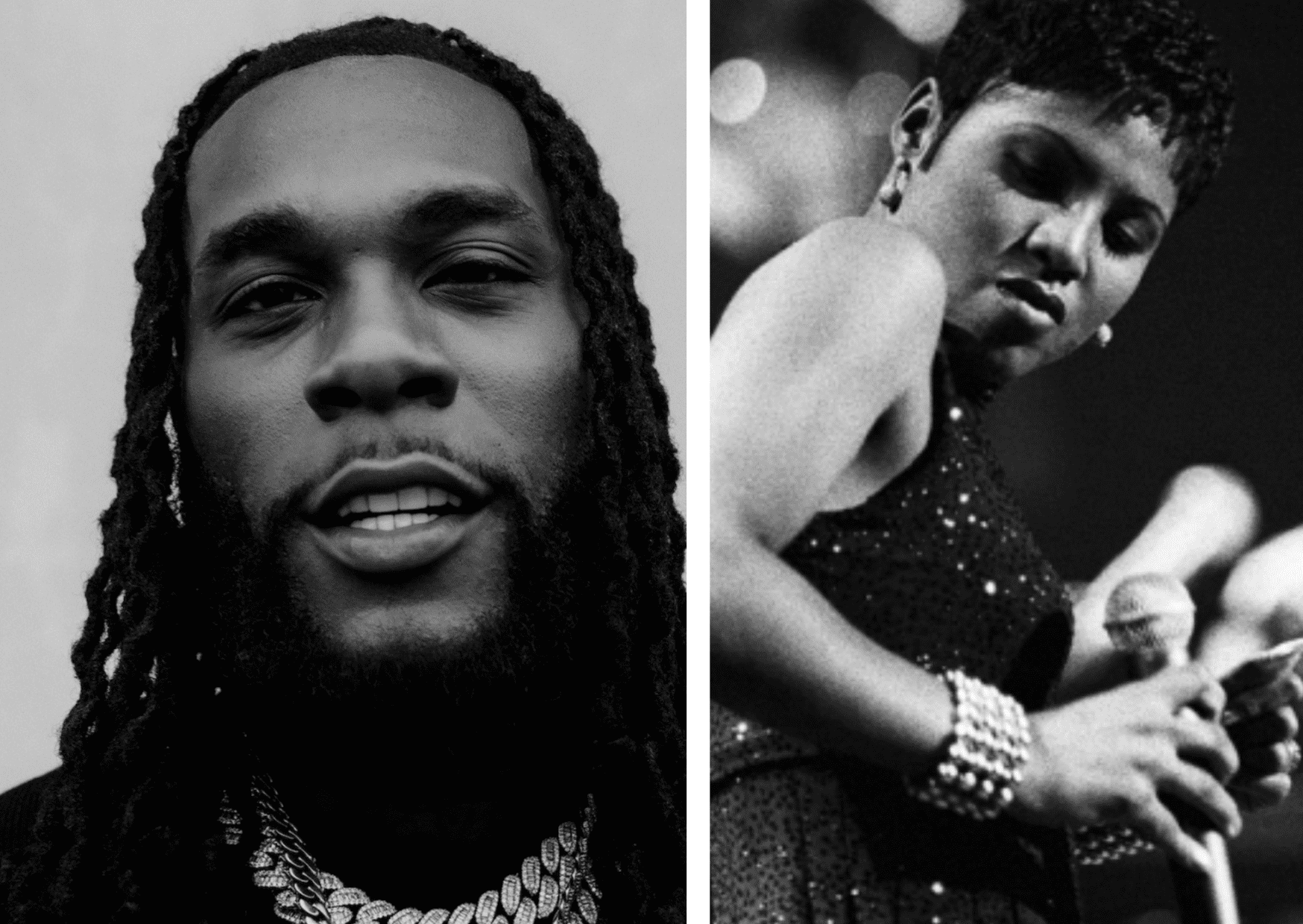
“Last Last” sampled Toni Braxton’s “He Wasn’t Man Enough.” Specifically, the chorus melody and a recognizable vocal line. Burna Boy’s team cleared the sample, which means Braxton and her co-writers, along with the original publisher, take a publishing slice every time “Last Last” generates a royalty.

The exact percentage has never been made public, and it will not be. What publishers and clearance lawyers describe for a clean, pre-release clearance of a recognisable vocal hook is a slice somewhere between a quarter and a half of the new song’s publishing. On a track that has streamed into the billions and pulled sync placements of its own, a slice of that size is not a rounding error. It is a property portfolio, paid quarterly, for as long as the song keeps being played.

The lesson is not “do not sample.” The lesson is that when you clear a sample, you are bringing a second writing team into your royalty pool for the life of the song. That is fine when the math works. It is a disaster when it does not.

What Happens When Clearance Goes Wrong
How Afrobeats Artists Make Money - What Happens When Clearance Goes Wrong

The doomsday version of a sample dispute is the 100% publishing forfeit. A new artist samples without permission, the song breaks, the original rights holders find out, and the clearance is negotiated under duress. In the most punitive settlements, the new song loses its entire publishing claim. The new artist keeps the master royalty, but the song they wrote, technically, belongs to someone else for the rest of its commercial life.

That is the worst case. The middle case, the 50/50 publishing split, is what most uncleared samples end up at when the issue is handled before litigation. The best case is what Burna Boy’s team did. Clear it first, and keep the lion’s share.

The Songwriter Credit Game
How Afrobeats Artists Make Money - The Songwriter Credit Game

The other half of the publishing conversation is co-writing. When a Nigerian artist contributes to an international record, their publishing claim travels with them, assuming someone in the room is keeping a split sheet.

The split sheet is a document, often a single page, that lists every contributor to a song and their agreed percentage. It gets signed at the end of the writing session, before anyone leaves the studio. Without it, the song’s publishing is undefined until someone proves their contribution, which usually means a lawyer, which usually means a smaller piece than the writer would have gotten with a signed page.

Tems is the best modern example at the top of the market. Her co-write on Beyoncé’s “Move” gives her an ongoing publishing share. Her songwriter credit on “Wait for U” with Future and Drake, a song that hit number one on the Billboard Hot 100, generates publishing royalties that arrive quarterly through her administrator. The Disney placement of “Lift Me Up” from “Black Panther: Wakanda Forever” added a sync payment up front and a performance royalty stream every time the film is broadcast.

Rema’s “Calm Down” remix with Selena Gomez followed the same logic. The original song was his. The remix added Gomez’s vocals and required a publishing share for her writing team. A more complicated split sheet, wider commercial reach, and the publishing money flows accordingly.

CKay’s “Love Nwantiti” carries a different lesson. Joeboy co-wrote the chorus, the part that drove its global breakthrough. The credit took time to surface publicly, but the publishing math, once formalized, gave Joeboy a meaningful claim on one of the most-streamed African songs of the last five years.

The PRO Problem and the COSON Workaround
How Afrobeats Artists Make Money - The PRO Problem and the COSON Workaround

A performance rights organization, or PRO, collects performance royalties on behalf of songwriters. When a song plays on the radio in London, at a stadium in Berlin, at a coffee shop in Brooklyn, the venue or broadcaster pays a licensing fee to a PRO, and the PRO distributes those fees to the writers.

ASCAP and BMI cover the United States. PRS for Music covers the United Kingdom. GEMA covers Germany. SACEM covers France. Almost every country has one or two, and they hold reciprocal agreements with each other, which is the mechanism that lets a writer registered in one territory collect from a broadcast in another. The system is slow, it is bureaucratic, and it distributes on a quarterly lag that can stretch to a year for international income. It also works, which is more than can be said for the alternative most Nigerian writers had until recently.

Nigeria has COSON, the Copyright Society of Nigeria, and the consensus among working artists and their publishing administrators is that COSON does not function as a reliable collection society. Lawsuits, governance disputes, and a thin distribution record have left it unable to collect meaningfully even within Nigeria, let alone reciprocally with international PROs.
Ad SpaceIn-Article - 300x250
Advertisement

The workaround is direct registration with an international PRO. A Nigerian songwriter signs up with ASCAP or PRS, registers their catalog, and collects performance royalties from every territory where that PRO has a reciprocal agreement. Which is almost everywhere except Nigeria itself.

The result is the strange but functional reality of a Lagos songwriter collecting performance royalties from a venue in Manchester through a London PRO, while the same song playing in a club on Allen Avenue generates nothing.

The Three Royalty Streams Every Working Artist Should Track

Mechanical royalties are paid per reproduction of a song. In the streaming era, mechanicals are paid by the DSPs (Spotify, Apple Music, YouTube Music) to publishers, who pass them on to the songwriters. The rate is set by statute in the US and by negotiation elsewhere. Small per stream, large at scale.

Performance royalties are paid when a song is performed publicly. Radio, TV broadcast, live venue, in-store music, gym playlists, restaurant background music. PROs collect these and distribute quarterly.

Sync royalties are paid up front for the placement, and performance royalties continue to flow every time the film, show, or commercial airs. A single Netflix sync placement keeps generating performance checks for as long as the show is available.

The streaming mechanical royalty pool is also where the “ghost track” pays out. When a sample is cleared into a new song, the original song’s rights holders receive a per-stream mechanical even though no one is technically streaming the original. The math runs in the background of every DSP report, and for catalog owners with frequently sampled songs, the ghost track line item can be larger than the song’s own active streaming income.

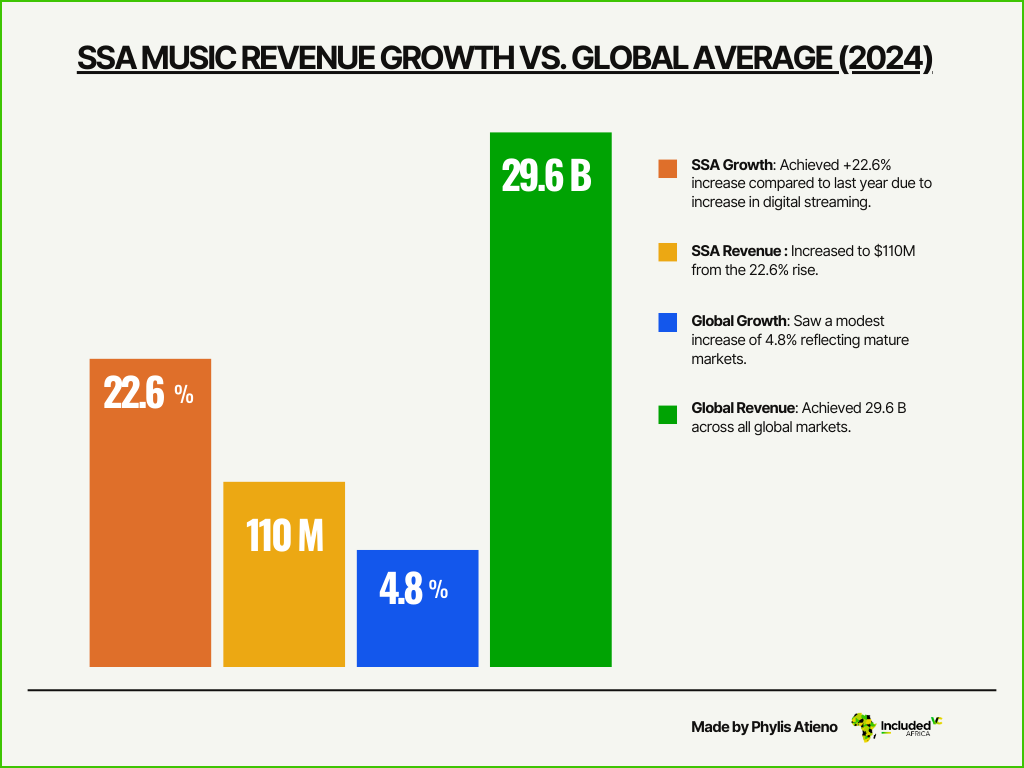
TikTok’s licensing model works on a different principle. The platform pays lump-sum royalty pools to copyright owners, calculated by usage metrics and renegotiated periodically. For songwriters whose work goes viral in a TikTok trend, the per-use rate is low but the volume is enormous, and the payout, when it arrives months later, is real.

The Publishing Administrator: The Unsexy Role That Saves Catalogs

A publishing administrator registers a songwriter’s catalog with every relevant PRO and DSP worldwide, collects the royalties, and remits them to the writer minus a fee generally quoted somewhere between 10% and 25%, with the rate falling as the catalogue gets bigger. The global majors in this space are Warner Chappell Music, Concord, Universal Music Publishing Group, and Sony Music Publishing. There are also independent administrators like Kobalt, Songtrust, and Downtown.

For most of the last decade, Nigerian songwriters did not have publishing administrators. Their songs were generating mechanical royalties on Spotify in Sweden, performance royalties on radio in Brazil, sync royalties on TV in Australia, and the money was sitting in collection society accounts unclaimed, eventually absorbed into the “black box” that gets redistributed to better-administered catalogs.

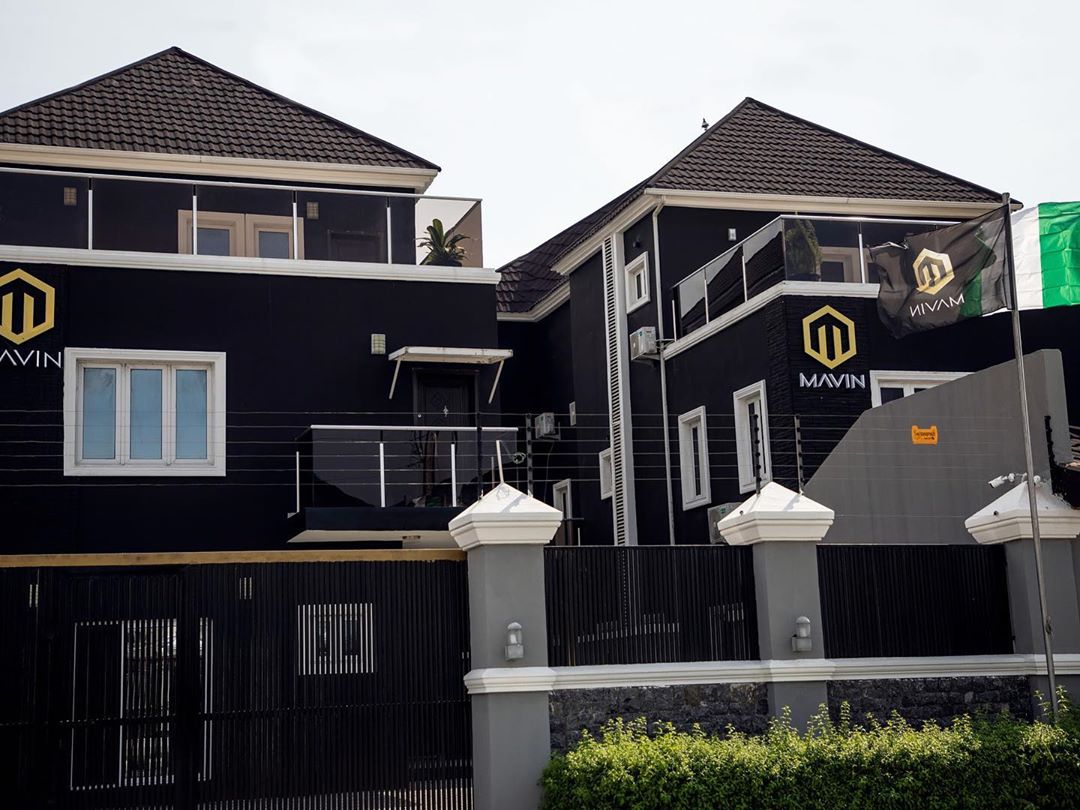
The Mavin and Universal Music Group deal that closed in 2024 explicitly included publishing administration as a deliverable. That detail got less coverage than the headline acquisition number, but inside the business it was the more important provision. It meant Rema, Ayra Starr, Crayon, Magixx, Boy Spyce, and the rest of the roster suddenly had their publishing administered by a company that knew how to collect from every territory on earth.

Other Nigerian artists have signed direct deals with Kobalt, Concord, Warner Chappell, Sony. The deals are not glamorous. They do not generate press releases. They are the reason a song released years ago can suddenly start paying a meaningful royalty today.

The Split Sheet Tradition and the Songwriter Retreat

The split sheet is the daily ritual. The songwriter retreat is the strategic one. Between them they represent the whole of publishing discipline, which is less about talent than about administration: who was in the room, what they contributed, and whether anybody wrote it down before the session broke up and everyone went home at four in the morning.

A retreat is a multi-day session where producers, topliners, and recording artists are brought to one location and put in rotating rooms to write. The output is a stack of demos, each tagged with a signed split sheet, ready to be pitched.

The tradition started in pop and country songwriting in the United States and the UK and has migrated to Afrobeats over the last three or four years. Camps run by Mavin, Native Sound, and various independent producers happen multiple times a year. The point is volume and clean paperwork. A producer who writes on twelve songs in a five-day camp, with a signed split sheet on every one, has built more publishing equity than a producer who spends a year on one album.

The “30/70” Split and How Publishing Splits Actually Work

Publishing income on a song is conventionally divided in two halves. The writer’s share, 50%, and the publisher’s share, the other 50%. When a songwriter has a publishing deal, they assign the publisher’s share to their publishing company, who collects it and either keeps it or distributes a portion back.

The “30/70” split, quoted often in Lagos publishing conversations, refers to a deal where the writer keeps 70% of total publishing income and the publisher takes 30%. The split is favorable to the writer because the publisher’s role here is administration, not creative development. A publisher offering full creative services, including pitching the song for sync, taking it to other artists, and providing advances, typically takes a larger share.

The administration-only deal, sometimes called an admin deal, has become the standard entry-level publishing arrangement for a working Afrobeats writer, because it solves the collection problem without asking the writer to hand over creative control they are not ready to give up.

Sync, Grammys, and the Compounding Effect

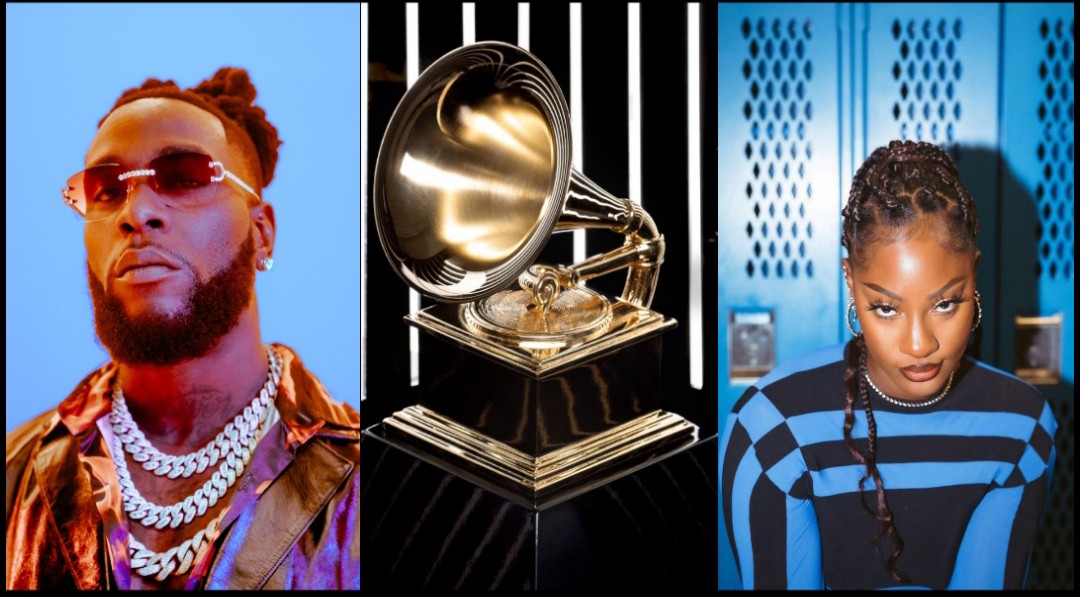
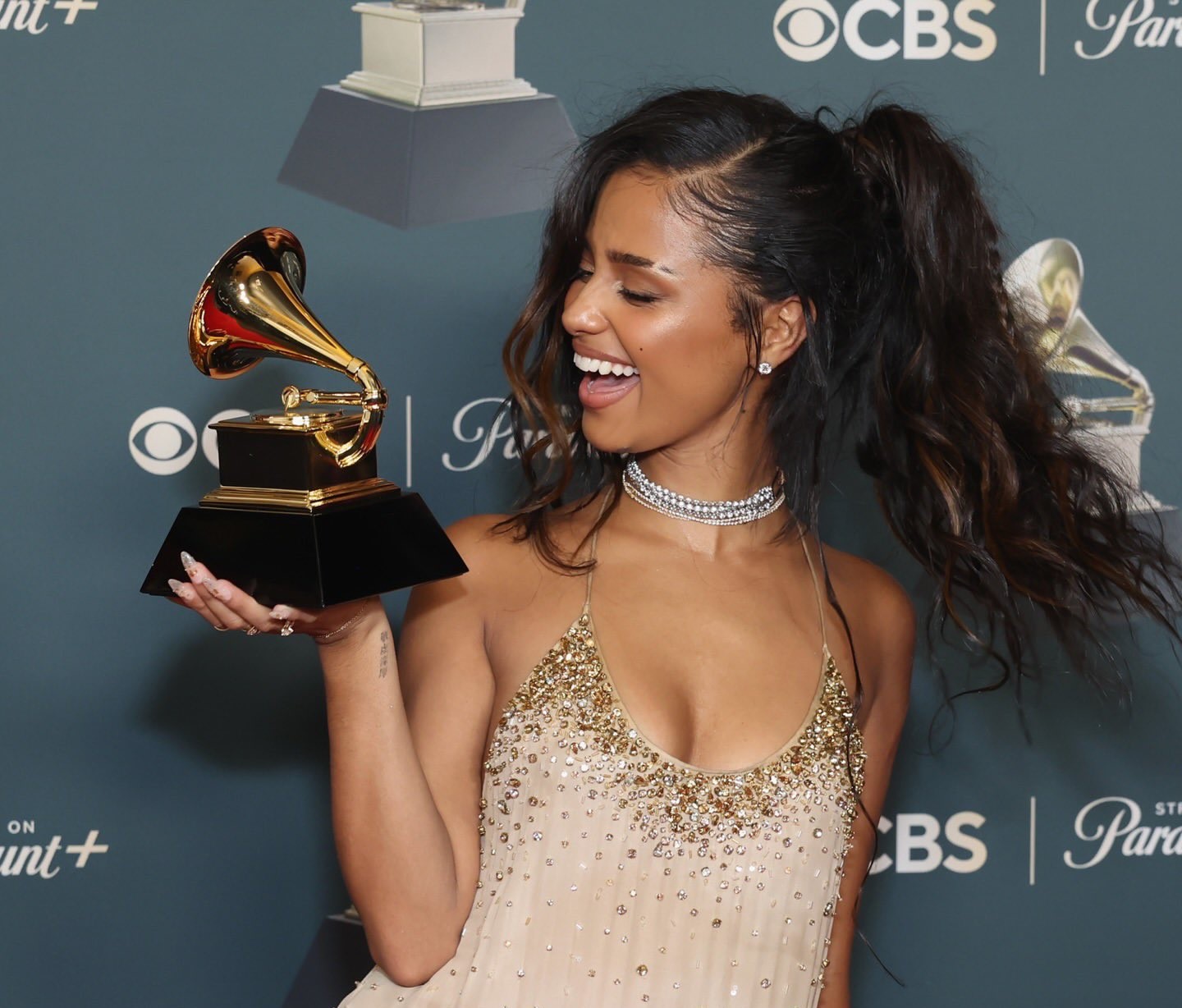
The Grammy for Best African Music Performance was first awarded at the 2024 ceremony. It went to Tyla for “Water.” The next year it went to Tems for “Love Me JeJe.”

A Grammy on a song does several things at once for its publishing value. It raises the song’s profile with music supervisors, the people responsible for sourcing music for film, television, advertising, and games. It increases the licensing fee any future sync placement can command. And it triggers a wave of catalog discovery, where supervisors and ad agencies start digging through the artist’s prior work looking for the next placement.

Burna Boy’s catalog has placed in HBO shows and Apple TV+ originals. Davido has appeared in NFL game broadcasts and ad spots. Asake’s music has surfaced in Netflix series scoring. The pattern is consistent. Once a Nigerian artist establishes sync viability through one well-placed song, the catalog opens up for additional placements, and the publishing administrator on the back end is the one cashing the checks.

What This Looks Like on a Royalty Statement

A quarterly royalty statement from a publishing administrator, for a working Afrobeats songwriter with one moderately successful song and a co-write on a bigger one, will typically carry line items for:

  • Spotify mechanicals across roughly 80 territories
  • Apple Music mechanicals across a similar territorial spread
  • YouTube Content ID income from user-uploaded videos using the song
  • TikTok lump-sum allocation for the relevant quarter
  • ASCAP or BMI domestic performance royalties
  • PRS, GEMA, SACEM, and a dozen other international PRO distributions
  • A line item for each sync placement that aired during the quarter
  • Cover and interpolation income from other artists’ versions
  • The “ghost track” mechanical from any cleared sample uses of the song

The statement runs to twenty or thirty pages for a midlevel catalog. It runs to hundreds of pages for a Tems or a Burna Boy.

That statement is the document the Afrobeats business spent a decade not receiving. On a Tuesday in Lekki, a songwriter opens her Kobalt portal on a laptop balanced on a kitchen counter and scrolls through a quarterly disbursement broken down by country, by platform, by song, by use. A Lagos rooftop studio session from 2022 shows up as a line item from a German PRO. A two-bar interpolation she sang into a producer’s voice memo three years ago is paying its own ghost-track mechanical from Sweden.

The portal is open. The statements are arriving. The receipts are getting collected.

Ad SpaceIn-Article - 300x250
Advertisement
Share
Get the recap

Loved this story? Get more like it.

Join readers who get our weekly entertainment recap - the stories worth your time, delivered every Friday.

No spam. Unsubscribe anytime. By signing up you agree to our Privacy Policy.

How Afrobeats Artists Make Money... | Sidomex Entertainment