
Table of Contents
- A Fashion Statement That Commands Attention
- The Cultural Significance of Bùbá and Modern Styling
- How Owambe Fashion Has Evolved in the Digital Age
- Celebrity Influence on Traditional Nigerian Fashion
- Breaking Down the Look for Fashion Inspiration
- Hilda Baci’s Growing Fashion Legacy
A Fashion Statement That Commands Attention
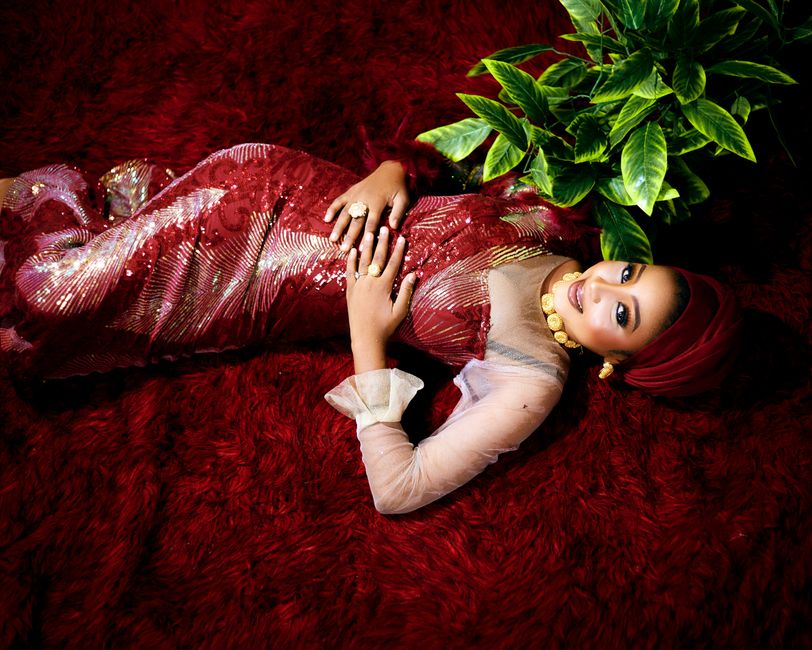
Hilda Baci continues to prove that her talents extend far beyond the kitchen, serving up serious style inspiration with her latest fashion moment that has social media buzzing. The Guinness World Record-holding chef recently stepped out in a show-stopping candy-pink ensemble that perfectly demonstrates how traditional Nigerian attire can be modernized without losing its cultural essence. Her monochromatic look, featuring a classic bùbá paired with an aso-oke mini skirt, represents the kind of bold fashion choice that sets trends and inspires countless recreations across social media platforms. The outfit’s impact goes beyond mere aesthetics, showcasing how contemporary Nigerian women are reimagining traditional dress codes for modern celebrations.
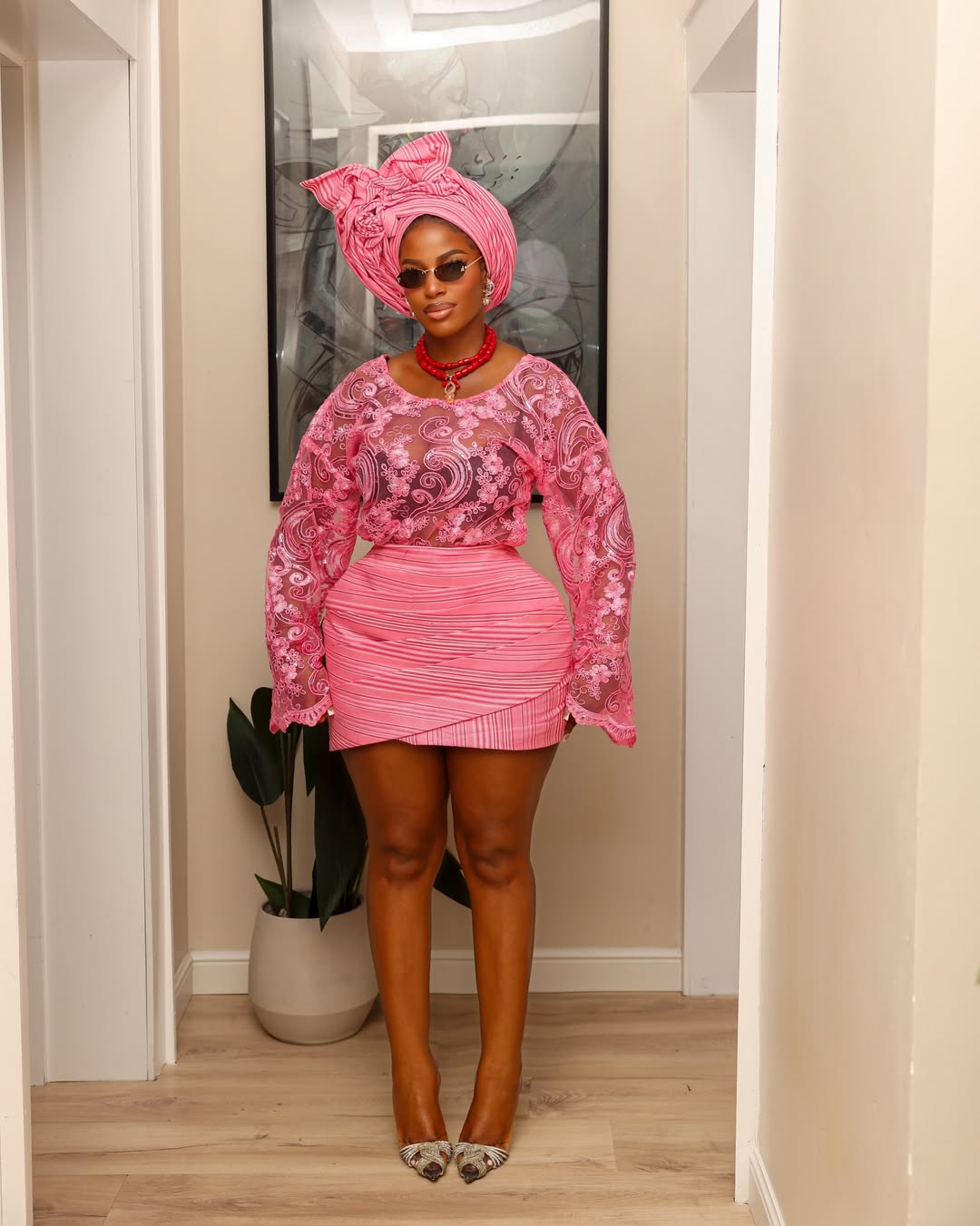
The carefully curated ensemble demonstrates Baci’s keen understanding of fashion balance and cultural appreciation. Every element of her look, from the matching gele headwrap to the layered coral beads and retro oval sunglasses, works in harmony to create a cohesive statement that feels both timeless and thoroughly modern. This particular styling choice reflects a growing trend among young Nigerian celebrities who are finding innovative ways to honor their heritage while making bold personal style statements. The look has quickly become a reference point for fashion enthusiasts seeking to blend traditional elements with contemporary silhouettes.
The Cultural Significance of Bùbá and Modern Styling

The bùbá, a traditional Yoruba blouse that has been a cornerstone of Nigerian women’s fashion for centuries, represents more than just clothing - it’s a cultural identifier that carries deep historical significance. Traditionally worn as a flowing, loose-fitting top that extends to the hips or below, the bùbá has evolved significantly in contemporary fashion, with designers and style enthusiasts experimenting with cuts, lengths, and styling approaches. Baci’s interpretation maintains the garment’s essential structure while incorporating modern proportions that speak to today’s fashion sensibilities. Her choice to pair it with an aso-oke mini skirt creates an interesting juxtaposition between traditional craftsmanship and contemporary silhouettes.
Aso-oke, the hand-woven textile that forms the foundation of her ensemble, represents one of Nigeria’s most prestigious fabric traditions, historically reserved for special occasions and celebrations. The craft of aso-oke weaving has been passed down through generations, with each region developing its own distinctive patterns and techniques. By choosing to showcase this textile in a modern context, Baci participates in a broader movement of cultural preservation through fashion innovation. Her styling demonstrates how traditional fabrics can be incorporated into contemporary wardrobes without compromising their cultural integrity or significance.
How Owambe Fashion Has Evolved in the Digital Age
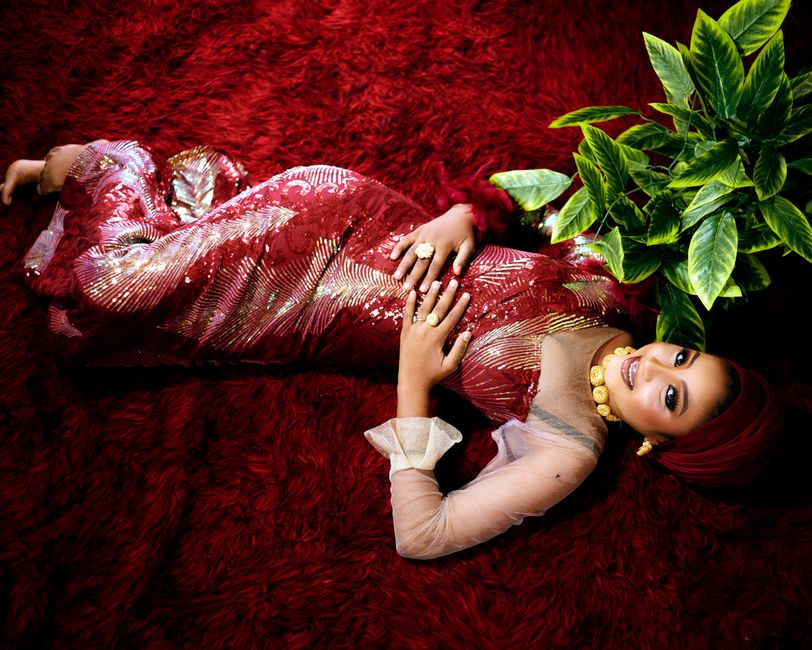
Owambe culture, referring to the elaborate Nigerian party scene characterized by vibrant celebrations, extravagant outfits, and social media documentation, has undergone significant transformation in the digital era. What once was primarily about showcasing wealth and status through expensive fabrics and elaborate geles has evolved into a more nuanced expression of personal style and cultural pride. Baci’s pink ensemble exemplifies this evolution, demonstrating how modern owambe fashion emphasizes creativity, individual expression, and cultural storytelling rather than just ostentation. The influence of social media has democratized owambe fashion, allowing style innovations to spread rapidly and inspiring countless interpretations of traditional looks.
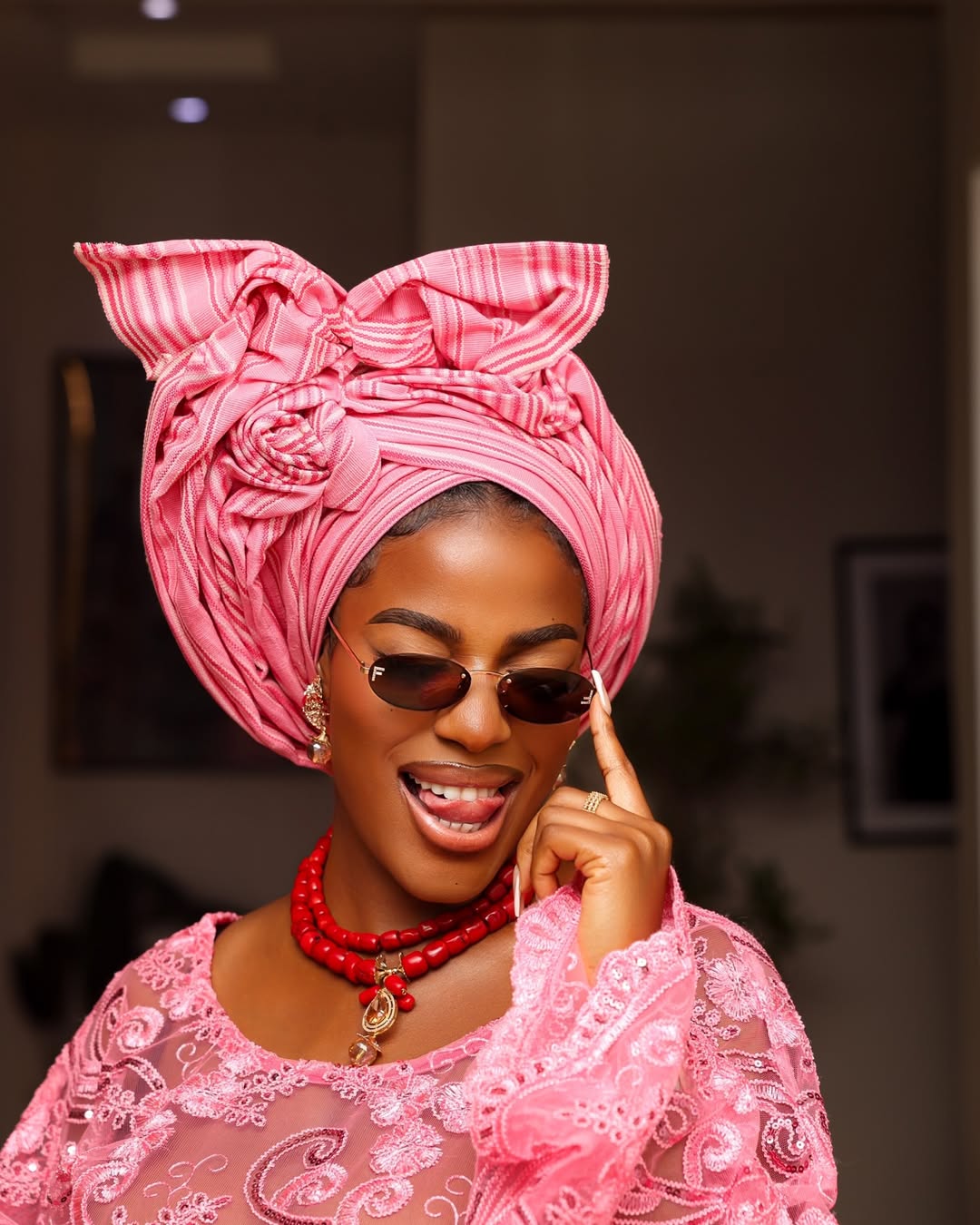
The modern owambe aesthetic has also embraced the concept of thematic dressing and coordinated looks that photograph well for social media sharing. Baci’s monochromatic approach reflects this trend, creating a visually cohesive look that translates beautifully across different platforms and photography styles. This evolution has encouraged more experimental approaches to traditional dressing, with fashion enthusiasts feeling empowered to mix traditional elements with contemporary pieces, create unexpected color combinations, and play with proportions in ways that might have been considered unconventional in previous generations.