Table of Contents
- The Artist’s Dilemma: When Love Meets Creative Process
- A Private Romance in the Public Eye
- Gracie’s Musical Journey and Rising Stardom
- Paul Mescal’s Hollywood Trajectory
- Navigating Fame and Authenticity
- Looking Ahead: Love, Music, and Career Growth
The Artist’s Dilemma: When Love Meets Creative Process
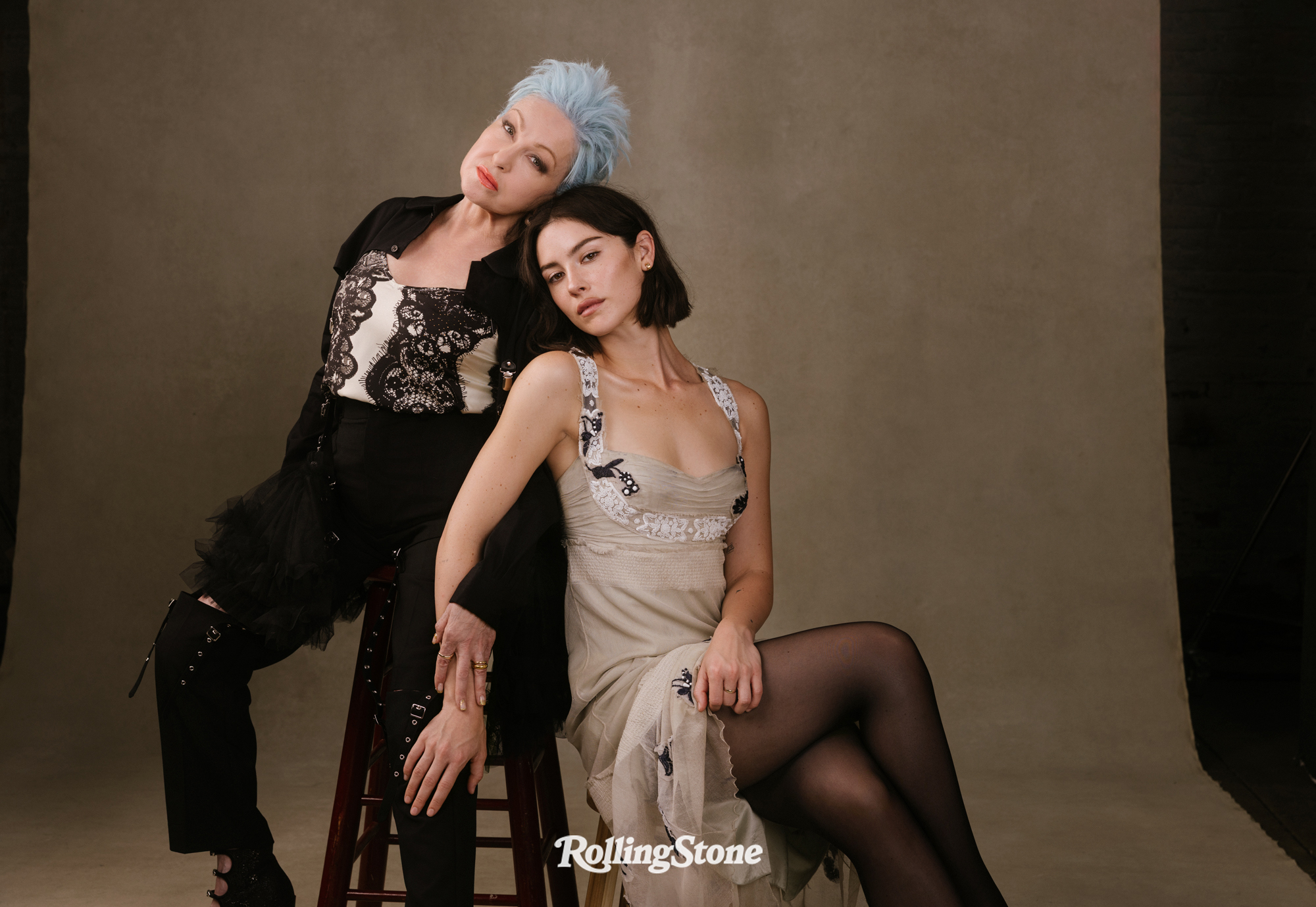
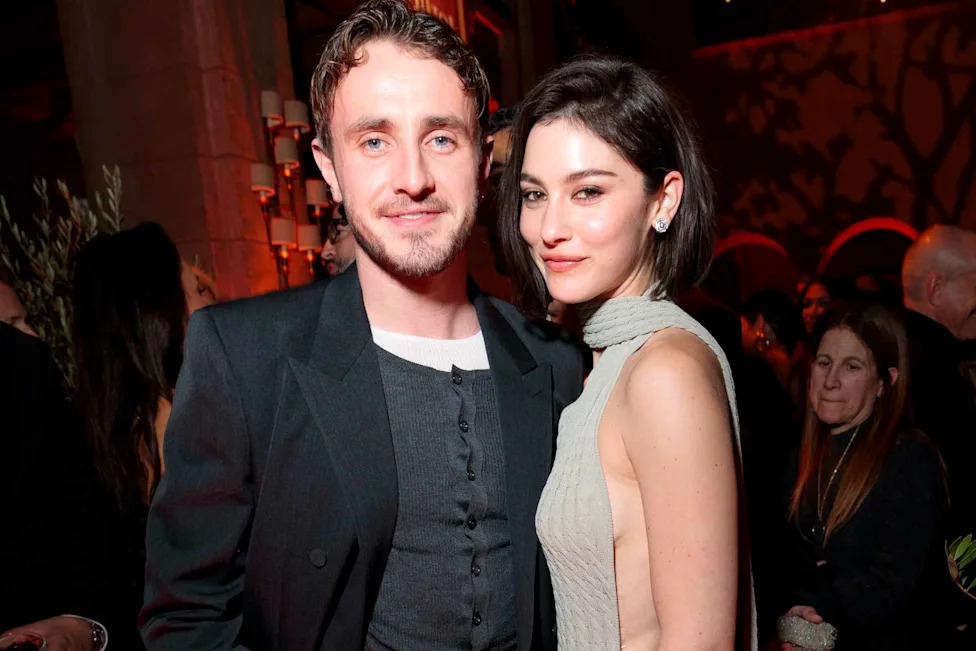
In the world of contemporary pop music, few concerns weigh as heavily on an artist’s mind as the fear of losing creative authenticity. For Gracie Abrams, the 24-year-old singer-songwriter who has captivated audiences with her introspective indie-pop sound, this anxiety took on a particularly personal dimension when she began her relationship with Irish actor Paul Mescal. The artist recently opened up about her initial worries that entering into a high-profile romance might somehow compromise the raw honesty that has become her musical trademark. Her candid admission reveals the complex intersection between personal happiness and artistic integrity that many creators face, particularly when their love lives become part of the public narrative.

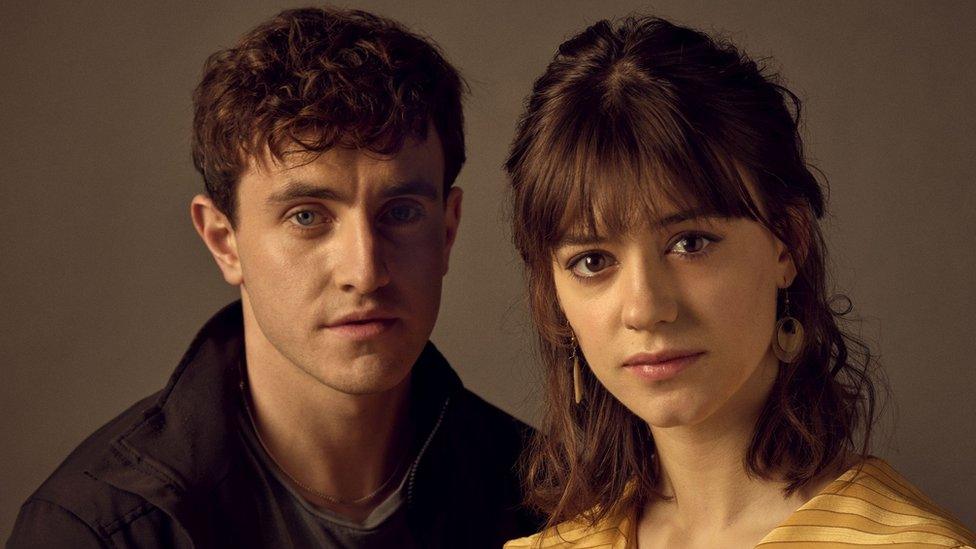
Abrams’ concerns weren’t unfounded, as the music industry has long grappled with questions about how personal relationships influence artistic output. The singer, whose breakthrough tracks like “Mess It Up” and “21” have resonated with millions for their vulnerable storytelling, understood that her audience connected with her precisely because of her ability to translate personal experiences into universally relatable emotions. The prospect of a relationship potentially altering this delicate balance between exposure and privacy, between lived experience and artistic interpretation, naturally gave her pause as she navigated the early stages of her connection with the “Normal People” star.
A Private Romance in the Public Eye

Despite the inevitable media attention surrounding their relationship, Abrams and Mescal have managed to cultivate what she describes as a remarkably quiet and grounded life together. In contrast to the often chaotic nature of celebrity relationships that play out in tabloid headlines and social media speculation, the couple has deliberately chosen a more subdued approach to their romance. This intentional privacy has allowed them to build something genuine away from the constant scrutiny that often accompanies high-profile pairings in the entertainment industry.
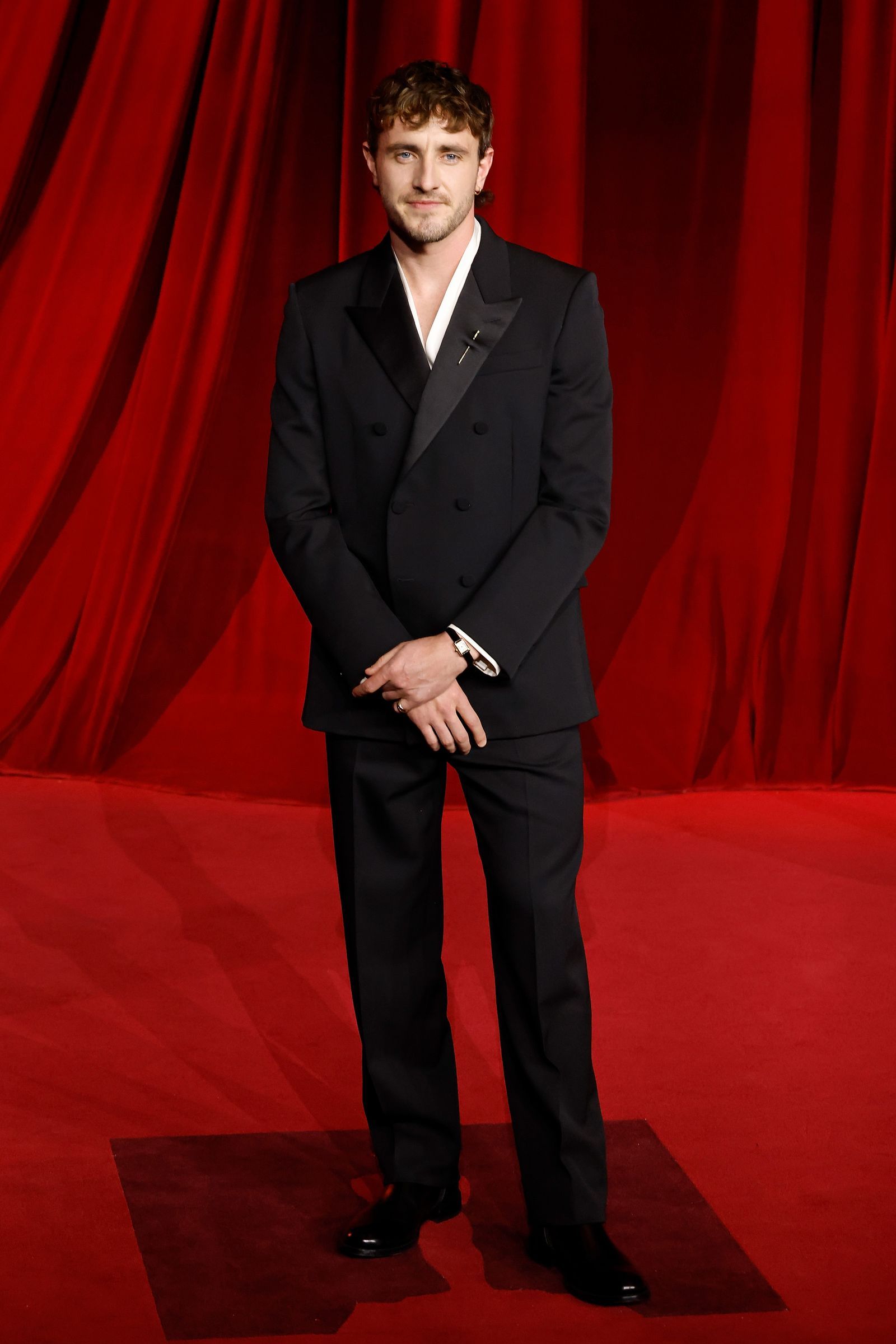
The singer’s revelations about their domestic life paint a picture of two successful artists who have found ways to support each other’s careers while maintaining individual identities. Rather than allowing their relationship to become a performance for public consumption, they’ve established boundaries that protect both their personal connection and their respective professional endeavors. This approach has seemingly validated Abrams’ initial concerns while also proving that it’s possible to maintain artistic integrity within a loving partnership that exists partially in the public eye.
Gracie’s Musical Journey and Rising Stardom
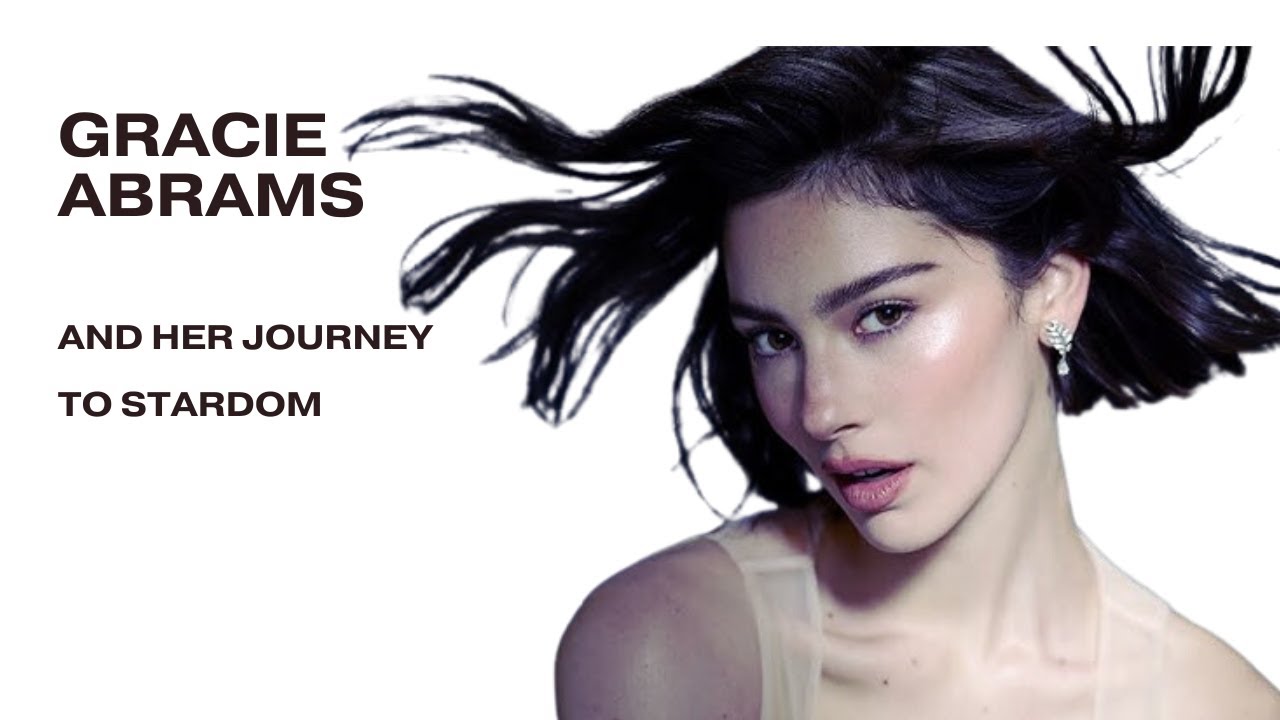
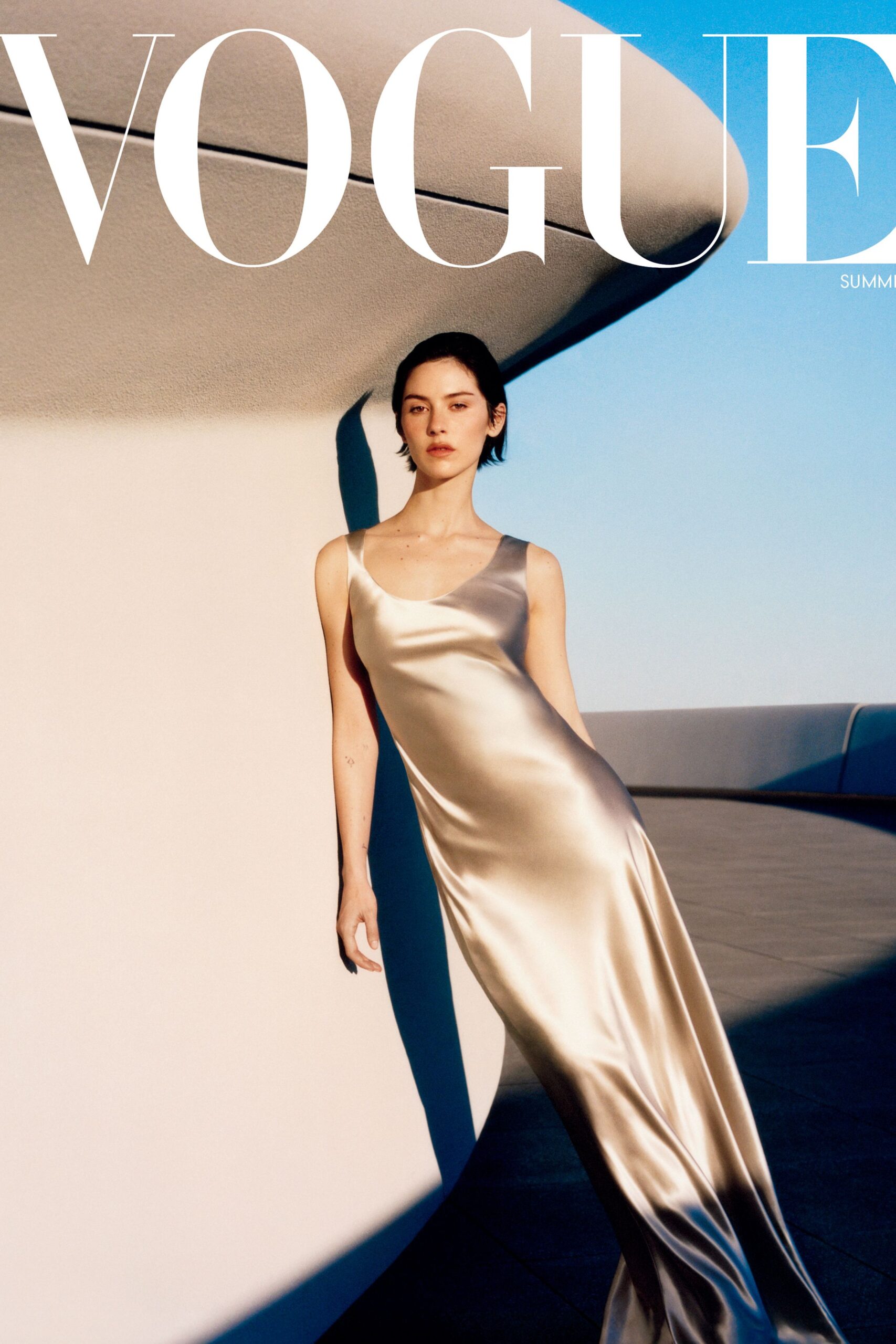
To understand the significance of Abrams’ concerns about her relationship affecting her music, it’s essential to recognize the trajectory that brought her to this point in her career. The daughter of renowned film director J.J. Abrams, Gracie carved out her own artistic path through deeply personal songwriting that often explores themes of anxiety, relationships, and self-discovery. Her music has struck a chord with Generation Z listeners who appreciate her unfiltered approach to mental health and emotional vulnerability, making her authenticity not just a creative choice but a crucial element of her brand and connection with fans.
Her breakthrough came through a combination of grassroots fan support and strategic collaborations, including notable work with producer Joel Little, known for his contributions to Lorde’s acclaimed albums. Abrams’ ability to transform intimate moments into expansive, emotionally resonant pop songs has earned her critical acclaim and a devoted following that spans beyond traditional pop music demographics. Her success has been built on the foundation of genuine emotional expression, making any potential threat to that authenticity a legitimate concern for both her artistic development and commercial viability.