
Table of Contents
- Who Is Gerry Beckley?
- MERCIFUL: The New Album
- Revisiting the Old to Find the New
- The Graham Nash Connection
- Life After the Road
- Photography and the Creative Life
Who Is Gerry Beckley?

There are certain voices in rock music that feel less like sounds and more like a memory - something warm and familiar that you cannot quite shake. Gerry Beckley’s voice is one of those. As a co-founding member of the iconic soft rock band America, Beckley has spent more than five decades helping to write the soundtrack of a generation, delivering harmonies and hooks so polished they almost feel effortless. Songs like A Horse With No Name, Ventura Highway, and Sister Golden Hair did not just climb the charts - they embedded themselves permanently into the cultural fabric of the 1970s and beyond. Now well into his seventies, Beckley is showing no signs of creatively slowing down, and his latest solo work is proof that some artists genuinely get better with age.
Born in Texas in 1952 but raised largely in England due to his father’s military service, Beckley formed America in London in 1970 alongside Dewey Bunnell and Dan Peek. The group’s sound - a blend of acoustic guitar-driven folk, breezy West Coast harmonics, and radio-ready pop sensibilities - made them an instant sensation on both sides of the Atlantic. Over the decades, America has survived lineup changes, shifting musical trends, and the kind of internal pressures that have broken apart far more famous bands. Beckley and Bunnell have remained the heart of the operation, and that resilience speaks volumes about both their friendship and their shared artistic vision.
MERCIFUL: The New Album

Beckley’s new solo album, aptly titled MERCIFUL, is the project that fans and critics have been buzzing about recently. It arrives at an interesting moment in the artist’s career - one where he has clearly stepped back from the relentless pace of touring and allowed himself the kind of breathing room that most working musicians rarely enjoy. The album is a reflection of that space: thoughtful, unhurried, and deeply personal. Where some artists chase relevance by chasing trends, Beckley has done the opposite, doubling down on the craftsmanship that made him a legend in the first place.
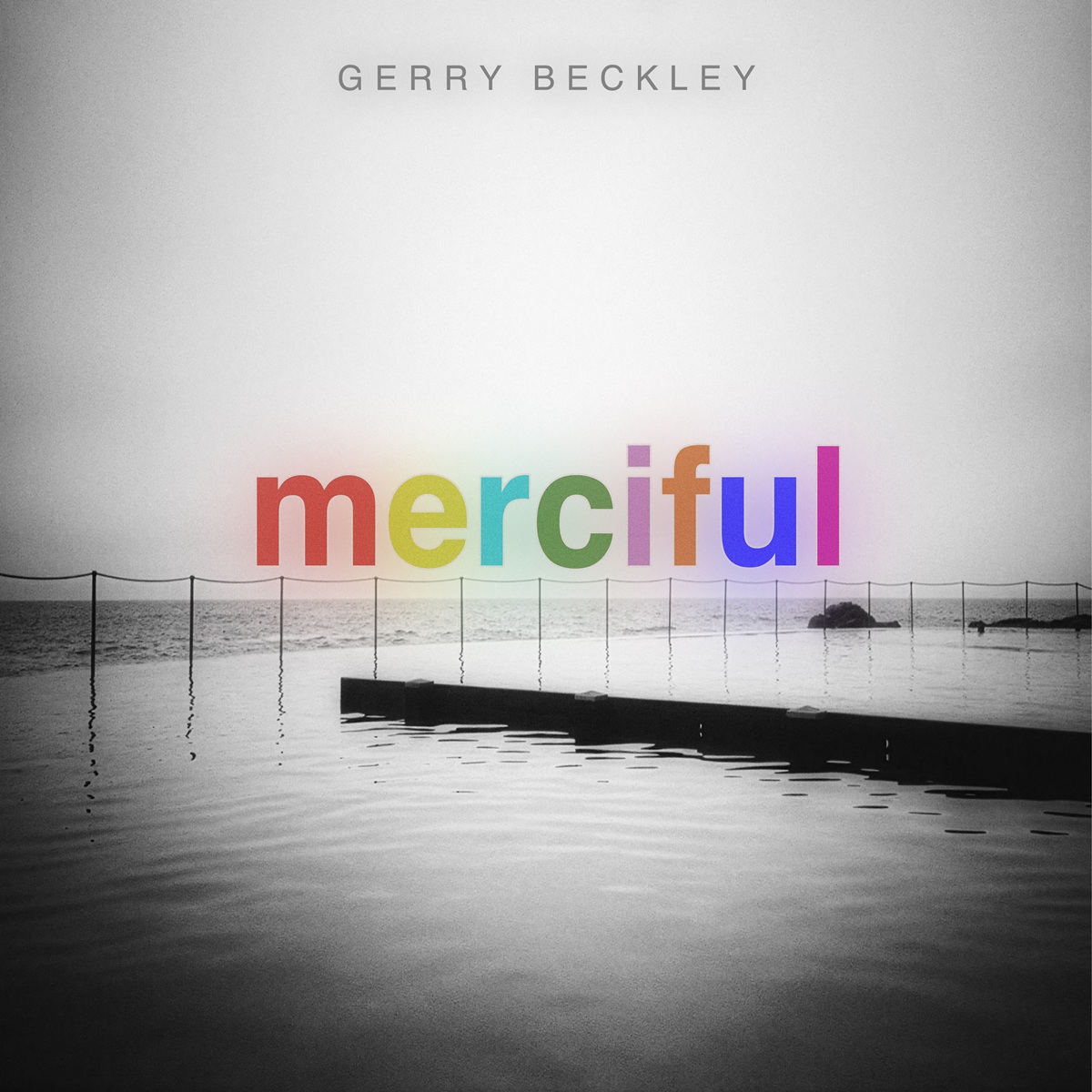
The songs on MERCIFUL carry the signature qualities that Beckley devotees have come to expect - lush arrangements, melodic intelligence, and lyrics that feel genuinely considered rather than thrown together for commercial effect. But there is also something noticeably more introspective about this body of work, a quality that comes through both in the songwriting and in how Beckley has spoken about the project in interviews. He has described the album-making process as a return to his creative instincts, a chance to follow ideas wherever they led without the commercial pressures or scheduling demands that come with being part of a major touring band. The result is a record that feels honest in the best possible way.
Revisiting the Old to Find the New

One of the more fascinating aspects of Beckley’s recent creative process has been his willingness to look backward in order to move forward. He has spoken openly about revisiting older songs - not necessarily to re-record them, but to study them, to understand what made them work and what those compositions might still have left to say. For a songwriter of his stature, this kind of reflective approach is both courageous and deeply practical. It suggests an artist who is not simply coasting on a legendary back catalog but genuinely interrogating his own creative history in search of something new.
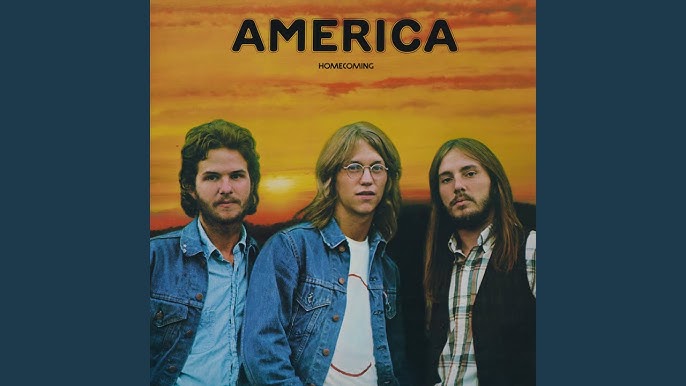
This process of creative excavation is something many longtime fans will find deeply compelling. There is a tendency to assume that artists who have achieved Beckley’s level of success must be operating on autopilot by now, producing music because it is expected rather than because the fire still burns. But that assumption does not hold up when you listen to what he is actually making. The curiosity is still very much present in his work - the willingness to ask why a chord change works the way it does, or why a particular lyrical image resonates more than another. That kind of intellectual engagement with craft is rare, and it is ultimately what separates great musicians from merely famous ones.