
Table of Contents
- The Quiz That Started a Conversation
- When Music Videos Ruled the World
- The Great Generational Divide
- How Streaming Changed Everything
- What We’re Really Losing
- Building Bridges Across Generations
The Quiz That Started a Conversation
A recent viral quiz has sent shockwaves through social media, revealing that most Gen-Z participants can only identify 3 out of 31 iconic 2000s music videos from simple screenshots. The results have sparked intense debate about generational knowledge gaps and whether younger audiences are missing out on a crucial chapter of music history. While some dismiss this as natural generational progression, others view it as a concerning disconnect from an era that fundamentally shaped modern pop culture. The quiz, which featured everything from Beyoncé’s early solo work to OutKast’s genre-defining visuals, has become more than just entertainment - it’s become a cultural litmus test.
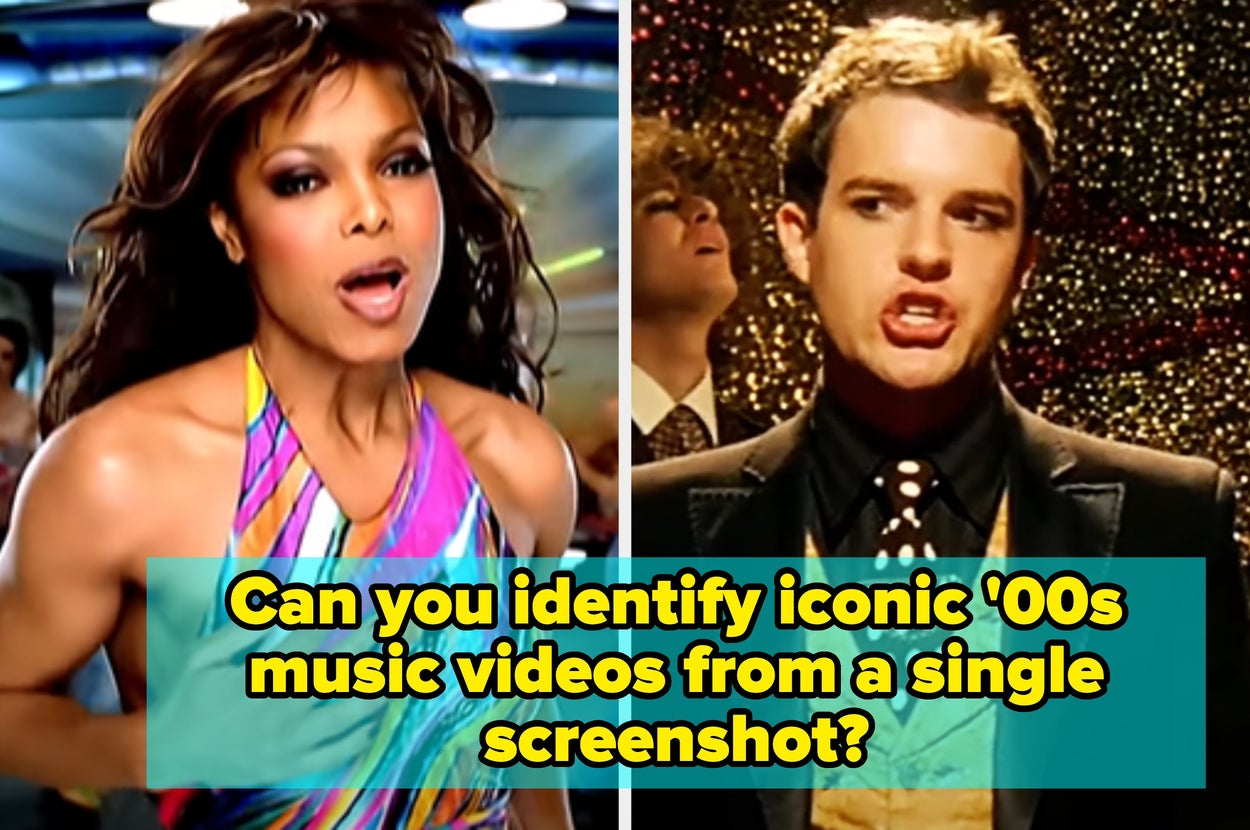
The phenomenon extends beyond simple nostalgia, touching on deeper questions about how we consume and remember music in the digital age. When presented with frames from videos that once dominated TRL countdowns and defined entire aesthetic movements, younger participants struggled to connect visual cues with songs that were once inescapable. This isn’t necessarily a failure on Gen-Z’s part, but rather an indication of how dramatically the music landscape has shifted in just two decades.
When Music Videos Ruled the World
The 2000s represented the final golden age of music videos as cultural events, when MTV still played music and artists invested heavily in cinematic visual storytelling. Videos from this era weren’t just promotional tools - they were artistic statements that could make or break careers and define entire aesthetic movements. Artists like Missy Elliott revolutionized the medium with futuristic concepts, while bands like The White Stripes stripped things back to bold, minimalist visuals that became instantly iconic. These weren’t background content designed for passive consumption; they demanded attention and rewarded careful viewing with layers of meaning and visual innovation.

The production values and creative ambition of 2000s music videos were staggering by today’s standards. Directors like Michel Gondry, Spike Jonze, and Chris Applebaum crafted mini-movies that cost hundreds of thousands of dollars and took weeks to produce. These videos premiered as events, with fans gathering around television sets to catch first glimpses of new work from their favorite artists. The cultural weight of a music video premiere in 2005 rivaled that of a major movie trailer today, creating shared cultural moments that transcended individual fandoms.
The Great Generational Divide
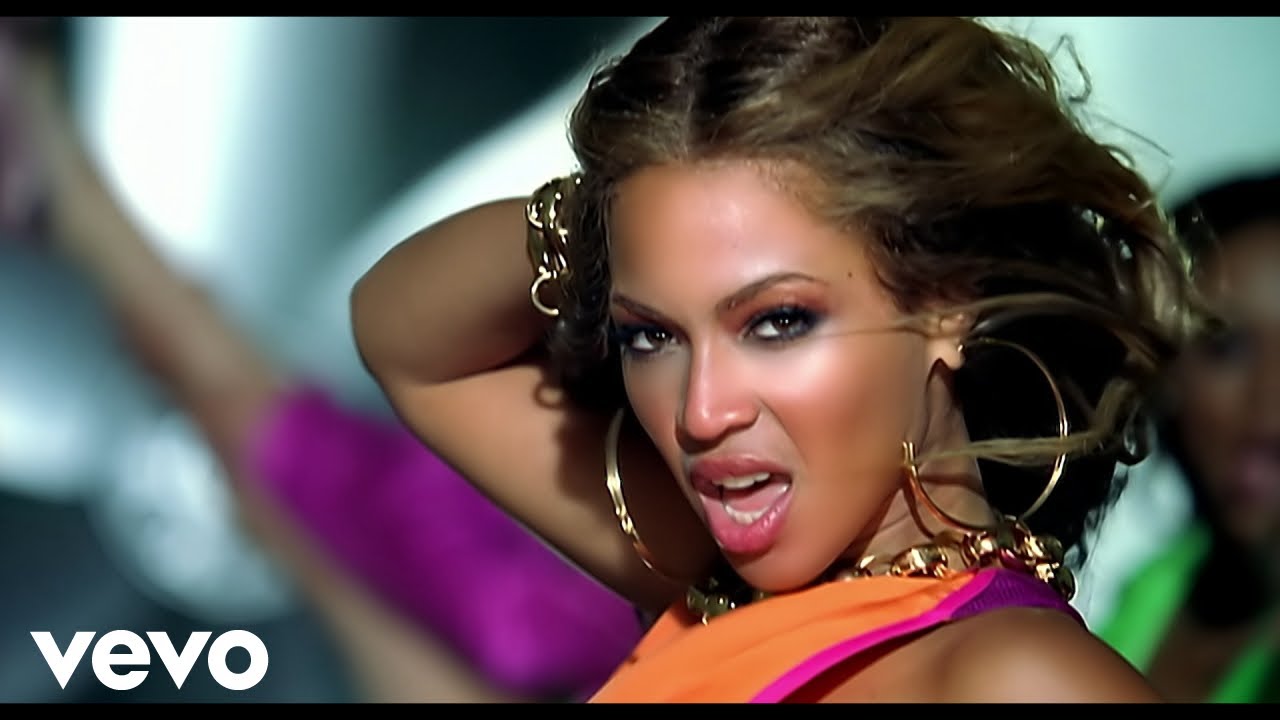
The quiz results illuminate a fascinating generational divide that goes beyond simple age differences. Millennials and older Gen-X participants scored significantly higher, not just because they lived through the era, but because they experienced music differently. For these generations, visual and audio were inextricably linked - hearing “Crazy in Love” immediately conjures images of Beyoncé’s wind machine choreography, while “Hey Ya!” is inseparable from André 3000’s polaroid-shaking energy. This multimedia memory formation created deep, lasting associations that younger audiences simply haven’t had the opportunity to develop with 2000s content.
However, it’s important to note that Gen-Z isn’t lacking in visual music appreciation - they’ve simply developed different consumption patterns and reference points. TikTok has created its own form of music-visual pairing, where 15-second clips become associated with specific songs in ways that mirror the music video phenomenon. The difference lies in permanence and shared cultural experience. While a 2000s music video created a universal visual language around a song, TikTok’s algorithm-driven content creates thousands of different visual associations for the same track.