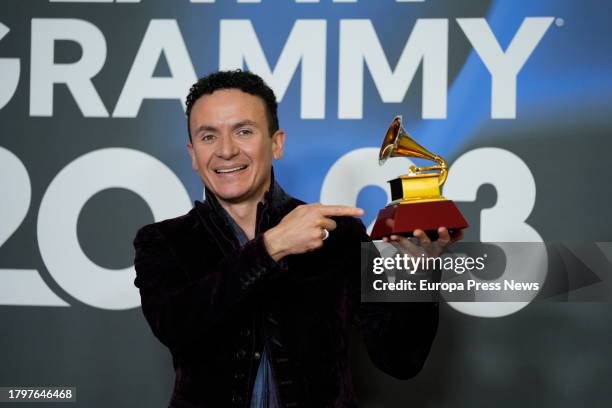
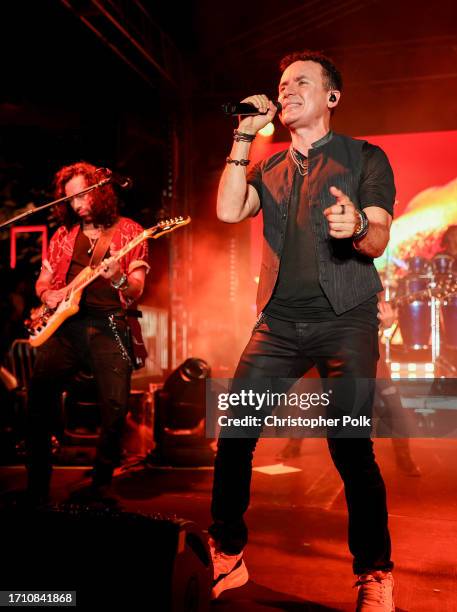
When a major talent agency announces a new signing, entertainment media tends to treat it as a routine press release - a few quotes, a paragraph of context, and on to the next story. But when Colombian singer-songwriter Fonseca announced his worldwide booking deal with WME, the significance went well beyond another name added to a roster. WME, formally known as William Morris Endeavor, is one of the most powerful talent and entertainment agencies on the planet, representing clients across music, film, television, sports, and beyond. Its music division alone handles some of the highest-grossing touring acts in the world, and gaining access to that infrastructure is not a minor administrative update. For a Latin artist at the caliber and career stage of Fonseca, it is the kind of institutional muscle that can open markets that would otherwise take years to crack through independent hustle alone.
Image: www.wmeagency.com
The deal essentially tells the concert and festival booking world - from North America to Europe to the Middle East to Southeast Asia - that Fonseca is ready for the global stage in a serious, coordinated way. Agencies like WME do not just book dates; they build touring ecosystems. They have the relationships with festival programmers in markets like Australia, the UK, and Latin America that an artist’s independent team simply cannot replicate with the same speed or leverage. That is the quiet power behind this announcement, and it explains why Fonseca himself described the partnership as “very important for my career.”
Fonseca at This Point in His Career
Juan Camilo Fonseca Díaz - known professionally and simply as Fonseca - has been one of Colombia’s most beloved singer-songwriters for well over two decades. Born in Bogotá in 1976, he broke into the mainstream in the early 2000s with a sound that blended vallenato, pop, and Caribbean rhythms into something warm, personal, and distinctly Colombian without being inaccessible to the broader Latin market. His self-titled debut album in 2005 put him squarely on the map, and he has since racked up Grammy Latino nominations, collaborated with artists including Carlos Vives and Juan Luis Guerra, and sold out venues across Latin America and the United States. He is the kind of artist who has maintained genuine artistic credibility alongside commercial success - a balance that many musicians chase but few actually achieve over a sustained period.
Image: Billboard
What makes this WME signing particularly interesting is the timing in Fonseca’s career arc. He is not a newcomer riding a viral moment or a legacy act trying to extend relevance through industry machinery. He sits in that enviable middle space - established enough to draw real audiences in multiple markets, contemporary enough to be booking new music, and mature enough as an artist to know exactly what kind of global infrastructure he needs. The WME deal is not a rescue; it is a calculated upgrade. That distinction matters because it reflects a degree of self-awareness that separates career-minded artists from those who simply react to circumstance.
The Album Behind the Tour: Antes Que El Tiempo Se Vaya
The deal with WME is directly tied to plans for a tour supporting his latest album, Antes Que El Tiempo Se Vaya - which translates roughly to “Before Time Goes Away.” The album title alone signals something about where Fonseca’s head is at creatively. It carries a sense of urgency and reflection, the kind of lyrical posture that has always defined his best work. Fonseca has consistently written about love, identity, and the textures of everyday Latin American life with a specificity that resonates deeply among Colombian and broader Latin audiences, while remaining emotionally accessible to listeners who may not share those cultural reference points directly. Antes Que El Tiempo Se Vaya continues in that tradition, and pairing it with a worldwide booking strategy through WME suggests the intention is to push the album’s reach far beyond what it might achieve through regional touring alone.
Image: Spotify
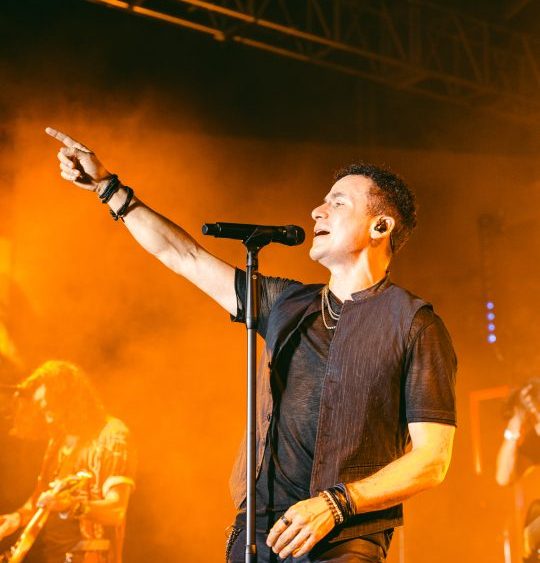
It is worth noting the weight that a strong touring cycle carries in today’s music economy. Streaming revenue, for all its reach, rarely delivers the kind of financial return for artists that live performance does - especially for a songwriter at Fonseca’s level whose fanbase has genuine loyalty rather than passive playlist listeners. A WME-backed world tour is, in effect, a monetization strategy and a profile-raising exercise operating simultaneously. Every festival slot in Spain, every theater run in Miami, and every major venue booking in Mexico City does double duty: it generates revenue and keeps the album in cultural conversation longer than any standard press cycle would allow.
Ad SpaceIn-Article - 300x250
Advertisement
The Latin Global Machine and Where Africa Fits In
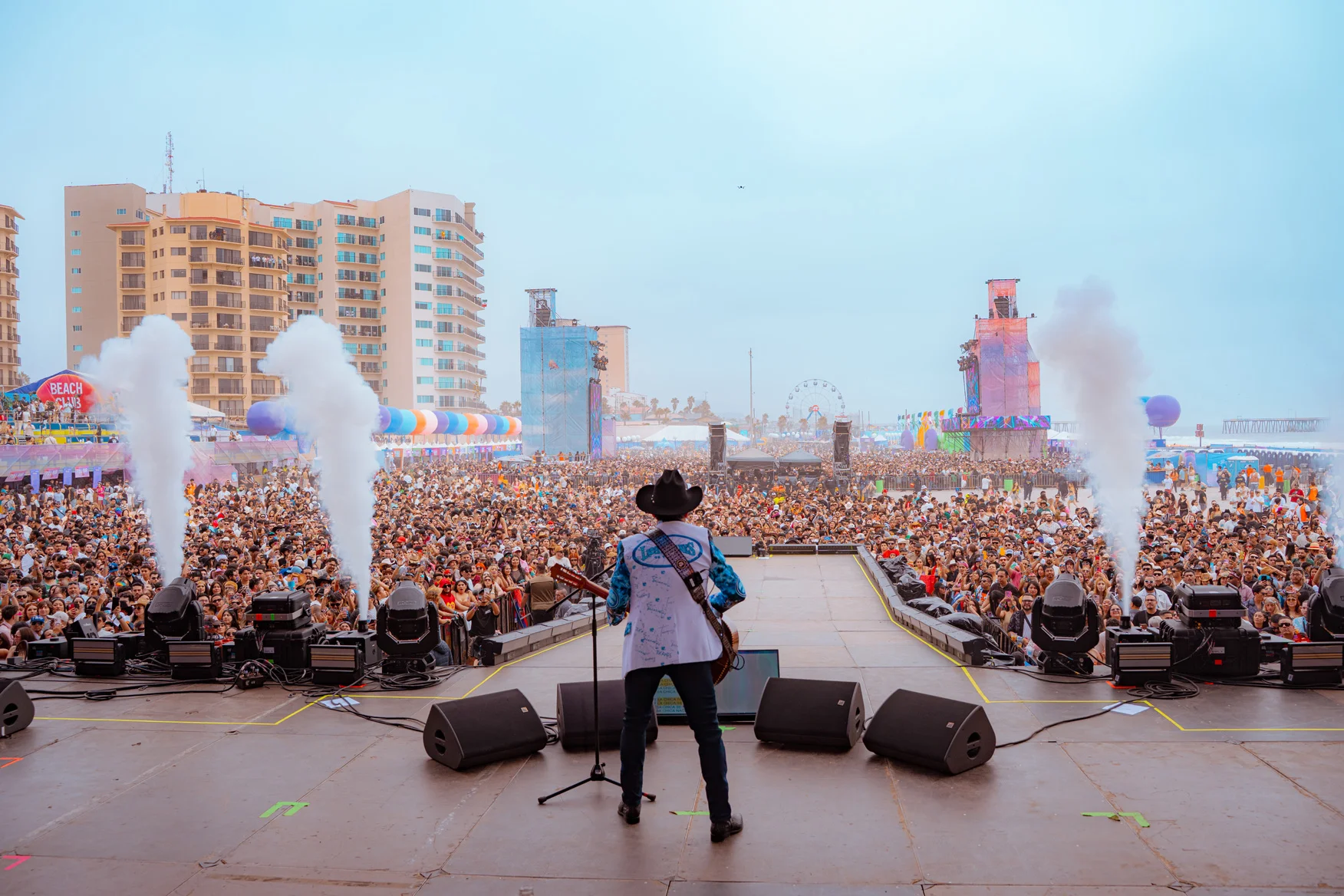
To understand why Fonseca’s WME signing matters to audiences beyond the Latin music sphere, it helps to zoom out and look at the architecture of how Latin music has globalized over the past decade. The Bad Bunny effect is the most dramatic example - a Puerto Rican artist going from SoundCloud to the most-streamed artist on Spotify globally for three consecutive years - but it is not the only story. Artists like Maluma, J Balvin, Karol G, and Shakira have collectively rewired what international audiences expect from Spanish-language pop music, and they have done it through strategic combinations of streaming, collaboration, and precisely targeted touring. The agency system, including WME and its rival CAA, has been a key enabler of that expansion. Fonseca’s signing places him inside that same infrastructure, albeit with a sound and audience profile that is distinctly different from the reggaeton-dominated mainstream.
Image: Festival Abroad
The African connection here is not superficial. Afrobeats has spent the last several years doing exactly what Latin music did before it - building a global touring market from a regional fanbase through strategic agency partnerships and carefully chosen festival slots in Europe, North America, and beyond. Artists like Burna Boy, Davido, and Wizkid have all leaned on major booking infrastructure to scale their live footprints globally. The playbook Fonseca is now executing is one that African artists and their teams are actively watching, because the mechanics of global tour expansion are the same regardless of genre: credible music, a loyal fanbase, and the institutional relationships to translate that fanbase into filled venues across multiple continents. For Nigerian artists and their managers who are currently negotiating their own agency partnerships, Fonseca’s move offers a live case study in how a deeply regional sound can be taken worldwide without losing its soul.
Fonseca’s Move and the Lesson for Independent Artists Worldwide
There is a quiet but important conversation happening in the music industry right now about the role of traditional booking agencies in an era when artists theoretically have more tools than ever to go direct-to-fan. Social media, streaming platforms, and ticketing services with direct artist integrations have all been framed as tools that reduce the need for intermediaries. And yet the world’s most successful touring artists consistently maintain relationships with major agencies, because what those agencies provide is not simply access - it is leverage, credibility, and speed. When WME calls a festival programmer or a venue booker, the conversation is categorically different from when an independent artist manager makes the same call. That is not a comfortable truth for the “go independent” narrative, but it is an accurate one.
Fonseca’s decision to sign with WME rather than attempt to scale his touring independently reflects exactly that pragmatism. He is an artist with enough accumulated cultural capital to make the deal attractive to the agency, which means he enters the relationship from a position of genuine strength rather than desperation. That distinction is critical for any artist evaluating their own agency strategy. The best agency deals happen when an artist has leverage - real fanbase data, real streaming numbers, real sell-through rates at smaller venues - and uses that leverage to negotiate placement with a major player. For emerging artists in Lagos, Accra, or Nairobi watching this deal, the lesson is not “sign with WME as fast as possible.” The lesson is build something real first, then bring it to the table.
Fonseca’s Timing, His Truth, and Why This Particular Deal Lands Different
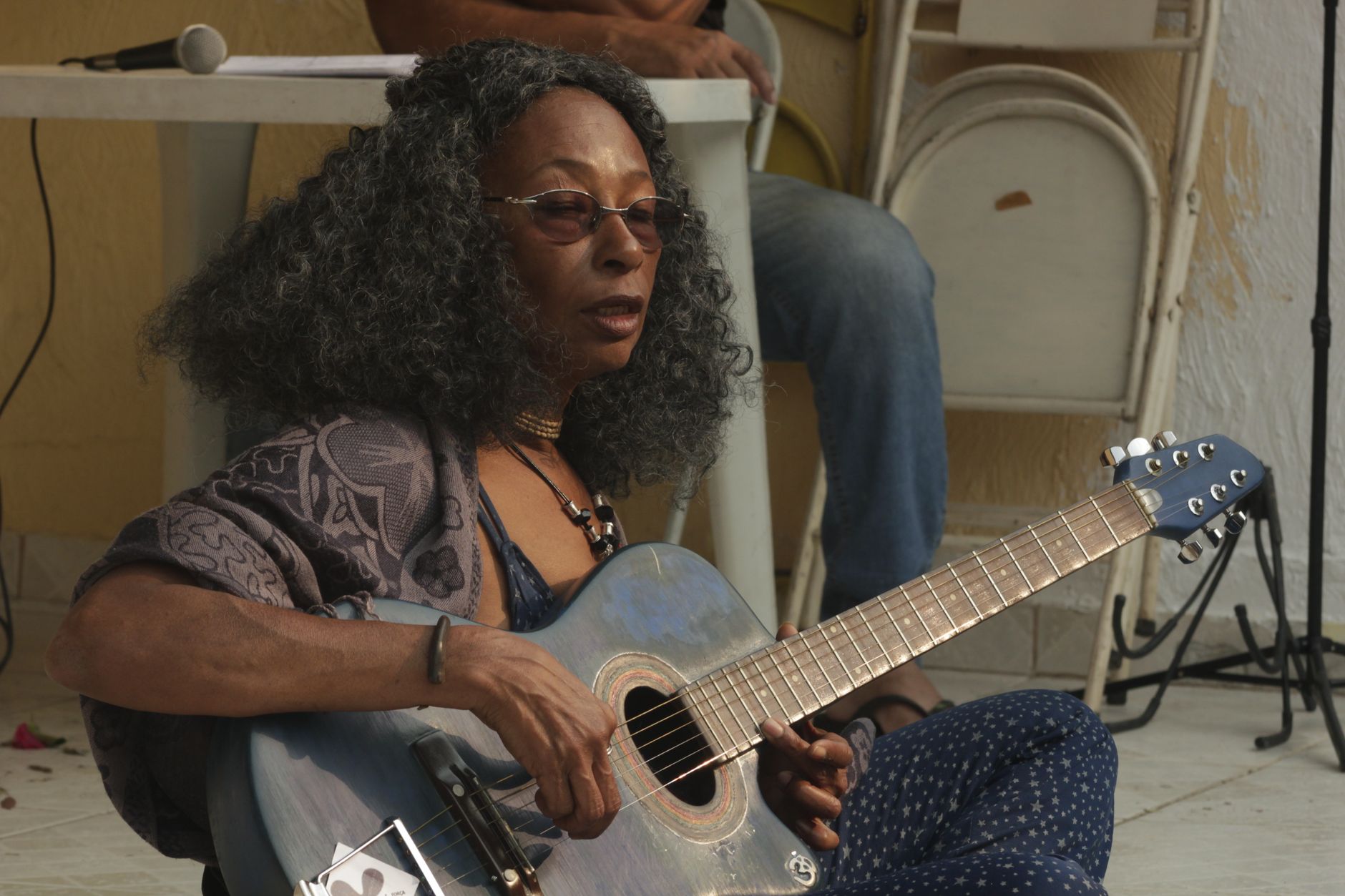
What separates Fonseca’s WME signing from a standard industry announcement is the context of the artist making it. He is not a manufactured act. He is a genuine songwriter with two decades of audience trust, a reputation for live performance that holds up under scrutiny, and an album that carries personal weight rather than calculated commercial positioning. Antes Que El Tiempo Se Vaya is not a pivot record or a genre experiment designed to chase a trend. It is, by everything Fonseca has communicated about it publicly, an honest piece of work that fits naturally into the creative lineage he has spent his career building. Putting WME’s global booking power behind that kind of project is a smart play because the music can actually hold up in the rooms WME will put him in.
Photo by Paulo Santana / Pexels
The album title’s meditation on time - the urgency of experiencing life before it slips past - is almost poetically appropriate for this career moment. Fonseca is in his late forties, at an age where many Latin artists of his generation are coasting on nostalgia tours or holiday collaborations. Instead, he is pushing new music, signing with a global powerhouse, and preparing to take his latest work to audiences across multiple continents. That is a statement of artistic intent that deserves to be recognized as such. The WME deal is not a capstone; it is an accelerant. And for an artist who has always operated with a clear sense of his own creative identity, having the world’s booking infrastructure behind him at this stage means the music now has the reach it was always capable of deserving.
Ad SpaceIn-Article - 300x250
Advertisement
Share
Get the recap
Loved this story? Get more like it.
Join readers who get our weekly entertainment recap - the stories worth your time, delivered every Friday.
No spam. Unsubscribe anytime. By signing up you agree to our Privacy Policy.