

Table of Contents
- The Architect Behind the Sound
- Producing for Billie: A Sibling Creative Partnership Like No Other
- On Handling Beef and Creative Tension in the Studio
- The Evolution of the Record Producer in the Modern Music Era
- From the Bedroom to Billboard: A New Blueprint for Success
- What Comes Next for Finneas
The Architect Behind the Sound
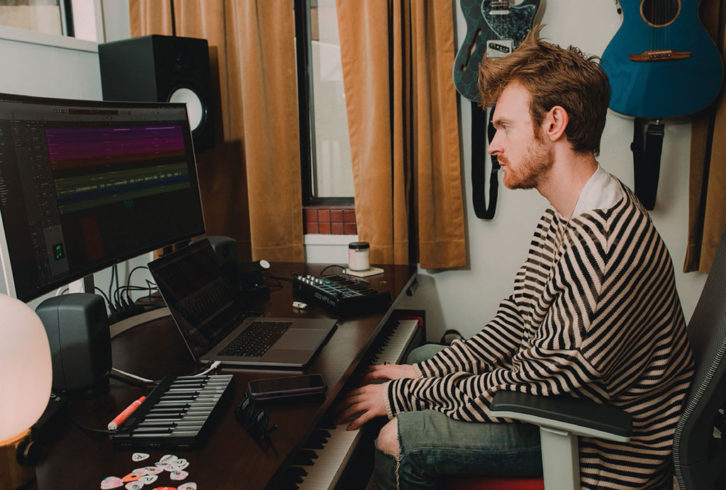
There are producers who work in the shadows, and then there is Finneas - the rare kind of creative force who has managed to step fully into the spotlight while simultaneously elevating the artists around him. Born Finneas O’Connell, the 27-year-old Los Angeles native has spent the better part of the last decade quietly reshaping what mainstream pop music sounds like. His fingerprints are on some of the most critically acclaimed and commercially successful records of our time, yet for years, many casual listeners did not even know his name. That has changed dramatically. In a recent appearance on Billboard’s On The Record podcast, Finneas pulled back the curtain on his creative process, his working dynamic with sister Billie Eilish, how he navigates creative conflict, and why the very definition of what a record producer does has been completely rewritten in the streaming age.
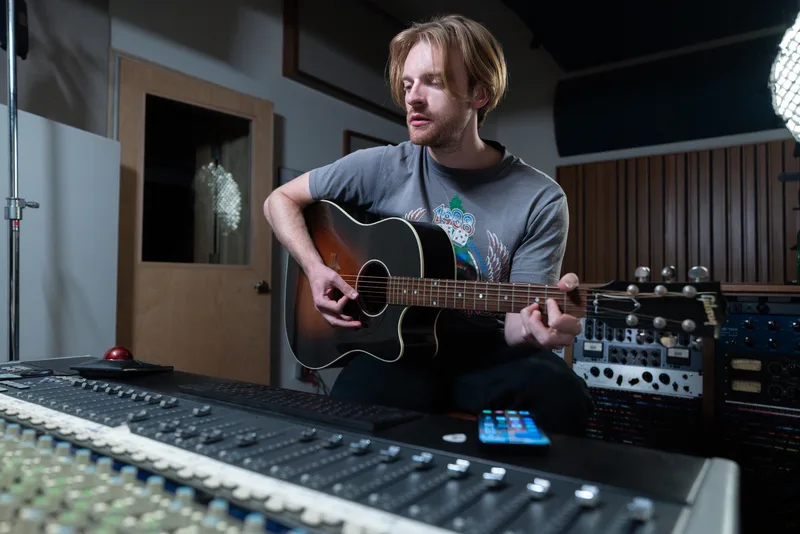
The conversation arrived at a fascinating moment in music history. The traditional image of a record producer - someone sitting behind a massive mixing board in a million-dollar studio, signing off on decisions handed down from a label executive - feels increasingly like a relic of another era. Finneas is arguably the poster child for what has replaced it. He is a songwriter, multi-instrumentalist, vocalist, and technical producer all wrapped into one, operating largely out of compact home studio setups that have produced Grammy-winning results. His story is not just inspiring; it is genuinely instructive for an entire generation of aspiring music makers who are trying to understand what the path forward actually looks like.
Producing for Billie: A Sibling Creative Partnership Like No Other
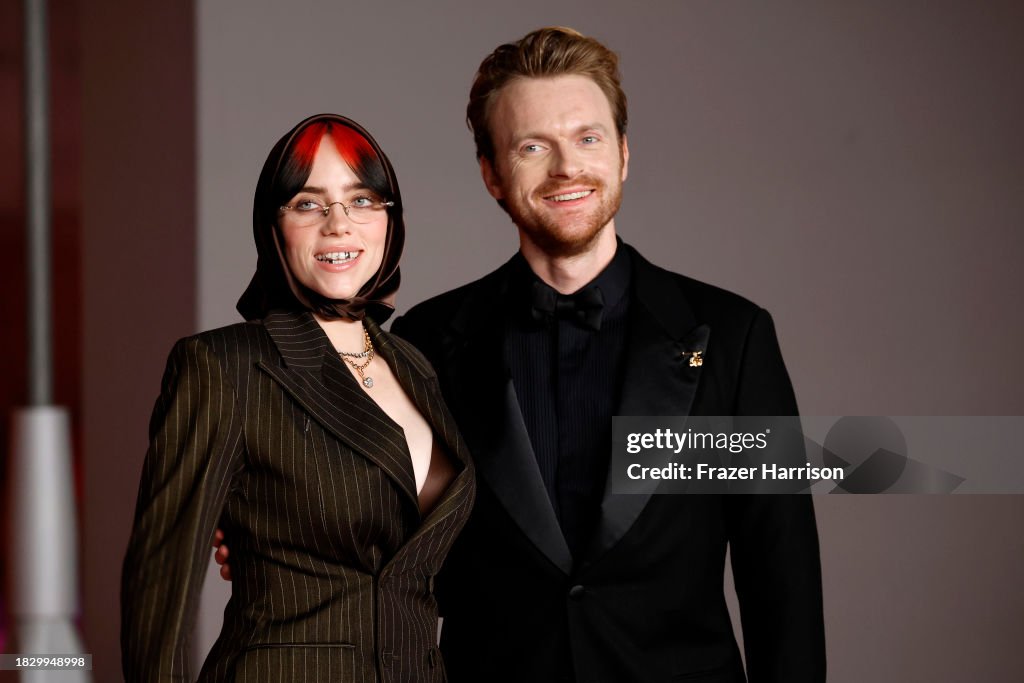
To understand Finneas as a producer, you have to first understand his relationship with Billie Eilish. The two have been collaborating since Billie was barely a teenager, and their creative bond is something genuinely unusual in an industry that often treats collaboration as a transaction. Billie wrote “Ocean Eyes” - the song that launched her career when it went viral on SoundCloud in 2016 - and it was Finneas who produced it. That origin story set the tone for everything that followed. Their working relationship is built not on professional distance but on an intimacy that allows for radical honesty, the kind of candid feedback that most artists can only dream of getting from their production team.
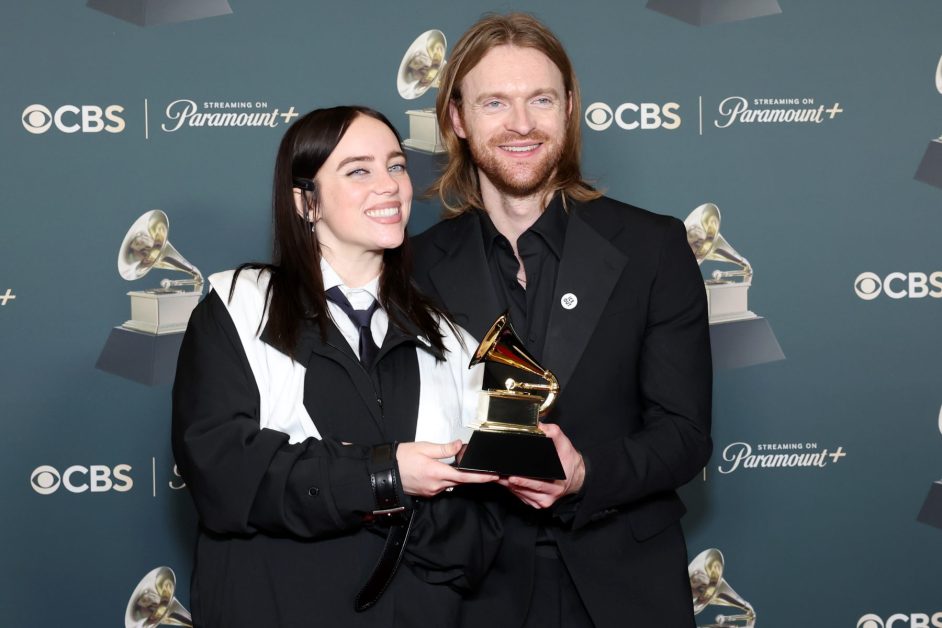
What makes their dynamic particularly compelling is that it has scaled remarkably well. “Ocean Eyes” was recorded in a bedroom. So was When We All Fall Asleep, Where Do We Go?, the 2019 debut album that swept the Grammys and made Billie the youngest artist ever to win all four major Grammy categories in a single night. The album’s production - sparse, eerie, intimate, and wildly inventive - reflected a philosophy that Finneas has spoken about in various interviews: that the best music often comes from constraint, from working within limitations and letting the emotion of a performance carry the weight rather than papering over it with expensive production flourishes. That ethos has continued to define his work even as budgets and expectations have grown significantly.
On Handling Beef and Creative Tension in the Studio
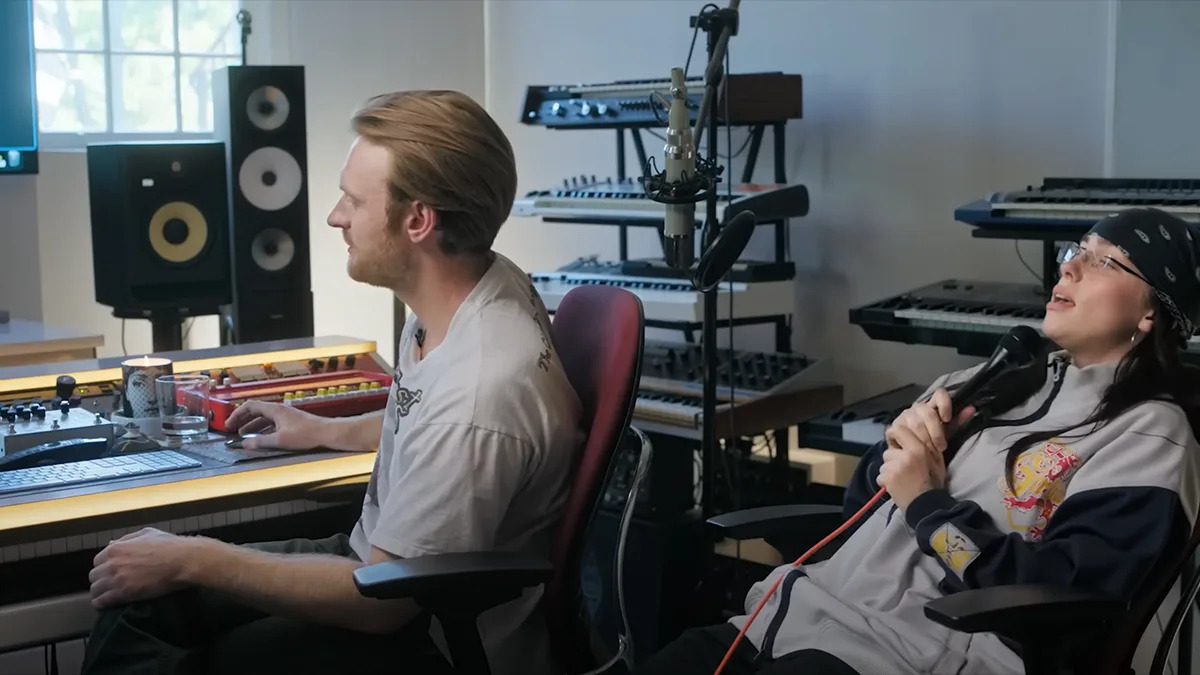
One of the more candid threads in Finneas’s Billboard conversation was his willingness to acknowledge that creative tension - yes, actual disagreements and moments of friction - is a real and sometimes productive part of the music-making process. The word “beef” in the context of his discussion was not about industry drama or public feuds; it was about what happens in the room when two creative minds disagree about a direction, a sound, or a lyric. For Finneas, learning how to navigate those moments without either shutting down or letting ego take over has been one of the more quietly important skills he has developed over the years.

This is a side of music production that rarely gets discussed openly. Most producers, particularly those who work with major stars, are incentivized to present a smooth, conflict-free narrative to the public. Finneas takes a different approach, and it makes his insights genuinely valuable. He has spoken previously about the challenge of being both a collaborator and a decision-maker - about knowing when to push back on an idea and when to get out of the way and let an artist’s instinct lead. Working with someone as emotionally driven in her creative vision as Billie Eilish requires that kind of nuanced judgment constantly. The fact that their output continues to be this consistent and this acclaimed suggests he has largely figured it out.