
Table of Contents
The world of entertainment and politics has always had an intriguing relationship, but few transitions capture the imagination quite like that of Esther Nkem Okereke. The accomplished Nollywood actress, known for her compelling performances in numerous Nigerian films, has announced her intention to run for the highest office in the land – the presidency of Nigeria. This bold move represents more than just a career change; it signals a new chapter in the evolving relationship between Nigeria’s entertainment industry and its political landscape. Okereke’s announcement has sent ripples through both the film industry and political circles, as supporters and critics alike assess what her candidacy might mean for the future of Nigerian leadership.
From Screen to Politics: A Career Transformation
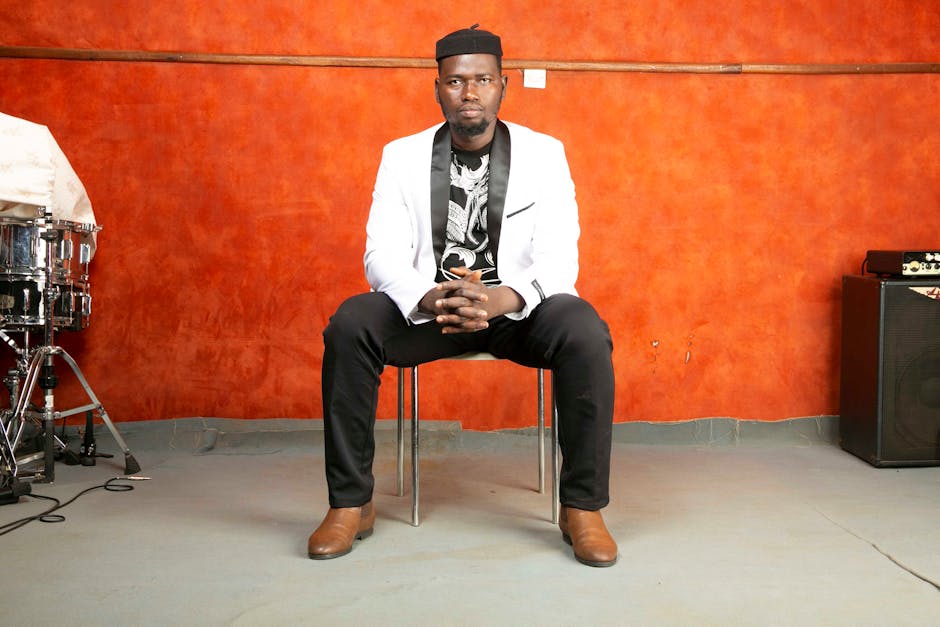
Esther Okereke’s journey from the movie sets of Nollywood to the campaign trail represents a fascinating evolution of purpose and ambition. The actress, who has built a respected career in Nigeria’s film industry, has demonstrated the same passion and commitment to her political aspirations that she once brought to her craft. Her transition isn’t entirely surprising to those who have followed her career closely, as she has long been vocal about social issues and Nigeria’s development challenges through her various platforms. What sets her apart from many celebrity political aspirants is her methodical approach to understanding governance and policy-making, having spent considerable time studying Nigeria’s political system and engaging with policy experts across various sectors.
The decision to enter politics wasn’t made overnight for Okereke, who has spoken about her growing frustration with the disconnect between Nigeria’s leadership and its citizens, particularly the youth and women who make up significant portions of the population. Her background in entertainment has given her unique insights into the power of storytelling and communication – skills that translate remarkably well to political campaigning and public engagement. Unlike traditional politicians who often struggle to connect with younger demographics, Okereke brings an inherent understanding of modern communication and the cultural zeitgeist that resonates with Nigeria’s increasingly digital-savvy population.
The Nollywood Legacy Behind the Campaign
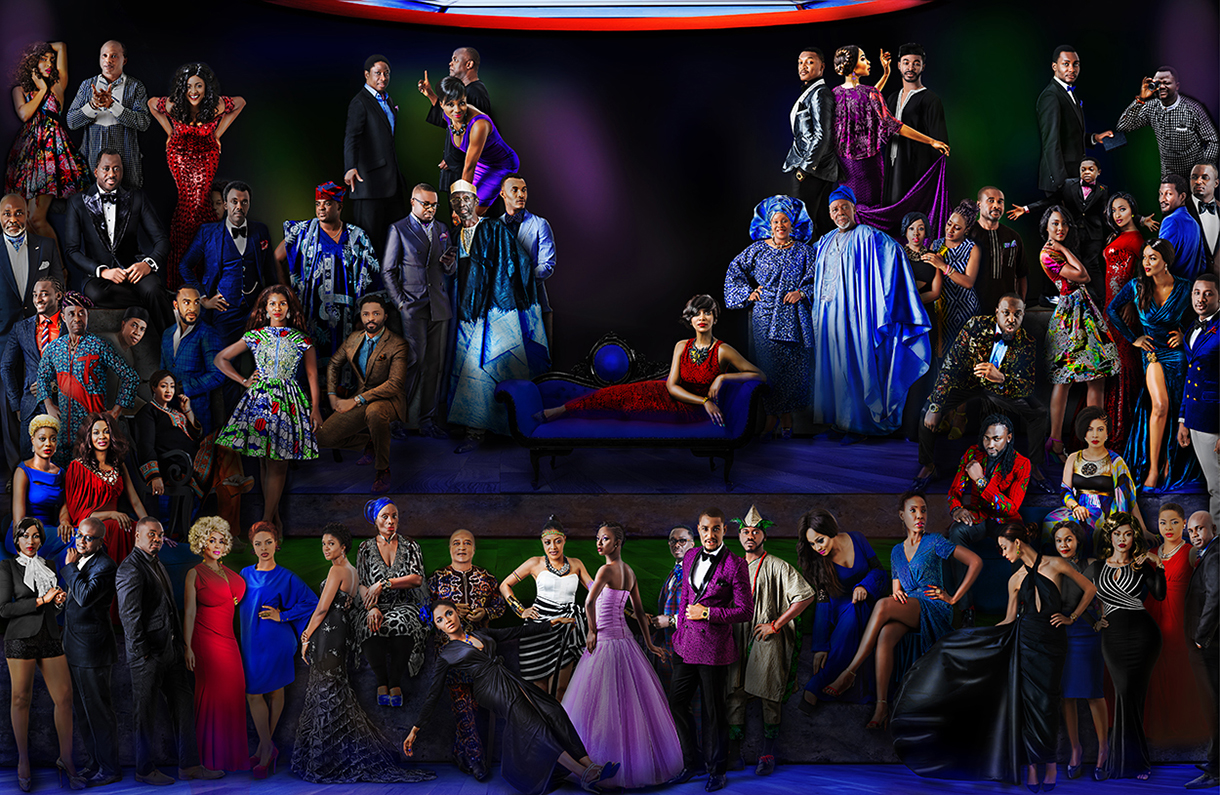
Okereke’s filmography reads like a testament to her versatility and commitment to meaningful storytelling. Throughout her acting career, she has consistently chosen roles that highlight social issues, women’s empowerment, and the complexities of modern Nigerian society. This pattern of selecting projects with social consciousness has inadvertently prepared her for the political arena, where similar themes of justice, equality, and national development take center stage. Her work in Nollywood has not only entertained audiences but also sparked conversations about important societal issues, demonstrating her ability to influence public discourse – a crucial skill for any aspiring political leader.
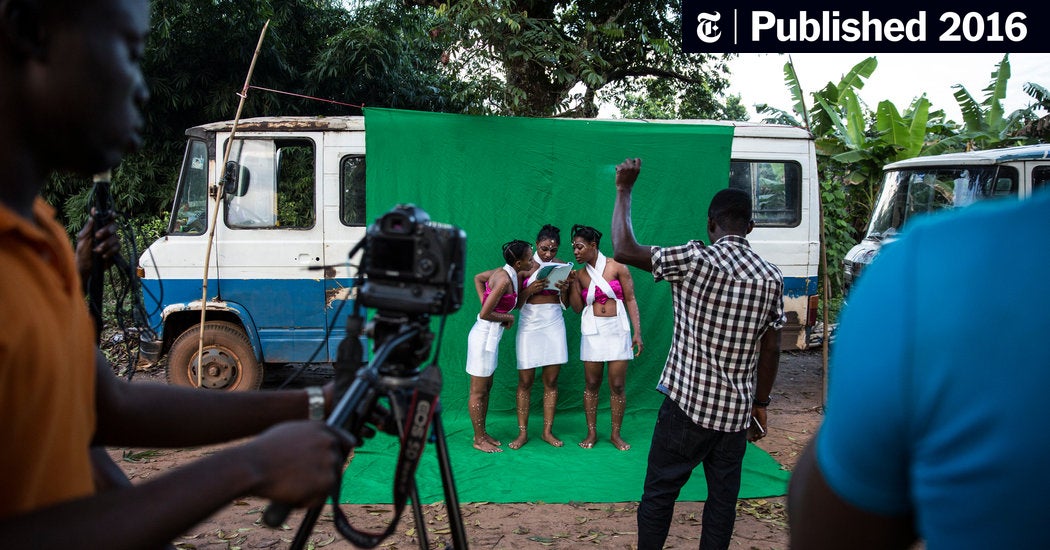
The respect she has garnered within the entertainment industry speaks volumes about her character and work ethic. Colleagues describe her as meticulous, principled, and genuinely concerned about the welfare of others – qualities that have translated into her approach to politics. Her involvement in various charitable initiatives and advocacy work during her acting career has shown her commitment to public service long before she announced her presidential ambitions. This foundation of service and advocacy provides credibility to her political aspirations and demonstrates that her interest in governance stems from genuine concern rather than personal ambition alone.
Her Political Platform and Vision for Nigeria
Central to Okereke’s presidential campaign is a comprehensive platform that addresses Nigeria’s most pressing challenges through innovative approaches and fresh perspectives. Her vision encompasses economic diversification, with particular emphasis on developing Nigeria’s creative economy – a sector she understands intimately through her entertainment background. She advocates for policies that would position Nigeria as a global hub for creative industries, recognizing the untapped potential of the country’s artistic talent and cultural exports. Her economic proposals extend beyond entertainment to include technology, agriculture, and renewable energy, reflecting a modern understanding of sustainable development in the 21st century.
Education and youth empowerment form another cornerstone of her political agenda, with detailed proposals for reforming Nigeria’s educational system to better prepare young people for the modern economy. Her platform includes plans for establishing more technical and vocational training centers, expanding access to digital literacy programs, and creating partnerships between educational institutions and industries to ensure graduates have relevant skills. Women’s rights and gender equality feature prominently in her policy proposals, drawing from her experiences as a woman navigating Nigeria’s entertainment industry and her observations of the barriers women face across various sectors of society.