Table of Contents:
– [The Political Storm Brewing in Jigawa](#political-storm)
– [Understanding Nigeria’s Political Celebrity Culture](#political-celebrity-culture)
– [The Power Play Behind Party Discipline](#power-play-discipline)
– [Ibrahim Kamfani: A Political Figure Under Fire](#ibrahim-kamfani-profile)
– [The Broader Impact on Nigerian Politics](#broader-impact)
– [What This Means for APC’s Future](#apc-future)
The Political Storm Brewing in Jigawa
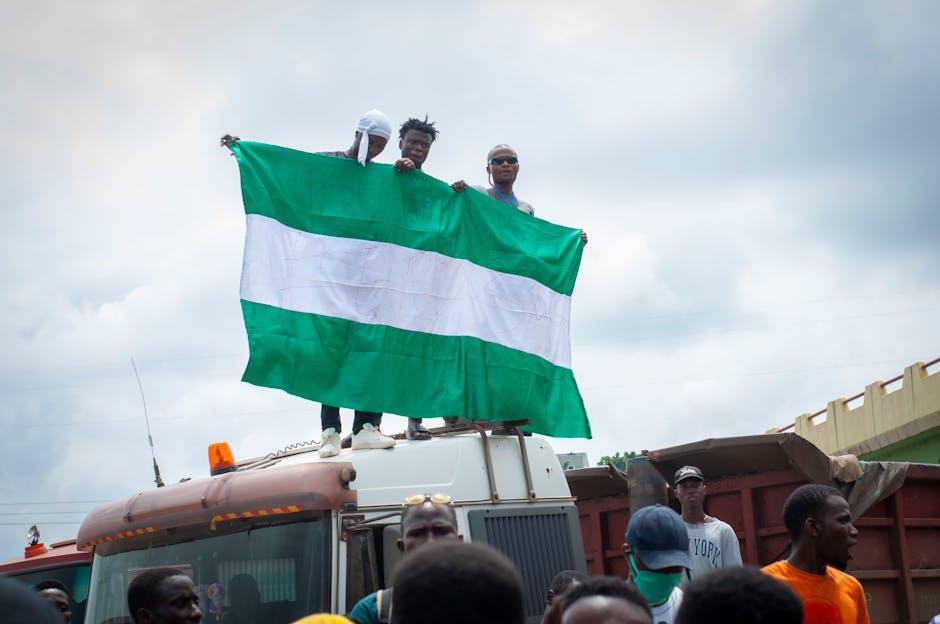
Nigerian politics has always been a theater of high-stakes drama, and the latest chapter unfolding in Jigawa State proves that the show never stops. The All Progressives Congress (APC) chapter in the northern state has made headlines by suspending seven of its members, including House of Representatives member Ibrahim Kamfani, over what party officials describe as “anti-party activities.” This bold move has sent shockwaves through Nigeria’s political landscape, highlighting the intense internal struggles that often define the country’s governing parties. The suspension represents more than just administrative action – it’s a statement about loyalty, power, and the lengths political parties will go to maintain internal cohesion.
The timing of these suspensions couldn’t be more significant, coming at a moment when Nigeria’s political parties are grappling with internal divisions and preparing for future electoral battles. Political observers across the country are watching closely, as similar patterns of internal conflict have emerged in various state chapters of major parties. The entertainment value of Nigerian politics often rivals that of Nollywood productions, with real-life political figures becoming household names and their controversies providing endless material for social media commentary and public discourse.
Understanding Nigeria’s Political Celebrity Culture
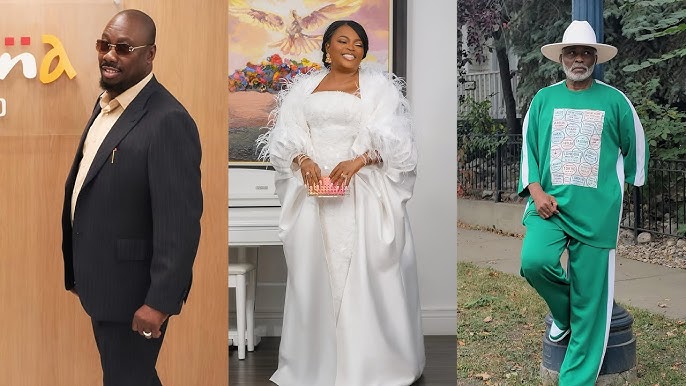
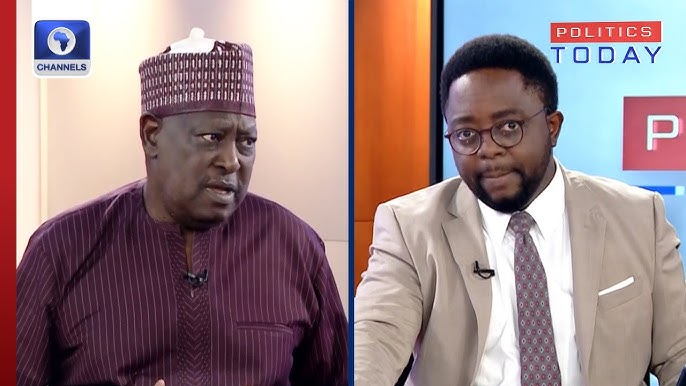
In contemporary Nigeria, politicians have become celebrities in their own right, commanding social media followings that rival those of Afrobeats stars and Nollywood actors. The line between politics and entertainment has blurred significantly, with political figures often appearing on talk shows, hosting elaborate events, and maintaining public personas that extend far beyond their official duties. This celebrity status makes political controversies particularly compelling to the Nigerian public, who follow political drama with the same intensity they bring to following their favorite musicians or movie stars.
The suspension of Ibrahim Kamfani and his colleagues taps into this broader cultural phenomenon where political news becomes entertainment news. Social media platforms across Nigeria are buzzing with discussions about the suspensions, with users creating memes, sharing opinions, and engaging in the kind of spirited debate typically reserved for discussions about the latest Burna Boy album or Genevieve Nnaji film. This crossover appeal demonstrates how deeply political personalities have penetrated Nigerian popular culture, making stories like this relevant to entertainment audiences who might not typically follow traditional political coverage.
The Power Play Behind Party Discipline
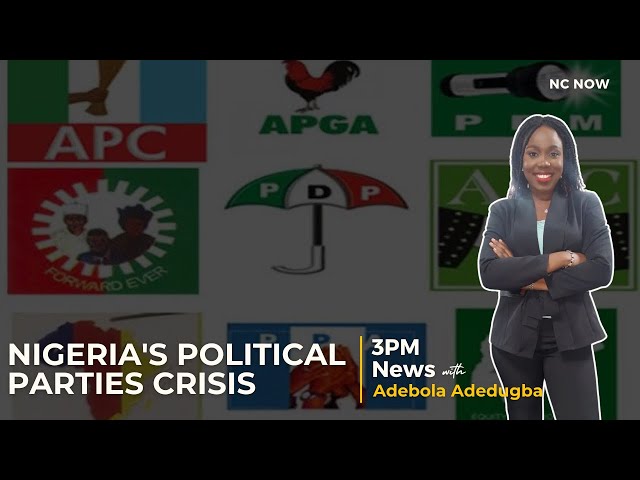
The concept of “anti-party activities” in Nigerian politics encompasses a wide range of behaviors that party leadership deems disloyal or counterproductive to the party’s interests. These can include supporting opposition candidates, making public statements that contradict party positions, or engaging in activities that undermine party unity. The APC’s decision to suspend these members reflects a broader trend in Nigerian politics where parties are becoming increasingly intolerant of internal dissent, prioritizing loyalty over diversity of thought within their ranks.
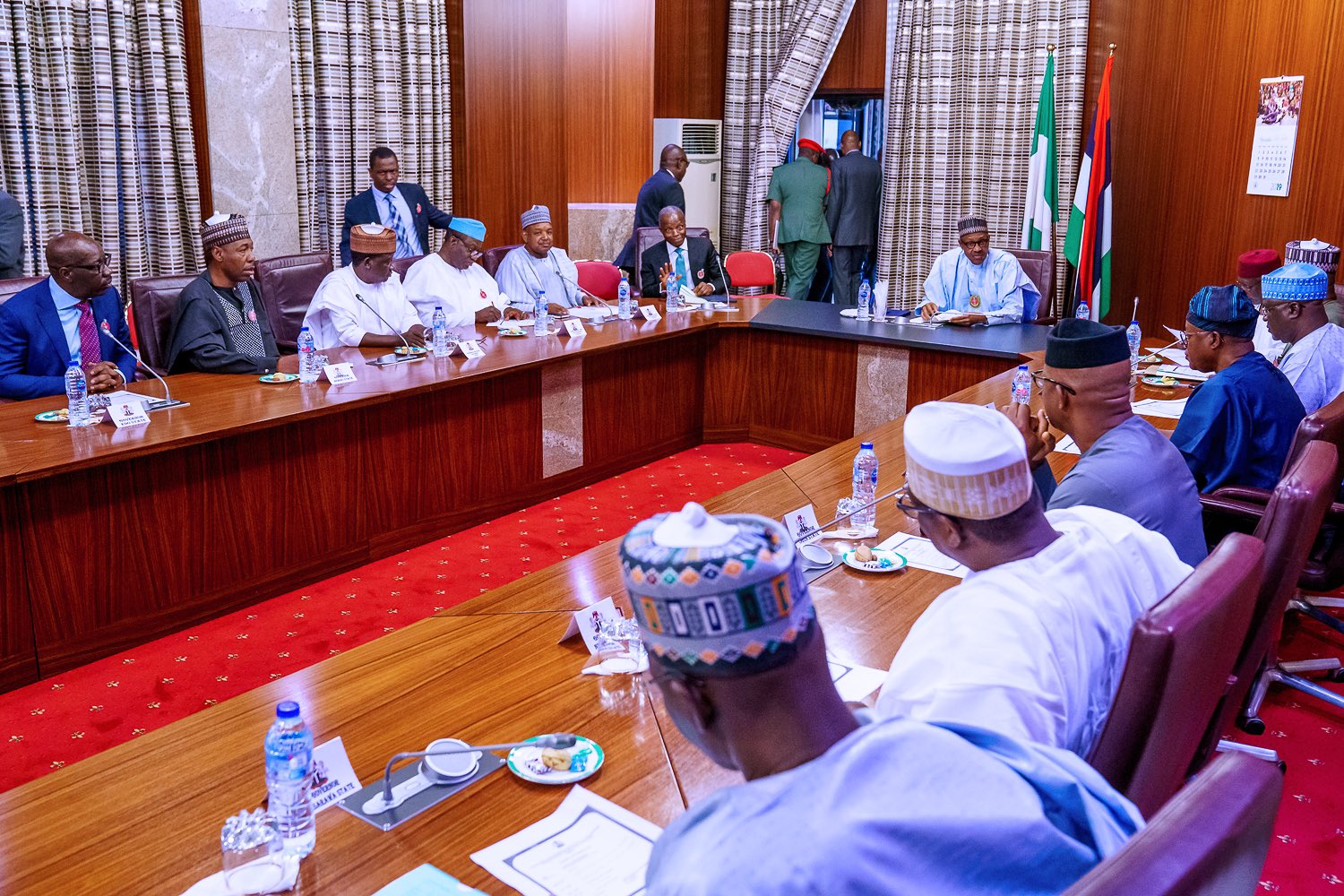
This disciplinary action also reveals the complex power dynamics at play within Nigeria’s ruling party. State chapters often operate with significant autonomy, and their decisions can reflect local political calculations that may or may not align with national party interests. The entertainment aspect of this story lies in its soap opera-like qualities – the betrayals, the power struggles, and the high-stakes consequences that political figures face when they fall out of favor with party leadership. These elements make political stories compelling viewing for audiences who appreciate drama and conflict, regardless of their level of political engagement.