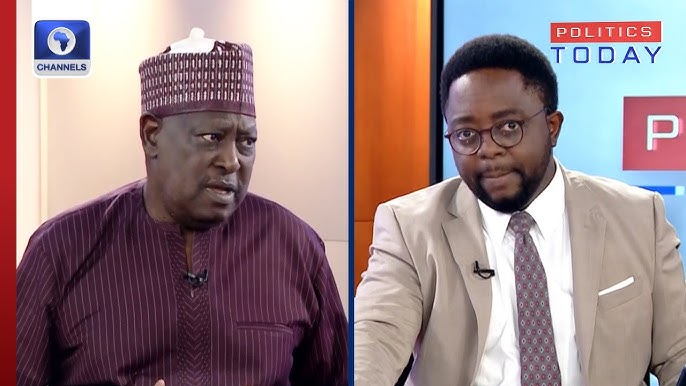
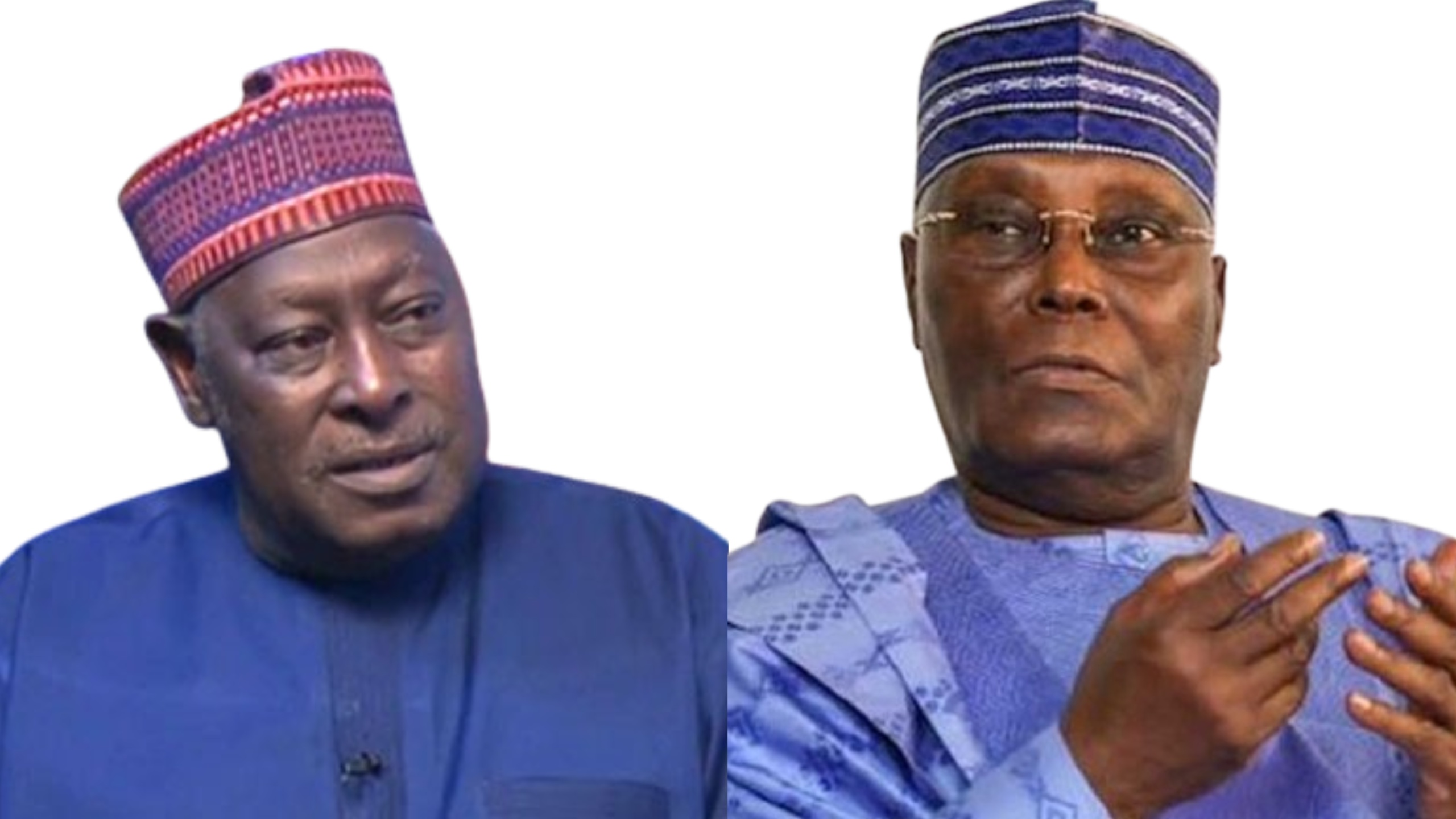
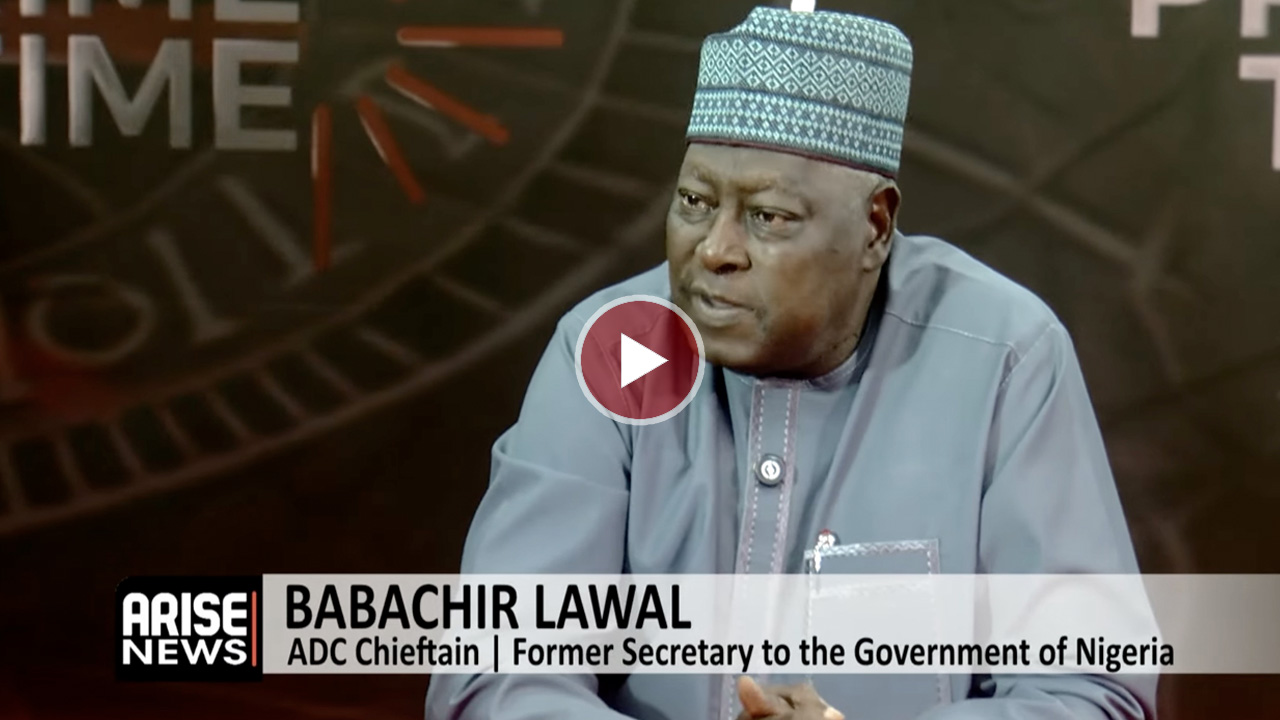
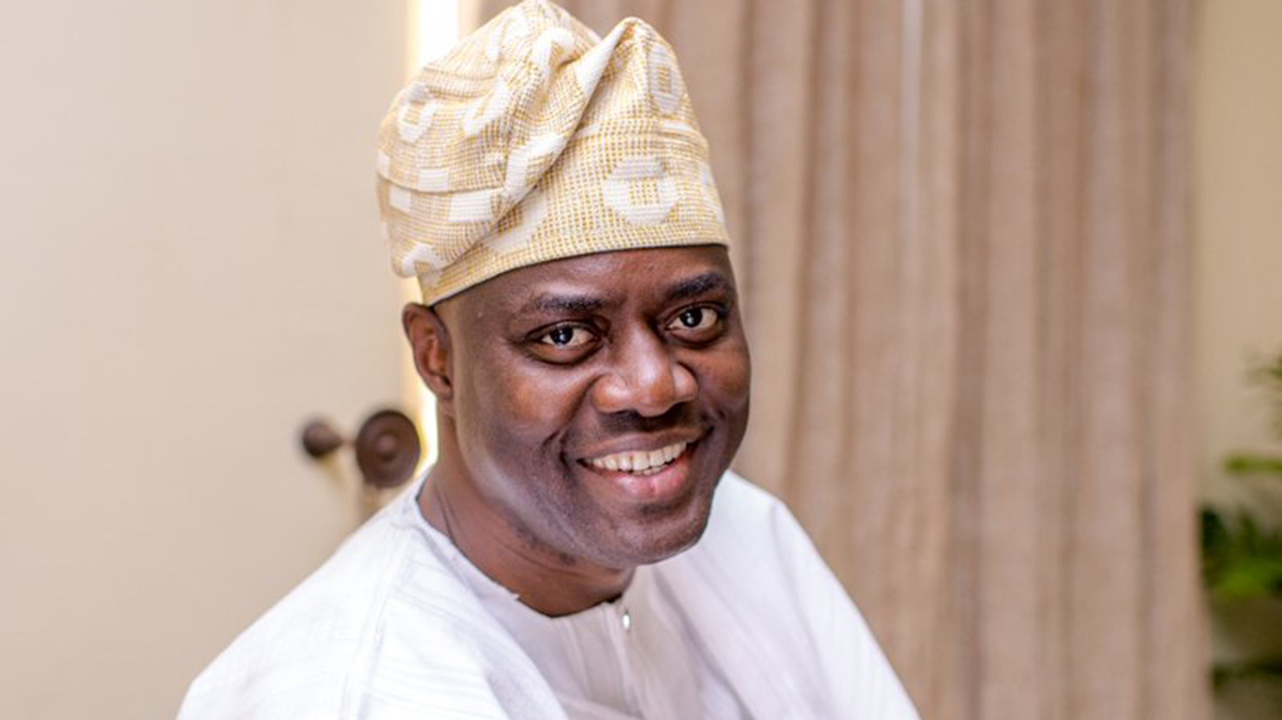
The Nigerian political landscape has been thrown into dramatic upheaval following the explosive resignation of Babachir Lawal from the African Democratic Congress (ADC). The former Secretary to the Government of the Federation didn’t just quietly slip away into the political sunset – instead, he delivered a scathing indictment of his former party that has sent shockwaves through political circles nationwide. Lawal’s departure comes with serious allegations of electoral manipulation that he claims fundamentally compromised the integrity of the party’s democratic processes. His resignation letter, which has been circulating widely across social media platforms, reads like a political thriller script, complete with accusations of backroom deals and systematic vote rigging that would make even the most seasoned political drama writers take notes.
Image: BBC
The Man Behind the Headlines
Babachir David Lawal isn’t just another face in Nigeria’s crowded political arena – he’s a figure whose career has been marked by both significant achievements and notable controversies that have kept him in the public eye for decades. Rising through the ranks of Nigerian politics, Lawal served as Secretary to the Government of the Federation under President Muhammadu Buhari’s administration, a position that placed him at the very heart of federal government operations and decision-making processes. His tenure was not without drama, as he faced allegations related to contract irregularities that eventually led to his removal from office, though he has consistently maintained his innocence regarding those charges. Despite the controversies, Lawal remained a significant political figure with considerable influence, particularly in northern Nigeria, where his opinions and political moves are closely watched by both supporters and critics alike.
Explosive Allegations Rock Party Foundation
The specifics of Lawal’s allegations paint a picture of systematic electoral manipulation that he claims was orchestrated to favor certain candidates over others within the ADC’s primary election processes. According to his statements, the rigging was not just isolated incidents but rather a “massive” coordinated effort that fundamentally undermined the democratic principles the party supposedly stands for. Lawal has alleged that party leadership engaged in vote buying, delegate intimidation, and result manipulation on a scale that made genuine democratic participation virtually impossible for candidates who weren’t part of the favored inner circle. His claims suggest that the primary elections were essentially predetermined, with the actual voting serving merely as theatrical window dressing to legitimize outcomes that had already been decided in smoke-filled backrooms. These allegations have prompted calls from various quarters for independent investigations into the ADC’s electoral processes, with civil society organizations expressing concern about the broader implications for Nigeria’s democratic development.
Advertisement
Image: ADC – African Democratic Congress
The Atiku Factor in Political Maneuvering
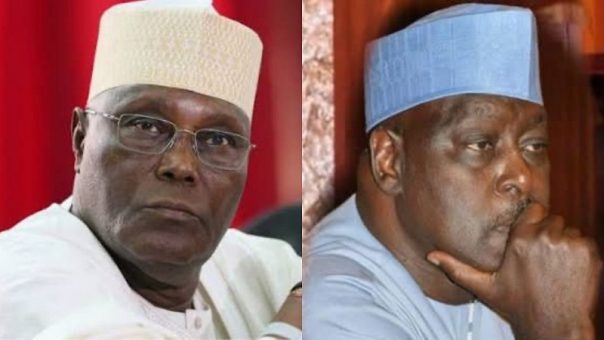
The mention of former Vice President Atiku Abubakar in connection with these allegations adds another layer of intrigue to an already complex political drama that has captured national attention. Atiku, a perennial presidential candidate who has run for Nigeria’s highest office multiple times across different political platforms, represents a significant figure in Nigerian politics whose involvement in any electoral controversy inevitably draws widespread scrutiny and debate. While the exact nature of Atiku’s connection to the alleged rigging remains unclear from Lawal’s public statements, the mere mention of his name in this context has political observers speculating about potential behind-the-scenes maneuvering and alliance-building within opposition circles. Atiku’s political career has been marked by his ability to navigate between different parties and coalitions, often positioning himself as a unifying figure for opposition forces seeking to challenge the ruling All Progressives Congress (APC). The timing of these allegations, coming as Nigeria’s political parties prepare for future electoral contests, suggests that the stakes involved go far beyond mere internal party politics and could have significant implications for opposition unity and strategy.
When Politics Meets Celebrity Culture
In today’s interconnected media landscape, political figures like Babachir Lawal have transcended traditional boundaries to become celebrity figures in their own right, with their personal dramas and public feuds generating the kind of buzz typically reserved for entertainment industry scandals. Social media has amplified this phenomenon, turning political resignations and allegations into trending topics that compete with music releases and movie premieres for public attention and engagement. Nigerian politics has increasingly taken on the characteristics of reality television, with larger-than-life personalities, dramatic plot twists, and public confrontations that keep audiences glued to their screens and constantly refreshing their news feeds. The entertainment value of political drama has created a new category of public figures who straddle the line between serious governance and celebrity culture, where resignation letters become viral content and political allegations generate the same kind of fan reactions and conspiracy theories typically associated with entertainment industry gossip. This blending of political substance with entertainment spectacle reflects broader changes in how Nigerian society consumes and processes information about governance and public affairs.
Image: CNN
What’s Next for Nigeria’s Political Landscape
Lawal’s dramatic exit from the ADC represents more than just one man’s political journey – it’s symptomatic of broader challenges facing Nigeria’s opposition parties as they struggle with internal cohesion, leadership disputes, and questions about their commitment to the democratic principles they publicly espouse. The allegations of rigged primaries, if substantiated, could have far-reaching consequences for the ADC’s credibility and its ability to present itself as a viable alternative to the ruling party in future elections. Political analysts are already speculating about potential domino effects, with other party members possibly following Lawal’s lead if they share his concerns about electoral integrity within the organization. The incident also highlights the ongoing challenges facing Nigeria’s democratic institutions, where allegations of electoral manipulation have become commonplace across the political spectrum, eroding public trust in the very processes that are supposed to ensure legitimate governance. As Nigeria continues to grapple with security challenges, economic difficulties, and social tensions, the need for credible political institutions and transparent electoral processes becomes even more critical for maintaining democratic stability and public confidence in the system.
Advertisement
Share
Get the recap
Loved this story? Get more like it.
Join readers who get our weekly entertainment recap - the stories worth your time, delivered every Friday.
No spam. Unsubscribe anytime. By signing up you agree to our Privacy Policy.