

Table of Contents
- Drake Maintains Chart Dominance with ‘ICEMAN’
- LE SSERAFIM’s Historic Billboard Breakthrough
- The Power of Streaming in Today’s Music Landscape
- Cross-Cultural Appeal Drives Modern Chart Success
- What These Chart Positions Mean for the Industry
Drake Maintains Chart Dominance with ‘ICEMAN’

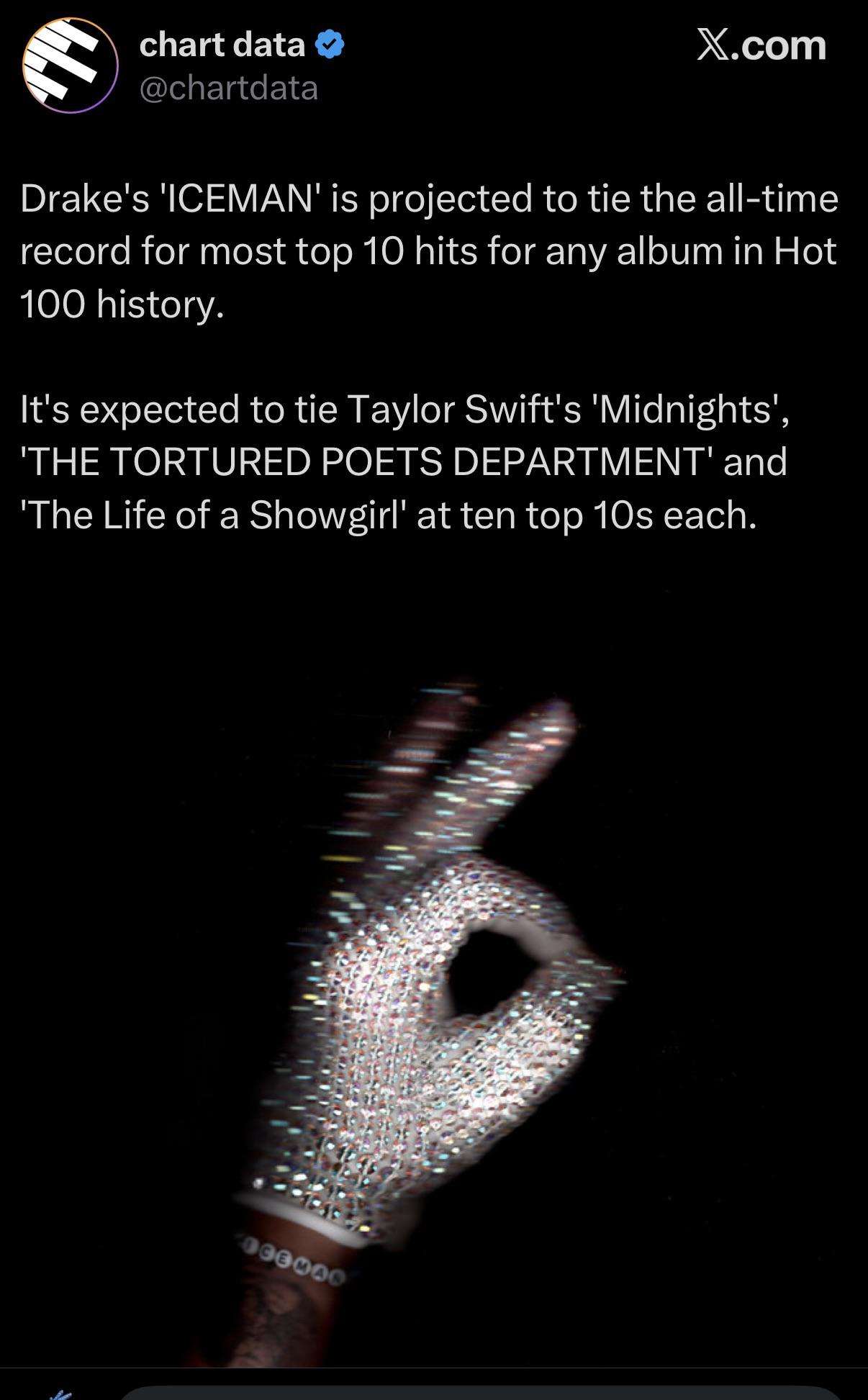
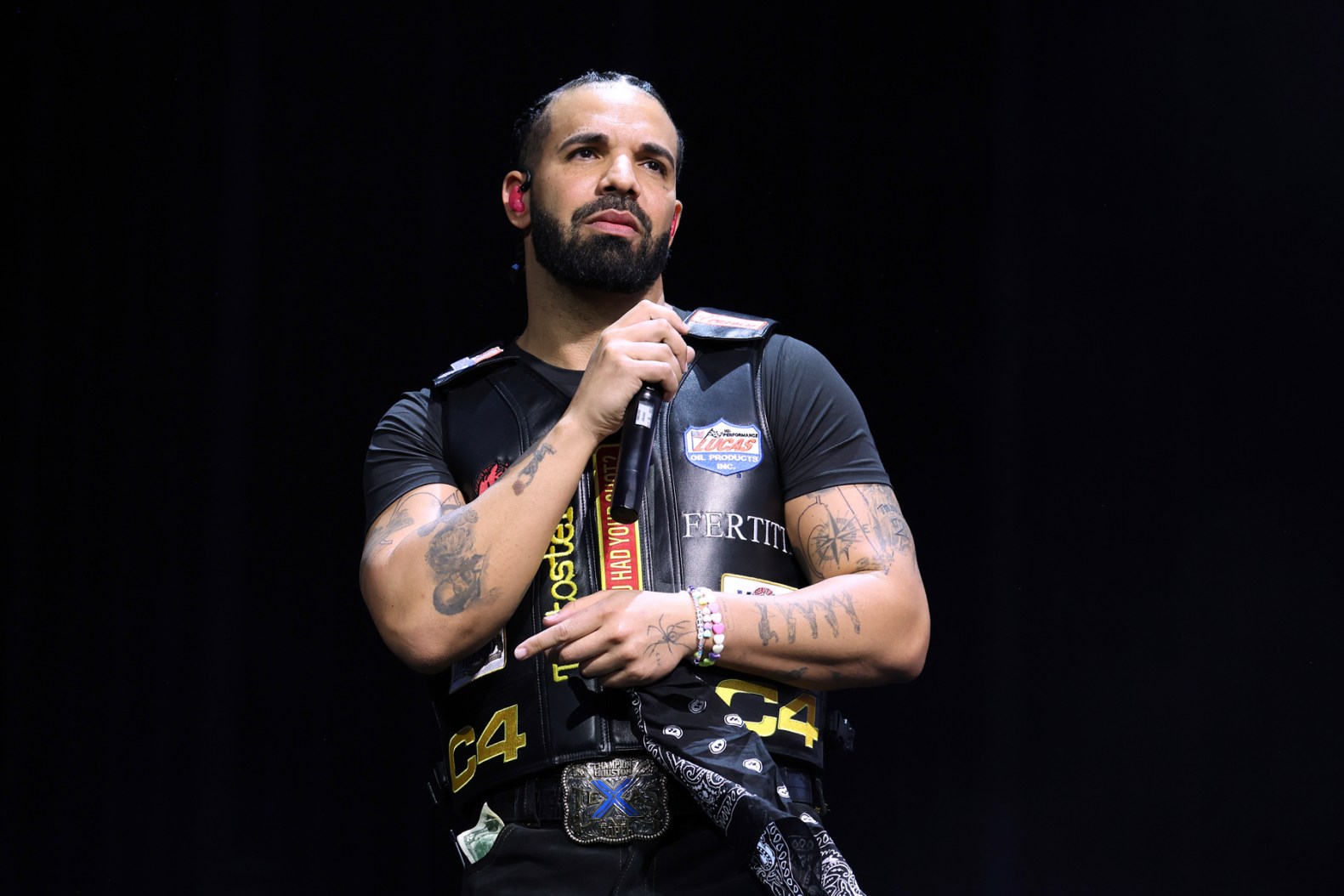
For the second consecutive week, Drake’s latest offering ‘ICEMAN’ sits comfortably atop the Billboard 200, proving once again that the Toronto native’s commercial appeal remains virtually unmatched in today’s music landscape. The album’s continued success reinforces Drake’s position as one of the most consistent chart performers of the streaming era, with his ability to blend melodic rap with mainstream sensibilities continuing to resonate with audiences across demographic lines. This latest achievement adds to an already impressive catalog of chart-toppers that has cemented his status as one of the defining artists of the 2010s and beyond. The sustained performance of ‘ICEMAN’ also demonstrates how established superstars can still command significant attention in an increasingly fragmented music marketplace where viral moments often overshadow traditional album rollouts.
The album’s staying power can be attributed to several factors beyond Drake’s established fanbase. Critics have noted that ‘ICEMAN’ represents a more focused artistic vision compared to some of his recent releases, with tighter production and more cohesive thematic elements running throughout the project. The strategic release of accompanying visual content and Drake’s continued presence across social media platforms have helped maintain momentum in the crucial second week, when many albums typically experience significant drops in consumption. Industry observers point to this sustained chart performance as evidence that traditional album campaigns, when executed properly, can still compete effectively against the instant gratification culture that dominates modern music consumption patterns.
LE SSERAFIM’s Historic Billboard Breakthrough
While Drake maintains his stronghold at the top, the real story emerging from this week’s Billboard 200 might be LE SSERAFIM’s impressive debut in the top 10, marking a significant milestone for both the group and the broader K-pop movement in Western markets. The five-member girl group, formed under HYBE Corporation (formerly Big Hit Entertainment), has achieved their highest US chart position to date, demonstrating the continued global expansion of Korean pop music beyond the groundbreaking success of acts like BTS and BLACKPINK. This chart performance represents more than just commercial success - it signals the maturation of K-pop as a truly global phenomenon rather than a niche interest, with newer acts now capable of achieving mainstream recognition without the years-long cultivation period that previous generations required.

The group’s chart success comes at a particularly interesting time for K-pop’s relationship with American audiences, as the genre continues to evolve beyond its initial novelty status to become a legitimate force in mainstream music consumption. LE SSERAFIM’s ability to crack the top 10 speaks to their strategic approach to international markets, including English-language content, collaborations with Western producers, and a social media strategy specifically tailored to global audiences. Their success also highlights the effectiveness of HYBE’s international expansion strategy, leveraging lessons learned from BTS’s breakthrough to accelerate the timeline for newer acts to achieve similar recognition. The group’s blend of traditional K-pop aesthetics with more universally accessible musical elements has clearly resonated with American listeners who might have previously been hesitant to engage with foreign-language music.
The Power of Streaming in Today’s Music Landscape

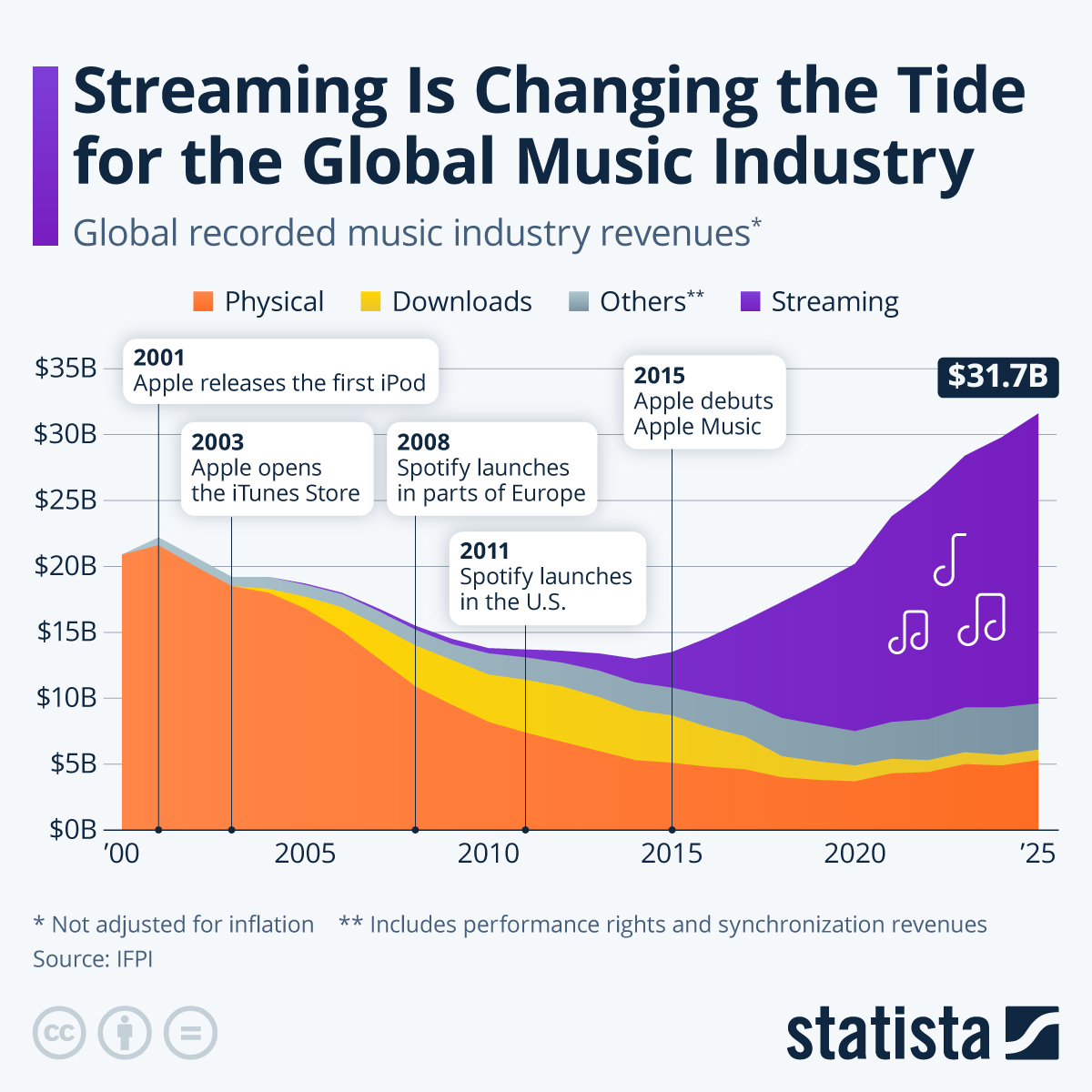
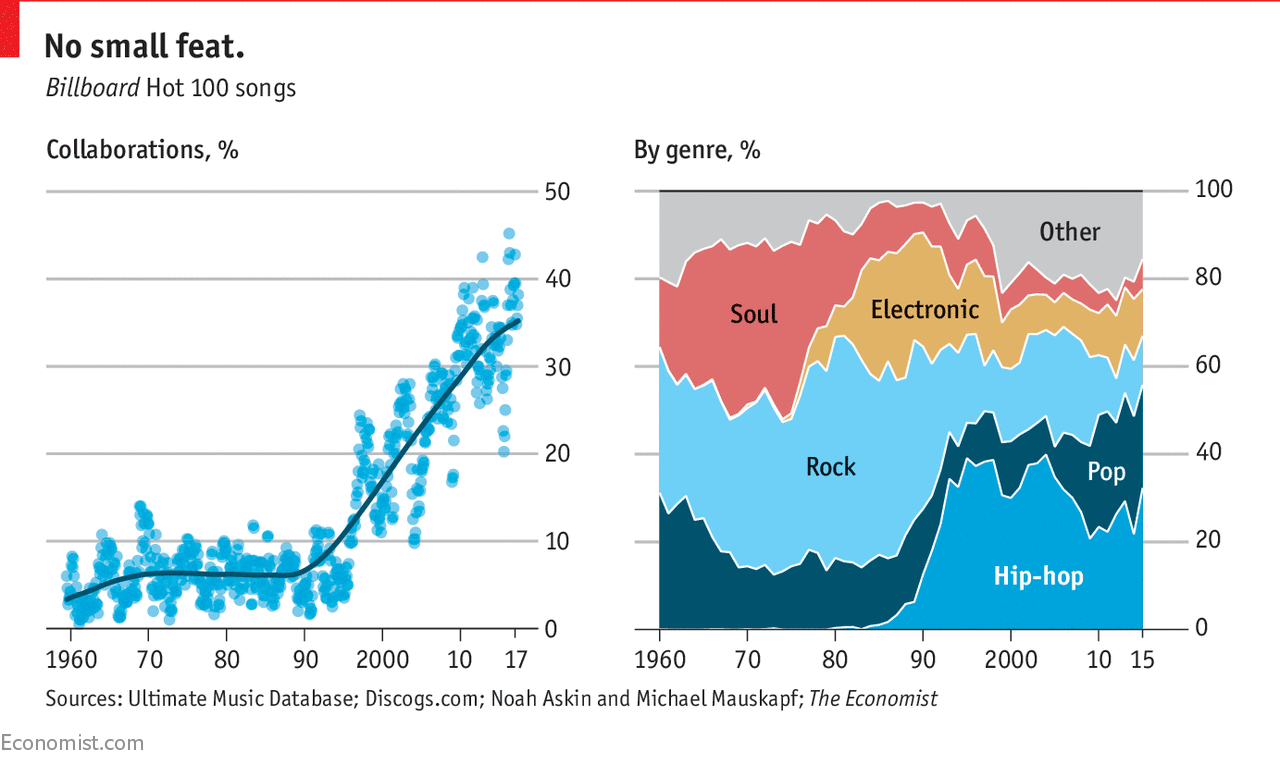
Both Drake’s continued chart dominance and LE SSERAFIM’s breakthrough success illustrate the transformative impact of streaming platforms on how music charts reflect actual listening habits rather than just physical sales. The Billboard 200’s incorporation of streaming data has fundamentally altered the competitive landscape, allowing artists from diverse backgrounds and genres to compete on more equal footing based purely on listener engagement. Drake’s sustained chart performance demonstrates how streaming-native artists can maintain relevance across multiple chart cycles, while LE SSERAFIM’s success shows how international acts can leverage global streaming platforms to bypass traditional gatekeepers in the American music industry. This democratization of music distribution has created opportunities for artists who might have previously struggled to gain traction through conventional radio and retail channels.