
Table of Contents
- Drake’s Visual Evolution Continues
- Breaking Down “Iceman”: Cold Luxury Meets Warm Nostalgia
- The “Habibti” Visual: Cultural Bridge-Building Through Music
- “Maid of Honour”: Vulnerability in High Definition
- Behind the Lens: Production Value and Artistic Direction
- The Bigger Picture: What These Visuals Mean for Drake’s Legacy
Drake’s Visual Evolution Continues

Drake has never been one to do things halfway, and his latest visual trilogy proves that the Toronto superstar continues to push creative boundaries well into his second decade of dominance. The rollout of videos for “Iceman,” “Habibti,” and “Maid of Honour” represents more than just promotional material for new music - it’s a carefully crafted cinematic experience that showcases Drake’s evolution as both an artist and a visual storyteller. Each video serves as a distinct chapter in what feels like an interconnected narrative about love, success, and the complexities of modern relationships. The production quality and artistic vision behind these releases demonstrate why Drake remains at the forefront of not just hip-hop, but contemporary visual culture as a whole.
What makes this particular collection of videos so compelling is how they collectively explore different facets of Drake’s artistic persona while maintaining a cohesive aesthetic thread. From the icy opulence of “Iceman” to the cultural fusion elements in “Habibti” and the intimate vulnerability displayed in “Maid of Honour,” each visual piece contributes to a larger conversation about identity, authenticity, and artistic growth. The strategic release of these videos also speaks to Drake’s understanding of how visual content drives engagement in today’s streaming-dominated music landscape, where a compelling video can extend a song’s cultural lifespan indefinitely.
Breaking Down “Iceman”: Cold Luxury Meets Warm Nostalgia

The “Iceman” video opens Drake’s visual trilogy with a statement piece that immediately establishes the luxurious yet introspective tone that runs throughout all three releases. Shot against a backdrop of pristine winter landscapes and gleaming chrome interiors, the video creates a visual metaphor for Drake’s position in the industry - cool, untouchable, yet somehow inviting viewers into his world. The cinematography employs a deliberate contrast between cold external environments and warm, intimate indoor spaces, suggesting the duality between Drake’s public persona and private emotions. Director of photography choices include sweeping drone shots of snow-covered estates and tight close-ups that capture subtle facial expressions, creating a dynamic visual rhythm that matches the song’s production perfectly.

The styling choices in “Iceman” deserve particular attention, as they reflect both current luxury fashion trends and Drake’s personal aesthetic evolution. Throughout the video, he moves seamlessly between tailored winter coats, minimalist designer pieces, and more casual streetwear, each outfit change corresponding to different emotional beats in the song. The color palette remains consistently cool - whites, grays, and blues dominate - but strategic pops of gold jewelry and warm lighting in interior scenes prevent the visual from feeling sterile. This attention to detail extends to the set design, where every element from furniture selection to lighting fixtures appears carefully chosen to reinforce the song’s themes of success, isolation, and the search for genuine connection.
The “Habibti” Visual: Cultural Bridge-Building Through Music
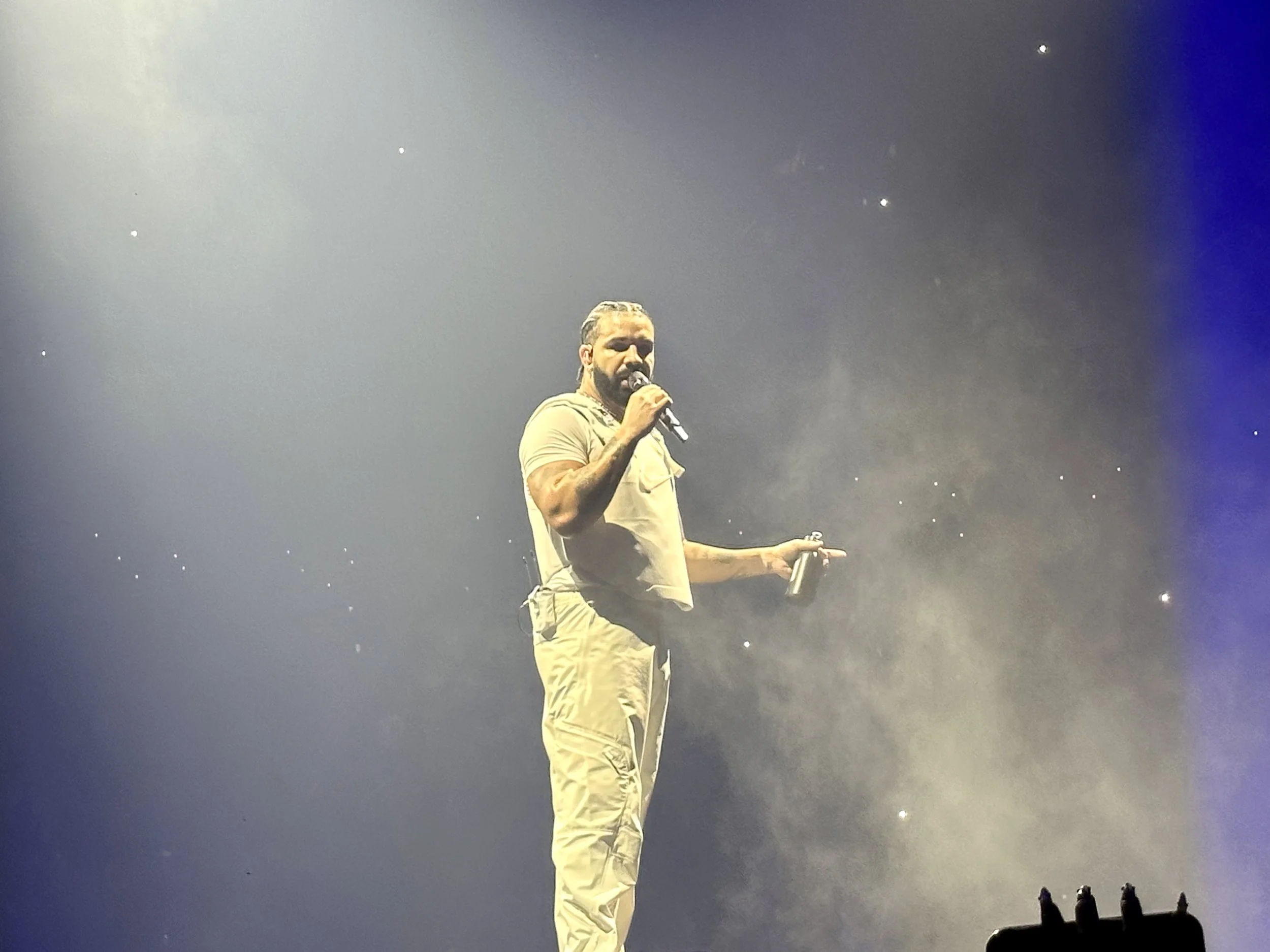
With “Habibti,” Drake ventures into more culturally diverse visual territory, creating a video that celebrates Middle Eastern and North African influences while maintaining his signature Toronto sensibilities. The term “habibti” itself, meaning “my love” in Arabic, sets the stage for a visual exploration of cross-cultural romance and appreciation. The video features stunning desert landscapes, ornate architectural details, and traditional artistic elements that pay homage to MENA culture without falling into stereotypical representations. Drake’s team clearly invested significant research and cultural consultation into this production, resulting in visuals that feel authentic rather than appropriative.
The dance sequences in “Habibti” represent some of the most dynamic choreography in Drake’s recent video catalog, incorporating traditional Middle Eastern dance elements alongside contemporary movement. Professional dancers dressed in flowing fabrics create mesmerizing visual patterns against golden-hour lighting, while Drake moves through the scenes with a confidence that suggests genuine appreciation for the cultural elements he’s incorporating. The video’s production design includes intricate tile work, flowing textiles, and architectural details that transform each location into a feast for the eyes. This visual richness supports the song’s melodic complexity and demonstrates Drake’s continued willingness to expand his artistic palette beyond conventional hip-hop and R&B visual tropes.