
Table of Contents
- NERC’s Compensation Scheme Breakdown
- How Power Shortages Are Crippling Nigeria’s Entertainment Boom
- Celebrity Voices: When the Lights Go Out
- Creative Solutions and Backup Plans
- What This Means for Nigeria’s Entertainment Future
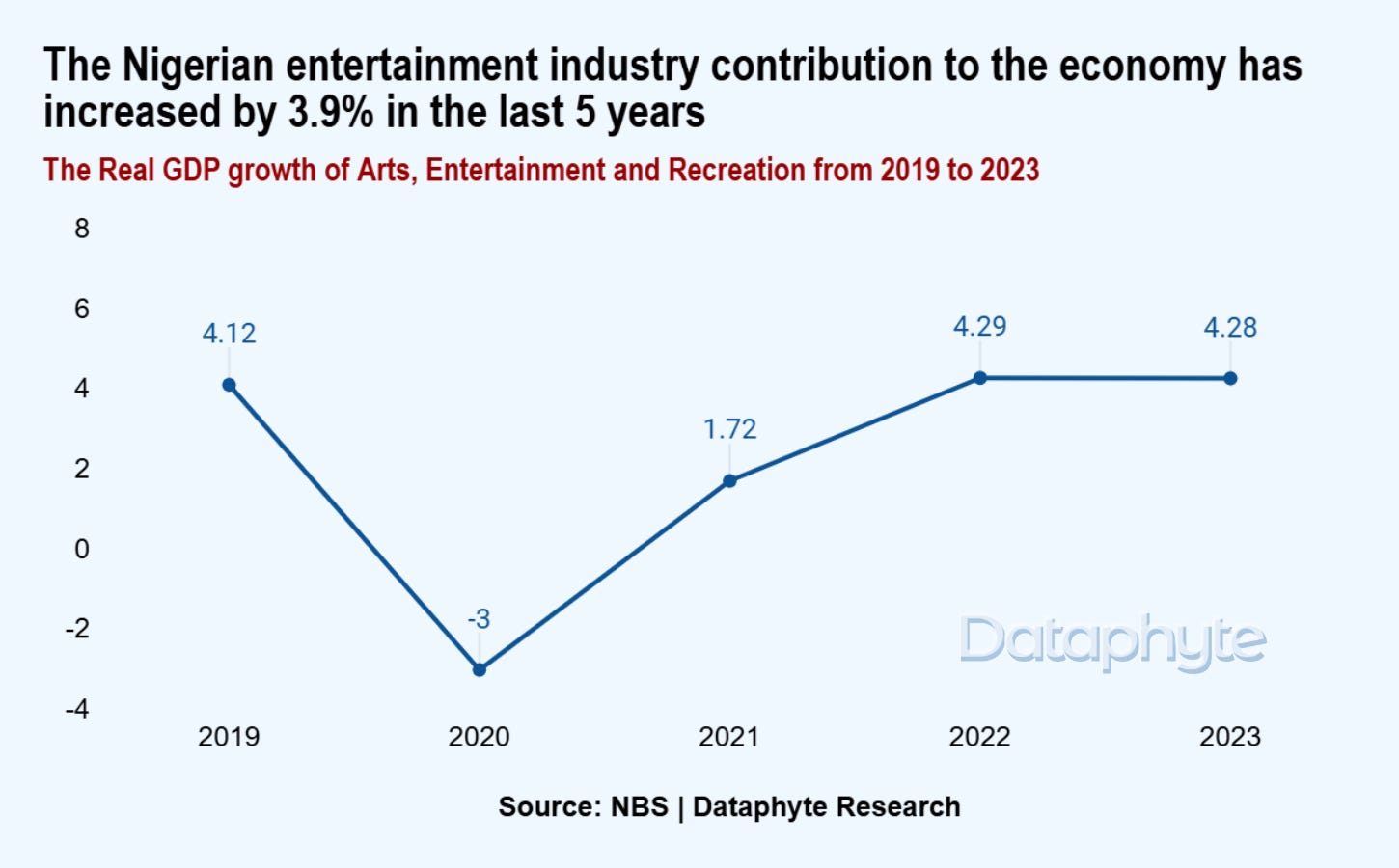
The Nigerian entertainment industry has been riding an unprecedented wave of global success, with Afrobeats dominating international charts and Nollywood productions reaching new heights of acclaim. However, beneath the glittering surface of red carpet premieres and sold-out concerts lies a persistent challenge that threatens to dim the lights on this cultural renaissance - Nigeria’s ongoing electricity crisis. The Nigerian Electricity Regulatory Commission’s (NERC) recent directive for Distribution Companies (DisCos) to compensate Band A customers for power supply shortfalls has brought renewed attention to an issue that’s been quietly undermining one of Africa’s most vibrant entertainment ecosystems. While the compensation scheme represents a step toward accountability, it also highlights the systemic problems that continue to plague an industry where consistent power supply isn’t just a convenience - it’s the lifeblood of creativity and production.
NERC’s Compensation Scheme Breakdown
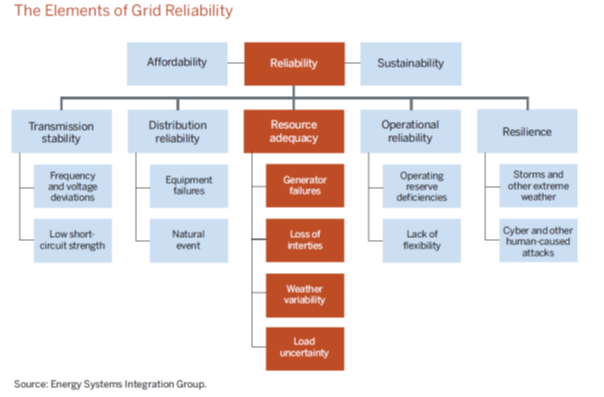
The newly approved compensation framework specifically targets Band A electricity customers, who represent the premium tier of Nigeria’s electricity consumer classification system. These customers, who pay the highest tariffs, are promised a minimum of 20 hours of daily electricity supply - a guarantee that has frequently fallen short of reality. Under the new directive, Distribution Companies must now provide tangible compensation through electricity unit credits and billing adjustments when they fail to meet these supply commitments. This development is particularly significant for Nigeria’s entertainment sector, where many high-profile studios, production houses, and celebrity residences fall into the Band A category due to their substantial power consumption needs.
The compensation mechanism operates on a sliding scale, with credits calculated based on the duration and frequency of power outages. For entertainment industry stakeholders who have invested heavily in premium electricity packages to ensure uninterrupted operations, this represents the first formal acknowledgment that substandard service delivery has financial consequences. However, industry insiders are already questioning whether monetary compensation can truly address the creative and financial losses incurred when filming schedules are disrupted, recording sessions are cut short, or live performances are cancelled due to power failures. The entertainment business operates on tight deadlines and creative momentum, making the reliability of power supply far more critical than the potential for after-the-fact compensation.
How Power Shortages Are Crippling Nigeria’s Entertainment Boom
Nigeria’s entertainment industry has evolved into a multi-billion dollar economic powerhouse, but inconsistent electricity supply continues to create bottlenecks that limit its full potential. Film production companies operating out of Lagos and Abuja have had to build power outage contingencies into their budgeting, with some productions allocating up to 30% of their budgets to generator fuel and backup power solutions. This additional overhead significantly impacts the competitiveness of Nigerian productions in the global marketplace, where international collaborators expect consistent infrastructure standards. The ripple effects extend beyond just production costs - when power failures occur during critical filming moments, the resulting delays can cascade through entire project timelines, affecting distribution schedules and marketing campaigns.

Music studios across the country face similar challenges, with many Afrobeats producers and artists investing in expensive backup power systems just to maintain their creative output. The irony isn’t lost on industry observers that while Nigerian music is conquering global streaming platforms and international festival stages, the artists creating these chart-topping hits often struggle with basic electrical infrastructure at home. Recording sessions that should take hours stretch into days when power interruptions force artists and producers to restart complex technical processes. For emerging artists who can’t afford comprehensive backup systems, these power challenges can literally silence their voices before they have a chance to be heard on the world stage.
Celebrity Voices: When the Lights Go Out
High-profile Nigerian entertainers have increasingly used their platforms to highlight the electricity crisis, though many are careful to balance criticism with patriotic support for their country’s development. Social media has become a venue for celebrities to share their power-related frustrations, often with a mix of humor and genuine concern about how infrastructure challenges impact their ability to create and perform. These public figures, who often maintain multiple properties and extensive home studios, represent some of the most affected Band A customers in the entertainment sector. Their experiences with power outages provide a window into how infrastructure challenges trickle down through the entire industry ecosystem.