Cody Gakpo: The African-Rooted Star Powering the Netherlands' Attack
Miki Anderson··9 min read
Ad SpaceArticle Top - 728x90
Advertisement
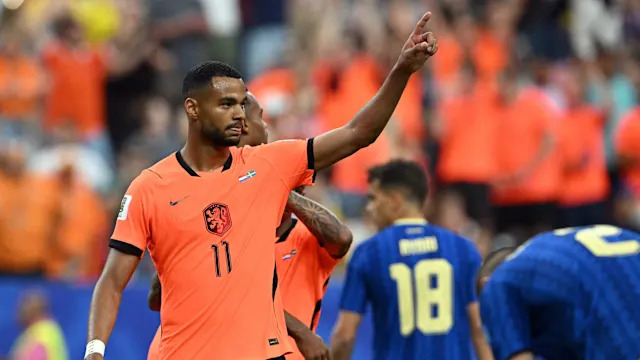
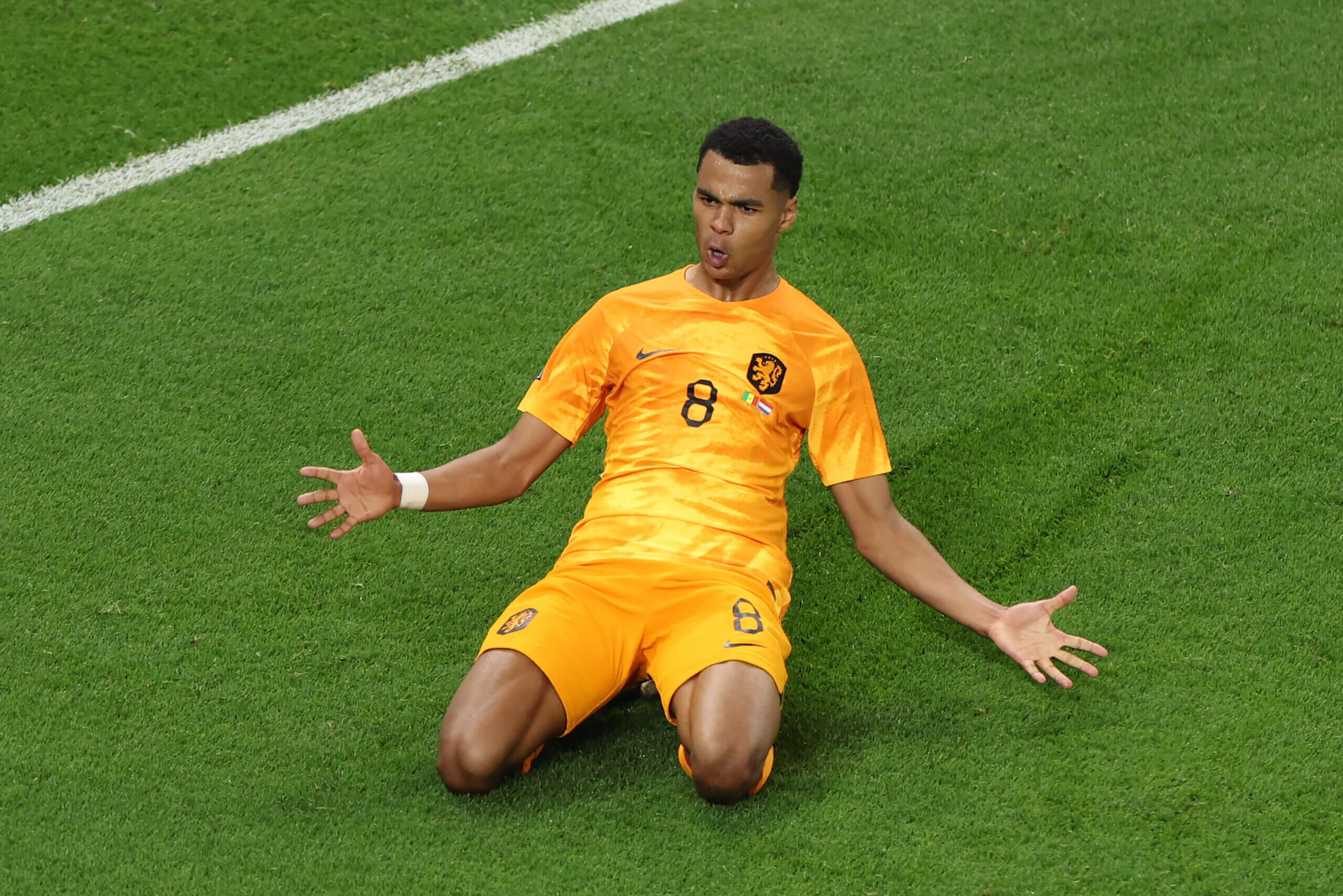
Houston’s stadium roof trapped the noise on the night of June 20, 2026, and for a few minutes the building seemed to belong to one man. Two minutes after the break, a low cross found a Dutch forward arriving at the back post, and the finish was clean enough to make Sweden’s defenders look like spectators. Seven minutes later he did it again, a right-footed strike from the left side of the box that left the goalkeeper rooted. By the time the Netherlands had finished with Sweden, the scoreboard read 5-1, two of those goals carried his name, and a third had come from his assist. The man at the centre of it carried more than a brace into the record books that evening. He carried a story that runs from a quiet district of Eindhoven through the markets of Lomé.
That man is Cody Gakpo, and the journey behind the goals is one that resonates far beyond the Netherlands.
A goal, a vest, and a declaration
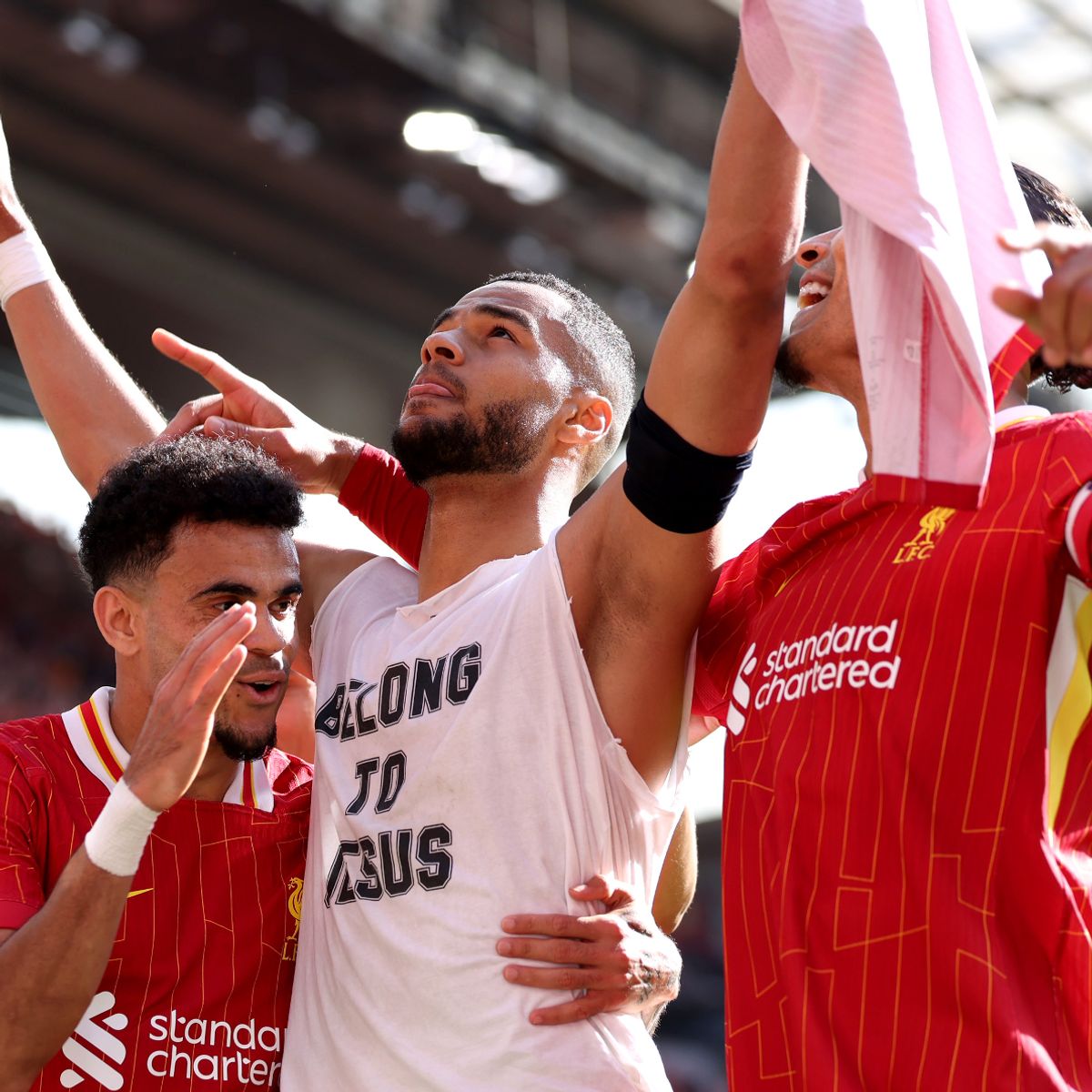
To understand the player, rewind to a different stadium and a different season. In April 2025, with Liverpool chasing the goal that would all but seal the Premier League title, Gakpo slid the ball home against Tottenham Hotspur at Anfield. What he did next mattered as much as the finish itself. He peeled off his shirt to reveal a white vest with four words printed across the chest: “I belong to Jesus.”
The referee booked him, and the Football Association later reminded him of the rule against revealing slogans of any kind, though it took no further action. None of that dimmed the moment. The goal helped Liverpool toward the trophy, and the gesture turned a scoreline into a statement. It told anyone watching exactly who Gakpo believes he is, and it set the tone for everything that has followed. The man who scored twice in Houston is the same one who lifts his shirt to point past the pitch.
The Eindhoven kid with Togolese roots
Gakpo was born on May 7, 1999, in Eindhoven, raised in the city’s Stratum district. His household was a meeting point of two worlds. His father, Johnny Gakpo, was born in Togo and played professional football in the country’s top flight, even earning a cap for the Togolese national team. His mother, Ank Gakpo, is Dutch and a former international rugby player who later taught in a Dutch secondary school. The couple met in Togo before building a life in the Netherlands, and that crossing of continents shaped the boy who grew up between them.
The family name carries West African weight. Johnny Gakpo’s line is rooted in Togo, with Ghanaian ancestry also part of the family heritage, which is why both nations have claimed a piece of the player over the years. Eligibility rules meant the young Gakpo could have chosen the Netherlands, Ghana, or Togo for his international career. He chose the country of his birth, but he has never treated his African roots as a footnote. They sit at the heart of how he speaks about himself.
That dual inheritance is part of why his rise lands so heavily with readers across Africa and its diaspora. Here is a player born and trained in Europe, lighting up the biggest stages in the game, whose surname and bloodline trace back to a small West African nation that rarely makes the front pages of world football.
The PSV academy breakthrough
Long before the World Cup goals, there was the long apprenticeship at PSV Eindhoven, the club on his doorstep. Gakpo came up through the PSV academy, the same production line that has fed Dutch and European football for decades. Progress was not instant. He spent years learning his trade, loaned out and worked into the first team gradually rather than thrust into the spotlight overnight.
When he finally claimed a regular place, the patience paid off. Gakpo became one of the most productive attackers in the Eredivisie, a tall, left-footed forward who could play off the wing or through the middle, beat a defender, and finish with either foot. He captained PSV and turned himself into the kind of player Europe’s biggest clubs send scouts to watch. The numbers backed up the eye test, with goals and assists piling up in a position that asked him to both create and finish, and his ability to lead the line or hug the touchline made him a problem few Eredivisie defences solved cleanly. By the time the 2022 World Cup arrived, he was no longer a prospect. He was a forward on the edge of something larger, and the tournament in Qatar would push him through the door.
The 2022 World Cup announcement
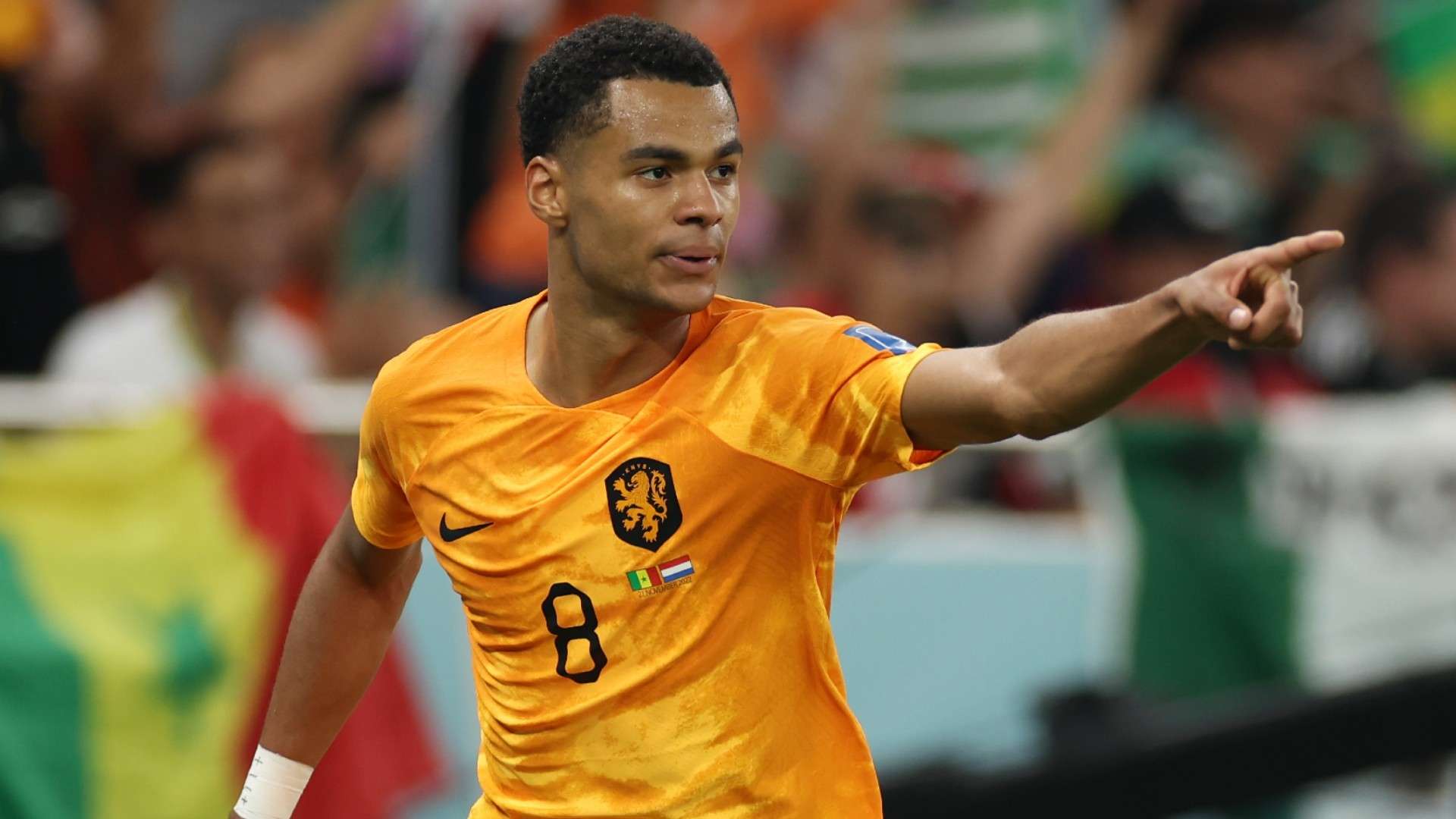
Some players spend a career searching for a stage to announce themselves. Gakpo found his in Qatar. At the 2022 World Cup, he scored in each of the Netherlands’ three group-stage matches, finding the net against Senegal, Ecuador, and host nation Qatar in turn. Three goals in three games is a rare run, the kind of streak that turns a respected domestic forward into a name the wider football world suddenly knows.
The goals did more than help the Dutch top their group. They confirmed a verdict that clubs across the continent had already begun to reach. A forward who could deliver on that scale, on that stage, at twenty-three, was not going to stay in the Eredivisie much longer. The phone lines were already warming up.
The Liverpool move
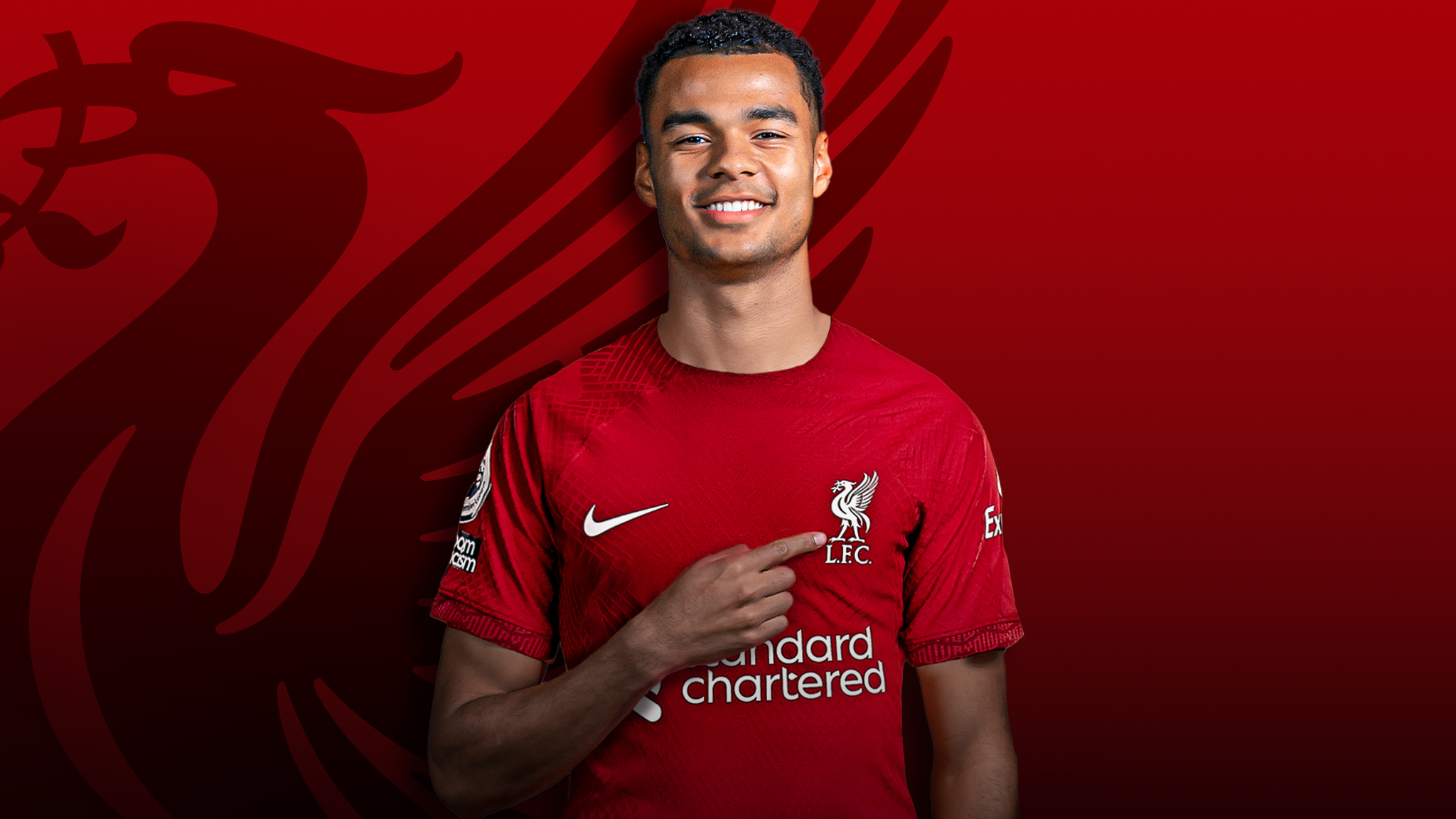
The bidding did not drag on. In late December 2022, with the World Cup barely behind him, Gakpo agreed to join Liverpool, and the reported fee sat in the region of 40 to 50 million euros, a record sum for PSV to receive. He made his debut in early January 2023, slotting into a Liverpool side rebuilding around a new generation.
Ad SpaceIn-Article - 300x250
Advertisement
The early months asked questions of him, as they ask of almost any forward adapting to the Premier League’s speed and physical demands. Gakpo answered them gradually. He found a role that suited him, drifting between the wing and a central position, using his frame to hold the ball and his finishing to punish hesitation. He was not the loudest signing of his era at the club, but he became one of the most reliable, the kind of player who turns up when the scoreline needs him.
The title-winning forward
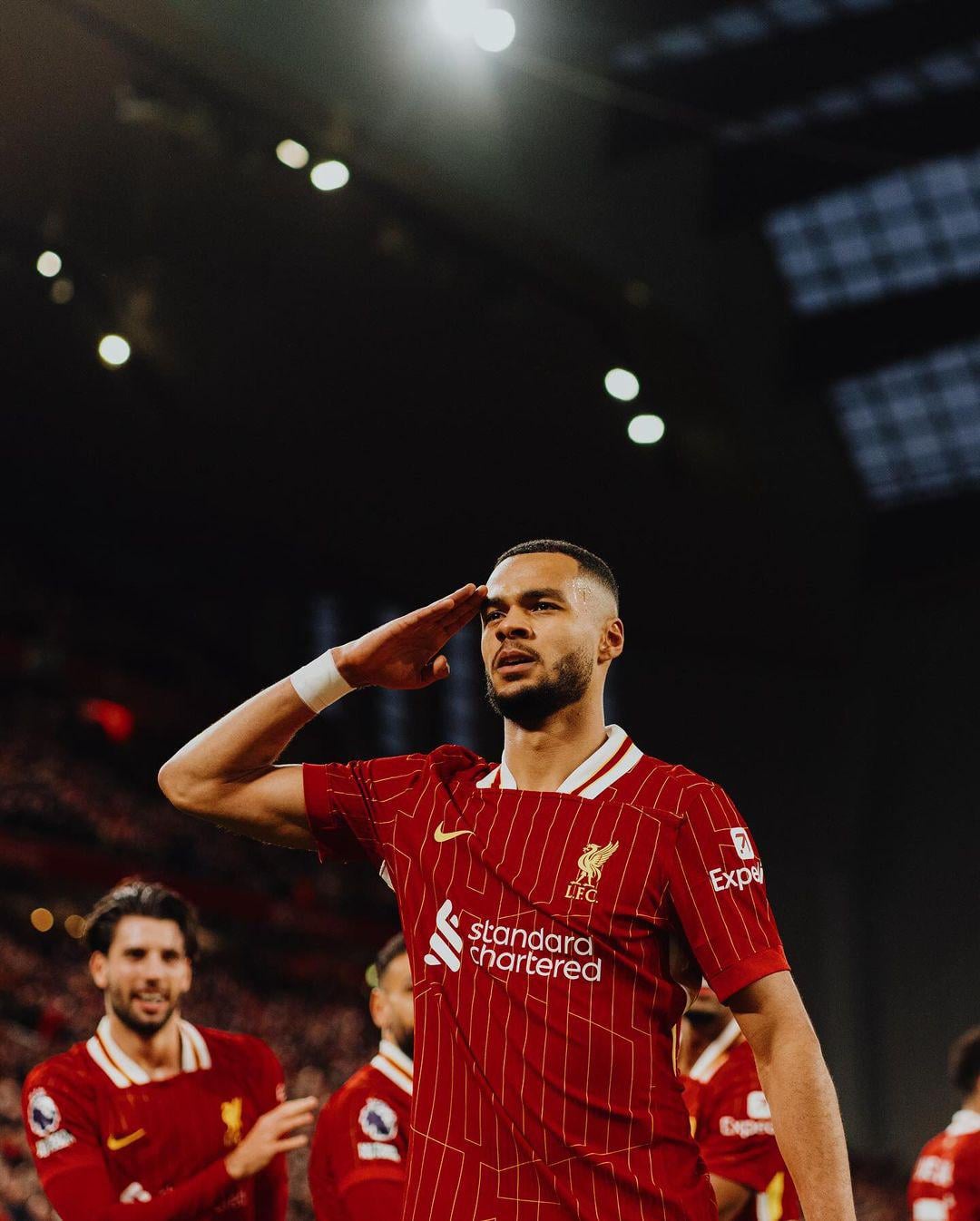
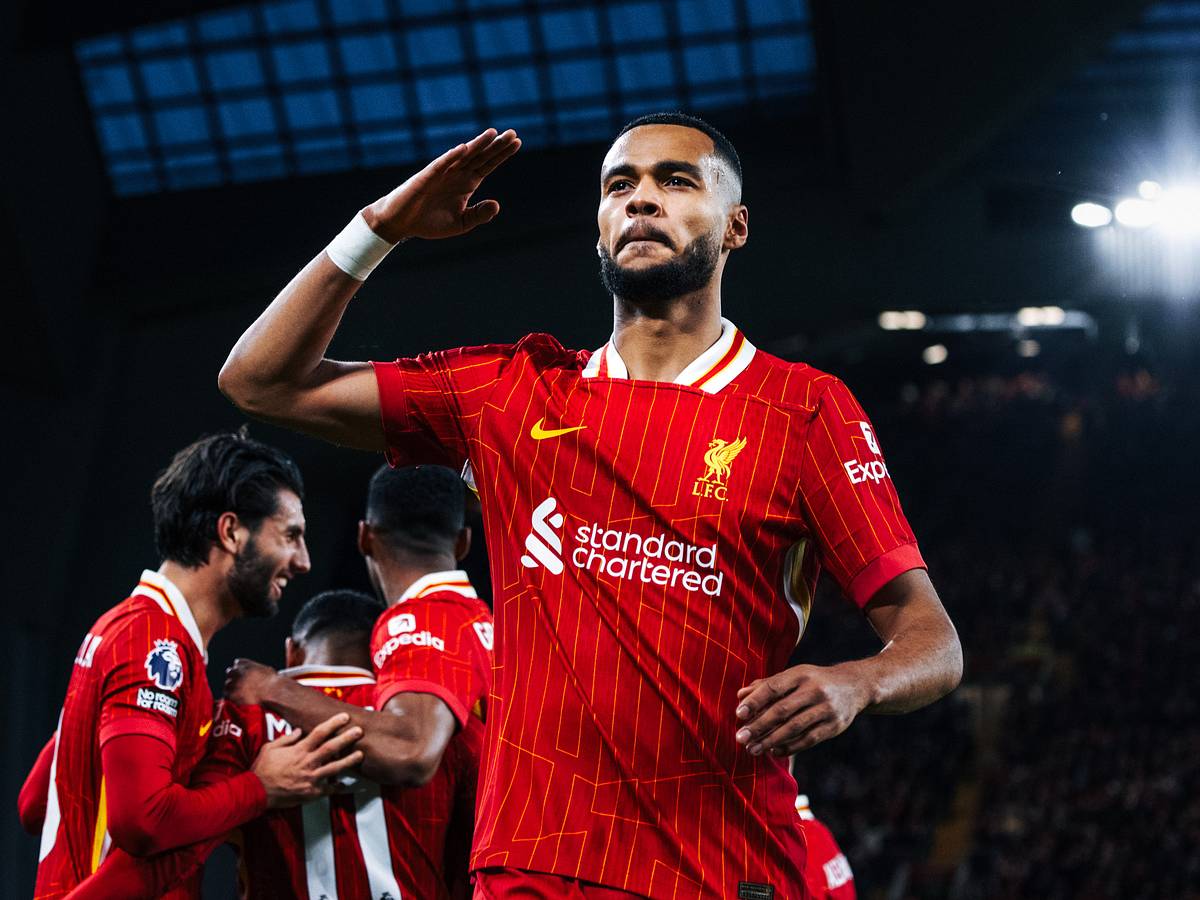
The defining chapter came in the 2024-25 season under a new manager, the Dutchman Arne Slot. Liverpool reclaimed the Premier League title, and Gakpo was woven into the run. His league goals that season shared a curious pattern. Every one of them came at Anfield, all at the Kop end, and each arrived when his team were either level or behind, the moments when a side most needs someone to step up.
The clearest example was the strike against Tottenham, Liverpool’s third in a 5-1 win, the goal that all but confirmed the championship and the one that produced the “I belong to Jesus” vest. He reached double figures across all competitions that season, joining a short list of Liverpool players to do so, and afterward wrote that “God guided every step of this journey.” The pattern told its own story about temperament. A forward who scores only when his team is chasing the game is a forward his manager can trust under pressure, and Slot leaned on that. Playing under a compatriot, in a title-winning team, Gakpo had gone from promising arrival to proven winner, the sort of player a champion side cannot do without.
The heritage and what it represents
It would be easy to file Gakpo simply as a Dutch international, and the team sheet supports that. The fuller picture is richer. In June 2025, fresh off the title, he travelled to Togo, his father’s homeland. The welcome was extraordinary. Members of the Ewe community greeted him with traditional drumming, dancing, and colourful dress, celebrating his arrival as one of their own returning home.
He did not go only to be celebrated. He handed out meals and gave Liverpool jerseys to children, continuing humanitarian work he had begun on earlier visits. For a generation of young Africans, the image carried a message that no marketing campaign could buy. A boy whose father came from Togo had reached the summit of European club football and come back to give, not just to be seen.
That is the thread that makes Gakpo’s story matter so widely. The African diaspora has produced a long line of elite footballers who could have represented several nations, and each one expands what a young player in Lomé or Accra believes is possible. Gakpo plays in orange, but he carries Togo with him, and he says so out loud.
Faith and character
The faith is not a marketing angle for Gakpo. It is the centre of how he describes his life. He has said he reads the Bible every day, prays daily, attends church, and reads widely about his beliefs. “It’s a lifestyle for me,” he told one Dutch publication. “I take the Bible with me everywhere and every day.”
It shapes how he carries himself in the dressing room, too. At the 2022 World Cup, Gakpo and his teammate Memphis Depay led a Bible study for members of the Dutch squad, a gathering where players read scripture and prayed over the pressures of a major tournament. He was raised in a Christian home by parents who met in Togo, and the upbringing stuck. Whatever a reader makes of the celebrations, the consistency is hard to dispute. The vest in April 2025 was not a one-off stunt. It was the same conviction he repeats in quiet interviews, made visible for a few seconds on the biggest stage he had.
The Netherlands at the 2026 World Cup
Which brings the story back to where it opened. At the 2026 World Cup, the Netherlands were drawn into Group F, and their tournament began with intent. On June 20, 2026, they faced Sweden at the stadium in Houston and won 5-1. Gakpo scored twice, both in a five-minute window early in the second half, and set up another goal in a display that read as a statement to the rest of the field.
The brace placed him among an exclusive group of multiple-time World Cup scorers for the Dutch and extended a personal tournament record that already glittered from Qatar. As a dated fact, the result stands on its own. What happens next in the group and the knockout rounds remains to be played, and there is no value in guessing it here. What the Sweden match confirmed is that the Netherlands once again have a forward capable of deciding the biggest games, and that the forward in question is the kid from Stratum with Togo in his name.
Where he goes from here
At twenty-seven, Gakpo sits in the productive heart of a footballer’s career. He has a Premier League title, a World Cup goal-scoring record that few of his peers can match, and a club role that keeps growing. His earnings reflect that standing. Estimates placed his net worth somewhere in the range of 7 to 12 million pounds in early 2026, with endorsement work, including a long-running partnership with Puma, adding to the figure. As an estimate it should be read loosely, but it points to a player whose value, on and off the pitch, keeps climbing.
The more interesting measure is harder to count. Gakpo has built something rarer than a trophy haul. He has become a bridge. He belongs to Eindhoven and to Liverpool, to the orange of the Netherlands and to the drums that greeted him in Togo, and he refuses to choose only one. For the children who lined up to take a jersey from his hands, and for every young player who shares a corner of that heritage, the lesson lands without a word of explanation. The boy from Stratum took his father’s homeland to the top of the game and carried it back home with him. The goals in Houston were only the latest verse of a longer song.
Ad SpaceIn-Article - 300x250
Advertisement
Share
Get the recap
Loved this story? Get more like it.
Join readers who get our weekly entertainment recap - the stories worth your time, delivered every Friday.
No spam. Unsubscribe anytime. By signing up you agree to our Privacy Policy.