Christian Eriksen's Life After Football: From Near Death to Celebrity Status
Miki Anderson··9 min read
Ad SpaceArticle Top - 728x90
Advertisement
Some careers are measured in trophies and transfer fees. A rare few are split cleanly in two by a single afternoon, after which the same person carries an entirely different meaning to the people watching. For one Danish midfielder, the second half of his public life began not with a goal or a medal but with a collapse, and the world has never quite looked at him the same way since.
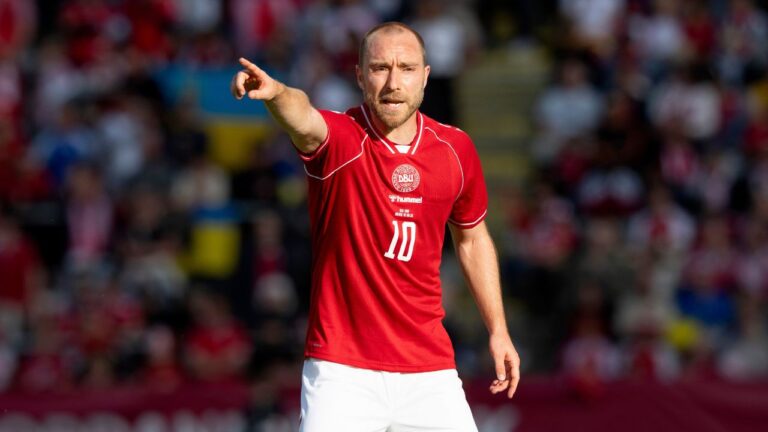
Christian Eriksen was a very good footballer before June 2021. He was a playmaker admired by coaches, a set-piece specialist feared by goalkeepers, the creative engine of clubs in three countries and of his national team. What he became afterward was something larger and harder to define. He turned into a symbol of survival, a walking argument for emergency medicine, and a quiet kind of celebrity whose fame now rests as much on what his body endured as on what his feet can do. The story of his life beyond the ordinary rhythms of football is, at its core, a story about resilience and about how an audience decides what a person stands for.
The prodigy from Middelfart
Christian Dannemann Eriksen was born on February 14, 1992, in Middelfart, a small town on the Danish island of Funen. He followed his father, Thomas, into the game, learning the basics at the local club Middelfart G&BK before scouts began to notice a slight, clever teenager who saw passes other players did not.
That talent carried him to the Netherlands. In October 2008, at sixteen, he signed with Ajax, the famed Amsterdam academy that has produced generations of technicians. He grew up in that system, making 162 appearances and scoring 32 goals across all competitions, and earning a reputation as one of Europe’s most promising young midfielders. By the time he left, the bigger leagues were circling.
In August 2013, Tottenham Hotspur completed his transfer from Ajax in a deal reported to be worth around 11 million pounds. London became home for seven seasons. Eriksen matured into a Premier League regular and one of the most reliable creators in the division, the player Spurs leaned on for the chance, the corner, the free kick that bent into the top corner. Those years included Tottenham’s run to the Champions League final in 2019, the kind of stage that confirms a player as more than a domestic talent. He was a fixture for the Denmark national team too, the conductor his country built its attack around through tournament after tournament.
When his Spurs contract neared its end, Inter Milan moved in. In January 2020 he signed with the Italian club, and the following season he helped Inter win Serie A, the first major league title of his career. He was twenty-eight, decorated, settled in Milan, and at the peak of a fine professional life. None of that is the reason most people now know his name.
June 12, 2021, told plainly
It happened in Copenhagen, in front of a home crowd. On June 12, 2021, Denmark opened their delayed Euro 2020 campaign against Finland at Parken Stadium. In the 42nd minute, as Eriksen moved to receive a routine throw-in, he collapsed to the turf. He had suffered a cardiac arrest.
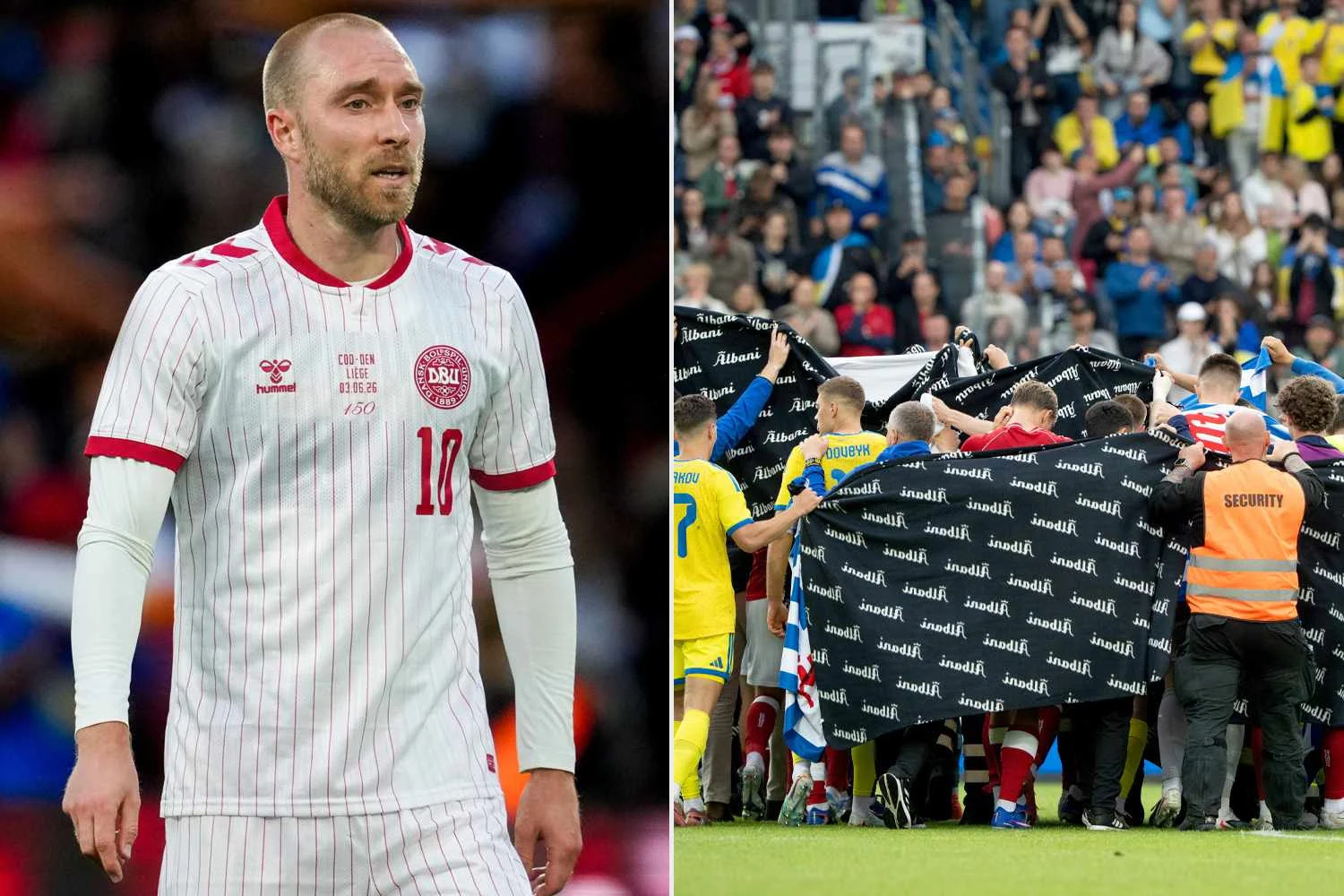
What followed was the reason he is alive. Medical staff rushed on. He was given cardiopulmonary resuscitation on the pitch and a defibrillator was used to restart his heart. His Denmark teammate and captain, Simon Kjaer, was widely credited for his immediate response, helping to manage the situation and placing his fallen teammate in the recovery position while medics worked. Players formed a shield around him to give the medical team space and to protect him from cameras. About an hour later, officials confirmed from Rigshospitalet that he had been stabilized and was awake.
That is the event, stated without embellishment. It was broadcast live to millions, and the footage of teammates standing in a ring, many of them weeping, became one of the most-shared sports moments of the decade. The match was eventually completed that evening, a decision later questioned by many, but the lasting image was not the football. It was a man who had, for a few minutes, not been breathing on his own, and the people who refused to let him go.
The device and the question of playing on
In the days that followed, doctors fitted Eriksen with an implantable cardioverter-defibrillator, an ICD. The small device sits under the skin and monitors the heart, ready to deliver a shock if it detects a dangerous rhythm. For most people, an ICD is simply a safeguard that allows an ordinary life. For an elite athlete, it raised a far more complicated question, one with no obvious answer: could he, and should he, play professional football again?
Italy provided the first hard limit. Serie A regulations did not permit a player with an ICD to compete, which meant his time at Inter Milan was effectively over despite a contract that still had years to run. He and the club parted ways. For a while it was genuinely unclear whether the elegant midfielder from Funen had played his last competitive match, and many assumed he had. The medical reality was real, the rules were real, and nobody could promise him a way back.
The comeback nobody guaranteed
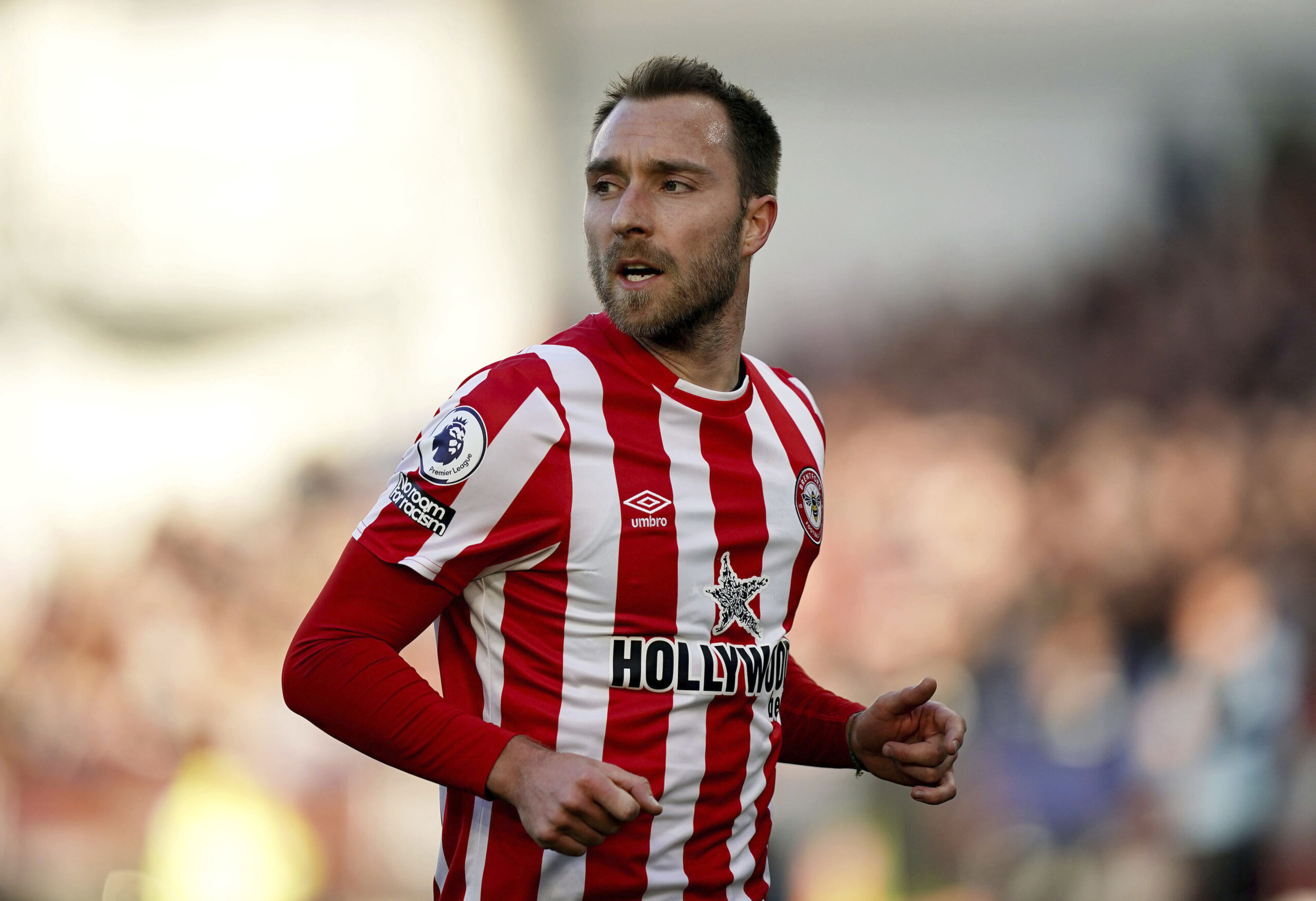
He found one anyway. After roughly eight months away, Eriksen returned to the Premier League with Brentford in early 2022, signing with the west London club and easing back into competitive football. The signing was a statement in itself. A top-flight team had assessed the risk, taken expert advice, and decided he could play. He looked, almost immediately, like the same passer he had always been.
Ad SpaceIn-Article - 300x250
Advertisement
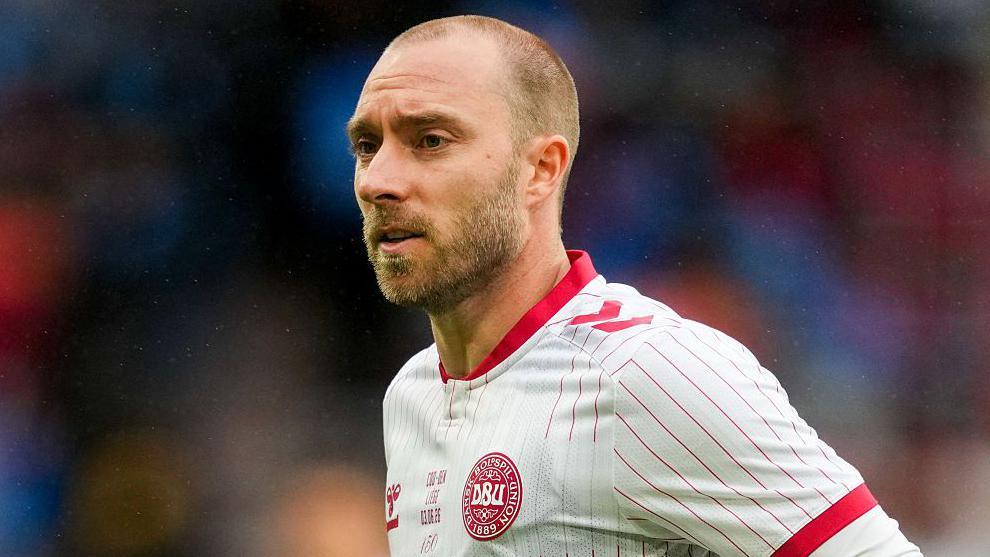
His international return came first, and it came with a flourish. On March 26, 2022, he came off the bench at half-time against the Netherlands and scored within two minutes of stepping onto the pitch. Few comebacks in sport have been scripted so neatly. Months later he was part of Denmark’s squad for the 2022 World Cup in Qatar, playing every minute of their campaign even as the team finished bottom of its group. The results disappointed. The fact of his presence did not.
That summer of 2022 also brought a bigger club move. In July, Manchester United signed him on a three-year deal. At Old Trafford he settled into a deeper midfield role, the experienced head feeding younger legs, and he collected more silverware along the way, winning the FA Cup and the EFL Cup during his time there. He represented Denmark again at Euro 2024, scoring in the opening group match against Slovenia in a 1-1 draw. The boy who had collapsed three years earlier was, by then, a tournament veteran wearing a defibrillator and still finding the net for his country.
The elder-statesman chapter
Every long career reaches a stage where a player stops being the future and becomes the steadying influence. Eriksen reached his while still adding chapters most thought he would never write. After the 2024-25 season his time at Manchester United ended, and in September 2025 he joined the German Bundesliga side VfL Wolfsburg on a two-year contract with the option of a further year.
It was a deliberate, grown-up move, the kind a senior professional makes when he wants regular football and a fresh setting rather than a farewell tour. He made his Wolfsburg debut on September 21, 2025, in a narrow loss to Borussia Dortmund, and scored his first goal for the club in January 2026 in a win over St. Pauli. The role had shifted by then. He was no longer the youngest creative mind in the room but the calm one, the player who slows a game down when teammates are rushing it, who finds the simple pass under pressure because he has seen every kind of pressure there is.
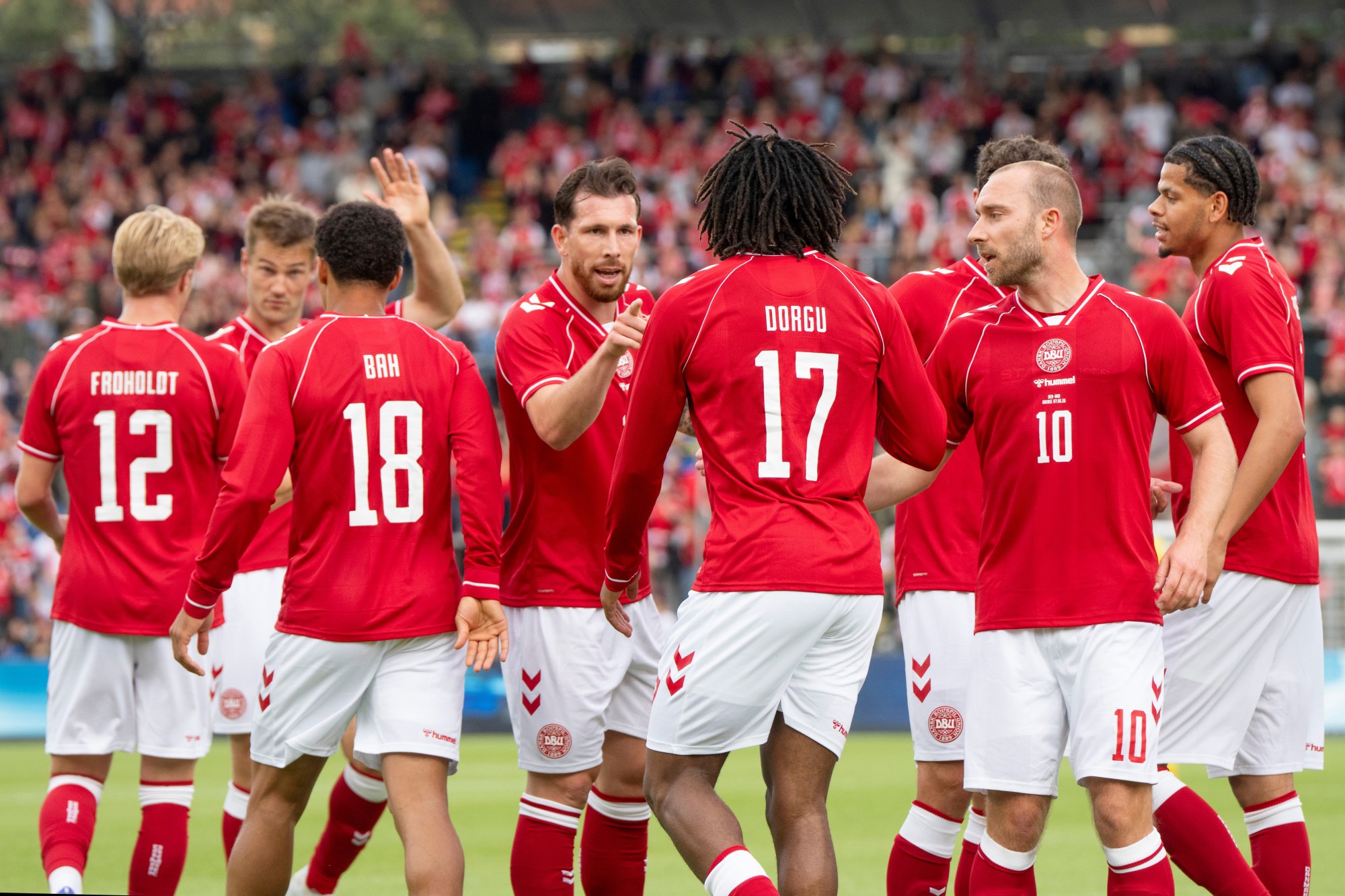
For Denmark he remained a fixture and a leader, the most-capped survivor of that night in Copenhagen, the man younger internationals look to when matches tighten. His passing range never left him, and neither did the dead-ball ability that made him a threat from any free kick within range of goal. At thirty-four, he had become exactly what he once seemed unlikely to live to be: an elder statesman of the European game, valued less for explosive moments than for the steadiness he carried into every fixture.
A second collapse, and a device that worked
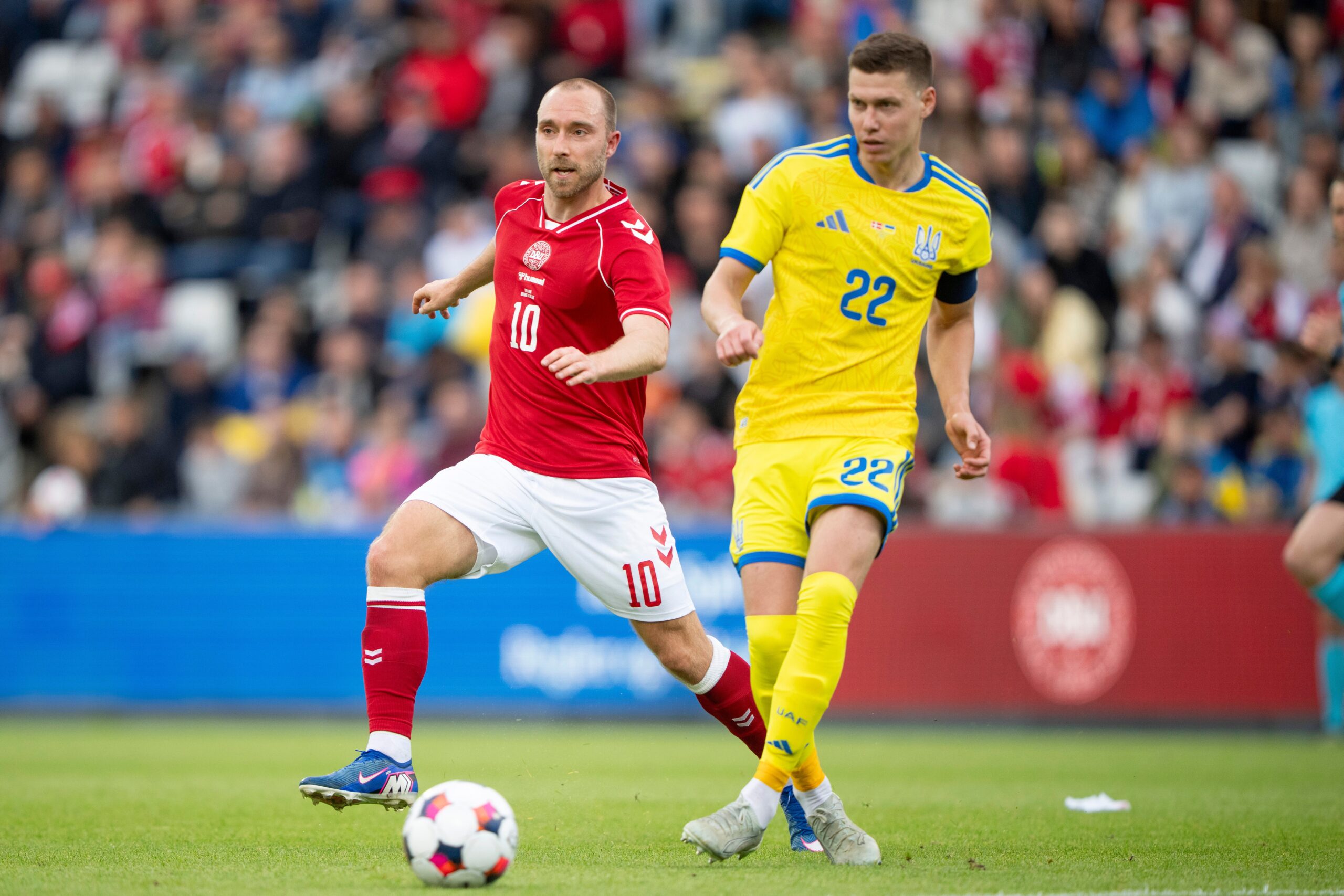
Then, on June 7, 2026, the story turned again. Playing for Denmark in an international friendly against Ukraine in Odense, Eriksen collapsed on the pitch around the 65th minute, appearing to clutch his chest before going down. The match was abandoned. For anyone who had watched the events of 2021, the scene carried an unmistakable weight.
This time the public information was reassuring rather than frightening. Denmark’s national team doctor, Morten Boesen, said Eriksen was briefly unconscious but regained consciousness very quickly, that he was doing well and walked off the pitch himself, and that the implanted device responded as it should. The federation described him as in good spirits and stable, expected to leave hospital soon while undergoing further examinations to determine what caused the episode. Medical voices noted that the ICD fitted after 2021 had, once more, done precisely the job it was designed to do.
It would be wrong to speculate beyond what has been confirmed. What can be said is narrow and factual. He collapsed, his safeguard worked, he was conscious and walking, and doctors were assessing the situation. The rest belongs to him and his medical team. The episode is a reminder that his story has never been one of a clean, finished recovery but of an ongoing relationship with a heart condition that he and his doctors continue to manage in public view.
Life, family and the quiet celebrity
Through all of it, Eriksen has kept his personal life notably understated. He is married to his longtime partner Sabrina Kvist Jensen, and the couple have two children, a son, Alfred, born in 2018, and a daughter whose name they have chosen to keep out of the spotlight. He is not a player who courts attention off the pitch. There are no headline-grabbing feuds, no manufactured controversies, no obvious appetite for fame for its own sake.
And yet fame found him in an unusual shape. After June 2021 he became a figure people felt they had a personal stake in, the way audiences sometimes do with strangers whose worst moment they happened to witness. His shirt sales spiked. His name became shorthand in conversations about heart screening for athletes and about the lifesaving value of CPR training and accessible defibrillators. His comeback was covered far beyond the sports pages, by people who could not have named a single one of his assists. This is the strange celebrity status the title points to. It was not built on glamour or scandal. It was built on the public having watched him nearly die and then watched him choose, with full knowledge of the risk, to keep playing the game he loved.
What his story means beyond football
There is a temptation to wrap a survival story in tidy lessons, and Eriksen’s invites a few. The most honest one is about ordinary preparedness. He is alive in large part because trained people acted within seconds, because a defibrillator was on hand, and because no one panicked. That combination is not luck so much as a system working under pressure, and his case has pushed real conversations about cardiac screening and emergency response in stadiums and far beyond them.
The other meaning is harder and more human. His resilience is not the polished, motivational-poster kind. It is the messier sort that comes with a device under the skin, with rules that ended one job, with a second public collapse that arrived without warning years later. He kept going anyway, not by pretending the risk was gone but by living openly alongside it. For a Nigerian fan in Lagos or a Danish kid in Middelfart, the through-line is the same. A single afternoon redefined what Christian Eriksen means to the world, and what he chose to do with the years that followed turned a near-tragedy into one of modern sport’s most quietly remarkable lives.
Ad SpaceIn-Article - 300x250
Advertisement
Share
Get the recap
Loved this story? Get more like it.
Join readers who get our weekly entertainment recap - the stories worth your time, delivered every Friday.
No spam. Unsubscribe anytime. By signing up you agree to our Privacy Policy.