

Table of Contents
- A Musical Tribute Years in the Making
- The Boss Gets Political
- Colbert’s Comedy Legacy Under Fire
- The Power of Musical Storytelling
- Changing Landscape of Late Night
A Musical Tribute Years in the Making

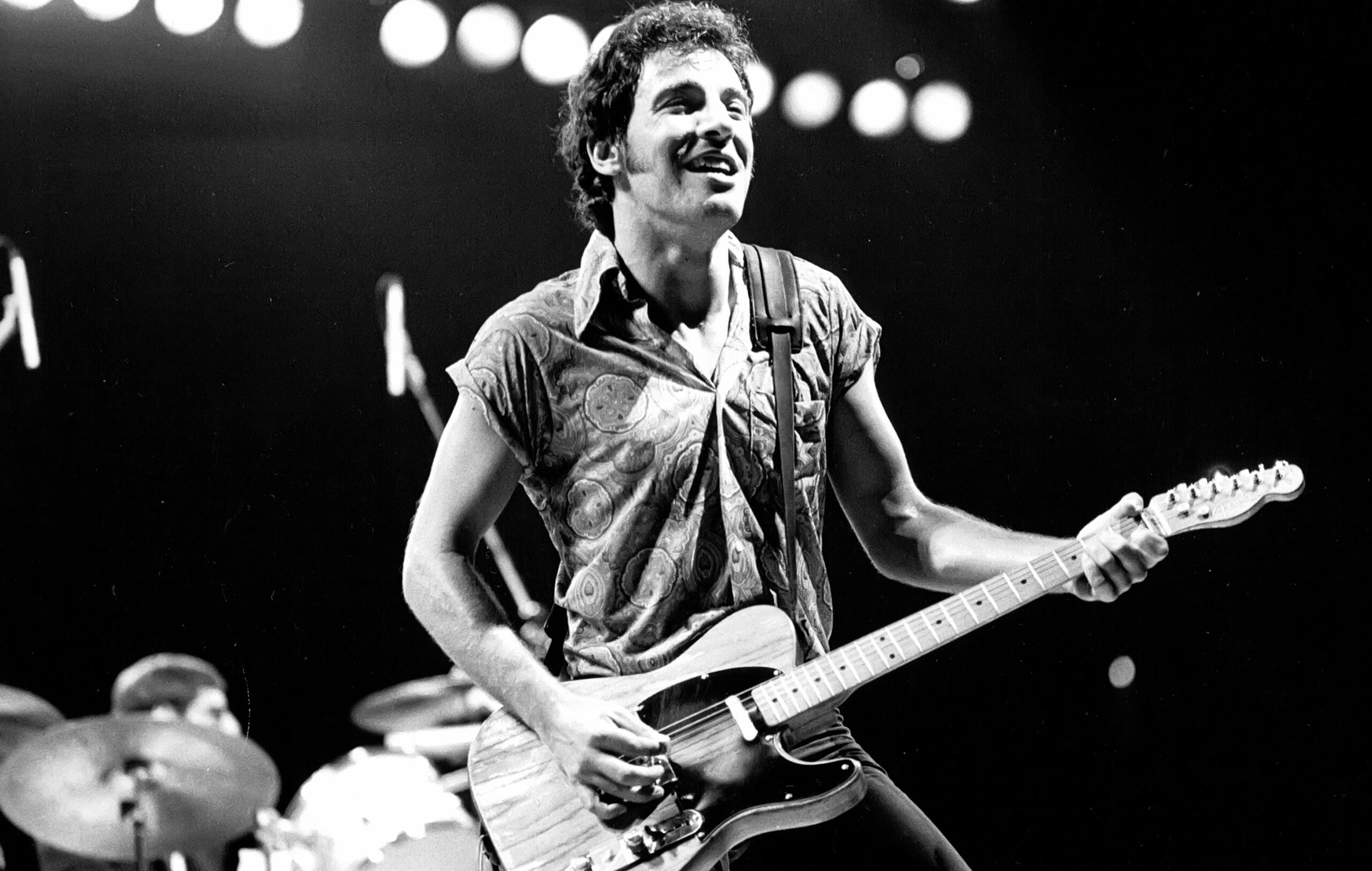
Bruce Springsteen has never been one to shy away from making bold statements through his music, and his recent appearance on “The Late Show with Stephen Colbert” proved once again why he’s earned the moniker “The Boss.” The legendary rocker delivered a stirring performance of “Streets of Minneapolis,” transforming what could have been a routine late-night appearance into something far more meaningful and politically charged. The performance wasn’t just entertainment - it was Springsteen’s way of honoring a comedian he clearly views as a fellow truth-teller in an increasingly complex media landscape. The intimacy of the moment, with Springsteen’s weathered voice carrying the weight of both personal conviction and societal observation, reminded viewers why his music has remained relevant across five decades of American cultural shifts.

The Boss Gets Political
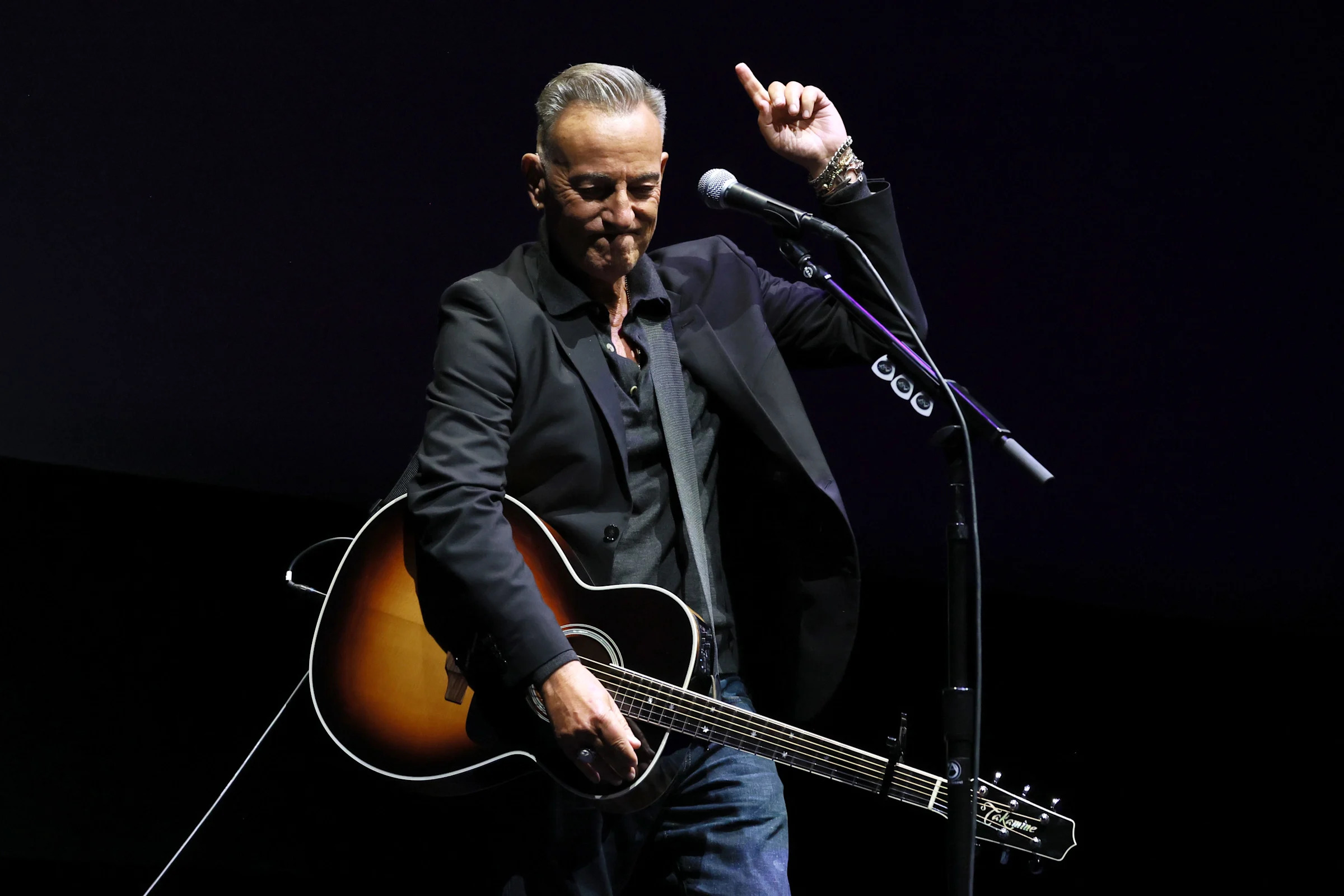
What made this particular appearance especially noteworthy wasn’t just the musical performance, but Springsteen’s pointed commentary about the current state of political discourse in America. His observation about Colbert being “the first guy in America who lost his show because we’ve got a president who can’t take a joke” cuts straight to the heart of ongoing tensions between comedy, politics, and power in contemporary America. This wasn’t the first time Springsteen has used his platform to address political issues - from “Born in the U.S.A.” being misunderstood as jingoistic anthem to his more recent albums tackling economic inequality and social justice. However, his direct support for Colbert represents something deeper than typical celebrity political commentary. It’s one artist recognizing another’s commitment to speaking uncomfortable truths, regardless of the professional consequences that might follow.

Colbert’s Comedy Legacy Under Fire

The reference to Colbert “losing his show” speaks to the broader challenges facing satirical comedians in today’s polarized environment, where every joke can become a political lightning rod. While Colbert successfully transitioned from “The Colbert Report” to “The Late Show,” his career has indeed been marked by moments where his satirical approach has drawn significant criticism and pressure from various quarters. The comedian’s willingness to tackle controversial subjects head-on, much like Springsteen’s approach to songwriting, has sometimes put him at odds with network executives and audience segments who prefer their entertainment without political commentary. This dynamic has become increasingly common in late-night television, where hosts like Colbert, Jimmy Kimmel, and others have found themselves navigating the delicate balance between entertainment and political engagement. Springsteen’s public support serves as validation from one of America’s most respected artists that this type of fearless commentary serves an important cultural function.