Ariana Grande has never been one to shy away from wearing her heart on her sleeve, but her latest single “Hate That I Made You Love Me” feels like a raw nerve exposed to the world. As the lead single from her highly anticipated upcoming album “petal,” the track marks what many are calling her most emotionally transparent release to date. The song’s chart debut this week has sparked intense discussion among fans, critics, and industry insiders about Grande’s artistic direction, commercial prospects, and the evolving landscape of pop music in 2024. With its confessional lyrics and stripped-down production, the single represents a significant departure from some of her previous radio-friendly anthems, raising important questions about where one of pop’s biggest stars is heading next.
Is This Ariana’s Most Vulnerable Era Yet?
“Hate That I Made You Love Me” strips away much of the glossy production that has characterized some of Grande’s biggest hits, instead placing her powerhouse vocals front and center over a more minimalist arrangement. The song’s title alone suggests a level of self-reflection and accountability that feels particularly mature for the 31-year-old artist. Lyrically, Grande examines the complexity of relationships where good intentions lead to unintended emotional consequences, a theme that resonates with anyone who has ever found themselves caught between caring for someone and knowing they might not be the right person for them. This isn’t just another breakup song - it’s an examination of personal responsibility in love’s aftermath.
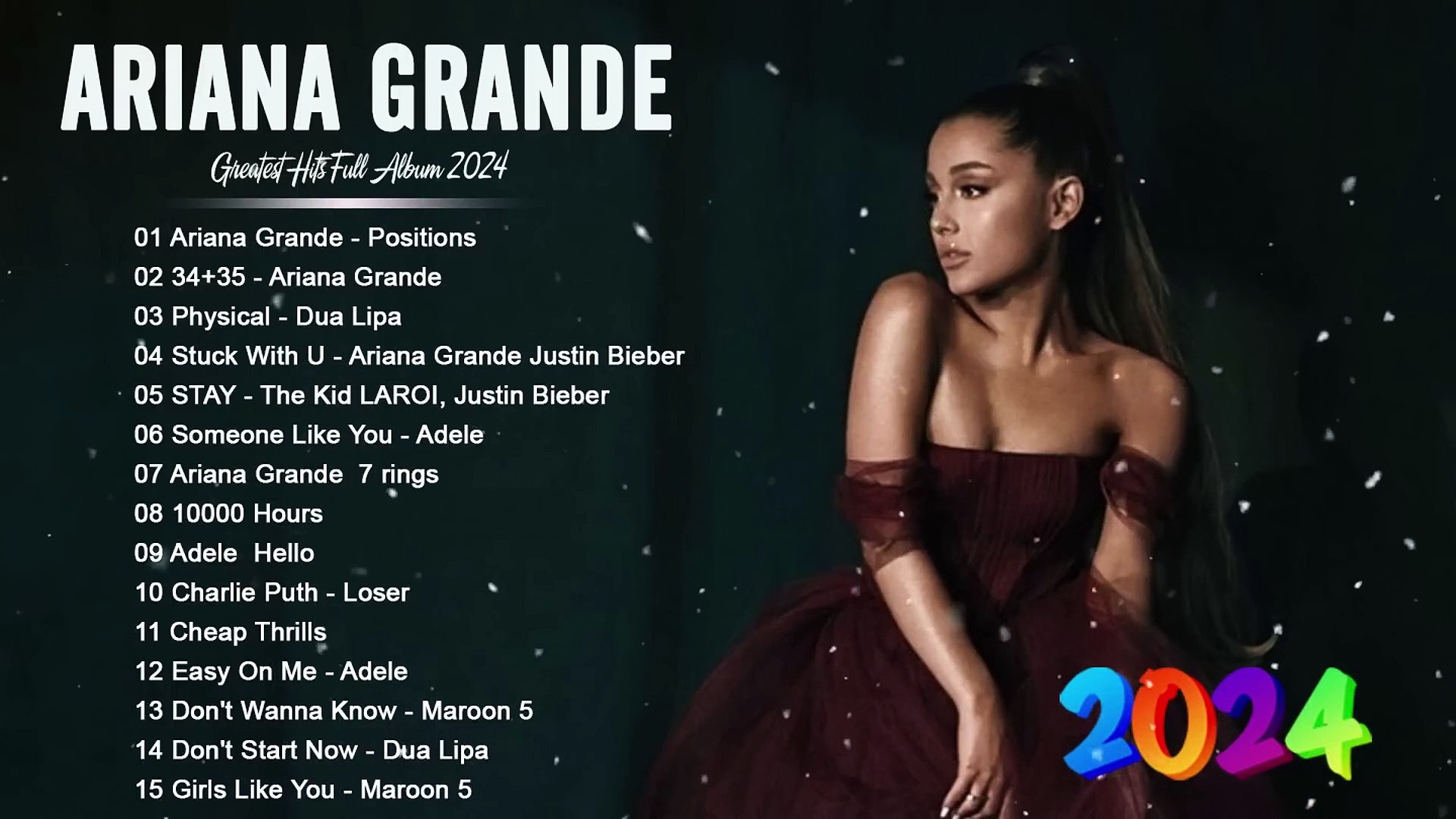
Image: YouTube
The vulnerability displayed here builds on the emotional honesty Grande has been developing throughout her career, particularly following personal challenges and public relationships that have played out in the spotlight. Her previous albums have certainly contained introspective moments, but “petal” appears to be positioning itself as her most cohesive exploration of growth, regret, and healing. The production choices support this narrative arc, with producer contributions that prioritize emotional impact over immediate commercial appeal. This represents a calculated risk for an artist who has consistently delivered chart-toppers, suggesting that Grande is prioritizing artistic authenticity over guaranteed commercial success.
Can Vulnerability Translate to Chart Success?
The music industry in 2024 presents a fascinating paradox for artists like Grande who are balancing artistic growth with commercial expectations. While streaming platforms have democratized music discovery and allowed for more diverse sounds to find audiences, the pressure to create viral moments and instantly recognizable hooks remains intense. “Hate That I Made You Love Me” enters the charts at a time when listeners are increasingly gravitating toward authentic storytelling, but radio programmers and playlist curators still favor songs with immediate impact and broad appeal. The track’s more subdued energy compared to explosive hits like “7 rings” or “positions” represents a gamble that emotional resonance can compete with pure pop spectacle.
Early streaming numbers and social media engagement suggest that Grande’s fanbase is embracing this more introspective direction, with many praising the song’s emotional depth and vocal performance. However, the real test will come in sustained chart performance and cross-demographic appeal. The song’s success could signal a broader shift in pop music toward more contemplative, adult-oriented content, or it might represent a temporary artistic detour before Grande returns to more commercially aggressive material. Industry observers are watching closely to see whether other major pop artists follow suit with similarly vulnerable lead singles, which could indicate that Grande is ahead of a cultural curve rather than swimming against commercial currents.
Ad SpaceIn-Article - 300x250
Advertisement
What Does This Sound Mean for the Full Album?
The production aesthetic of “Hate That I Made You Love Me” offers intriguing clues about what listeners can expect from “petal” as a complete artistic statement. The song’s arrangement prioritizes space and dynamics over dense layering, allowing Grande’s vocal performance to carry the emotional weight without competing with overpowering instrumentation. This approach suggests that the full album might explore similar sonic territories, potentially making it her most cohesive and thematically unified project to date. The choice to lead with this particular track, rather than something more immediately catchy or radio-friendly, indicates confidence in the album’s overall vision and suggests that commercial considerations took a backseat to artistic ones.
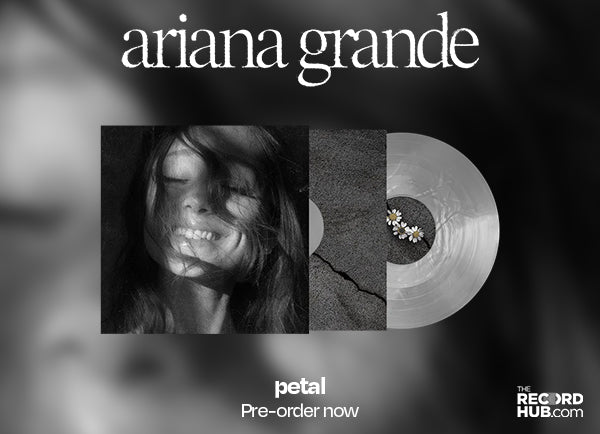
Image: The Record Hub
The title “petal” itself evokes imagery of delicacy, natural beauty, and the individual components that make up something larger and more beautiful. This botanical metaphor could extend throughout the album, with each song representing a different aspect of growth, fragility, or renewal. The production style of the lead single supports this interpretation, with organic-feeling arrangements that breathe and evolve rather than maintaining constant intensity. If this approach continues across the full album, “petal” could represent Grande’s most mature artistic statement, positioning her alongside artists like Lorde or Billie Eilish who have successfully balanced commercial appeal with artistic sophistication.
Why Release This Particular Song Now?
The timing of “Hate That I Made You Love Me” as a lead single raises interesting questions about Grande’s career strategy and her relationship with public attention. Coming at a moment when she has been more selective about public appearances and social media engagement, the song feels like a deliberate statement about what she wants to communicate to the world. Rather than leading with pure escapism or celebration, Grande is offering introspection and emotional complexity, suggesting that she views this as the right time in her career to take these kinds of artistic risks. The music industry’s current landscape, where artists like Taylor Swift and SZA have found massive success with introspective material, may have influenced this strategic decision.
The song’s themes of accountability and emotional growth also feel particularly relevant to cultural conversations about mental health, relationship dynamics, and personal development that have become increasingly prominent in recent years. By positioning herself within these conversations through her music, Grande is demonstrating an awareness of her platform’s power and her audience’s evolving interests. The timing also allows the song to serve as a bridge between her previous era and whatever comes next, giving longtime fans time to process this artistic evolution while potentially attracting new listeners who appreciate the song’s emotional maturity and sophisticated approach to pop songwriting.
Where Does Ariana Go From Here?
The reception and performance of “Hate That I Made You Love Me” will likely influence not only the rollout strategy for “petal” but also Grande’s longer-term artistic trajectory. If the song’s vulnerable approach resonates strongly with audiences and critics, it could encourage her to continue exploring more introspective territory in future projects. Conversely, if commercial performance falls short of expectations, it might prompt a recalibration toward more immediately accessible material for subsequent singles from the album. The music industry will be watching these results closely, as they could influence how other major pop artists approach their own artistic evolution and risk-taking.
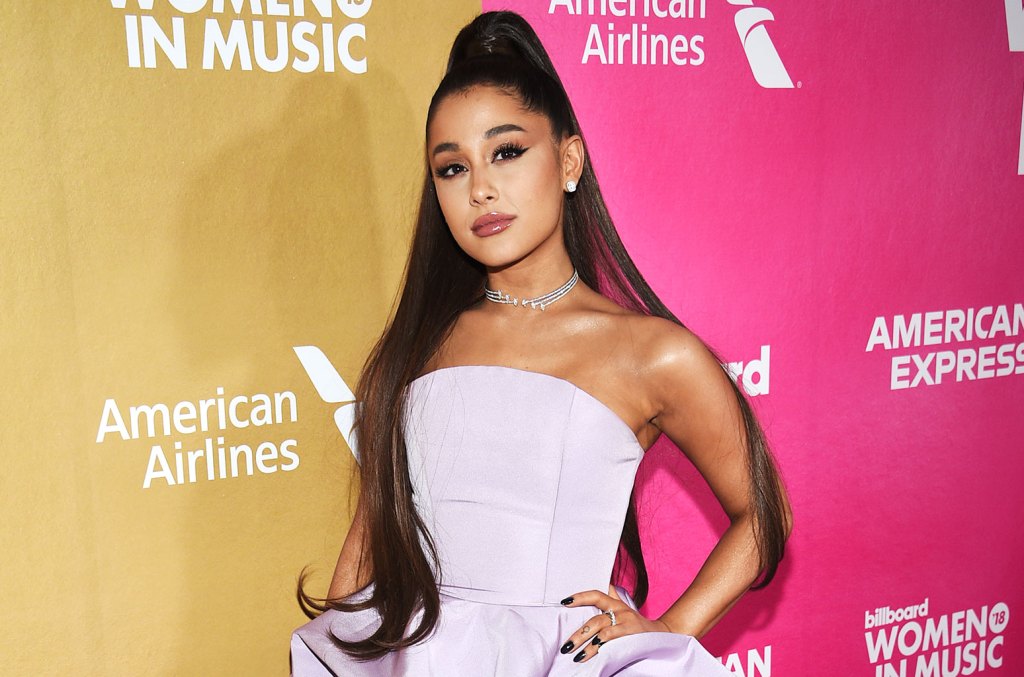
Image: Billboard
Beyond immediate commercial considerations, the song positions Grande as an artist willing to grow and challenge both herself and her audience’s expectations. This kind of artistic courage, while potentially risky in the short term, often pays dividends in career longevity and critical respect. Artists who successfully navigate these transitions between eras often find themselves with more creative freedom and deeper connections with their fanbase. Whether “Hate That I Made You Love Me” represents the beginning of Grande’s most artistically satisfying period remains to be seen, but its existence suggests an artist confident enough in her abilities and secure enough in her career to prioritize emotional truth over guaranteed commercial success. The real measure of its impact may not be chart positions but rather how it influences the broader conversation about vulnerability, growth, and authenticity in contemporary pop music.
Ad SpaceIn-Article - 300x250
Advertisement
Share
Get the recap
Loved this story? Get more like it.
Join readers who get our weekly entertainment recap - the stories worth your time, delivered every Friday.
No spam. Unsubscribe anytime. By signing up you agree to our Privacy Policy.