Table of Contents
- The Announcement and What We Know
- What ‘Production Issues’ Actually Means for a Tour of This Scale
- Ariana Grande and the Weight of Expectation
- The ‘Eternal Sunshine’ Era: A Comeback Built on Quiet Resilience
- How Fans Are Taking the News
- Ariana Grande’s Safety Calculus Is the Right Call
The Announcement and What We Know
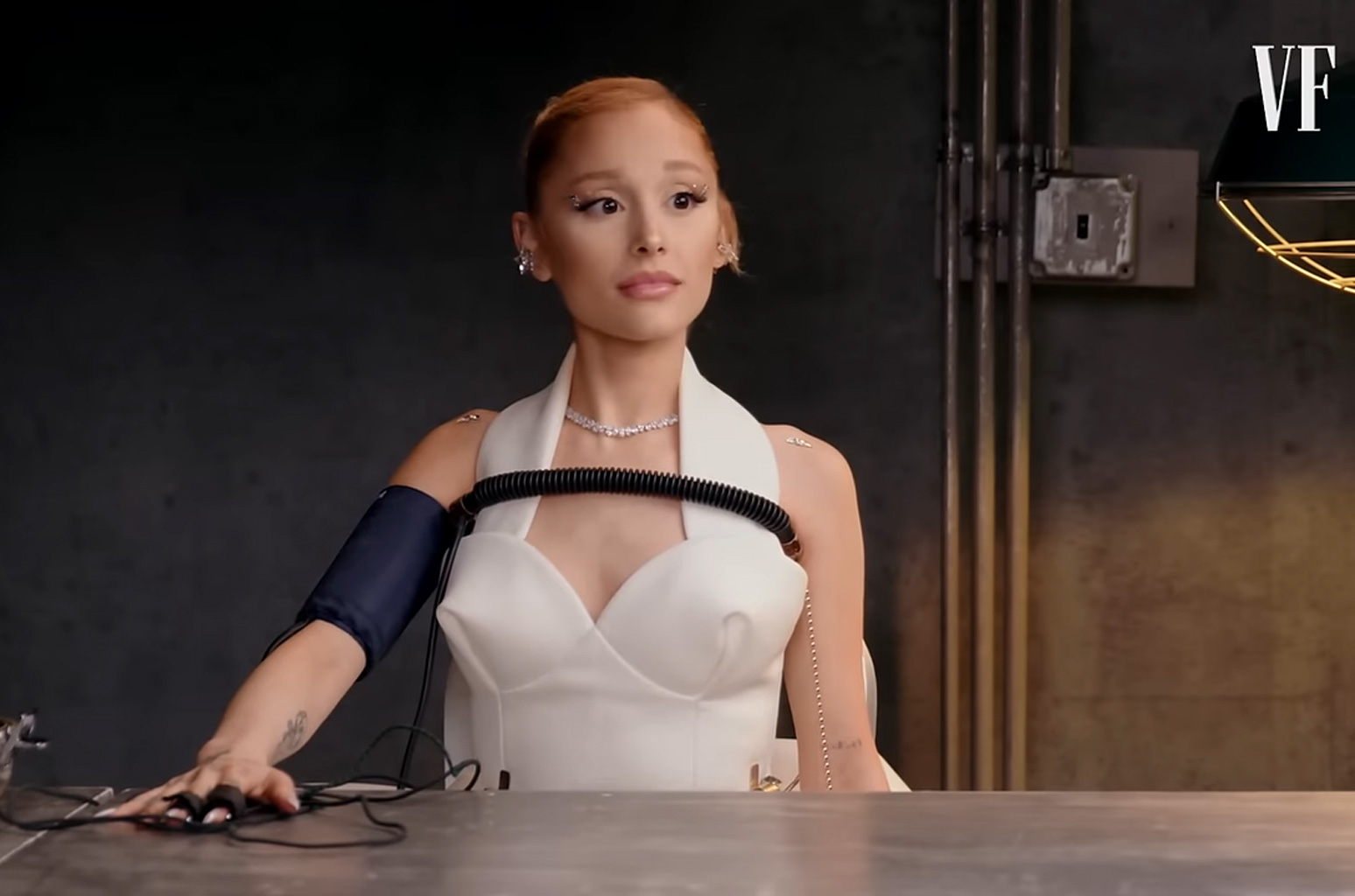
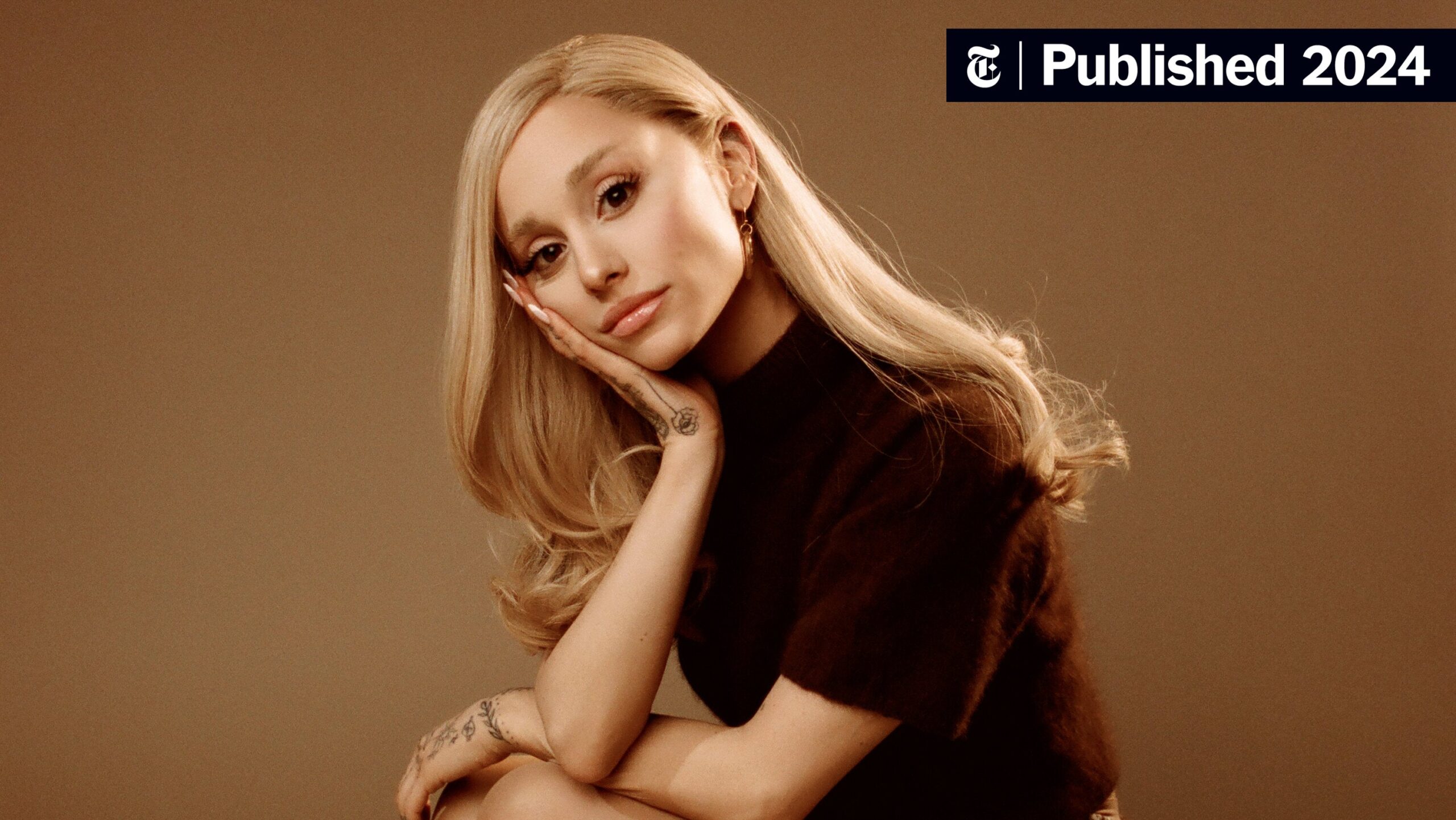
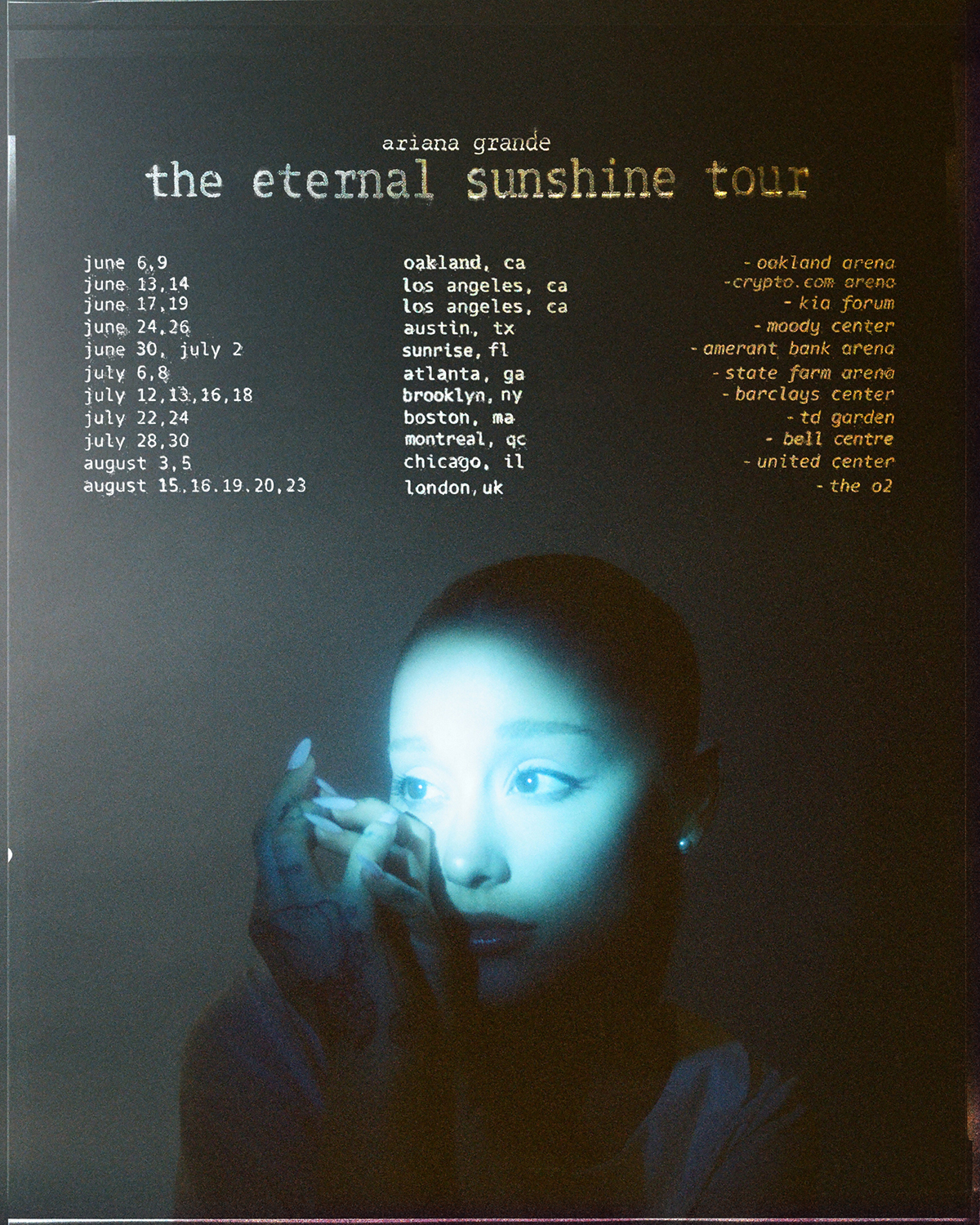
Ariana Grande has rescheduled three dates on her highly anticipated Eternal Sunshine Tour, citing production complications that she described as a matter of safety. The pop star addressed the situation directly with fans, framing the decision around a simple but firm principle: safety comes first, no exceptions. While the specific cities and revised dates are being communicated through official ticketing channels, Grande made clear that this was not a decision taken lightly, and that fans holding tickets for the affected shows would be given updated information promptly. The apology she extended was characteristically warm and sincere, reflecting the kind of personal relationship she has long cultivated with her fanbase, a group affectionately known as Arianators who tend to respond to her transparency with fierce loyalty.
It is worth noting that rescheduling at this level of production is not unusual for major arena and stadium tours, even if it is never a comfortable experience for fans who have already made travel and accommodation plans. Grande’s team moved quickly to contain the situation, and the singer’s personal statement helped soften what could have easily become a social media firestorm. In a landscape where pop stars are scrutinized for everything from song choices to facial expressions, the speed and sincerity of this response matters. Transparency, in 2025, is both a PR strategy and a genuine act of goodwill toward the people who spend real money on concert tickets.
What ‘Production Issues’ Actually Means for a Tour of This Scale
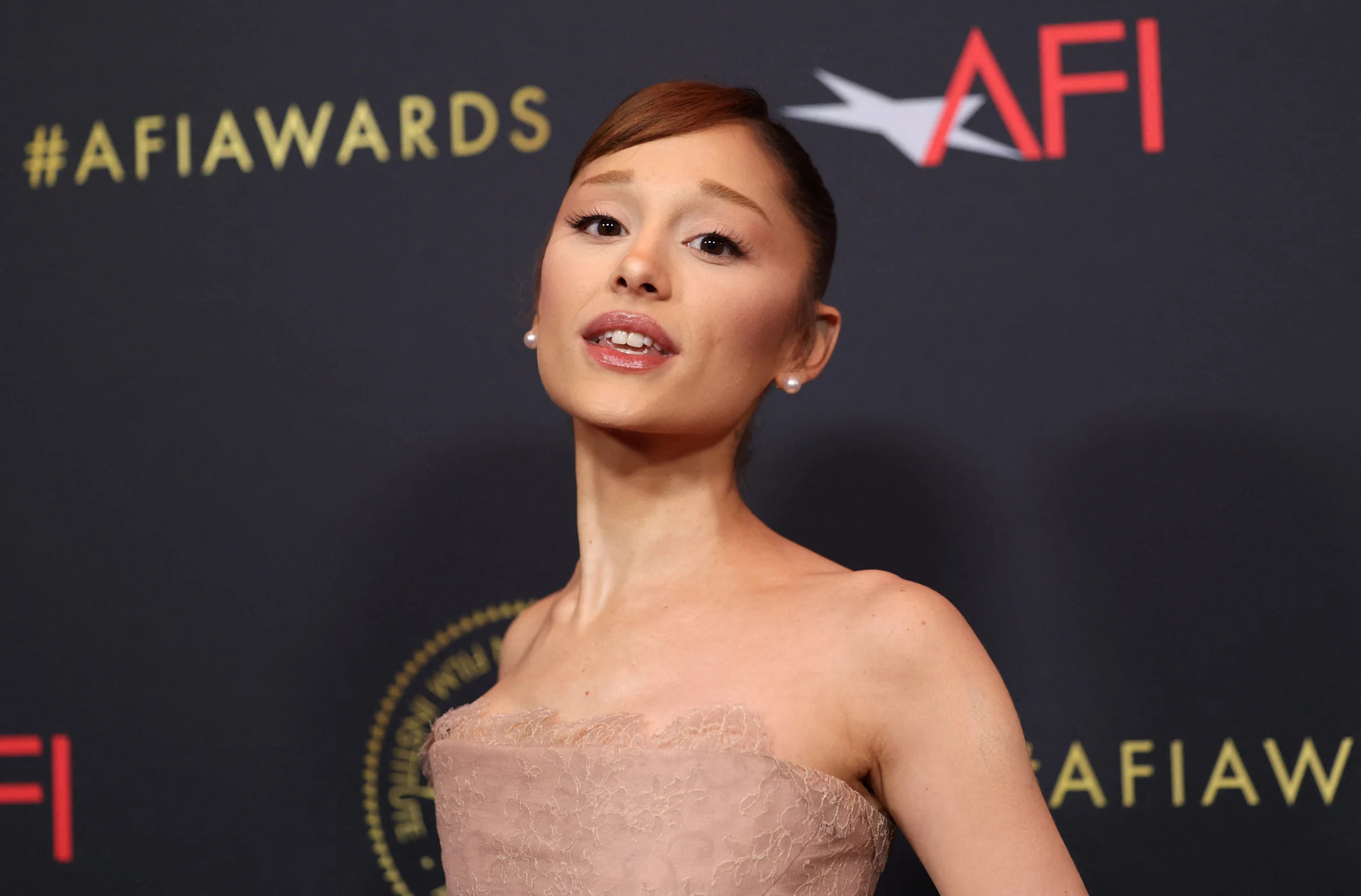
When a superstar of Ariana Grande’s caliber uses the phrase “production issues,” it is easy to read it as vague corporate language, but the reality is far more complex and genuinely high-stakes. A modern arena pop tour involves hundreds of crew members, tens of thousands of pounds of staging equipment, elaborate lighting rigs, pyrotechnics, video walls, and intricate set pieces that all have to be safely assembled, tested, and certified before a single audience member walks through the door. When something in that chain does not meet safety standards, the responsible call is always to delay - not to push forward and hope for the best. The entertainment industry has seen enough tragic accidents over the years, from stage collapses to rigging failures, that production teams and artists alike take these warnings extremely seriously.
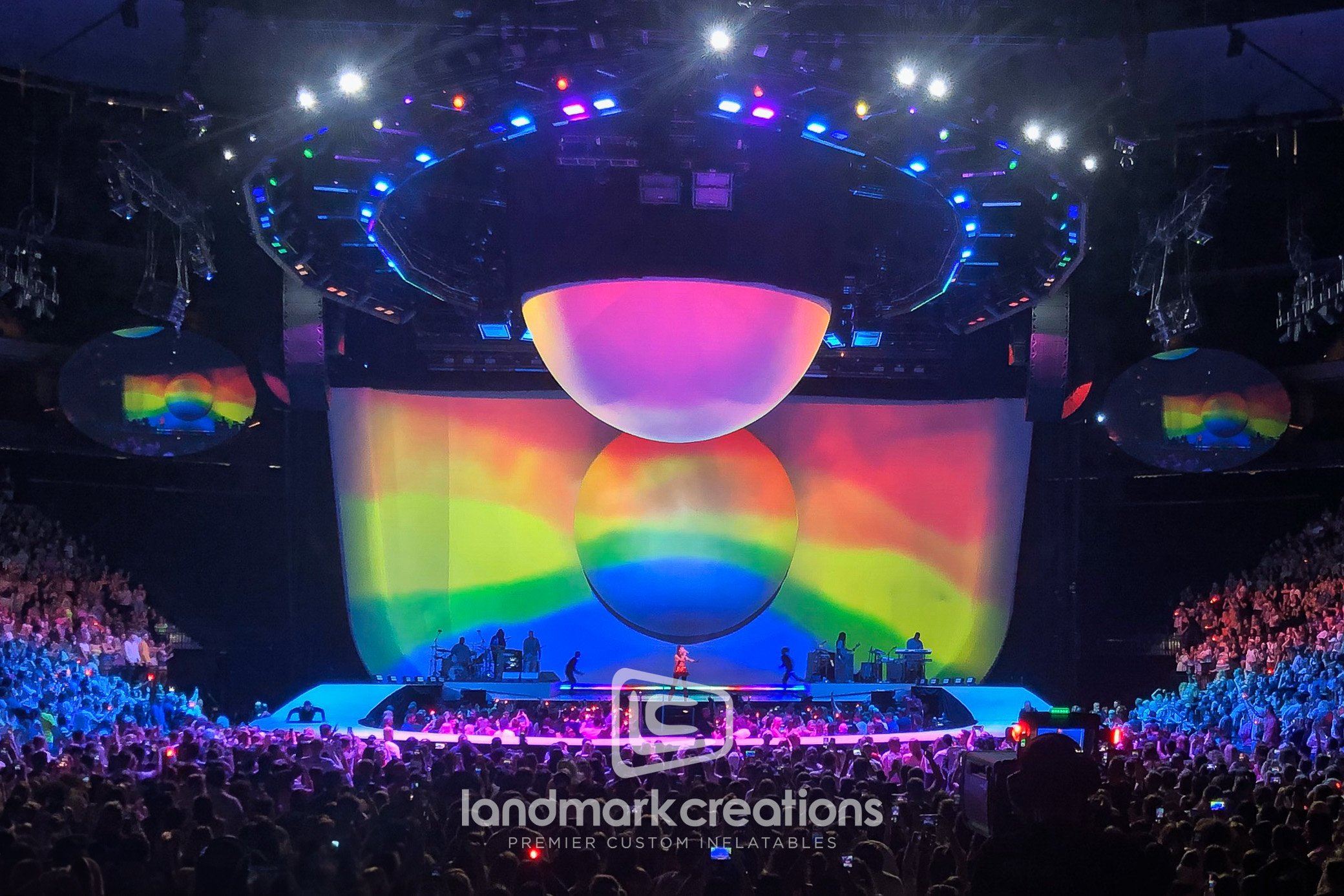
For a tour bearing the name of one of her most personal and emotionally layered albums, it is also reasonable to assume that Grande and her team invested heavily in a production that matches the sonic and visual ambition of Eternal Sunshine. Complex productions carry complex risks, and a technical hitch that is caught during load-in or staging rehearsal is infinitely better than one that surfaces mid-show. Fans who are disappointed by a rescheduling should take some comfort in the fact that the artists and crew who catch these problems before showtime are doing exactly what they are supposed to do.
Ariana Grande and the Weight of Expectation
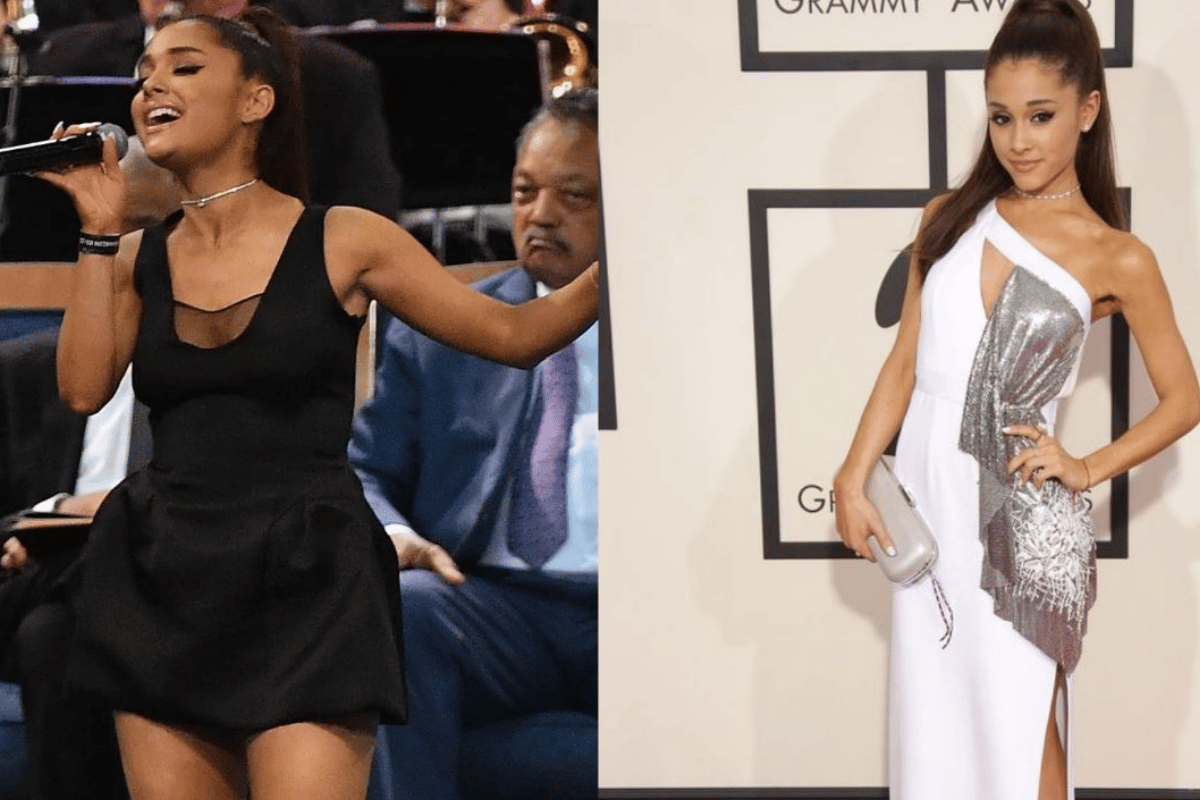
To understand why this announcement carries an extra layer of emotional significance, it helps to remember what Ariana Grande has navigated in her career and personal life to get to this point. She rose from her Nickelodeon roots on Victorious and Sam and Cat to become one of the most commercially dominant pop voices of her generation, racking up Billboard records and streaming milestones that most artists only dream about. But her path has been shadowed by real grief and real trauma. The 2017 Manchester Arena bombing at her concert killed 22 people and injured hundreds more, an event that left an indelible mark on Grande and fundamentally shifted the way she and her team approach live performance safety. That context makes her “safety, first and foremost” statement feel less like a press release and more like a lived principle.
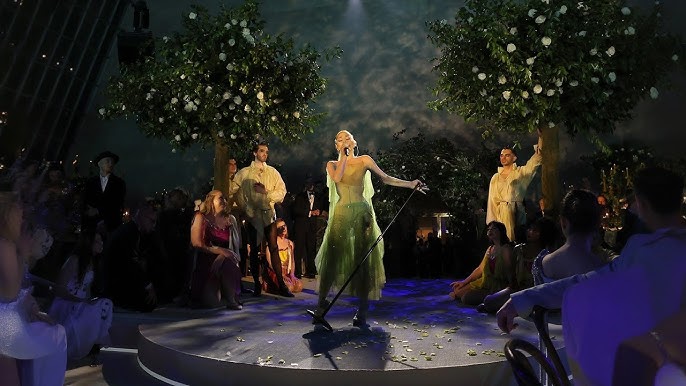
Since Manchester, Grande has spoken openly - though not frequently - about the lasting psychological toll of that night, including her diagnosis of post-traumatic stress disorder. She has also been candid about other personal struggles, including the loss of her ex-boyfriend Mac Miller in 2018. None of this is background noise when it comes to understanding why a safety-related cancellation hits differently for her than it might for another artist. When she says safety is the priority, she is speaking from a place of genuine, hard-won conviction rather than boilerplate reassurance.