
Table of Contents
- Cohen’s Conditional Support for Trans Casting
- The Franchise’s Slow Evolution Toward Diversity
- Breaking Barriers in Reality Television
- Bravo’s Complex Relationship with LGBTQ+ Content
- The Broader Impact on Television Representation
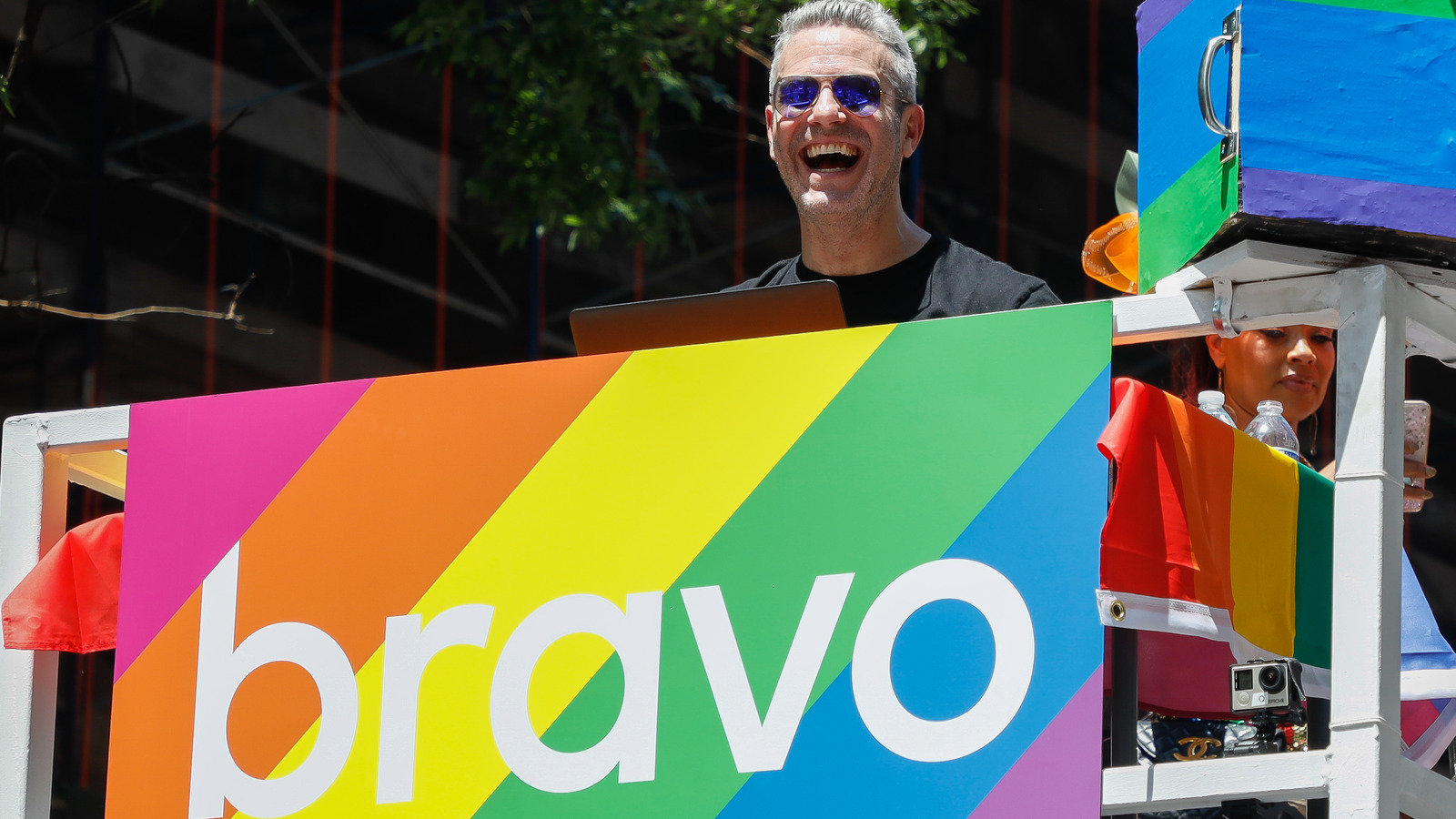
After two decades of diamonds, drama, and designer handbags, the Real Housewives franchise may finally be ready to embrace transgender representation. Andy Cohen, the mastermind behind Bravo’s most successful reality television empire, has publicly expressed his openness to casting a transgender woman as a main cast member across the various Housewives iterations. However, his endorsement comes with a specific caveat that has sparked conversations about authenticity, representation, and the evolution of reality television in the modern era.
Cohen’s Conditional Support for Trans Casting

Cohen’s position on transgender casting reveals both progressive thinking and traditional reality TV sensibilities. The longtime Bravo executive and Watch What Happens Live host has indicated that he would support adding a transgender cast member to any Real Housewives series, but only if that person’s storyline extends beyond their gender identity. This approach reflects Cohen’s understanding that successful Housewives cast members need multifaceted personalities and compelling personal narratives that can sustain viewer interest across multiple seasons. The condition suggests that while Cohen recognizes the importance of representation, he remains focused on the entertainment value that drives the franchise’s success.
This stance positions Cohen as both an ally to the LGBTQ+ community and a pragmatic television producer who understands the delicate balance required in reality TV casting. The Real Housewives format thrives on interpersonal relationships, business ventures, family dynamics, and lifestyle aspirations - elements that would need to be prominent in any cast member’s narrative, regardless of their gender identity. Cohen’s approach acknowledges that tokenism could potentially harm both the show’s quality and the representation goals it aims to achieve.
The Franchise’s Slow Evolution Toward Diversity

The Real Housewives franchise, which debuted with The Real Housewives of Orange County in 2006, has faced ongoing criticism for its lack of diversity across multiple dimensions. While recent years have seen increased racial and ethnic representation across various cities, LGBTQ+ representation has remained notably absent from main cast positions. This gap becomes more glaring when considering Bravo’s strong LGBTQ+ viewership and the network’s reputation as a safe space for queer content and personalities. The franchise has featured LGBTQ+ individuals primarily in supporting roles or as friends and family members of main cast members, but never as central figures driving storylines.
The evolution toward greater inclusivity has been gradual and sometimes controversial within the franchise. Cities like Atlanta, Miami, and Dubai have introduced more diverse casting, while others have maintained more homogeneous groups. This inconsistency has led to discussions about whether certain markets are considered more ready for diverse representation than others. The potential inclusion of transgender cast members would represent a significant step forward in the franchise’s ongoing diversity journey, particularly given the current cultural conversations surrounding transgender rights and visibility.
Breaking Barriers in Reality Television
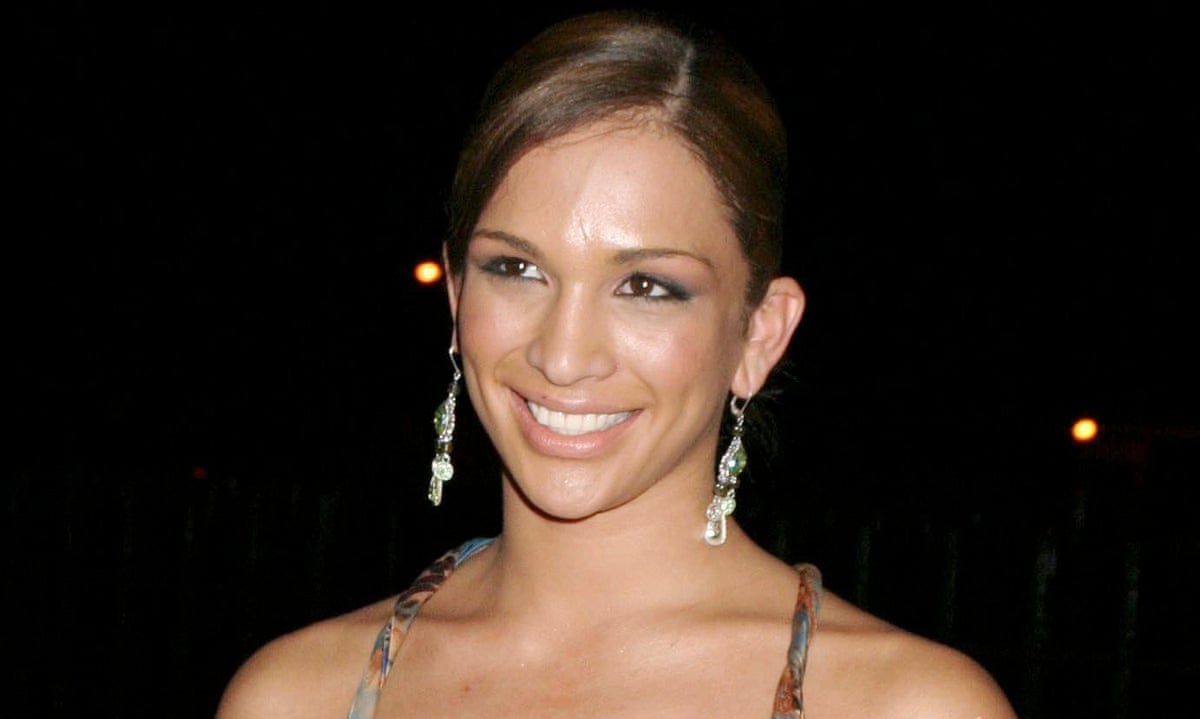
Reality television has historically been both a platform for groundbreaking representation and a space where marginalized communities have faced exploitation or stereotypical portrayals. Shows like RuPaul’s Drag Race have successfully showcased LGBTQ+ stories while maintaining entertainment value, proving that audiences are receptive to authentic queer narratives. However, the challenge for the Real Housewives franchise lies in integrating transgender cast members into a format that can sometimes amplify conflict and personal drama. The key would be ensuring that any transgender cast member is portrayed with dignity and complexity, avoiding reductive storylines that focus solely on their transition or gender identity.