Every Major African Artist Who Has Won or Been Nominated for a Grammy
Jalen Ross··10 min read
Ad SpaceArticle Top - 728x90
Advertisement
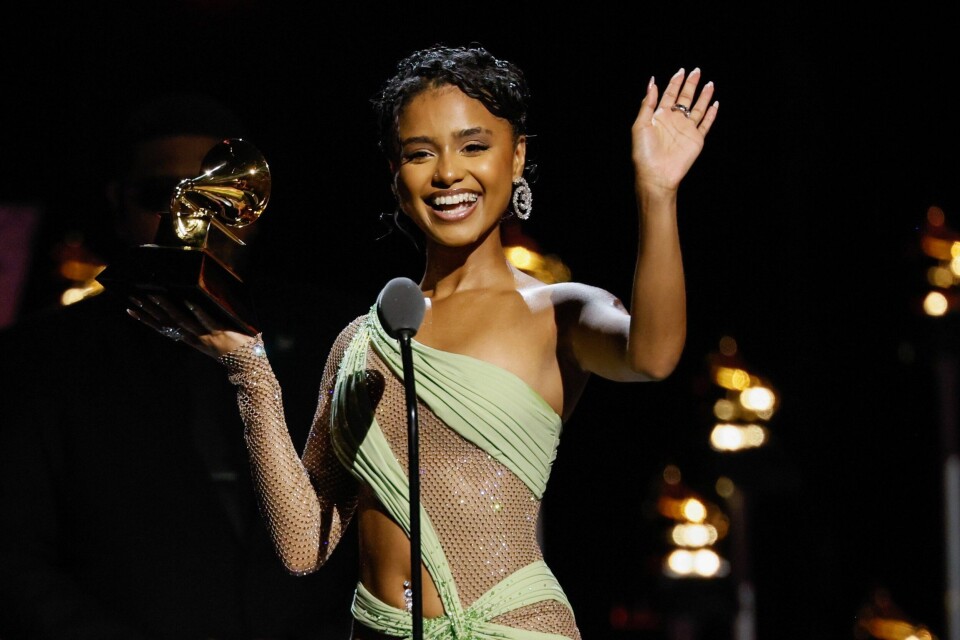
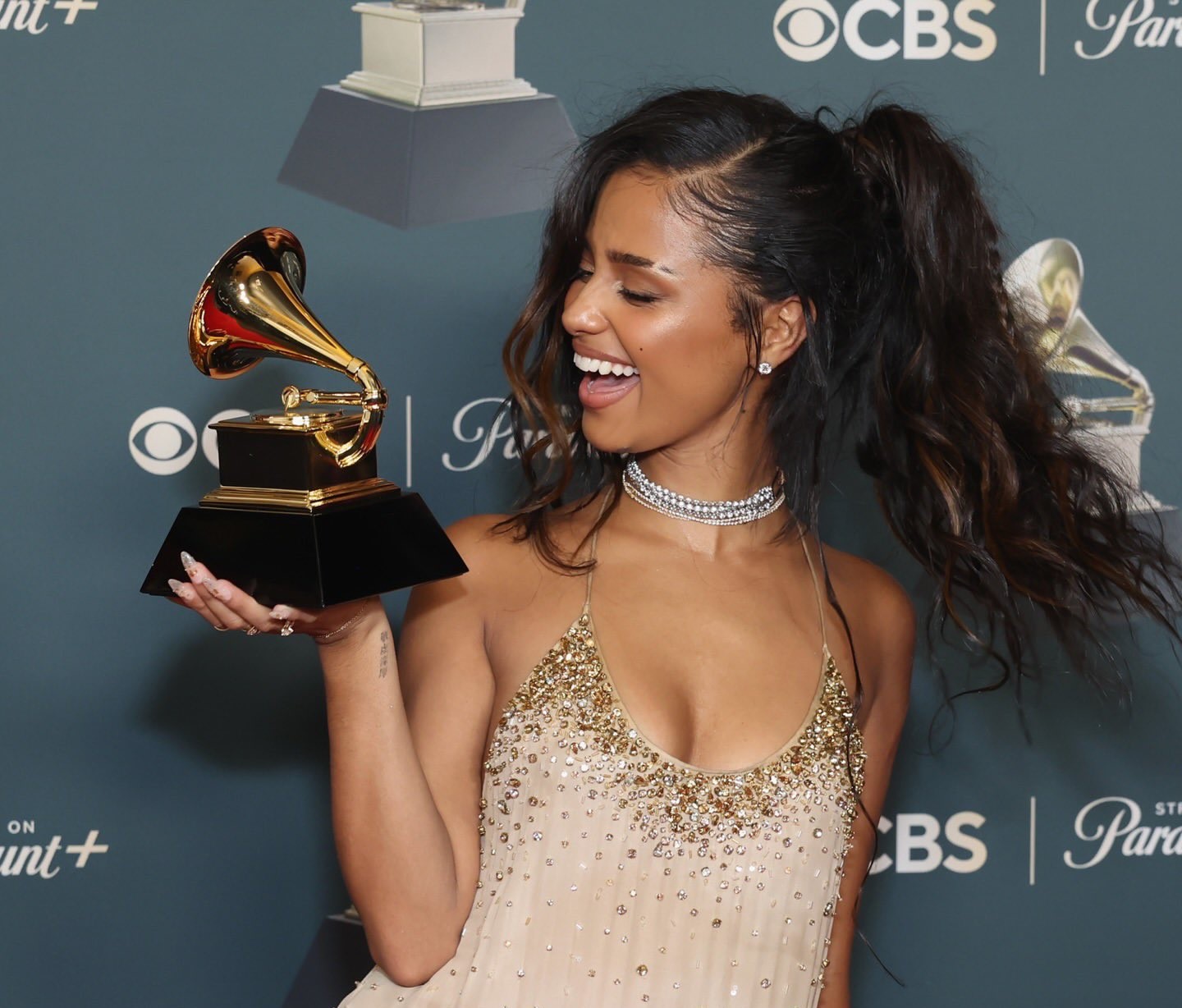
Inside the Crypto.com Arena in February 2024, a 22-year-old from Johannesburg stepped onto a stage that no African artist had ever stepped onto in quite this way. The category had not existed twelve months earlier. When the envelope opened and the name Tyla was read out for “Water,” the room understood it was watching a door swing open that had been pushed against for sixty years. She thanked her mother, she thanked South Africa, and she held up a golden gramophone that was, by the design of the Recording Academy itself, meant to belong to the continent she came from. That single moment carried the weight of generations of musicians who had reached the Grammy stage long before her, some who won, many more who did not, and all of whom built the road she walked down.
The story of Africa at the Grammys is older and stranger than the current Afrobeats boom suggests. It runs through apartheid-era protest records, through Zulu choral harmony, through a Beninese woman who has won more golden gramophones than any other African solo artist alive, and through a Senegalese griot whose single victory took fourteen years to repeat itself in any form. To understand what Tyla’s win meant, you have to start with the people who got there first.
The pioneers: Makeba, Masekela, and the long road from apartheid
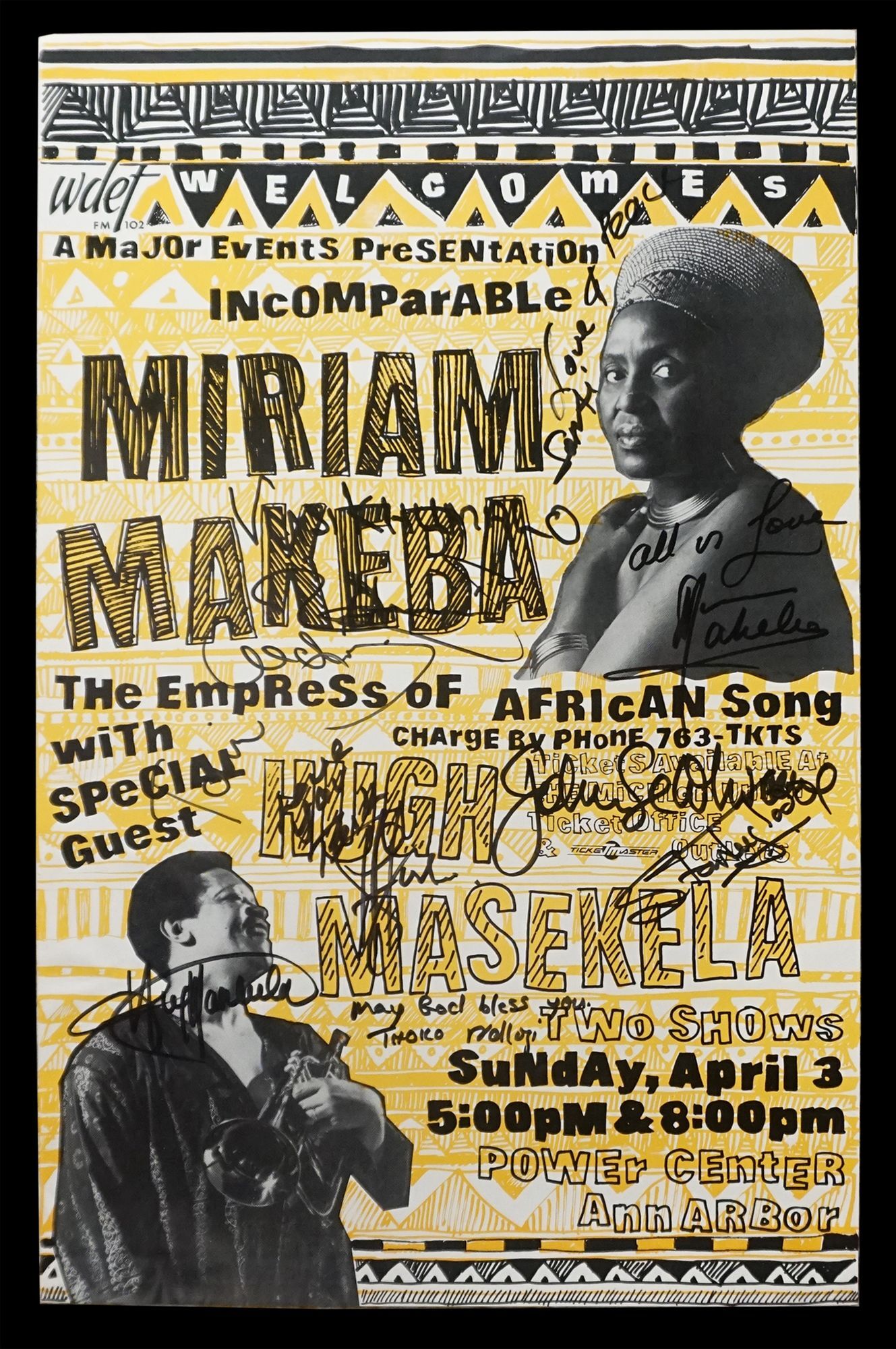
The first African recording artist to win a Grammy did so in 1966, and she was already an exile from her own country. Miriam Makeba, banned from returning to South Africa for speaking against apartheid, shared the Grammy for Best Folk Recording with Harry Belafonte for their album “An Evening with Belafonte/Makeba.” The record was openly political, carrying songs critical of the South African government, and its win put an African voice on the Grammy roster decades before anyone used a phrase like “global music.” Makeba did not win as a curiosity. She won as a serious artist whose work happened to double as protest.
Her countryman and one-time husband Hugh Masekela became an international star around the same stretch, but his Grammy story is more complicated and worth stating plainly. Masekela’s 1968 instrumental “Grazing in the Grass” topped the Billboard Hot 100 and sold over four million copies, and it earned him a Grammy nomination. He did not win a competitive Grammy for it. The recording was later inducted into the Grammy Hall of Fame in 2018, which is an honor distinct from winning an award. Masekela mattered enormously to African music’s global standing, but the precise record is that he was a nominee and a Hall of Fame inductee, not a Grammy winner. That distinction is exactly the kind of thing readers notice, and it is exactly the kind of thing that gets blurred in casual retellings.
What Makeba and Masekela established was a template: African music could reach the Grammy stage when it was framed as folk, as protest, as something the West considered worth translating. For the next several decades, that framing held.
The South African choral and gospel legacy
If one group did more than any other to make Grammy voters comfortable with sustained African excellence, it was Ladysmith Black Mambazo. The Zulu isicathamiya vocal group from KwaZulu-Natal first reached global ears through Paul Simon’s 1986 album “Graceland,” a record that itself swept the Grammys, winning Album of the Year for 1986 and Record of the Year for the title track. “Graceland” was controversial for the way Simon had recorded with South African musicians during a cultural boycott, but it undeniably launched Ladysmith Black Mambazo onto the world stage.
What the group did with that platform was win, again and again. Ladysmith Black Mambazo has taken home five Grammy Awards across three decades, beginning with “Shaka Zulu” in 1988 and continuing through “Raise Your Spirit Higher,” “Ilembe,” “Singing for Peace Around the World,” and “Shaka Zulu Revisited: 30 Year Anniversary Celebration.” Five wins is a tally that puts them among the most decorated African acts in Grammy history and the clearest proof that an African ensemble could be a fixture rather than a one-off.
The Soweto Gospel Choir followed a similar path with similar results. The South African ensemble has won three Grammy Awards in the traditional world music category, for the albums “Blessed,” “African Spirit,” and “Freedom.” Their harmonies, rooted in township gospel and freedom-song tradition, gave Grammy voters a second reliable African name to reward, and they did so consistently across more than a decade.
The world music champions: Kidjo and N’Dour
For a long stretch, the surest route to a Grammy for an African solo artist ran through the category once called Best World Music Album and later renamed Best Global Music Album. No one has traveled that route more successfully than Angelique Kidjo.
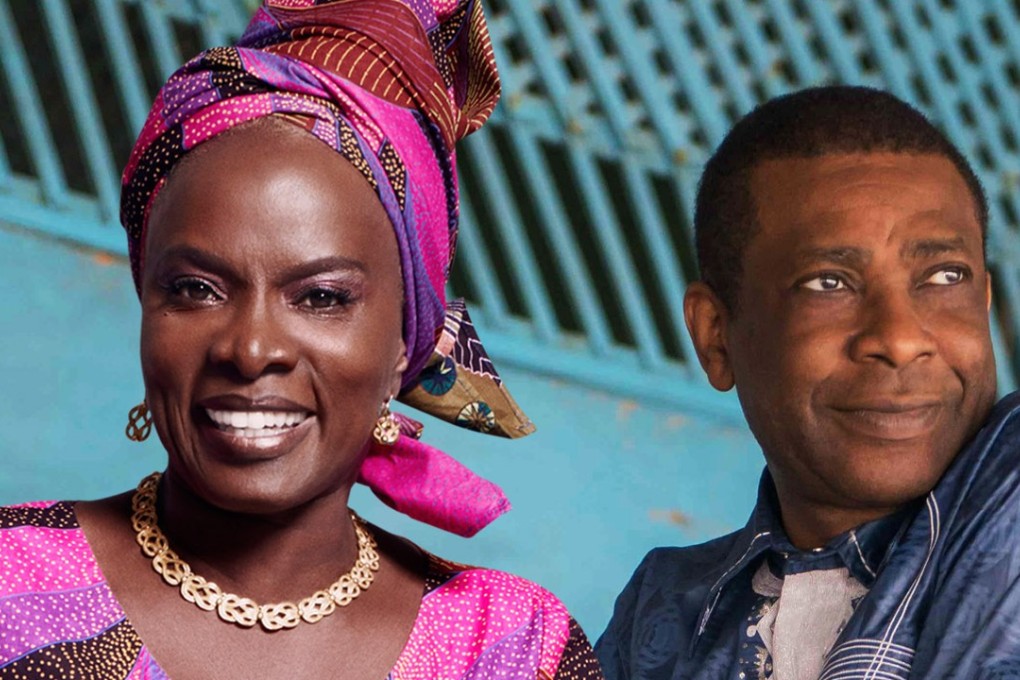
The singer from Benin is the most awarded African solo artist in Grammy history, with five wins to her name. She won Best Contemporary World Music Album for “Djin Djin,” then took the world music album prize for “Eve,” “Sings,” and “Celia,” before winning Best Global Music Album for “Mother Nature” in 2022. Across those victories Kidjo also racked up a long list of nominations, and her fifth win cemented a position no other African solo act has matched. Notably, it was Kidjo who beat Burna Boy’s “African Giant” at the 2020 ceremony, a passing of context between the old guard and the new that nobody scripted but everybody felt.
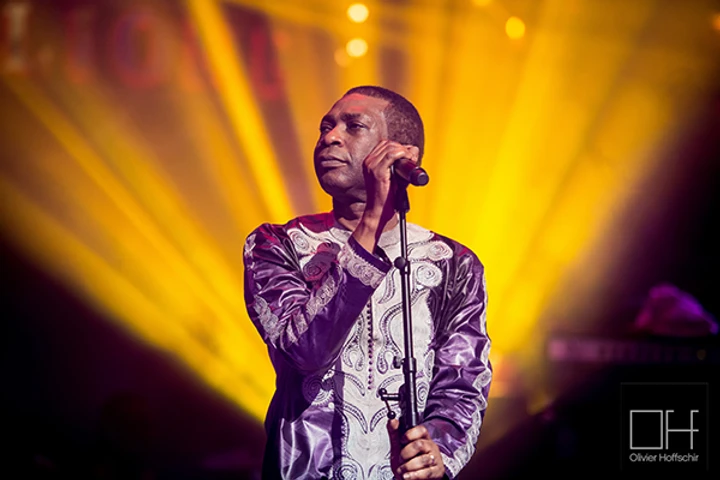
Senegal’s Youssou N’Dour stands as one of the most globally celebrated African voices of his generation, yet his Grammy record is leaner than his stature suggests. N’Dour has won a single competitive Grammy, taking Best Contemporary World Music Album at the 2005 ceremony for “Egypt,” a record made with the Egyptian Fathy Salama Orchestra that fused Senegalese mbalax with North African orchestration. One win for an artist of his magnitude is a reminder that Grammy recognition and genuine global influence have never lined up neatly, especially for African artists working outside the categories the Academy chose to reward.
Ad SpaceIn-Article - 300x250
Advertisement
Worth folding into this chapter are two Nigerian percussionists whose Grammy fingerprints predate the Afrobeats era entirely. Babatunde Olatunji and Sikiru Adepoju both played on Mickey Hart’s “Planet Drum,” which won the inaugural Best World Music Album Grammy in 1992. Adepoju, a Yoruba talking-drum master, won again at the 2009 ceremony for his work on Hart’s “Global Drum Project.” These were collaborative wins on records led by an American, but the African contribution was central, and the names belong in any honest accounting.
The electronic breakthrough
The categories African artists had won in for half a century all sat under the umbrella of folk, world, or global music. In 2022, a South African DJ broke that pattern in a way that genuinely surprised the industry. Black Coffee won the Grammy for Best Dance/Electronic Album for “Subconsciously,” beating out Illenium, Major Lazer, Marshmello, and others. It marked the first time a South African producer had won, or even been nominated, in that category. The significance was structural rather than symbolic. Black Coffee proved an African artist could win in a mainstream genre lane judged against American and European peers, not in a category set aside for music from elsewhere. That shift in framing turned out to be a preview of everything that came next.
The Afrobeats arrival: Burna Boy, Wizkid, Tems
By the end of the 2010s, Afrobeats had stopped being a regional sound and become a global commercial force, and the Grammys could no longer treat it as a footnote. The breakthrough came in stages.
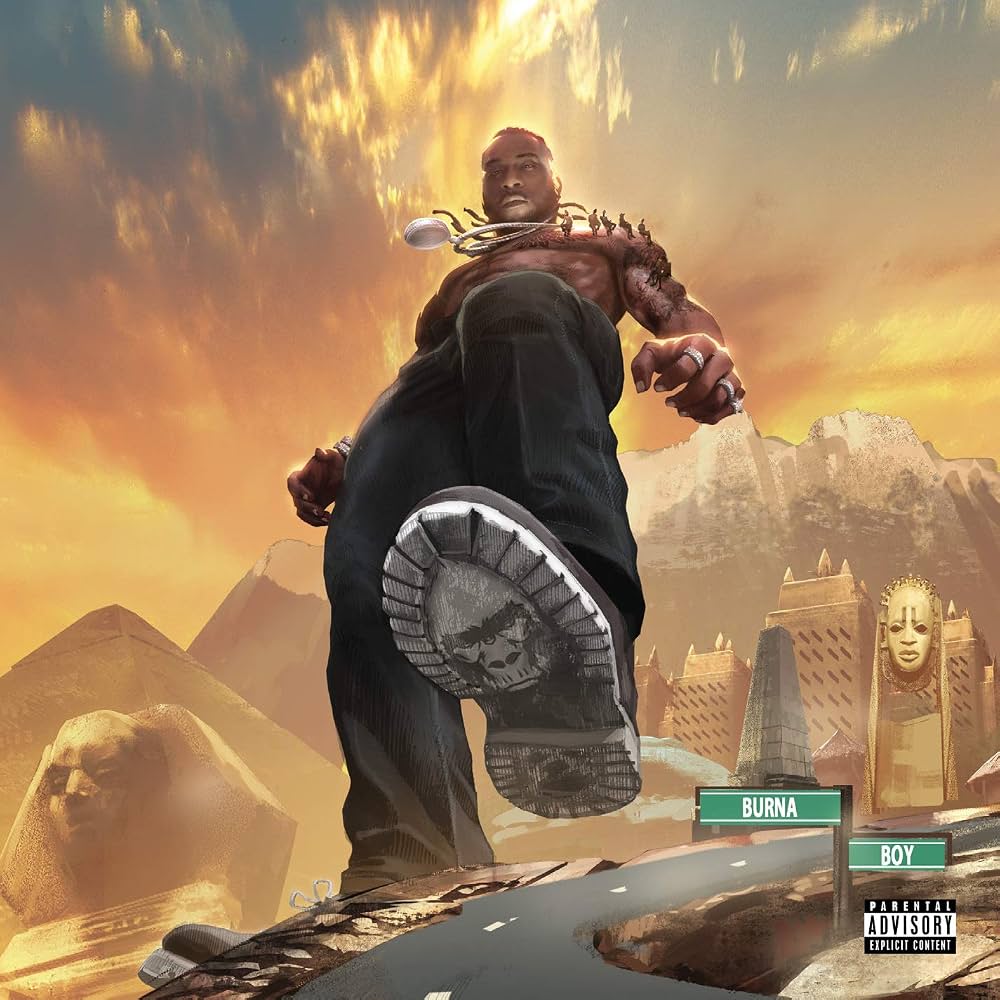
Burna Boy was the tip of the spear. His album “African Giant” earned a Best World Music Album nomination at the 2020 ceremony, where it lost to Kidjo. The following year, at the 2021 ceremony, his album “Twice as Tall” won Best Global Music Album, his first Grammy and a landmark moment for Nigerian music. Burna Boy has since built the deepest Grammy resume of any Afrobeats artist, becoming the first Nigerian act to collect five album nominations across his career, with “African Giant,” “Twice as Tall,” “Love, Damini,” “I Told Them,” and his later work all earning recognition. The win column, however, still reads one, a gap his fans note pointedly every awards season.
Wizkid’s Grammy history rests on one specific, frequently misdescribed achievement. He won Best Music Video at the 2021 ceremony, but the award belonged to “Brown Skin Girl,” credited to Beyonce, Blue Ivy Carter, and Wizkid, with Guyanese-American rapper SAINt JHN also featured on the track. The video came from Beyonce’s “The Lion King: The Gift” project, and Blue Ivy’s involvement made her one of the youngest credited Grammy winners ever. Wizkid’s own marquee work, the album “Made in Lagos” and the single “Essence,” earned him nominations at the 2022 ceremony for Best Global Music Album and the newly created Best Global Music Performance, but he did not win in either. Across his career Wizkid holds six Grammy nominations and that single win as a featured artist, a record that under-reflects his influence on the genre.
Tems carved out her own place quickly and precisely, and her story is the one most often garbled, so it pays to be exact. Tems won her first Grammy as a featured artist on Future’s “Wait for U,” which took Best Melodic Rap Performance at the 2023 ceremony, a win she shared with Future and Drake. That made her one of the first Nigerian women to win a Grammy. Separately, Tems co-wrote and sang on Rihanna’s “Lift Me Up” from “Black Panther: Wakanda Forever,” which earned an Academy Award nomination for Best Original Song. The Oscar nod and her Grammy work are two different things and should never be merged. By the 2025 ceremony Tems had become a headline winner in her own right, and her album “Born in the Wild” earned a Best Global Music Album nomination that did not convert, alongside an R&B songwriting nomination.
The category that changed everything
In 2023 the Recording Academy did something it had resisted for decades. It created a dedicated category, Best African Music Performance, recognizing recordings built on distinctly African musical expression. The first award was handed out at the 2024 ceremony, and it went to Tyla for “Water.” She beat a field that read like a roll call of the moment: Asake and Olamide for “Amapiano,” Burna Boy for “City Boys,” Davido featuring Musa Keys for “Unavailable,” and Ayra Starr for “Rush.” “Water” had already made history as the first solo song by a South African artist to enter the Billboard Hot 100 in fifty-five years, the last being Masekela’s “Grazing in the Grass,” a thread tying the newest winner directly to the pioneers.
The category did exactly what a dedicated lane was supposed to do, which is keep handing African artists the spotlight. At the 2025 ceremony, Tems won Best African Music Performance for “Love Me Jeje,” a song sampling a 1997 Nigerian classic, beating a field that included Burna Boy, Asake, Wizkid, Yemi Alade, and Chris Brown’s Afrobeats-leaning “Sensational” featuring Davido and Lojay. At the 2026 ceremony, Tyla won the category a second time for “Push 2 Start,” again outpacing nominees including Davido, Burna Boy, and Ayra Starr. Three years into its existence, the award had already produced two double winners and a clear sense that the breakthrough was structural, not a single lucky night.
The still-waiting
For every artist holding a gramophone, several of the genre’s biggest names are still chasing a first win, and precision here matters because the difference between nominated and won is the whole point. Davido has been nominated multiple times without winning, including three nominations at the 2024 ceremony alone, for Best Global Music Performance, Best Global Music Album, and Best African Music Performance, all of which he lost. Ayra Starr has earned nominations in the Best African Music Performance category, for “Rush” and later for “Gimme Dat” with Wizkid, without converting one into a win. Rema picked up a Best Global Music Album nomination for “Heis” at the 2025 ceremony despite “Calm Down” becoming one of the most-streamed African songs in history, and he has yet to win. Asake and Olamide share a nomination as collaborators on “Amapiano” but no individual win. Each of these is a nomination, full stop, and treating any of them as a win would be the exact error this kind of reference exists to prevent.
What a Grammy means for African music’s globalization
The arc from Makeba’s shared folk award in 1966 to Tyla’s solo wins in the 2020s is not a straight line of steady progress. For decades African artists could win only when their music was filed under categories that framed it as foreign, as folk or world or global, something to be appreciated from a distance. Kidjo’s five wins and Ladysmith Black Mambazo’s five wins were extraordinary achievements earned inside that boxed-off space. Black Coffee cracking the dance category and Tems winning a rap performance award signaled something different, a willingness to judge African artists in the same lanes as everyone else. The dedicated Best African Music Performance category sits somewhere between those two ideas, both a celebration and a separate room, and African artists and critics argue about which it really is.
What is not in dispute is the commercial reality the awards now track. Afrobeats and Amapiano fill arenas, top streaming charts, and pull collaborations from the biggest names in American pop. The Grammys, an institution that took fifty-five years to put a South African solo song back on the Hot 100 conversation, finally built a category to keep up. Whether that category is a ceiling or a launchpad is the question the next decade of winners will answer, and the names already engraved on those gramophones, from a banned exile in 1966 to a Johannesburg 22-year-old who needed no introduction, suggest the answer has already started to reveal itself.
Ad SpaceIn-Article - 300x250
Advertisement
Share
Get the recap
Loved this story? Get more like it.
Join readers who get our weekly entertainment recap - the stories worth your time, delivered every Friday.
No spam. Unsubscribe anytime. By signing up you agree to our Privacy Policy.