

Table of Contents
- The Governor’s Bold Economic Proposal
- Impact on Nigeria’s Entertainment Landscape
- Nollywood and Creative Workforce Implications
- Afrobeats Industry Economic Considerations
- The Broader Entertainment Ecosystem Effect
- Looking Ahead: Entertainment Industry’s Future
The Governor’s Bold Economic Proposal
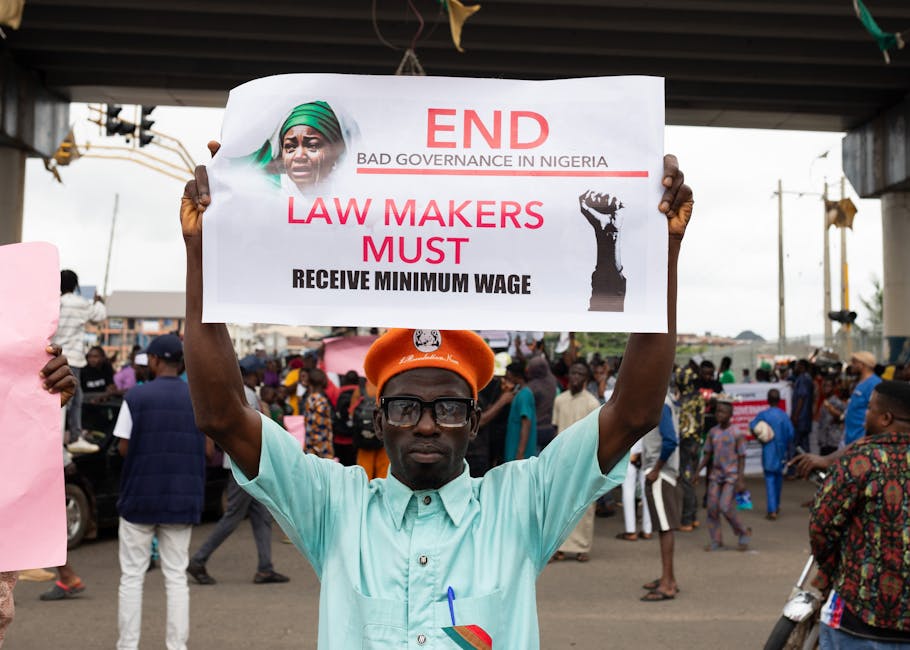
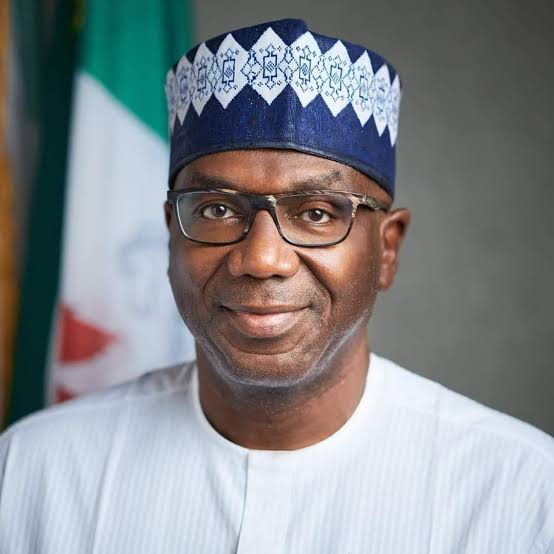
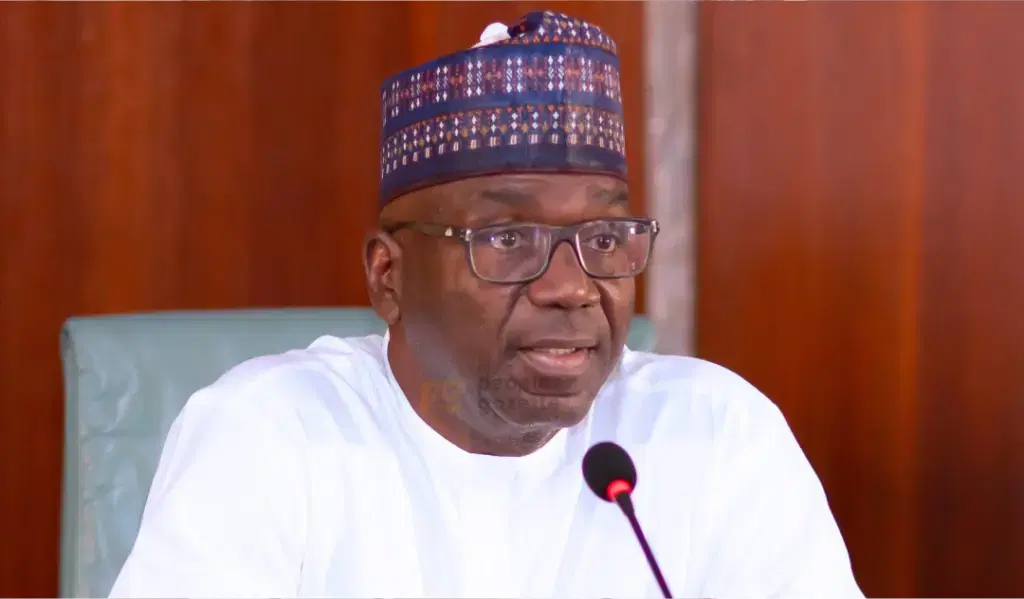
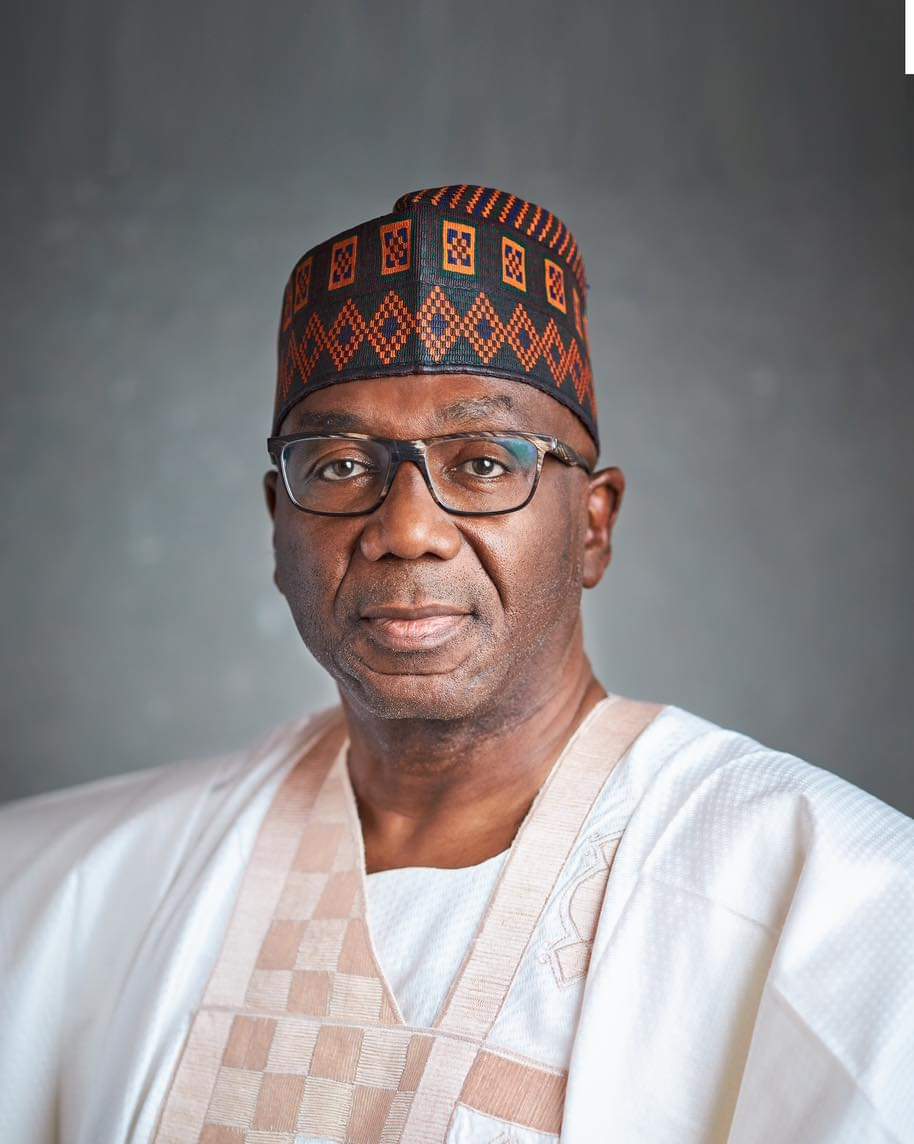
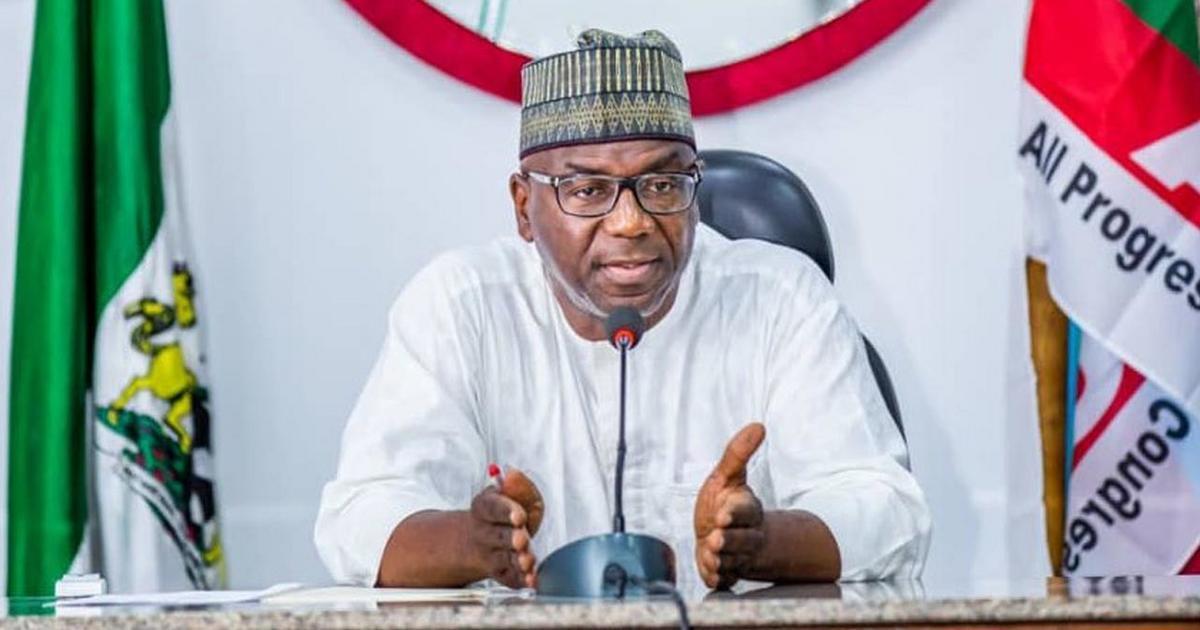
In a move that has sent ripples across Nigeria’s political and entertainment landscape, Kwara State Governor AbdulRahman AbdulRazaq has made headlines with his audacious recommendation to President Bola Tinubu regarding the national minimum wage. The governor’s suggestion to increase the minimum wage to N100,000 represents more than just economic policy – it signals a potential transformation that could dramatically reshape Nigeria’s thriving entertainment industry. This proposal comes at a crucial time when the country’s creative sector continues to gain global recognition, with Afrobeats dominating international charts and Nollywood expanding its reach across continents. The timing of AbdulRazaq’s recommendation coincides with ongoing labor negotiations and reflects growing awareness of Nigeria’s cost of living challenges, which have particularly affected creative professionals and entertainment industry workers.
AbdulRazaq, who has been serving as Kwara State’s governor since 2019, has consistently positioned himself as a progressive leader willing to tackle economic challenges head-on. His background in business and finance brings a unique perspective to governance, and this latest proposal demonstrates his understanding of how wage policies can impact various sectors of the economy. The governor’s recommendation isn’t made in isolation – it reflects broader conversations happening across Nigeria about fair compensation and the rising cost of living that affects everyone from film crews to music producers, sound engineers to social media content creators.
Impact on Nigeria’s Entertainment Landscape
The potential implementation of a N100,000 minimum wage would create seismic shifts throughout Nigeria’s entertainment ecosystem, affecting thousands of workers who keep the industry running behind the scenes. From production assistants on Nollywood sets to sound technicians in Lagos recording studios, administrative staff at entertainment companies to security personnel at concert venues, this wage increase could fundamentally alter the economic dynamics of Nigeria’s creative sector. The entertainment industry, which has become one of Nigeria’s most valuable exports, relies heavily on a vast network of skilled and semi-skilled workers whose contributions often go unrecognized but are essential to the sector’s continued success.

Currently, many entertainment industry workers operate in precarious economic conditions, often juggling multiple jobs to make ends meet while pursuing their passion for creative work. The proposed wage increase could provide much-needed financial stability for these professionals, potentially leading to higher quality productions as workers can focus more fully on their craft rather than worrying about basic survival. This economic security could also attract more talent to the industry, creating a virtuous cycle of improved quality and increased global competitiveness for Nigerian entertainment content.
Nollywood and Creative Workforce Implications
Nollywood, Nigeria’s prolific film industry, employs thousands of people across various skill levels, from renowned directors and actors to the countless behind-the-scenes professionals who make movie magic possible. A significant minimum wage increase would particularly benefit the industry’s support staff – the makeup artists, costume designers, location scouts, catering teams, and equipment handlers whose work is crucial but often undervalued financially. These professionals form the backbone of Nollywood’s production ecosystem, and better compensation could lead to improved retention rates and higher professional standards across the industry.
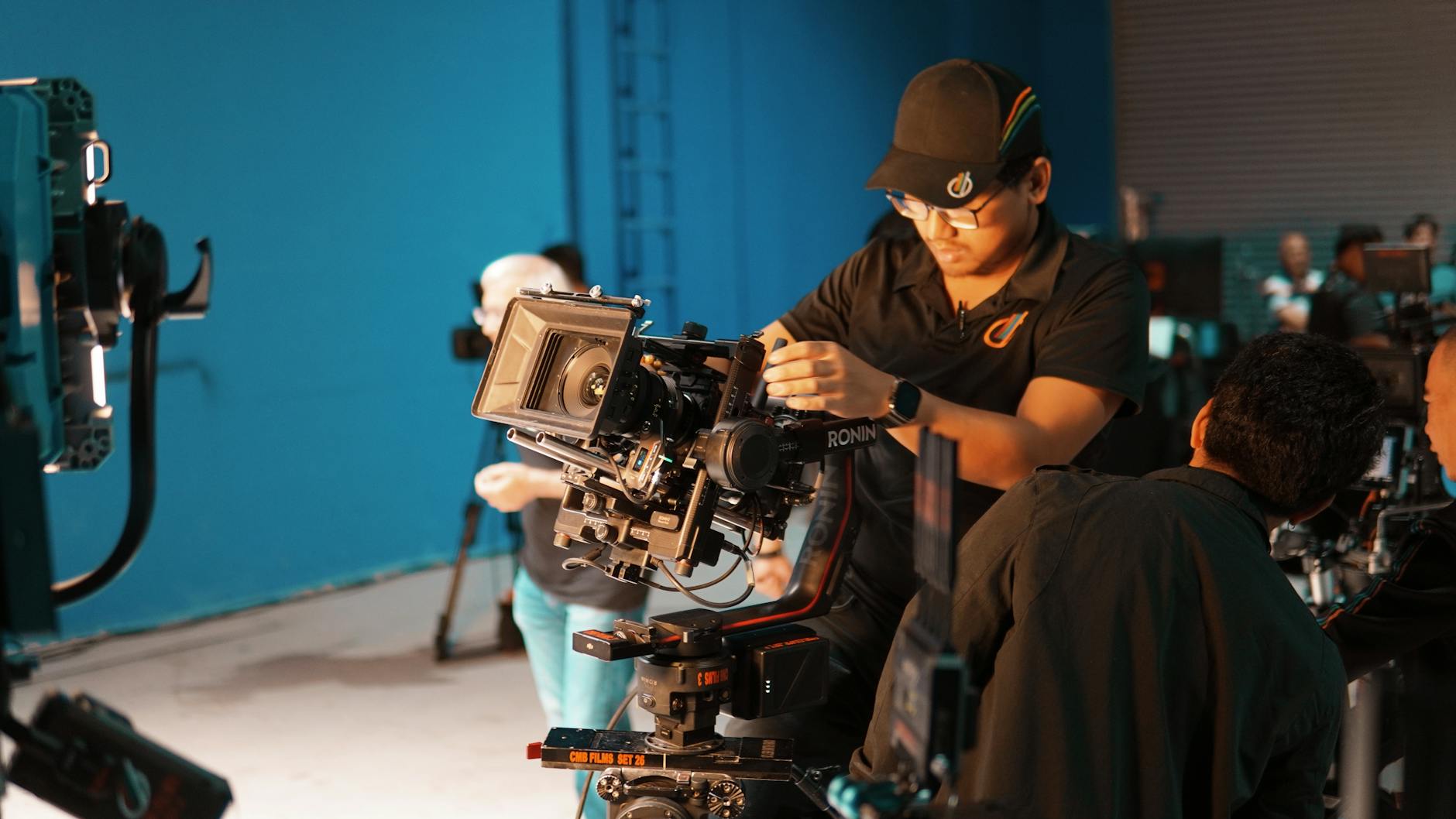
The ripple effects of improved wages could extend to the quality of Nigerian cinema itself, as better-compensated crews might invest more in professional development and equipment. This could help Nollywood compete more effectively with international productions while maintaining its unique cultural authenticity. Additionally, higher wages might encourage more young Nigerians to pursue technical careers in film production, addressing current skills gaps and building a more robust creative workforce for the future.