Table of Contents
- America Turns 250 and PBS Is Ready to Party
- The Artists Taking the Stage at This Year’s Special
- A Capitol Fourth: Four Decades of American Tradition
- Where to Watch and When It Airs
- Why a 250th Anniversary Concert Hits Different
- The Semiquincentennial Stage: What This Lineup Says About America Right Now
America Turns 250 and PBS Is Ready to Party
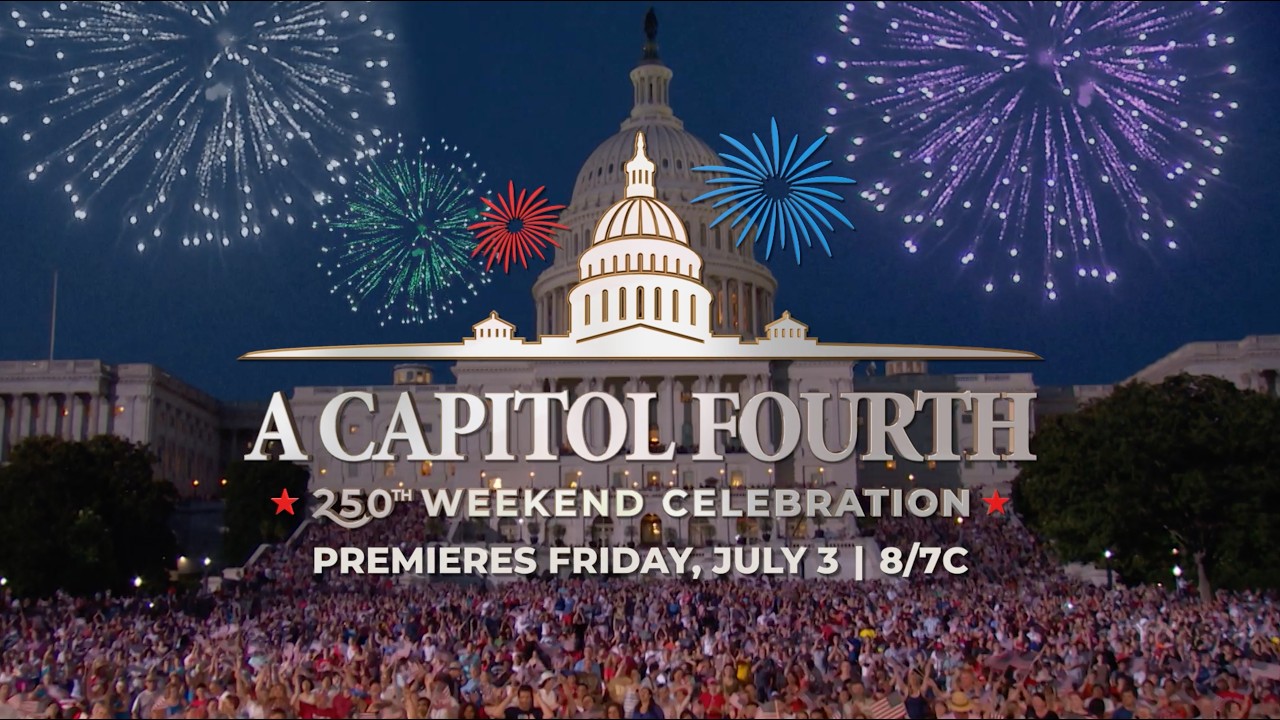
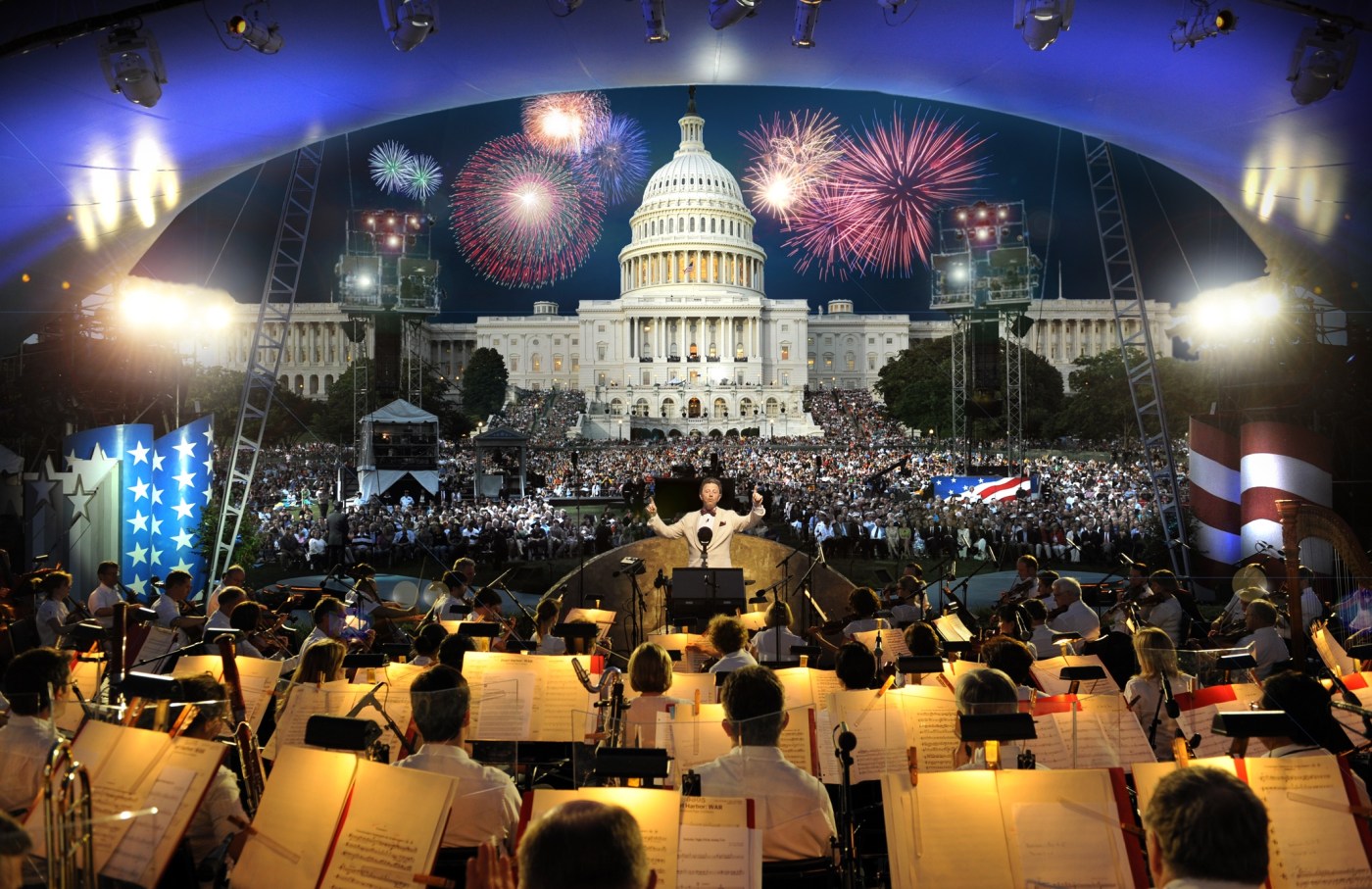
There are milestones, and then there are milestones. America turning 250 years old is firmly in the second category, and PBS is making sure the celebration lives up to the moment. This year’s edition of A Capitol Fourth - the long-running annual concert special broadcast live from the West Lawn of the U.S. Capitol - is pulling out all the stops to mark the country’s semiquincentennial in style. The special is set to air on July 3rd, one day ahead of Independence Day itself, which lands on a Friday this year, giving the broadcast its own prime-time moment before the holiday weekend kicks into full gear.
The decision to broadcast a day early is a savvy one. Airing on Thursday, July 3rd, means the special captures the full attention of viewers before backyard barbecues, beach trips, and local fireworks displays dominate the following day. It also gives the broadcast a sense of ceremony - a proper national send-off into what is arguably the most significant Fourth of July the country has celebrated in living memory. PBS has hosted this event since 1981, and over the decades it has become one of the most-watched live music events on American public television, consistently drawing millions of viewers each year.
The Artists Taking the Stage at This Year’s Special
This year’s roster leans into classic American sounds in a big way, which feels entirely appropriate given the scale of what’s being celebrated. The lineup features a mix of beloved legacy acts and crowd-pleasing performers who together represent a broad sweep of American musical identity - country, pop, R&B, and beyond. It is the kind of bill designed to speak to a wide, multigenerational audience, which has always been part of A Capitol Fourth‘s charm and its staying power as a broadcast institution.
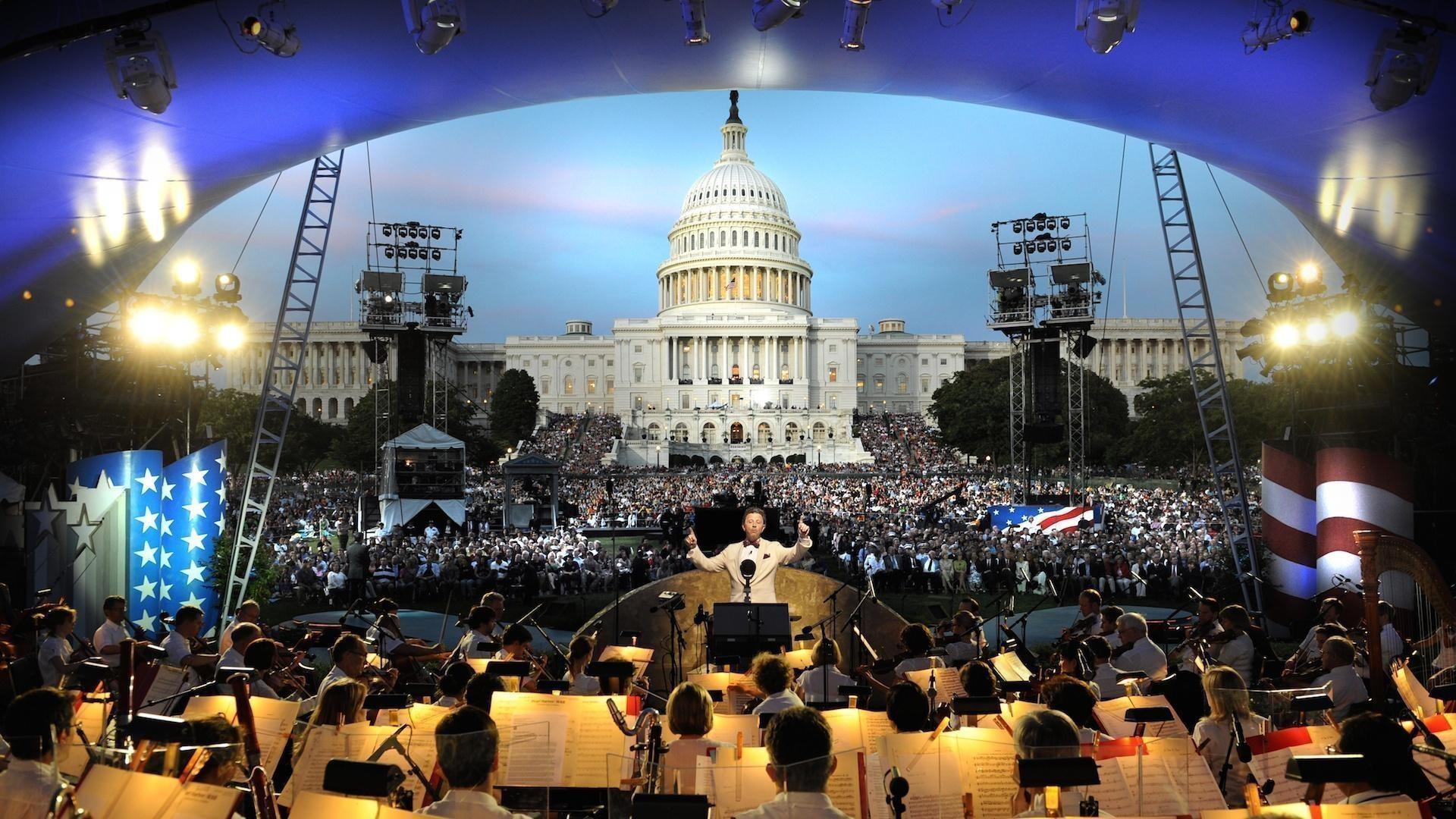
Among the confirmed performers are country legends, pop icons, and orchestral accompaniment courtesy of the National Symphony Orchestra, which has been a fixture of the broadcast and brings a layer of grandeur that separates this event from a standard outdoor concert. The NSO’s involvement is not merely ceremonial - the orchestra plays a central role in arrangements throughout the evening, lending everything from patriotic anthems to pop hits a sweeping, cinematic quality that suits the backdrop of the Capitol perfectly. The combination of live orchestration with chart-topping artists is genuinely one of the things that makes this broadcast feel unlike anything else on television each summer.
A Capitol Fourth: Four Decades of American Tradition
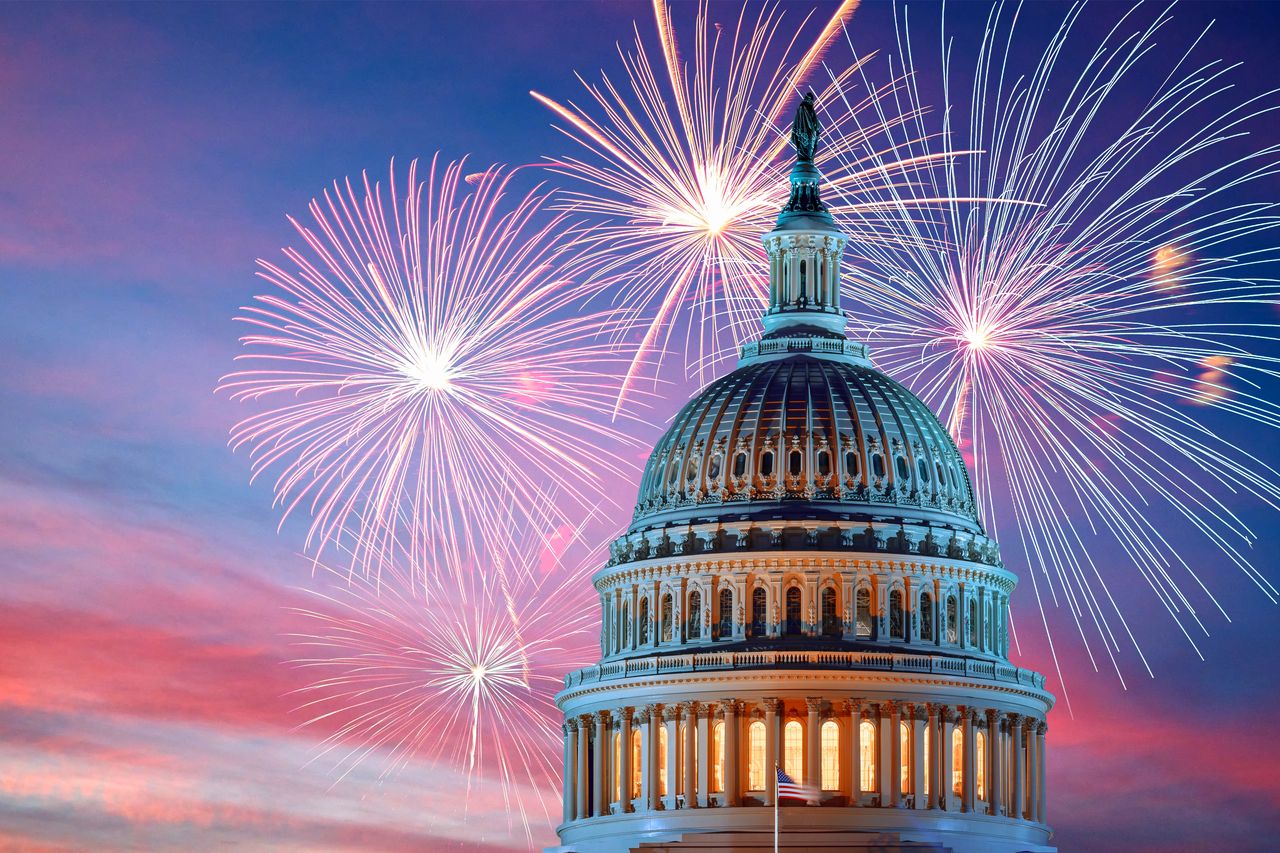
To understand why this year’s special matters so much, it helps to appreciate just how deeply embedded A Capitol Fourth is in the fabric of American cultural life. The broadcast first aired in 1981 and has run continuously ever since, surviving network shifts, budget debates, and the general chaos of live television to become one of PBS’s most reliable and beloved annual events. Over its more than four decades on air, it has featured an extraordinary roll call of American musical talent - from Aretha Franklin and Tony Bennett to Dolly Parton, Ricky Martin, and Patti LaBelle, the special has historically served as a stage for artists who represent the full spectrum of American music-making.
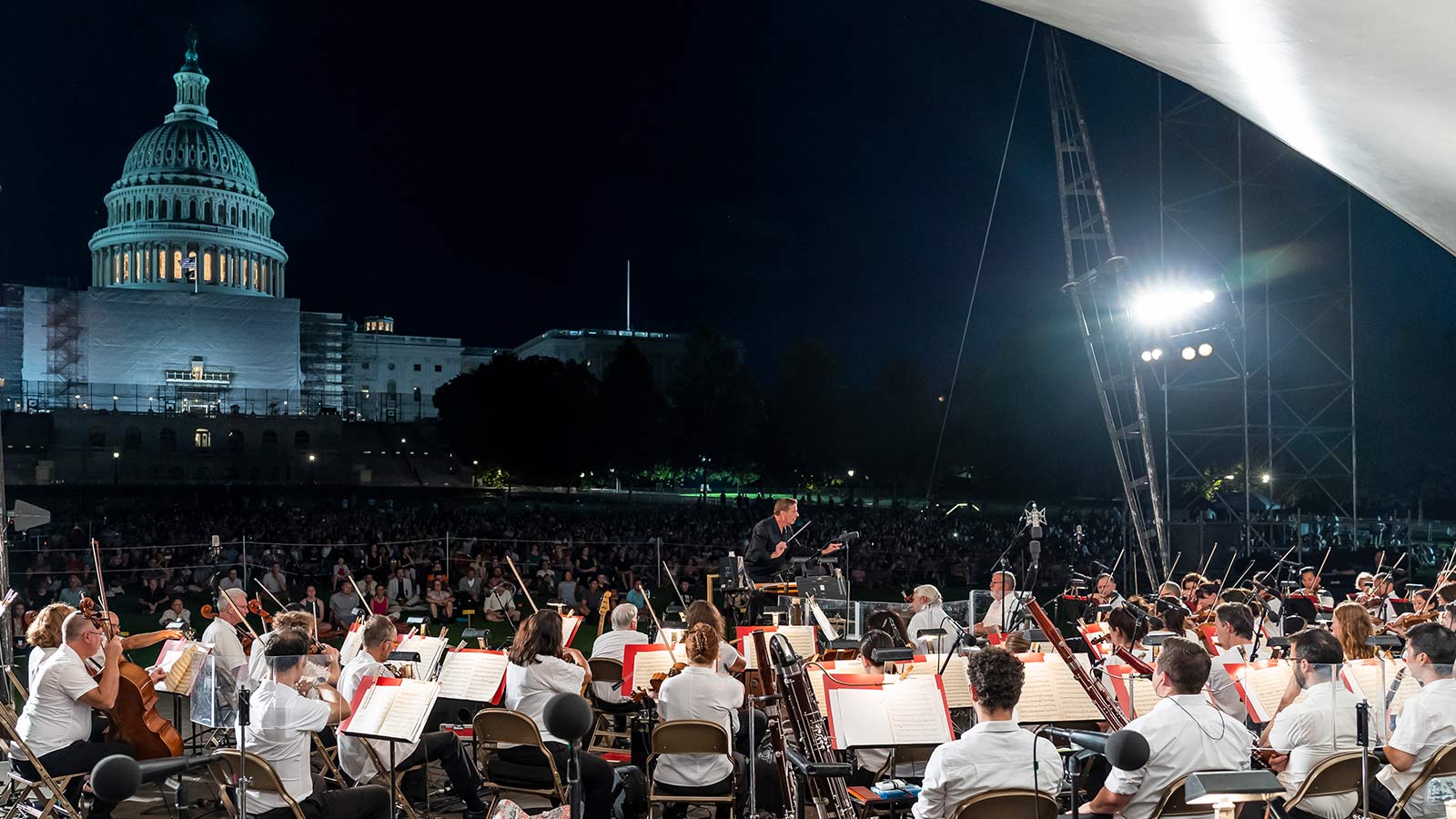
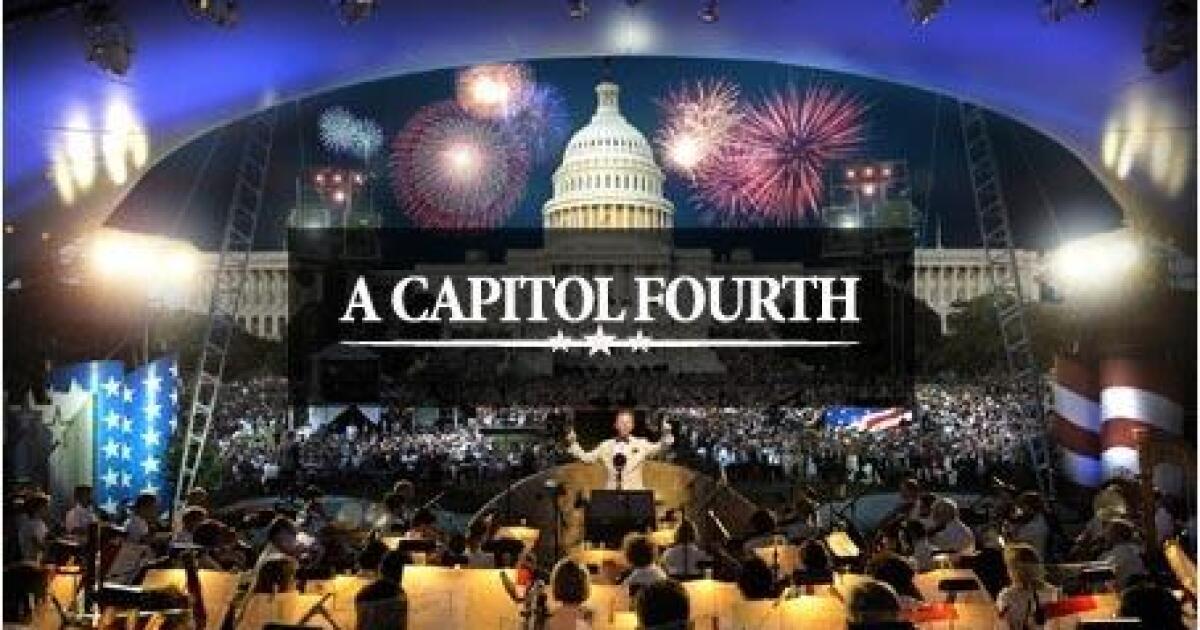
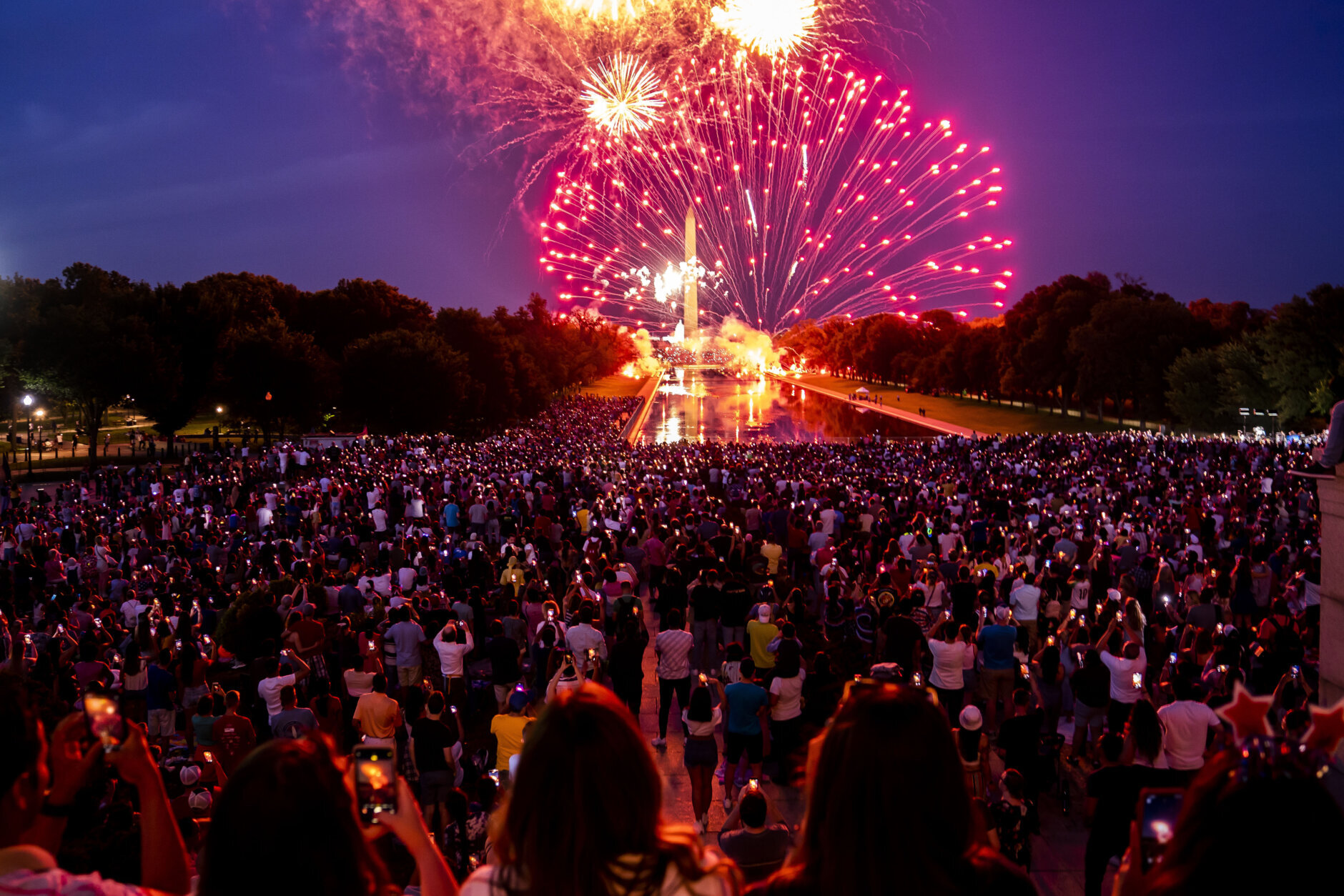
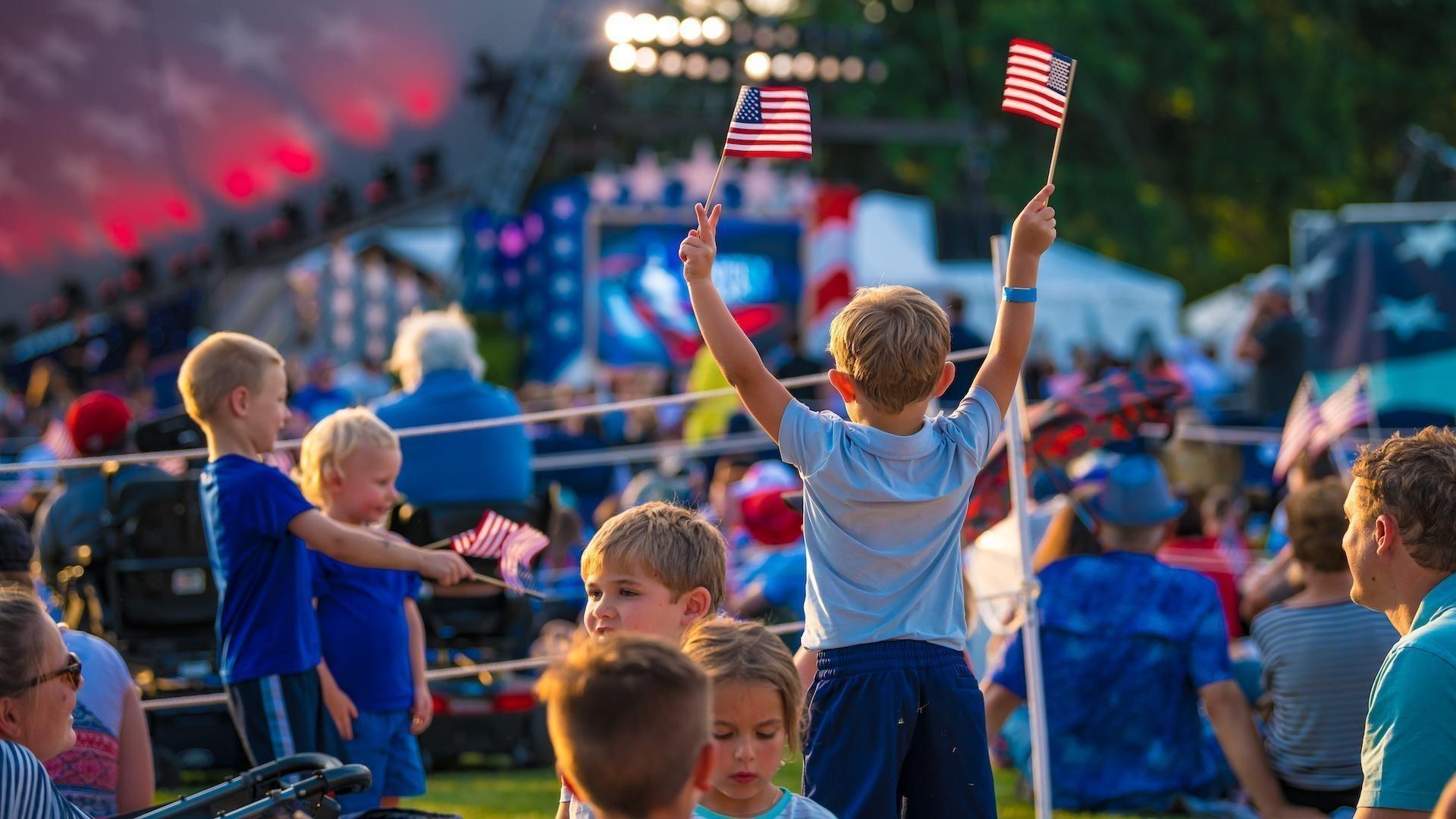
The format has remained relatively consistent: an outdoor concert on the West Lawn of the Capitol, broadcast live on PBS stations across the country, culminating in a fireworks display over the National Mall. It is one of those rare television events that genuinely functions as communal viewing - families gathering around screens in living rooms from Maine to California, watching the same performers under the same Capitol dome. In an era where media consumption has become increasingly fragmented and personalized, that kind of shared cultural moment feels almost radical. The show typically draws somewhere between a few hundred thousand live attendees on the lawn and millions more watching from home, making it one of the single largest live music audiences of any given year.