
The Travel and Tourism Development Index (TTDI) report was released on Tuesday by the World Economic Forum.
This annual study looks at how countries are performing in terms of travel infrastructure, destination marketing strategies, traveler experience quality, and policy measures dedicated to attracting visitors worldwide.
The report found that sub-Saharan Africa has had the most significant improvement in performance globally since 2019. The report also highlighted that with rapid improvement in Africa’s ICT readiness, it is now easier for tourists to receive digital Travel & Tourism services.
Two years after the deadly global pandemic, travel and tourism show signs of recovery in many parts of the world. This was revealed by the recently released World Economic Forum (WEF) report on their TTDI 2021 index, which ranks a country’s performance based on metrics. This includes rates for population growth or Travel flows between countries that can impact locally and globally.
The Travel & Tourism Index provides a strategic benchmarking tool for businesses, governments, and international organizations to assess the growth potential in their respective region. The index identifies vital factors that enable resilient and sustainable travel economies across 117 countries worldwide.

RELATED ARTICLES:
- Saudi Arabia to issue tourist visas for the first time ever
- A Full-Day Travel Guide to Bali Swing Places
-A Complete Guide on Iran Desert Tours
Highlights Of WEF’s Travel and Tourism Development Index (TTDI) 2021
The report noted that Sub-Saharan Africa (Africa) had had a tremendous improvement in TTDI performance since 2019, with 17 out of 21 regional countries covered by this index increasing their scores. However, despite these successes, it still lags behind other regions, which undermines its great potential for growth and development into an information tech industry.
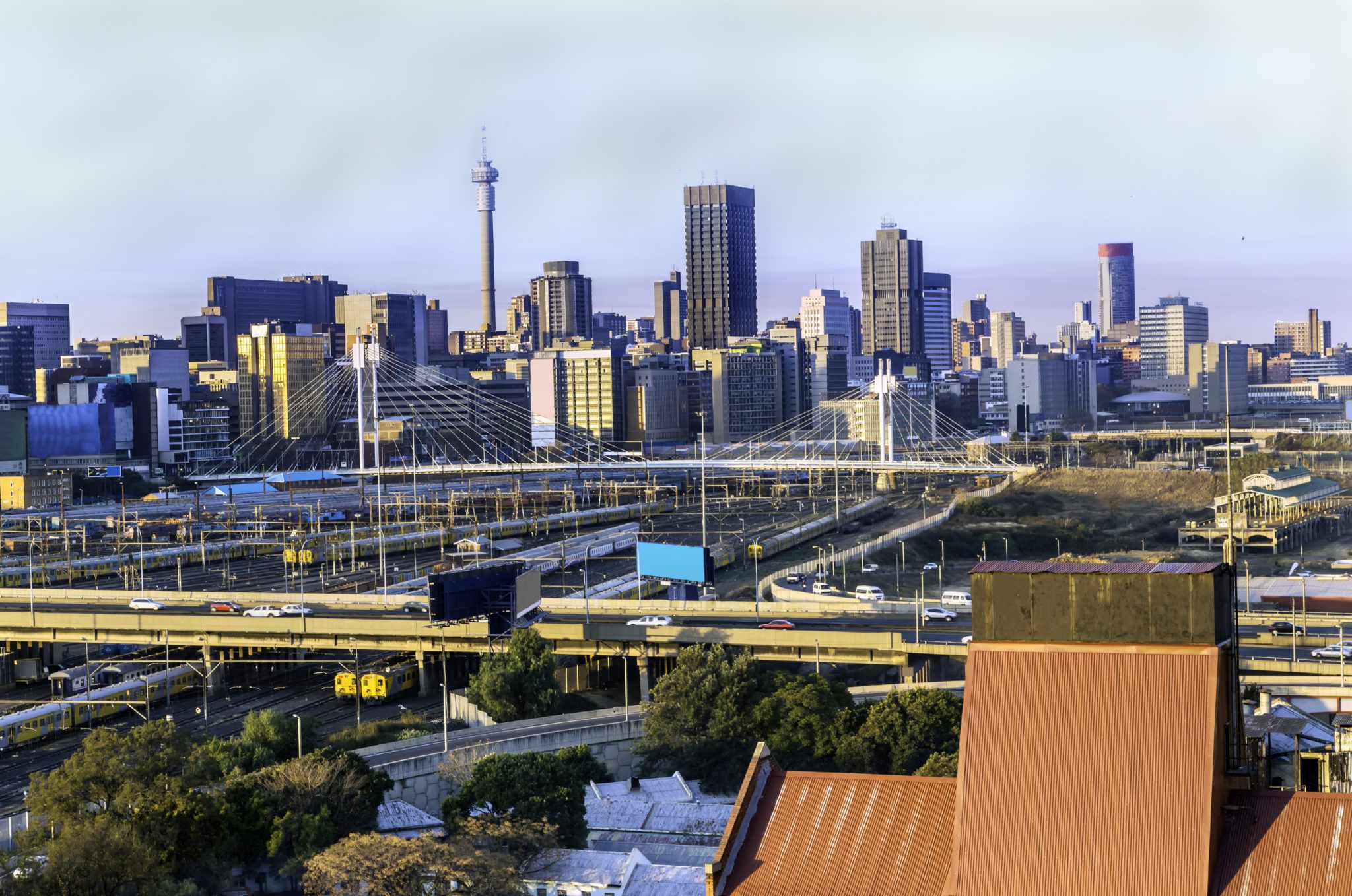
South Africa is the leading country in Southern and Eastern Africa regarding T&T economies. With an index of 82, South Africa rank as one of their most influential players on this front, but they’re not alone; many more countries have made significant strides towards becoming global competitors for tourism development with destinations all over Earth.
Top 10 Economies in Sub-Saharan Africa Enabling Travel and Tourism Development
10. Ghana
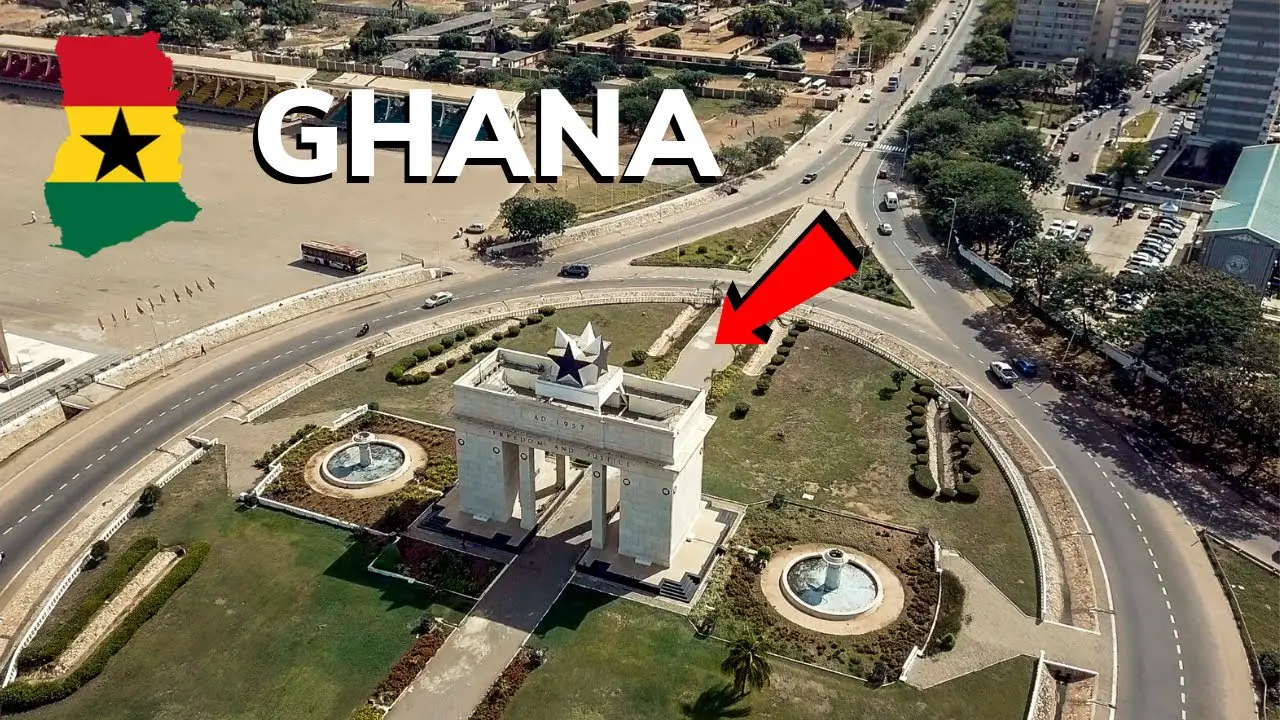
With a Global ranking of 101st, the country of Ghana covers an area slightly smaller than the UK or Oregon. The terrain offers primarily low plains with some scattered hills crisscrossed by rivers, and there is Lake Volta - Africa’s largest artificial lake. Mount Afadjato, Ghana’s highest peak with just 885 meters (2 904 ft), is in the Agumatsa Range. The main rivers are Black Volta and Red Volute, which merge into one river that runs through Akosombo Dam to form Lake Volta -the world’s largest artificial lake.
What is Ghana Famous for?
The cocoa beans for making chocolate and other cocoa sweets and products, Ghana’s cocoa beans earn an extra premium in price on the international market because of their quality and in Japan and South Korea. Chocolate bars are boldly labeled “Made in Ghana” because of the quality of the cocoa beans used in making the product. Ghana is also known as the current biggest producer of gold, recently overtaking South Africa, whose easy gold winnings are depleted.
Culture
Ghana is a bustling, diverse country with over 100 ethnic groups living in Ghana. The people that live there are from six leading families: the Akan (Ashanti and Fanti), Ewe, Ga-Adangbe, and MoleDagbani Guan Gurma. Each group has its own unique culture, which they try to always maintain through hospitality towards others-whether it be public gatherings or just life as an everyday routine.
Economy of Ghana
Ghana has a rich natural resource base, including the manufacturing of digital technology goods. These boosted Ghana to one of the highest GDP per capita in West Africa. The economy also gets supported by automotive construction & exports and hydrocarbons mining for industrial minerals, which account for 40% or more than all other combined resources. This gives them a reason to celebrate because it makes this tiny country stand out among its counterparts with high growth rates.
9. Zambia
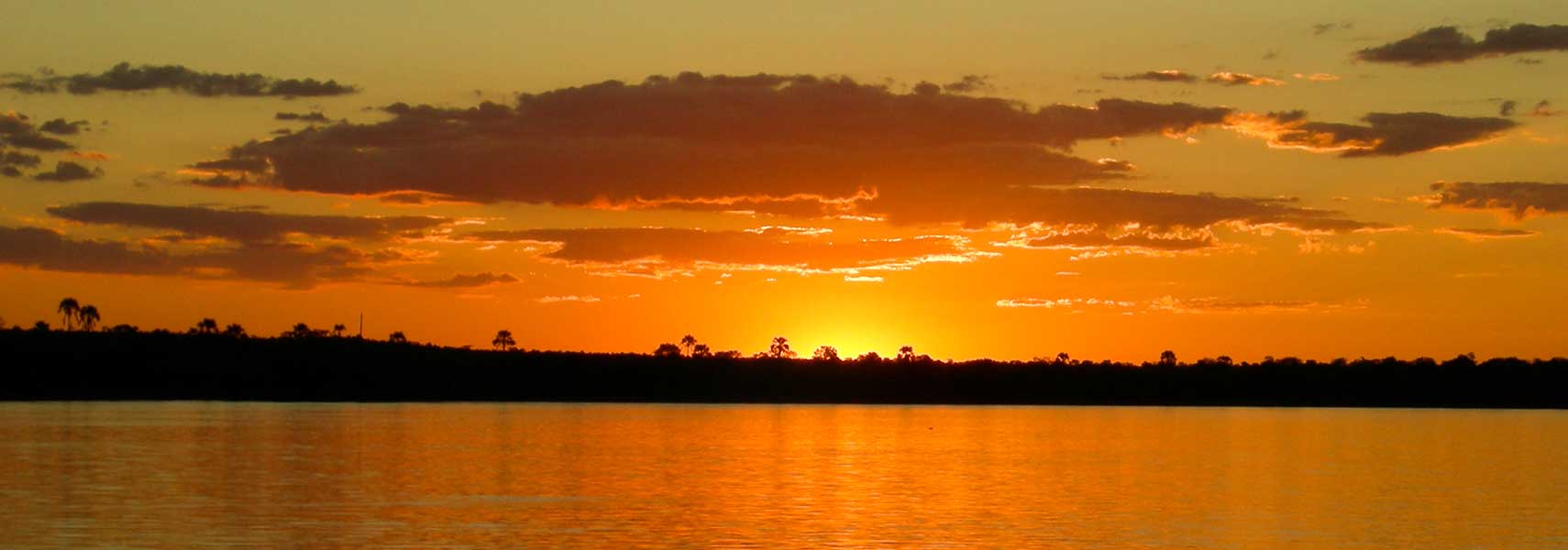
With a Global ranking - of 98th, Zambia is a country in East Africa with an area slightly larger than twice the size of Germany and Texas. The population has grown by more than 1 million people since 2008, making it one of sub-Saharan’s most developing nations today. English remains the primary language spoken, and several Bantu dialects like Zambian/Chiba, which accounts for 33%, while Nyanja (Cinyanja), Tonga Chopped Dialects collectively called “Lozi” make up 11%.
What is Zambia Famous for?
With its vast landscape, Zambia is a safari gold mine for outdoors enthusiasts. From waterfalls and lakes to rivers and wetlands - there are so many different sights in this country that offers enormous diversity! You’ll see animals like elephants or leopards roaming free while exploring traditional villages with straw roofs made from dry grasses on either side, all surrounded by incredible scenery, including reaches where it feels as if you’re standing right next door at home.
Culture
The contemporary culture in Zambia is a blend of values, norms, and material traditions that more than 70 diverse people have brought. Most tribes moved into the area a few centuries ago while some traveled for agricultural land or pasture; they grew steadily until now, but many still search to establish new kingdoms. The country has a mixture that makes it unique from other countries.
Economy of Zambia
As one of the developing countries in Africa, Zambia experienced extraordinary economic growth throughout most parts of this decade. In 2011 they achieved middle-income status and became an emerging economy after earning high rates for several years running up until then - such as being proclaimed the fastest growing city within SADC during that same time (2010). However, with recent developments like declining copper prices which have caused GDP to stall out currently due to fiscal deficits & energy shortages across multiple sectors; there is still much work left.
8. Rwanda
Global ranking - 89th.The small country of Rwanda covers an area larger than either Maryland or Macedonia. It also has a population density much higher than other African nations, making it one of the most populated countries. The official language is Kinyarwanda which mixes sounds from languages like French and English with Swahili as an additional tongue spoken throughout all region’s communities so they can communicate more easily.
What is Rwanda Famous for?
Rwanda is a country that has so much to offer. However, one of its most famous exports is the delicious fish dishes prepared from local lakes like Kivu and Simbaza-both found within Rwanda’s borders. If you’re lucky enough to visit there one day, then be sure not to miss out on trying these two fantastic types of catches (Tilapia being more prevalent). Other than food items such as cassava roots or spinach leaves. Before undergoing some preparation methods depending upon what type we want them served up with, people also rely heavily upon spices when cooking authentic African cuisine-especially cards worth noting include red pepper flakes.
Culture
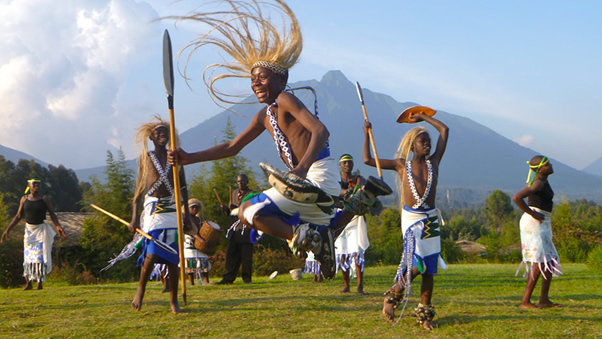
Dance and music are an integral part of Rwandan ceremonies, festivals, and social gatherings. The most famous traditional dance is ‘intore,’ which consists of 3 components -the ballet performed by women; a routine containing sword-fighting prowess amongst men called “Heroes’ Dance” (to depict courage); drums playfully regulating time for this exciting event.
Drums have always been highly coveted within royal courts because they helped keep track of precise timing and provide music during trance rituals or healing sessions. The physicians from other tribes would come to visit if allowed entry into your village after being properly greeted through proper protocol established beforehand.
Economy of Rwanda
Things have been pretty good for Rwanda over the last five years when it comes to the economy. However, in 2020, their score on economic freedom went down 10 points from 2017-to 19 due primarily to poor rankings in terms such as financial health and business freedoms, which are necessary if you want a thriving marketplace with lots of opportunities. Rwanda’s GDP continues its steep incline upwards through 2021 before leveling off at around $1 trillion per year starting.
7. Namibia
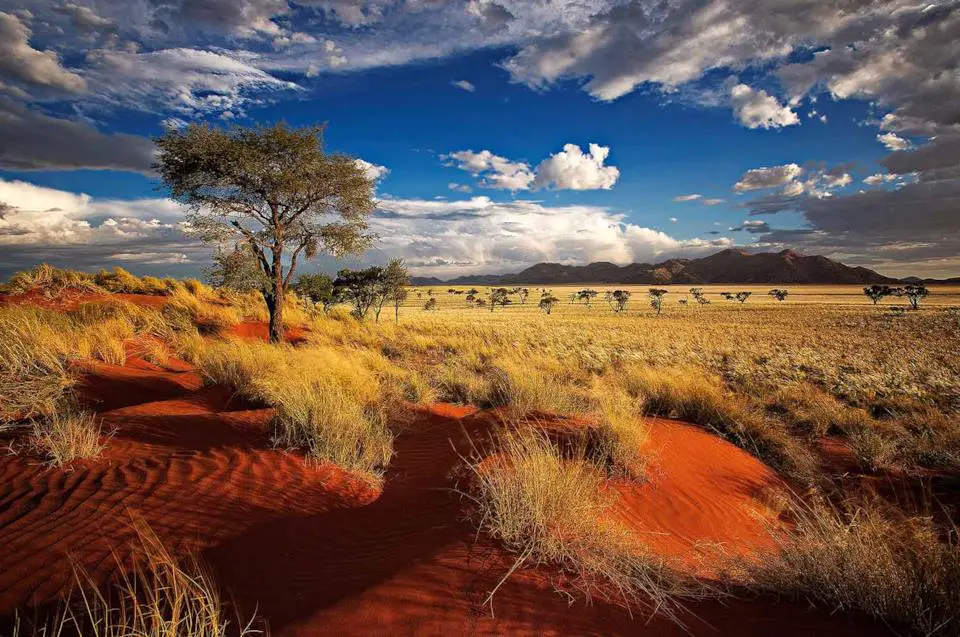
Namibia is a young country that gained independence from South Africa on 21 March 1990. The country’s Global ranking is 88th. The country’s name got derived from the Namib Desert. Namibia is 1.6 times about half the size of the US state of Alaska or approximately the size of France.
The country’s population is 2.5 million people (in 2020), making it the second least densely populated country (after Mongolia). The capital is Windhoek, the country’s largest city situated in the central highlands. The main spoken languages are Ovambo, English, Khoekhoe, and Afrikaans.
What is Namibia Famous for?
Namibia is more than just a country of deserts and dunes. It’s home to one of the world’s largest canyons, some incredible geology that ranges from ancient mountains into Namibian seabeds. With such an extreme environment, fascinating things are around every corner for those who take their time exploring this beautiful land.
Culture
Namibia is a country in Southern Africa with 11 ethnic groups. The main ones are the Ovambo, Kavango, and Herero communities, which make up about 75% of their population; mixed-race (Coloured & Rehoboth Baster) people account for 20%. There are also White Namibians of Afrikaans Swedish or British ancestry, while Portuguese traders founded settlements centuries ago, giving rise to Caprivian Sanand Tswana tribe members today. The majority, however, identify themselves simply by being “Namibian,” regardless of if they’re black or white.
Economy of Namibia
The economy projected a growth of 2.6% in 2021 and 3.3% in 2022, on the back of a consistent recovery in financial services, tourism, retail, wholesale trade, and the mining industries. This combines with an improvement in the regional and global economic environment. But the economy still faces substantial risks and challenges in short to medium term.
6. Cape Verde
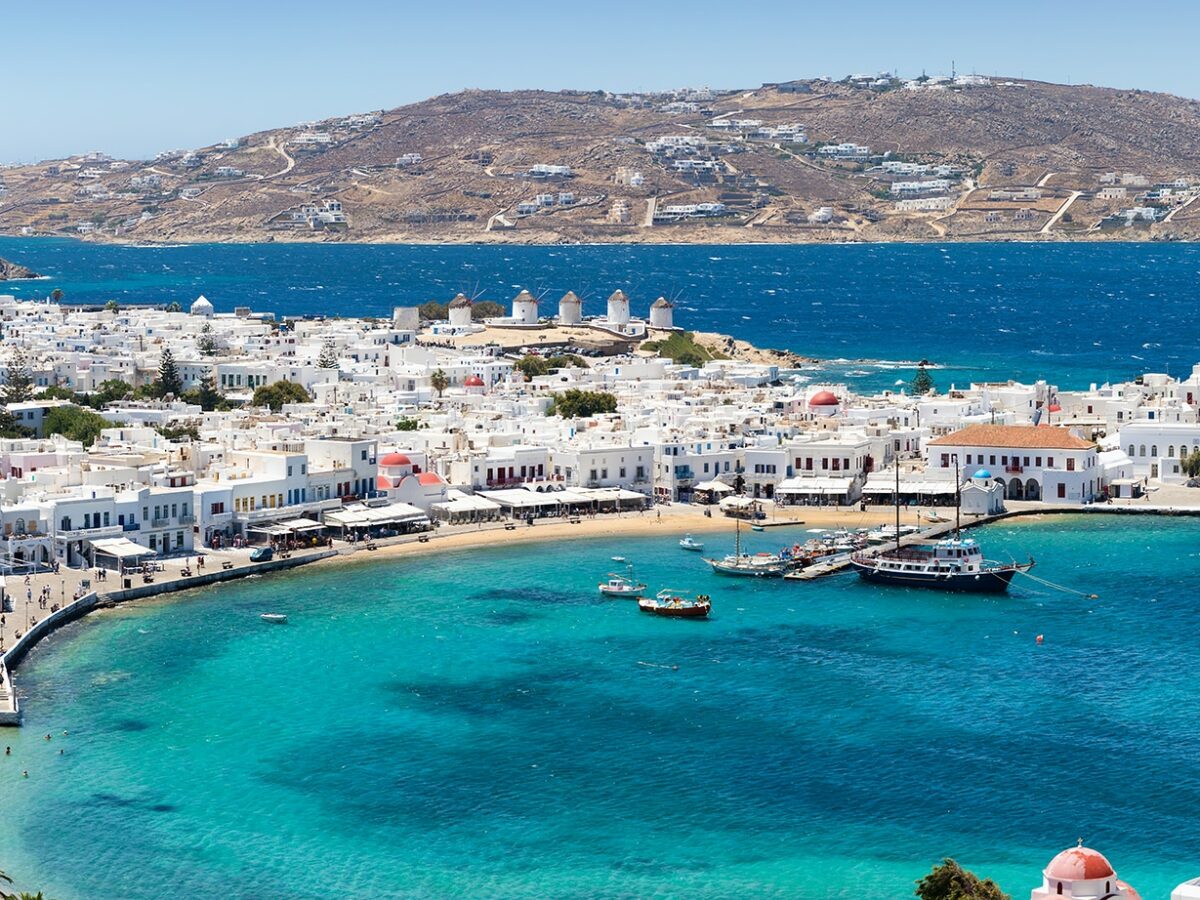
The people of Cape Verde are known for their joy and hospitality. They value relationships with friends, family members, and neighbors. This small island nation located off the coast of Senegal has ten islands combined. They have an area larger than Luxembourg or Rhode Island. They rank 82nd Global.
The Cape Verde Islands are a cluster of islands off the coast of Senegal. The warm tropical climate and beautiful scenery make it an ideal destination for travelers from all over, especially Americans who may not be aware that this little-known nation has so much to offer
What is Cape Verde famous for?
The Cape Verde Islands are a cluster of islands off the coast of Senegal. The warm tropical climate and beautiful scenery make it an ideal destination for travelers from all over, especially Americans who may not be aware that this little-known nation has so much to offer
Culture
Cape Verde is influenced by its unique music, such as the “morna.” This genre harkens back to days of slavery and sadness while also being playful with lyrics about love or joyous events like birthdays - it’s very violin-like but not too sad. Another popular form is “Batuko,” which gets everybody up dancing; they’re just happy tunes, so you have no problem following along. Finally, we come across funaná-what does this one do? It vibrates through all three million people living on these islands.
Economy of Cape Verde
The economy of Cape Verde is service-oriented and focused on commercial, trade, public services, and transport. Cape Verde is a small archipelagic nation that has experienced severe droughts. It makes agriculture difficult by the lack of rain and makes it restricted to only four islands for most of the year.
The economy has been steadily growing since the late 1990s. It is now officially considered a country of average development, being only the second African country to have achieved such transition after Botswana in 1994. Cape Verde has significantly improved.
5. Tanzania
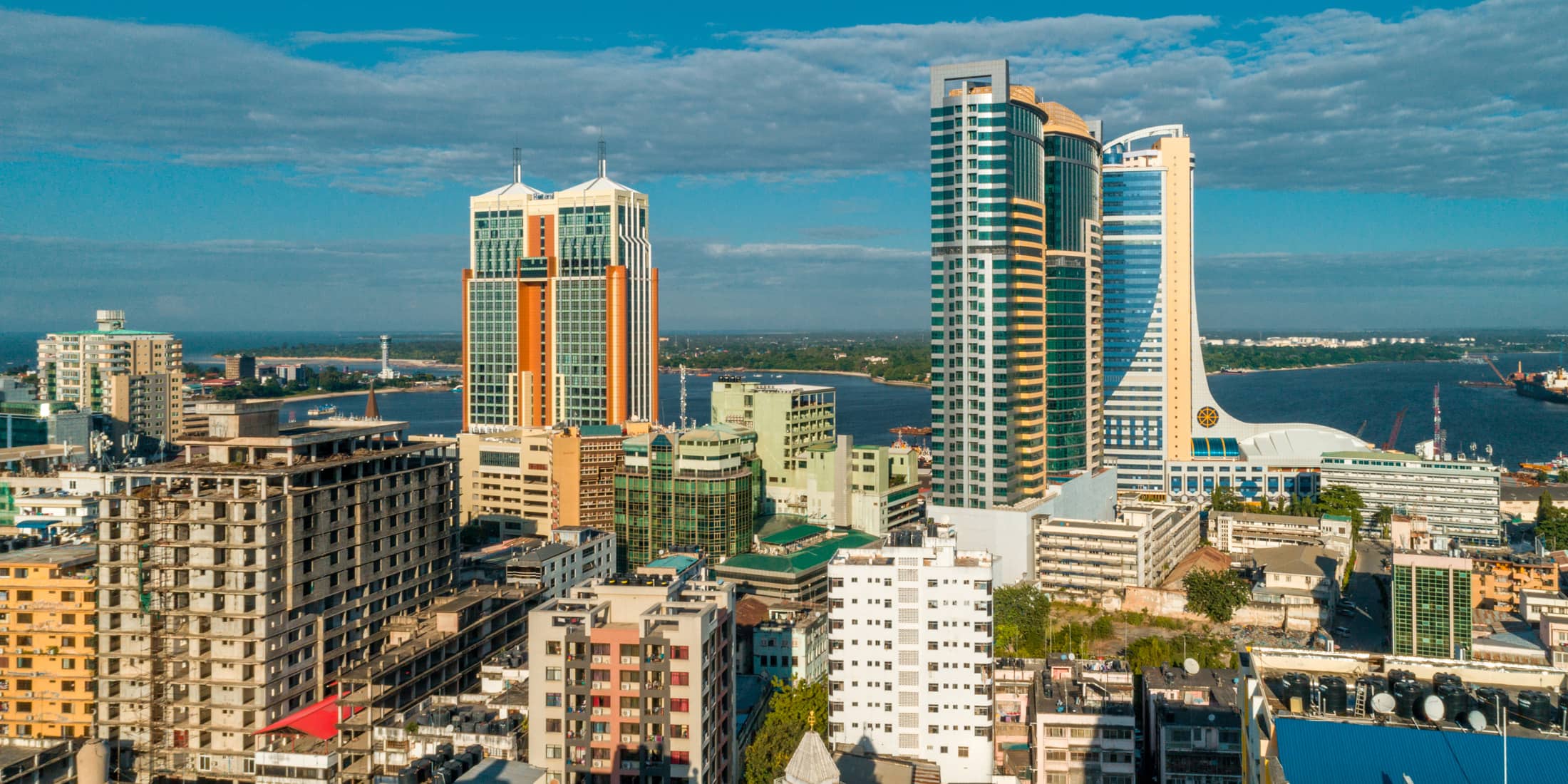
The East African country of Tanzania has a global ranking of 81st. It is located on an expansive coastline along the Indian Ocean. It borders six other African nations, including Burundi to its north and Rwanda close south for a part but not all on either side. It also shares maritime boundaries with Comoros & Seychelles at three different lakes: Victoria (Lake Volta), Tanganyika Nyasa, or endeavor hallway, which links them together -all known collectively by their Boat name “Great Lakes.”