
Table of Contents
- The Backstage Comedy Gold
- When the Music Plays Too Soon
- Bold Visions for Broadway’s Tomorrow
- The Magic Between Takes
- Connections Made in the Wings
The 2026 Tony Awards delivered spectacular performances and heartfelt acceptance speeches to millions of viewers worldwide, but as with any live television event, some of the most memorable moments happened when the cameras weren’t rolling. While audiences at home witnessed the polished glamour of Broadway’s biggest night, those fortunate enough to be inside the theater experienced a completely different layer of spontaneity, humor, and genuine emotion that never made it to the broadcast. From veteran actors delivering impromptu comedy gold to rising stars sharing revolutionary ideas about theater’s digital future, the real story of the evening unfolded in the spaces between commercial breaks and behind velvet curtains.
The Backstage Comedy Gold
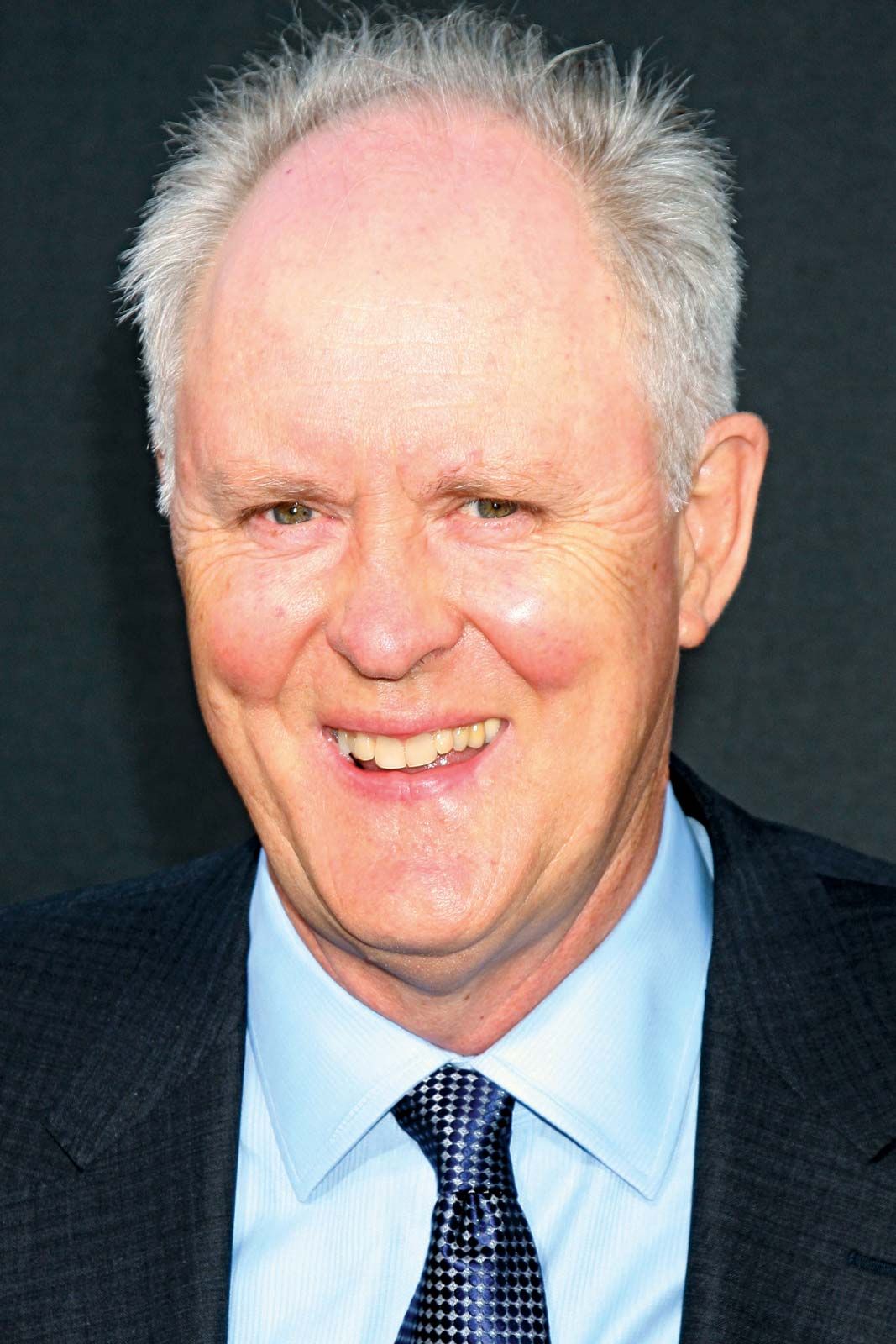
John Lithgow, the evening’s presenter for Best Featured Actor in a Play, proved once again why he’s beloved both on and off the stage with his razor-sharp wit during rehearsals and backstage moments. While television audiences saw his polished delivery at the podium, theater insiders were treated to his impromptu comedy routine during the afternoon sound check, where he regaled fellow presenters with spot-on impressions of various Broadway legends from decades past. His ability to seamlessly blend reverence with humor created an atmosphere of genuine camaraderie among the evening’s participants. Lithgow’s backstage presence served as a masterclass in how veteran performers can elevate everyone around them, turning what could have been nerve-wracking moments into opportunities for connection and laughter.
The three-time Tony winner’s informal mentorship extended to younger presenters throughout the evening, offering gentle guidance on everything from microphone technique to managing stage nerves. His decades of experience spanning theater, film, and television made him an invaluable resource for emerging talent, and his willingness to share wisdom without being asked demonstrated the collaborative spirit that makes live theater so special. These moments of intergenerational connection rarely get captured by broadcast cameras but represent the true heart of the Broadway community.
When the Music Plays Too Soon
One of the evening’s most poignant moments occurred when legendary lyricist Lynn Ahrens found herself cut off mid-speech during her acceptance for Lifetime Achievement in Theatre. While television viewers witnessed a brief glimpse of her gracious acknowledgment, they missed her continued remarks to the live audience after the cameras had moved on to commercial break. Ahrens, whose work on “Ragtime,” “Seussical,” and “Once on This Island” has defined modern musical theater, used those unfilmed moments to deliver a powerful message about the importance of nurturing new voices in the industry. Her impromptu extension touched on the challenges facing emerging writers and the responsibility of established artists to create opportunities for diverse storytelling.
The incident highlighted one of live television’s ongoing challenges - balancing the desire to honor recipients with the constraints of broadcast scheduling. Ahrens handled the situation with characteristic grace, but her complete remarks revealed depths of insight about theater’s evolution that deserved wider recognition. Fellow attendees gave her a spontaneous standing ovation that lasted nearly twice as long as what viewers saw on television, demonstrating the profound respect she commands within the community.
Bold Visions for Broadway’s Tomorrow
Perhaps the most intriguing behind-the-scenes conversations centered around Alden Ehrenreich’s passionate advocacy for theater’s digital transformation during backstage interviews that never aired. The “Solo: A Star Wars Story” actor, who has increasingly focused on stage work in recent years, shared remarkably forward-thinking ideas about how Broadway could embrace technology without losing its essential humanity. His suggestions ranged from innovative uses of augmented reality to enhance storytelling to creative streaming models that could make theater more accessible globally while still preserving the irreplaceable nature of live performance.