

Table of Contents
- [The End of an Era](#the-end-of-an-era)
- [Danceteria: More Than Just a Club](#danceteria-more-than-just-a-club)
- [A Musical Time Machine](#a-musical-time-machine)
- [Honoring a Lost Collaborator](#honoring-a-lost-collaborator)
- [The Legacy Lives On](#the-legacy-lives-on)
The End of an Era
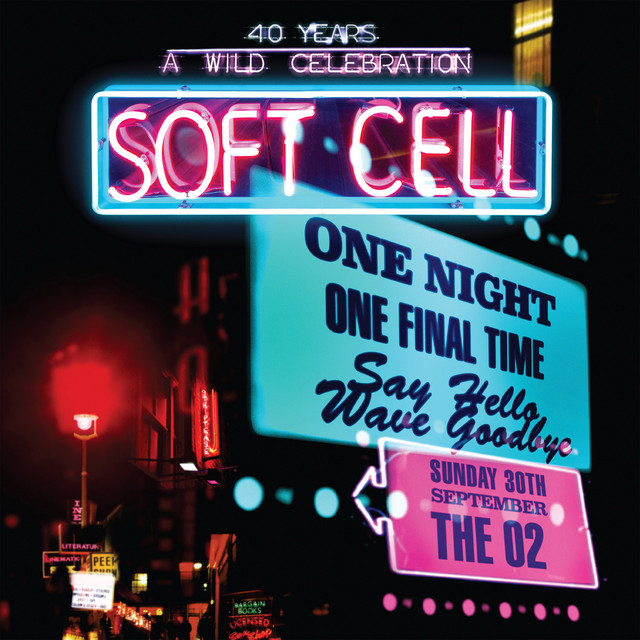
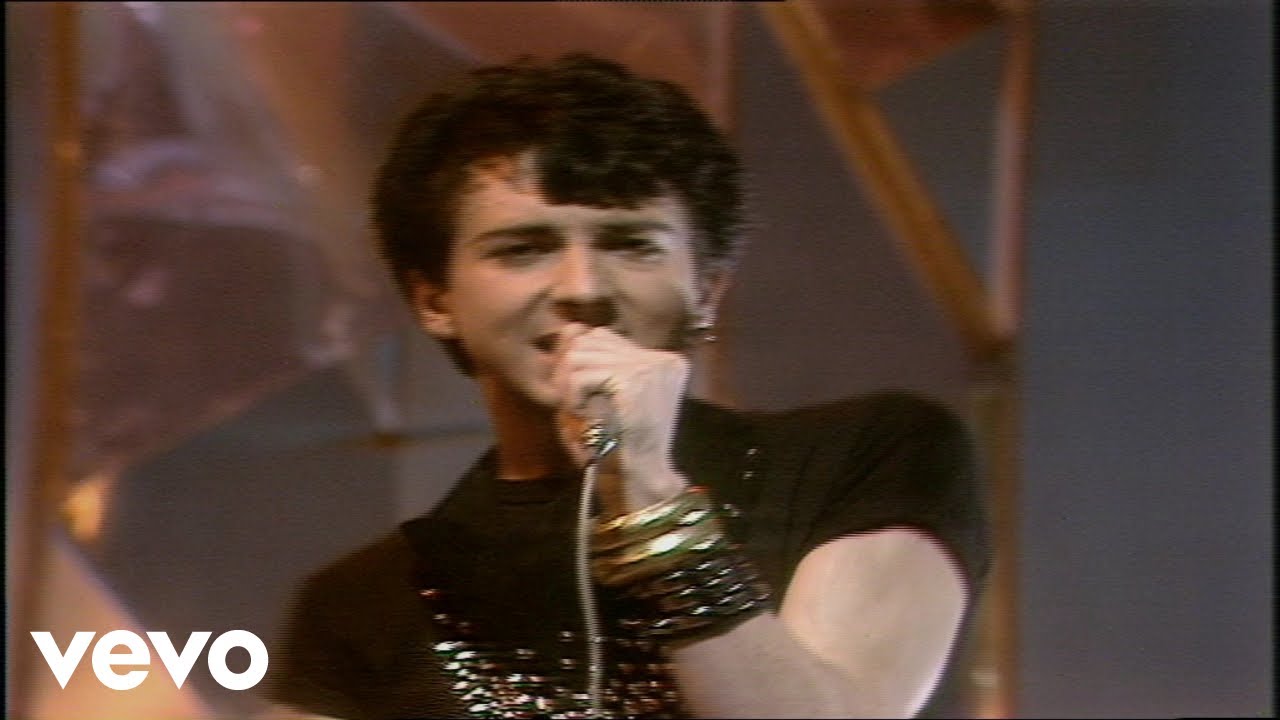
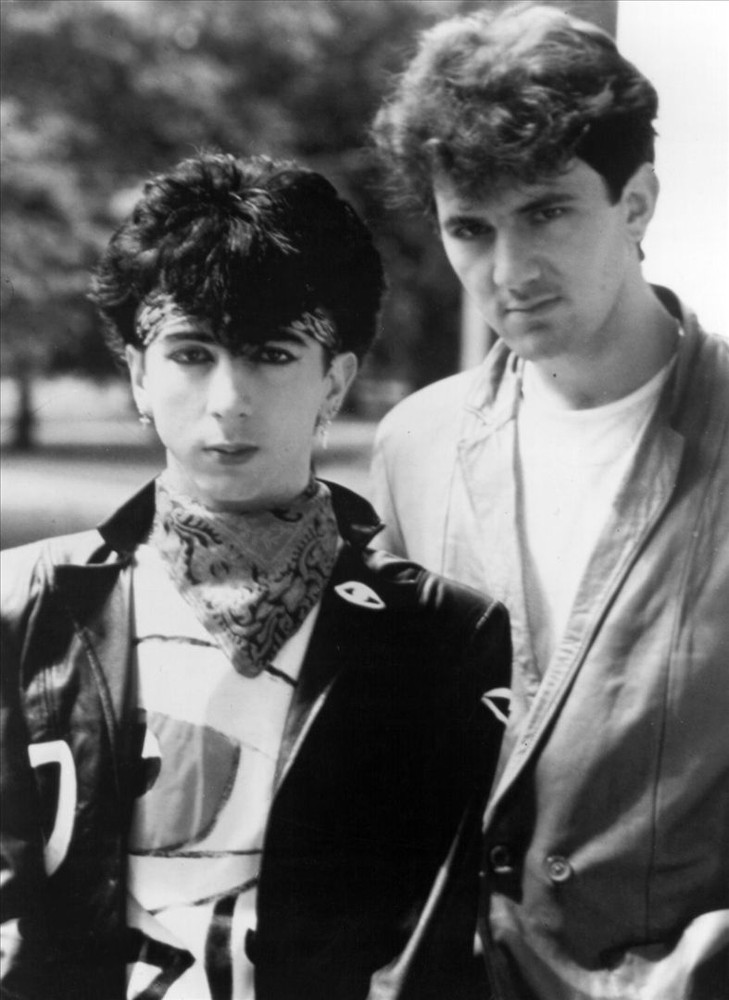
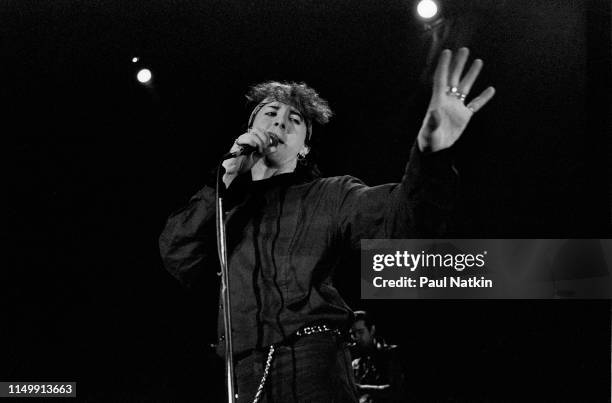
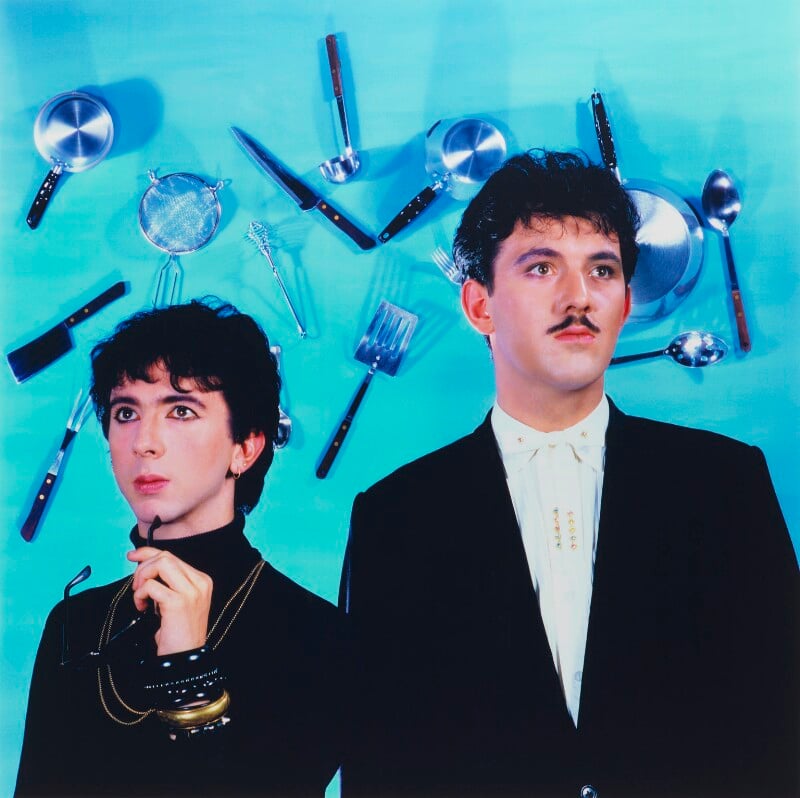
After more than four decades of crafting electronic music that has soundtracked countless dance floors and broken hearts, Soft Cell is preparing to close the book on their legendary career. The synth-pop duo, consisting of Marc Almond and David Ball, has announced that their upcoming album “Danceteria” will serve as their final studio release, marking the end of a journey that began in the early 1980s with their breakthrough hit “Tainted Love.” This isn’t just another album announcement - it’s a farewell letter written in synthesizers and drum machines, promising to encapsulate everything that made Soft Cell such an enduring force in electronic music. The title track has already been unveiled, giving fans their first taste of what promises to be both a celebration and a poignant goodbye.
The decision to make “Danceteria” their swan song comes at a time when many artists from the 80s new wave era are either retiring or scaling back their creative output. However, rather than simply fading away, Soft Cell has chosen to go out with a bang, creating what they describe as their most ambitious and personal work to date. The album represents not just an ending, but a culmination of everything they’ve learned and experienced throughout their remarkable career, filtered through the lens of one of the most influential periods in dance music history.
Danceteria: More Than Just a Club
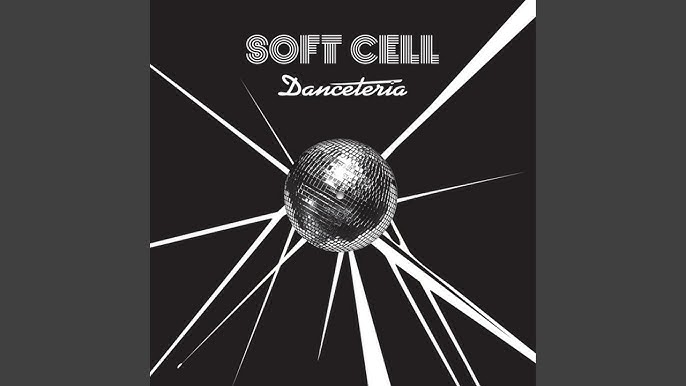
The album’s title pays homage to one of New York City’s most legendary nightclubs, a four-story venue that operated from 1980 to 1986 and became synonymous with the city’s underground dance culture. Danceteria wasn’t just a club - it was a cultural laboratory where punk, new wave, hip-hop, and electronic music collided and cross-pollinated, creating something entirely new. The venue hosted everyone from Madonna (who worked there as a coat-check girl before finding fame) to Talking Heads, and it became ground zero for the musical revolution that would define the decade. For Soft Cell, choosing this as their final album’s concept represents a return to the roots of their artistic inspiration, when electronic music was still dangerous, experimental, and thrilling.
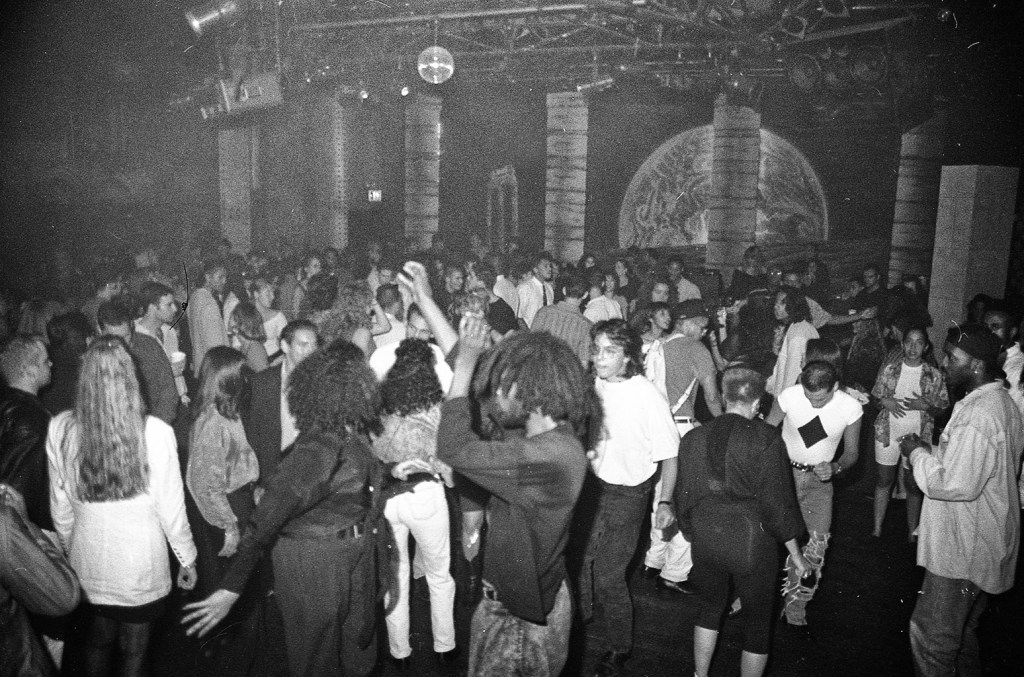
The club’s influence on popular culture extended far beyond its physical walls, helping to shape the aesthetic and sound of an entire generation of artists. It was at venues like Danceteria that the lines between genres became beautifully blurred, where a DJ might seamlessly transition from Kraftwerk to Afrika Bambaataa to Joy Division without missing a beat. This eclectic, boundary-pushing spirit is exactly what Soft Cell aims to capture on their final recording, creating a sonic time capsule that transports listeners back to those sweaty, euphoric nights when anything seemed possible on the dance floor.
A Musical Time Machine
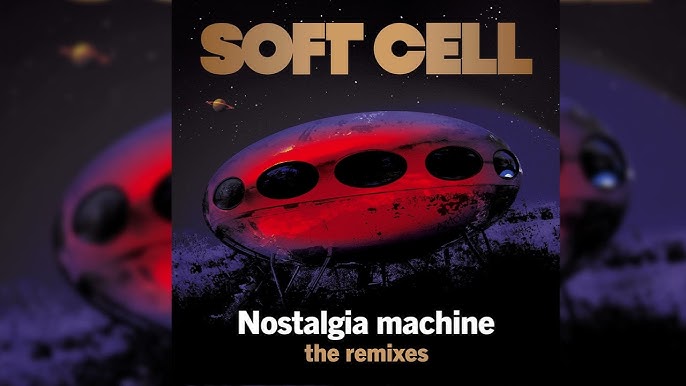
Early indications suggest that “Danceteria” will serve as both a nostalgic journey and a forward-thinking exploration of electronic music’s possibilities. The title track showcases the duo’s continued mastery of their craft, blending the dark, seductive undertones that made songs like “Tainted Love” and “Say Hello, Wave Goodbye” so compelling with production techniques that feel both retro and contemporary. Marc Almond’s distinctive vocals, still dripping with the same theatrical intensity that made him a star, weave through David Ball’s expertly crafted electronic landscapes like a ghost haunting a abandoned dance floor. The result is music that acknowledges the past while refusing to be trapped by it.