Every year, the BET Awards walks a tightrope between celebrating the culture and frustrating the very people who make it. The show, which has been a cornerstone of Black entertainment recognition since its debut in 2001, has never been shy about making choices that spark debate - sometimes deservedly, sometimes bafflingly. The 2026 edition was no different. From nomination announcements that had Twitter (yes, still Twitter) in a chokehold for a full news cycle, to live ceremony moments that felt either long overdue or completely unearned depending on who you asked, this year’s BET Awards reminded everyone that “Culture’s Biggest Night” and “Culture’s Most Predictable Night” are very different events.
The backdrop matters here. The music industry in 2025 and into 2026 has been one of the most competitive and chaotic in recent memory. Streaming numbers are up globally, but the traditional metrics of album sales and radio play have been disrupted so thoroughly that award bodies are scrambling to define what “success” even looks like anymore. Add in the rise of short-form content, the growing influence of African artists on global charts, and the continued evolution of hip-hop post its historical 50th anniversary celebrations, and you have a nomination pool that is genuinely harder to judge than ever. Against all of that context, BET’s selection committee had a lot to get right - and a fair amount they got wrong.
The Snubs That Had Everyone Talking
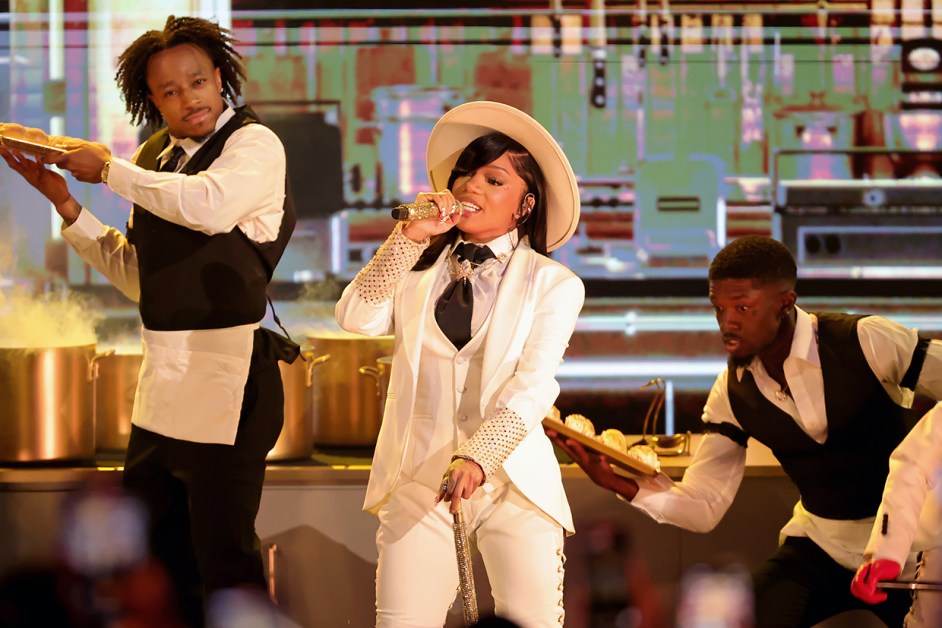
Let’s start where the energy always starts: the omissions. Few things ignite a fanbase faster than seeing their favorite artist left off a major nominations list, and the 2026 BET Awards provided plenty of fuel. GloRilla, who has spent the better part of two years delivering consistent cultural moments and commercially strong releases, received far fewer nominations than her track record warranted. For an artist who has demonstrated real longevity beyond a breakout moment - something BET has historically struggled to reward consistently - her limited presence on the ballot felt like a missed opportunity to honor work that genuinely moved the culture forward.
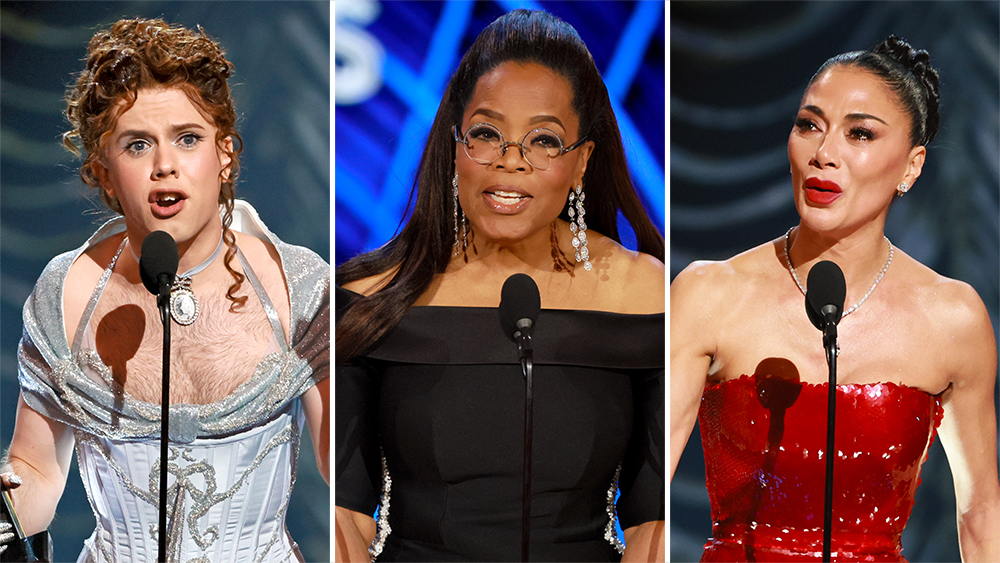
Image: Billboard
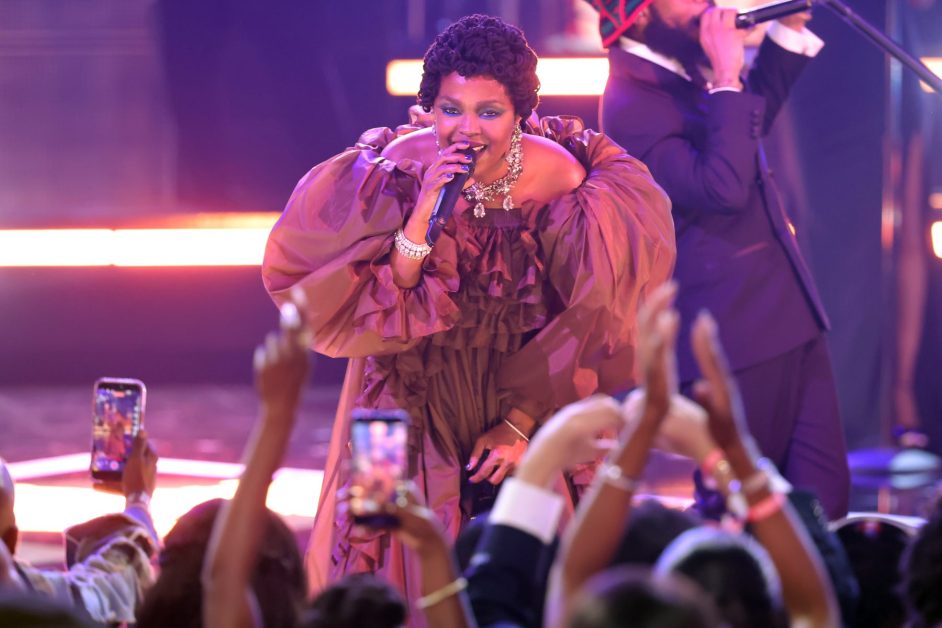
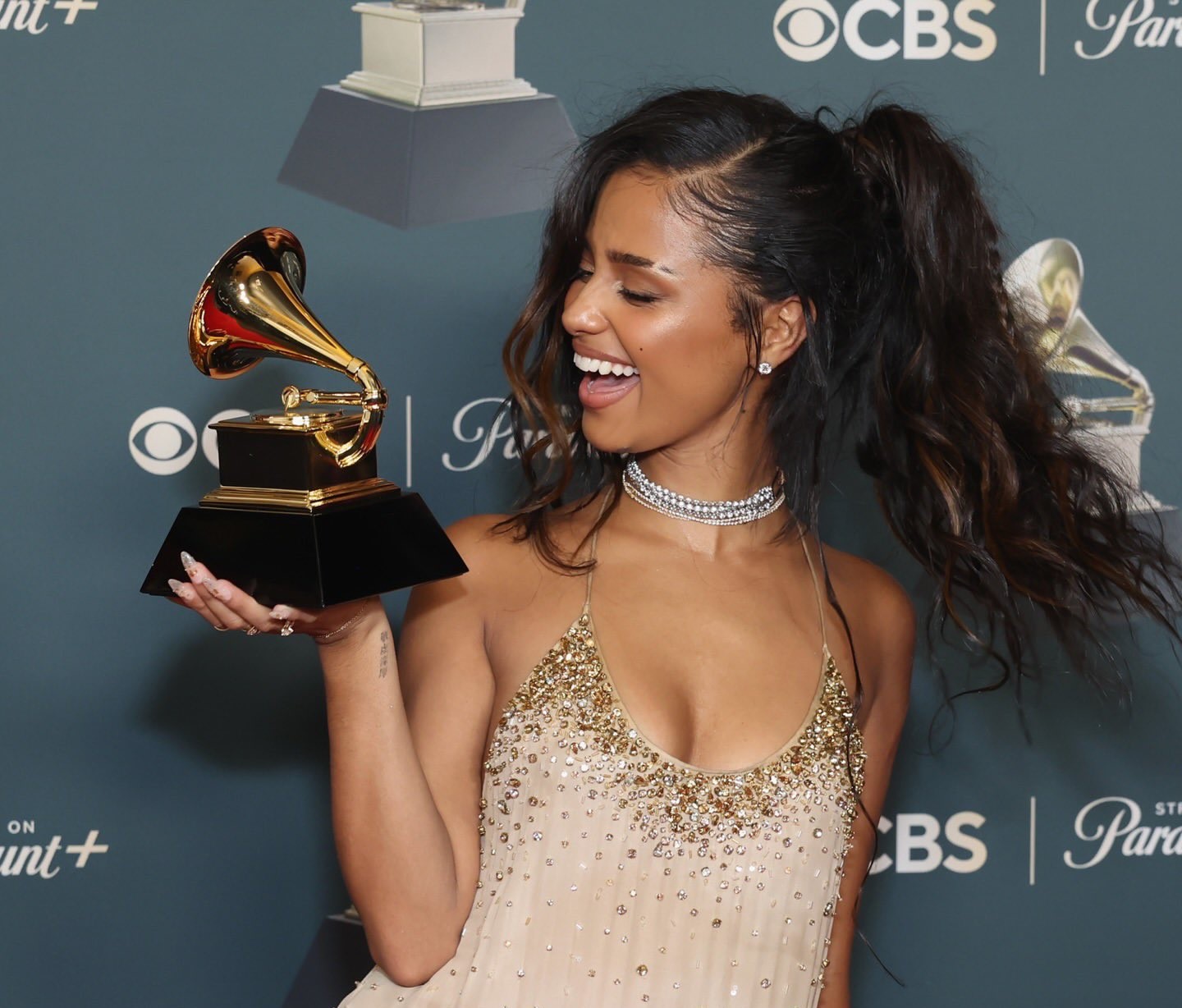
Then there is the ongoing conversation around R&B’s place at the BET table. The genre has experienced a genuine renaissance over the past few years, with artists like Brent Faiyaz, Coco Jones, and Victoria Monet delivering some of the most critically acclaimed bodies of work in recent memory. Victoria Monet in particular, fresh off a Grammy breakthrough that validated what a dedicated fanbase had been saying for years, seemed like an automatic contender in multiple categories. Her relative underrepresentation in the 2026 nominations was the kind of decision that makes longtime fans question whether the academy is truly paying attention or simply rewarding whoever had the biggest streaming week heading into the announcement period. The R&B snub is not a new BET criticism - but it stings more when the talent pool is this strong.
The Wins Nobody Saw Coming
To be fair to the show, the 2026 BET Awards also delivered some genuinely satisfying surprises that felt earned rather than gimmicky. The Video of the Year category, always a battleground of competing fan armies and cultural moments, produced a winner that reflected something real about where audiences actually are right now rather than where industry insiders assumed they would be. It was the kind of result that reminds you why live award shows still matter - there is something irreplaceable about a room full of people reacting in real time to an outcome nobody fully predicted, and that energy translates even through a screen.
The Best New Artist category also threw a curveball that generated significant post-show discussion. BET has historically used this award as a launching pad rather than a pure recognition of a debut year, and 2026 continued that tradition with a selection that split opinion sharply between industry insiders who called it prescient and fans who felt more established new voices were passed over. What made the moment work on a human level was the winner’s genuine, unscripted reaction - the kind of authentic emotion that no publicist can manufacture and no production meeting can rehearse. That is, ultimately, what keeps people tuning in year after year despite every complaint about the process.
Ad SpaceIn-Article - 300x250
Advertisement
What the Nominations Say About Hip-Hop Right Now
Strip away the individual wins and losses, and the 2026 BET Awards nominations function as a kind of snapshot of where hip-hop sits at this particular moment in history. The genre is in a fascinating and slightly unsettled place. The commercial dominance is unquestioned - hip-hop and its adjacent sounds still drive more streaming volume than any other genre globally - but the internal conversation about artistry, authenticity, and legacy has never been louder. The nominations this year leaned heavily into that tension, rewarding some artists whose cultural footprint is enormous but whose critical standing is more complicated, while leaving out others whose craft is widely respected but whose streaming numbers do not tell the full commercial story.
The Best Rap Album category was particularly telling. Hip-hop in 2025 and 2026 has seen a genuine diversity of approaches flourish simultaneously - introspective storytelling, club-ready trap, conscious lyricism, and internet-native drill variants all competing for the same audience attention. The nominated projects reflected some of that range, but critics were quick to point out that the list skewed toward commercial performance over artistic ambition. That is not an unusual criticism for the BET Awards, but it landed with extra weight this year because the gap between critically celebrated hip-hop albums and commercially dominant ones is notably wide right now. The academy has a choice to make about what it wants to stand for, and 2026 suggested it has not fully committed to an answer.
Where Afrobeats Fits Into the BET Conversation
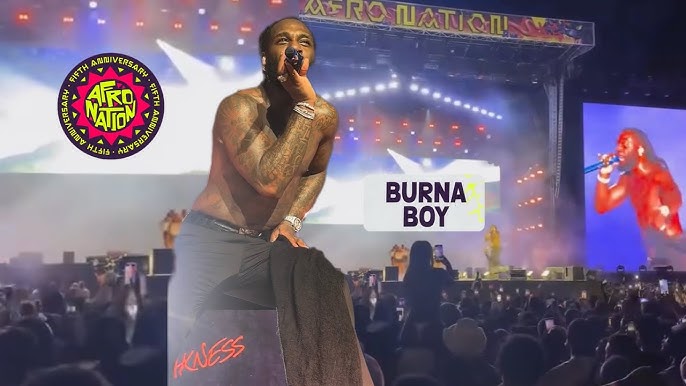
No conversation about the 2026 BET Awards is complete without addressing the Afrobeats dimension, and it is a conversation that gets more complicated and more important with each passing year. BET has maintained its Best International Act: Africa category for years now, serving as the primary vehicle through which African artists are recognized on the night. But as Afrobeats continues its extraordinary global expansion - with artists like Burna Boy, Davido, Wizkid, and a new wave that includes Asake, Ayra Starr, and Rema commanding genuine mainstream attention in the United States and Europe - the question of whether a single siloed category is still an adequate acknowledgment grows louder by the year.
Image: YouTube
The 2026 nominations continued to wrestle with this tension without fully resolving it. Several Afrobeats artists whose work crossed over significantly onto American charts found themselves contained within the Africa-specific category rather than competing in the broader genre categories where their streaming numbers arguably earned them a place. There is a legitimate debate about representation and category integrity here - some argue that the dedicated category amplifies African artists rather than marginalizing them, while others contend that true recognition means competing on the main stage. What is clear is that BET will need to make a more deliberate structural decision about this in the next cycle or two, because the informal workaround of a separate category is increasingly difficult to defend when the music itself refuses to stay in any box.
The Kendrick Question and What His Sweep Really Means
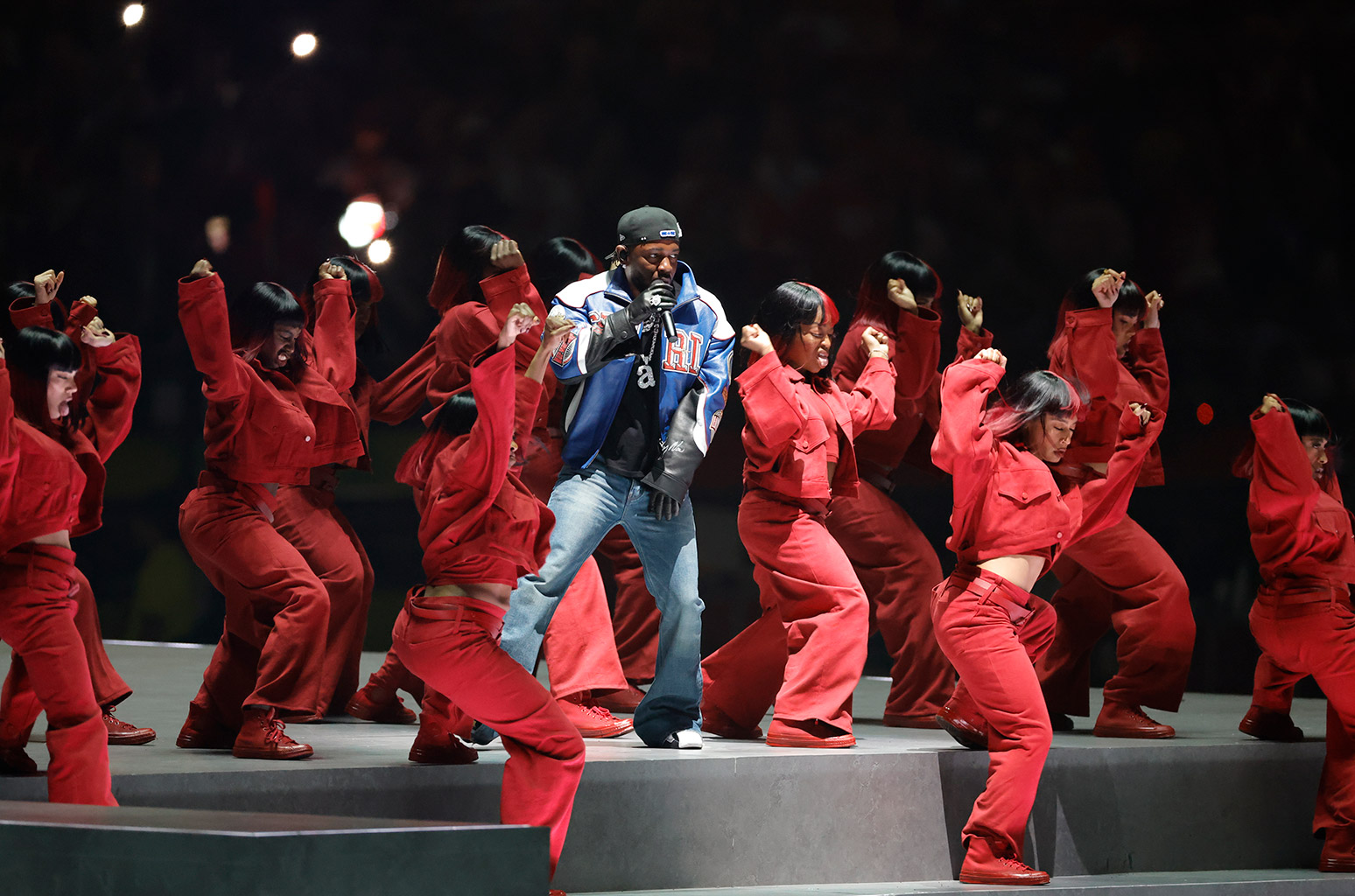
And then there is Kendrick Lamar. Coming off one of the most culturally dominant periods any rapper has experienced in recent years - a period that included a Super Bowl halftime performance that became a national conversation, a feud resolution that generated historic streaming numbers, and an album cycle that critics could not stop discussing - Kendrick entered the 2026 BET Awards as the closest thing to a consensus frontrunner the show has seen in some time. His nominations spanned multiple categories, and his wins, where they came, felt both deserved and somehow still slightly anticlimactic precisely because they were so expected.
Image: Billboard
What his dominant showing actually reveals is something more interesting than simple dominance. When one artist sweeps or comes close to sweeping a major award show, it usually signals one of two things: either the field in that cycle is unusually weak, or that artist has done something so exceptional that normal competitive logic does not apply. In Kendrick’s case, it is emphatically the latter. His run since the back half of 2024 has been the kind of sustained, multi-platform cultural moment that resets the standard for what a hip-hop artist can achieve simultaneously in music, cultural commentary, and live performance. The BET Awards recognizing that is not a surprise - it is the institution doing exactly what it is supposed to do, catching up to what the culture already decided months ago. The real test for the show is not whether it can honor an obvious winner, but whether it can find and champion the next one before everyone else does. On that count, the 2026 edition left plenty of room for improvement.
Ad SpaceIn-Article - 300x250
Advertisement
Share
Get the recap
Loved this story? Get more like it.
Join readers who get our weekly entertainment recap - the stories worth your time, delivered every Friday.
No spam. Unsubscribe anytime. By signing up you agree to our Privacy Policy.