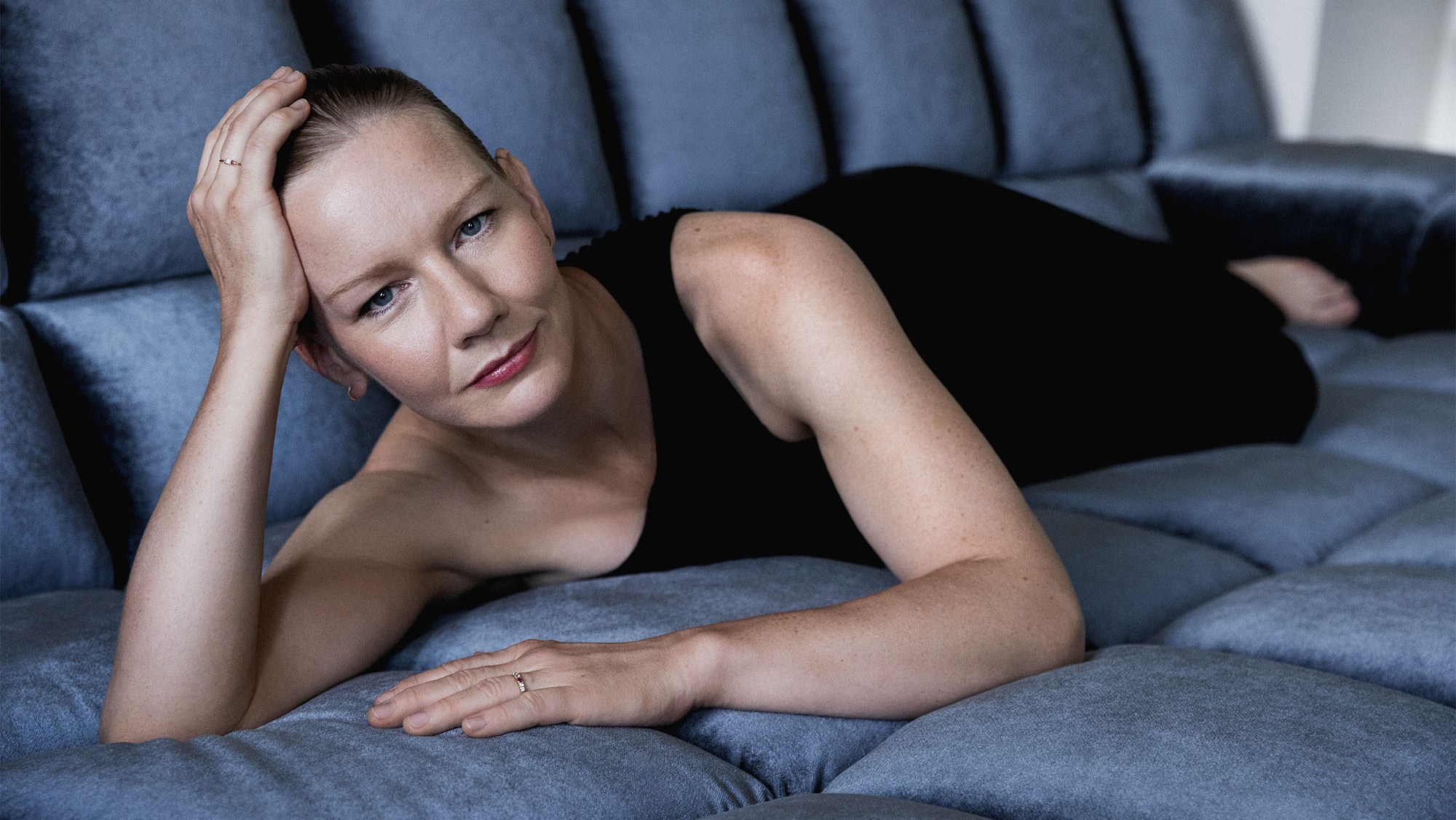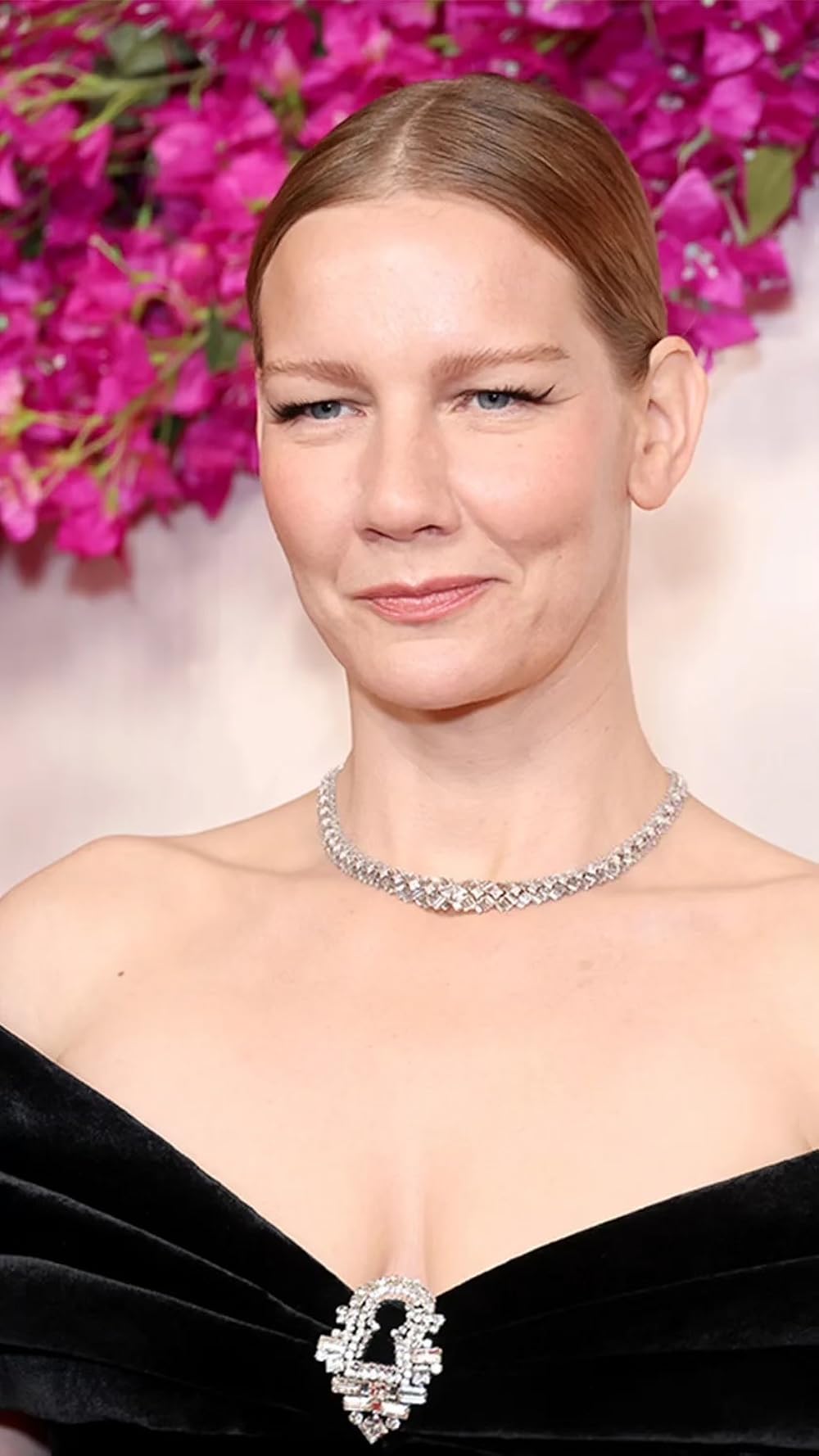
In the constellation of contemporary European cinema, few stars shine as brightly or as authentically as Sandra Hüller. The German actress has emerged as one of the most compelling performers of her generation, captivating international audiences with her fearless portrayals of complex, often contradictory characters. Her ability to seamlessly navigate between intimate character studies and grand cinematic narratives has established her as a singular talent in world cinema, earning critical acclaim from Berlin to Hollywood.
Hüller’s current moment in the spotlight reflects years of dedicated craft and an unwavering commitment to challenging roles. As she takes center stage at Cannes 2026 with an unprecedented slate of high-profile projects including ‘Fatherland,’ ‘Project Hail Mary,’ ‘Rose,’ and the upcoming ‘Digger,’ the actress finds herself at the apex of a career that has consistently defied easy categorization. Her journey from German theater stages to international film festivals represents not just personal triumph, but a broader evolution in how European talent crosses cultural and linguistic boundaries to achieve global recognition.
Quick Facts / At a Glance

| Full Name | Sandra Hüller |
| Date of Birth | April 30, 1978 |
| Place of Birth | Suhl, East Germany |
| Nationality | German |
| Profession | Actress |
| Known For | Toni Erdmann, Anatomy of a Fall, Requiem |
| Net Worth | Estimated at $2-4 million |
Early Life and Background

Sandra Hüller was born on April 30, 1978, in Suhl, a small city in what was then East Germany, during the final decade of the German Democratic Republic. Growing up in the twilight years of communist East Germany, Hüller experienced firsthand the dramatic social and political transformations that would reshape her homeland. Her childhood was marked by the historic events of 1989, when she was just eleven years old and witnessed the fall of the Berlin Wall and German reunification. This formative experience of living through profound societal change would later inform her nuanced understanding of characters caught between worlds, a theme that would become central to many of her most memorable performances.
The daughter of working-class parents, Hüller discovered her passion for performance during her school years in the newly unified Germany. Her family, like many East Germans, navigated the complex transition from socialism to capitalism, an experience that instilled in her a deep appreciation for resilience and adaptability. These qualities would prove invaluable in her later career as she tackled roles that required intense emotional vulnerability and psychological complexity. Her upbringing in a small town also cultivated a groundedness and authenticity that would become hallmarks of her acting style, setting her apart from more traditionally polished performers.
After completing her secondary education, Hüller pursued formal training at the Ernst Busch Academy of Dramatic Arts in Berlin, one of Germany’s most prestigious acting schools. The rigorous program, known for its emphasis on both classical technique and experimental approaches to performance, provided her with a solid foundation in the craft of acting. During her time at the academy, she immersed herself in the rich traditions of German theater while also exploring contemporary performance methodologies. Her professors reportedly recognized her exceptional talent early on, noting her ability to inhabit characters with remarkable depth and authenticity.
The cultural richness of Berlin during her student years exposed Hüller to a diverse array of artistic influences, from traditional German theater to cutting-edge experimental performance art. She became particularly drawn to works that explored the psychological complexities of human behavior, gravitating toward roles that challenged conventional expectations of femininity and social norms. Her academic years were also marked by intensive study of international cinema and theater, broadening her artistic horizons beyond the German-speaking world. This comprehensive education would later enable her to work effectively with directors from various cultural backgrounds and to bring sophisticated interpretive skills to her film roles.
Career Beginnings

Upon graduating from the Ernst Busch Academy in the early 2000s, Hüller began her professional career in German theater, taking on roles at various regional theaters across the country. Her early stage work demonstrated remarkable versatility, as she moved effortlessly between classical productions and contemporary experimental pieces. Theater critics began to take notice of her magnetic stage presence and her ability to bring fresh perspectives to well-known characters. These formative years in live performance honed her skills in real-time audience engagement and taught her to trust her instincts as a performer, lessons that would prove invaluable when she transitioned to film work.
Her breakthrough in theater came with several notable productions that showcased her range and fearlessness as a performer. Colleagues from this period remember her as an intensely dedicated artist who approached each role with meticulous preparation and emotional honesty. She developed a reputation for taking creative risks, often choosing challenging roles that other actresses might avoid. This willingness to embrace difficulty and complexity became a defining characteristic of her career trajectory, setting the stage for the bold choices she would make in her later film work.
The transition from stage to screen began gradually in the mid-2000s, as German filmmakers began to recognize her exceptional talent. Her early film appearances, while relatively small, demonstrated her natural ability to adapt her theatrical skills to the more intimate medium of cinema. Directors praised her intuitive understanding of how to modulate her performances for the camera while maintaining the emotional intensity that had made her such a compelling stage presence. These initial forays into film work provided crucial experience and helped her develop the technical skills necessary for a successful screen career.
During this period, Hüller also began working with some of Germany’s most respected directors and theater companies, building a network of artistic collaborators who would support her career development. Her reputation for professionalism and creative intelligence made her a sought-after performer, even before she achieved widespread recognition. Industry insiders began to recognize her as an actress with the potential for international success, noting her unique combination of technical skill, emotional depth, and fearless artistic sensibility.
Rise to Fame
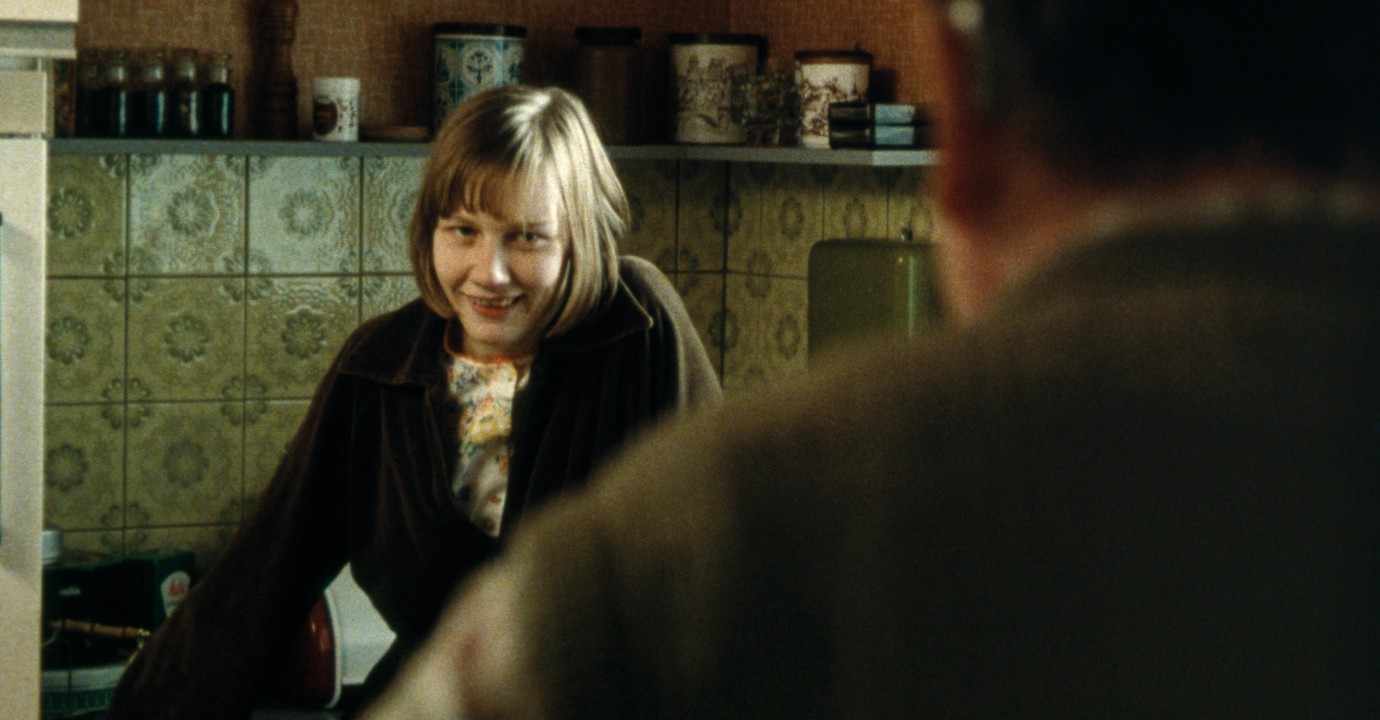
Sandra Hüller’s ascent from respected theater actress to international film star can be traced to several pivotal performances that showcased her extraordinary range and fearless commitment to complex characters. Her breakthrough role came with the 2006 film “Requiem,” directed by Hans-Christian Schmid, in which she portrayed Michaela, a young woman experiencing religious visions and possible demonic possession. The role demanded incredible physical and emotional stamina, requiring Hüller to convey the character’s spiritual crisis with both vulnerability and intensity. Her performance was so convincing and psychologically nuanced that it immediately established her as one of Germany’s most promising young actresses, earning critical acclaim and several prestigious awards.
The success of “Requiem” opened doors to more challenging and high-profile projects, but it was her collaboration with director Maren Ade on “Toni Erdmann” in 2016 that truly catapulted her to international stardom. In this ambitious comedy-drama, Hüller played Ines, a workaholic business consultant whose relationship with her eccentric father becomes the catalyst for profound personal transformation. The film’s nearly three-hour runtime and unconventional narrative structure required Hüller to sustain a complex character arc that balanced comedy, pathos, and psychological realism. Her fearless performance, which included several scenes of remarkable vulnerability and physical comedy, earned widespread international acclaim and positioned her as one of Europe’s most exciting acting talents.
“Toni Erdmann” became a cultural phenomenon, screening at major international film festivals and earning numerous awards and nominations, including an Academy Award nomination for Best Foreign Language Film. Hüller’s performance was universally praised by critics, with many noting her ability to make Ines both professionally competent and emotionally fragile, creating a fully realized character who defied simple categorization. The film’s success introduced her to international audiences and established her as an actress capable of carrying complex, demanding projects that challenged conventional storytelling approaches.
Following the global success of “Toni Erdmann,” Hüller found herself in demand from directors across Europe and beyond. Her subsequent choice of projects demonstrated her commitment to working with visionary filmmakers who shared her interest in psychologically complex narratives. She continued to select roles that pushed her boundaries as a performer, refusing to be typecast or to take on projects that didn’t challenge her artistically. This selective approach to her career has resulted in a filmography that consistently showcases her range while maintaining the high artistic standards that first brought her to international attention.
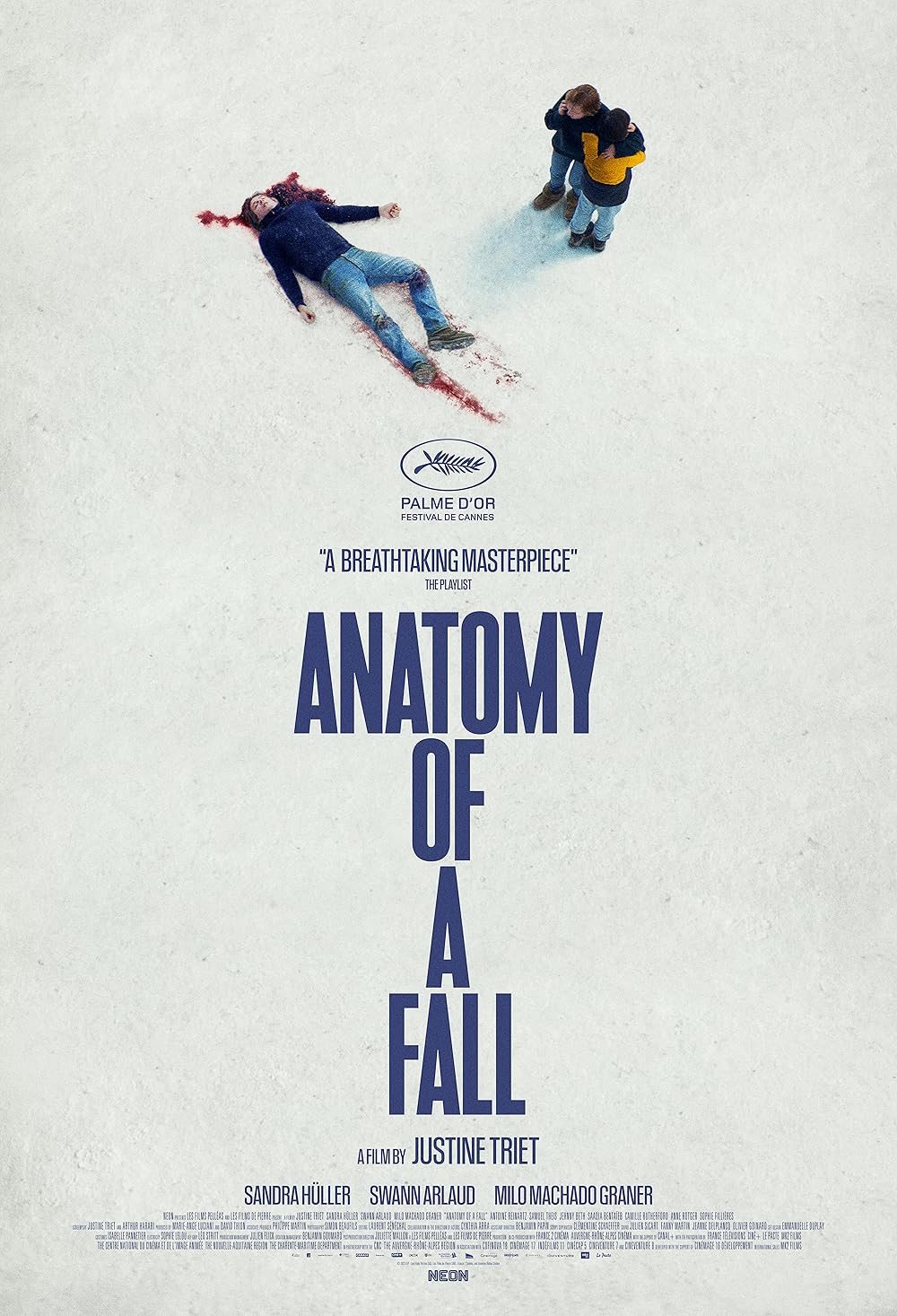
The momentum from her breakout performances has culminated in her current status as one of international cinema’s most sought-after actresses. Her recent triumph in “Anatomy of a Fall,” where she delivered another powerhouse performance as a writer accused of murdering her husband, further cemented her reputation as an actress capable of anchoring prestigious, awards-worthy films. As she prepares to premiere multiple projects at Cannes 2026, including the highly anticipated science fiction epic “Project Hail Mary” and the intimate character study “Rose,” Hüller stands at the pinnacle of a career that has consistently prioritized artistic excellence over commercial considerations, making her one of the most respected and influential performers in contemporary world cinema.
Major Career Achievements
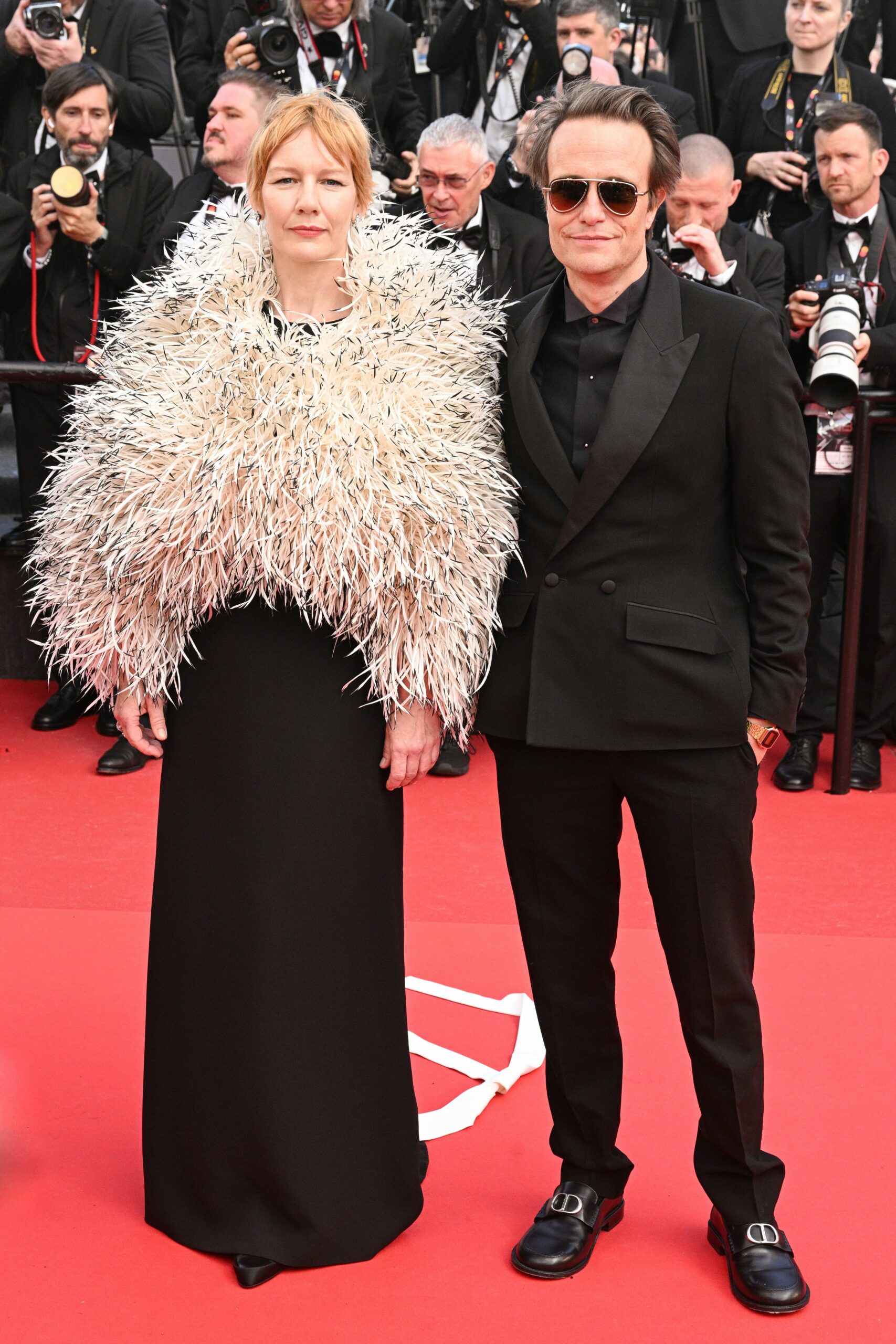
Sandra Hüller’s career achievements represent a remarkable trajectory from German theater to international cinema stardom. Her breakthrough role in “Requiem” (2006) earned her the Silver Bear for Best Actress at the Berlin International Film Festival, making her one of the youngest recipients of this prestigious award at the time. This early recognition established her as a formidable talent in German cinema and opened doors to increasingly complex and challenging roles that would define her career.