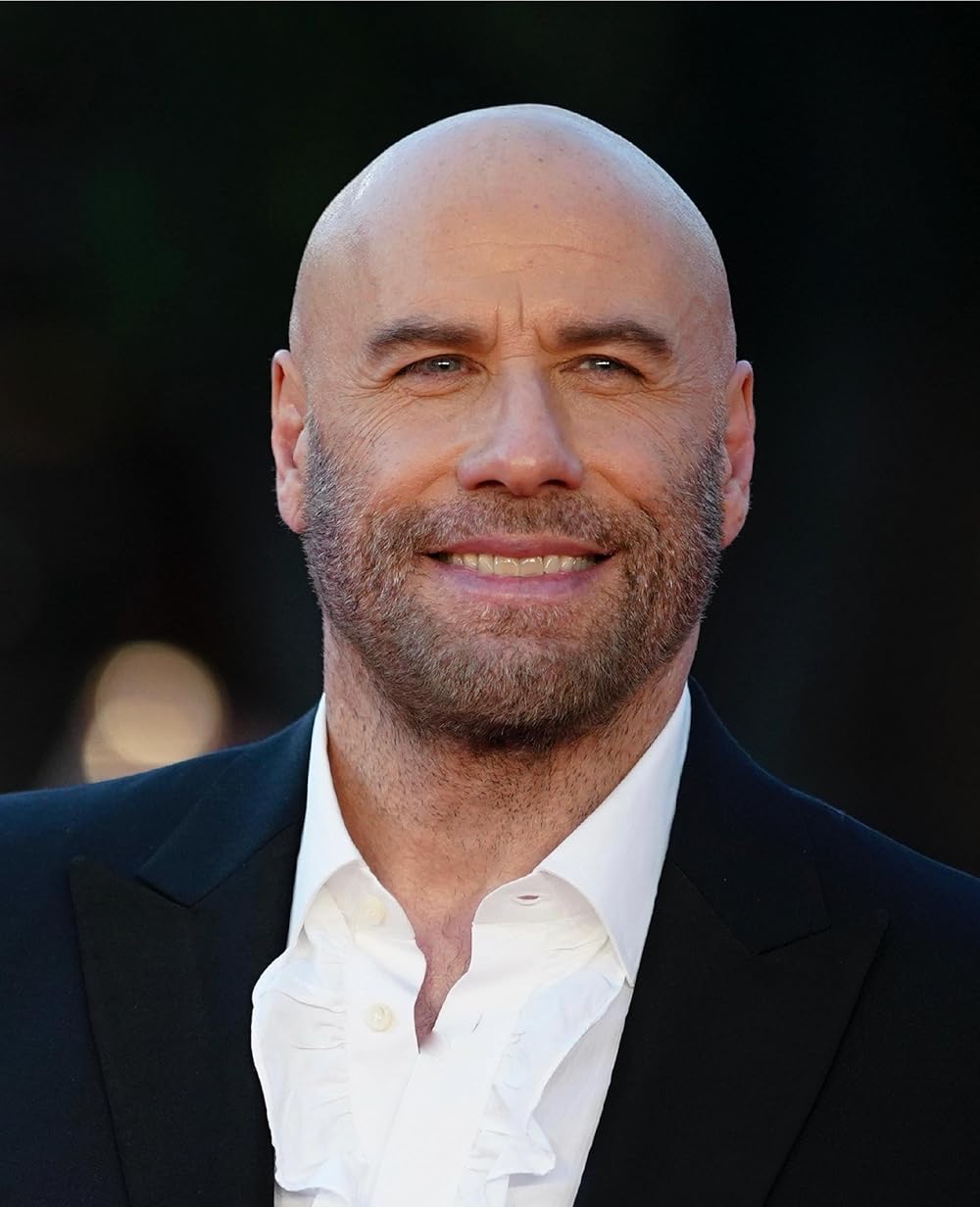

Few actors in Hollywood history have experienced the extraordinary career trajectory of John Travolta - a man who danced his way into America’s hearts in the 1970s, survived the wilderness years of the 1980s, and triumphantly returned to claim his place among cinema’s elite in the 1990s. From his breakthrough role as the white-suited Tony Manero in “Saturday Night Fever” to his iconic portrayal of Vincent Vega in Quentin Tarantino’s “Pulp Fiction,” Travolta has consistently proven his ability to reinvent himself while maintaining an unmistakable screen presence that spans generations. His journey from a working-class New Jersey teenager with dreams of stardom to one of the most recognizable faces in entertainment represents both the magic and the harsh realities of Hollywood fame.
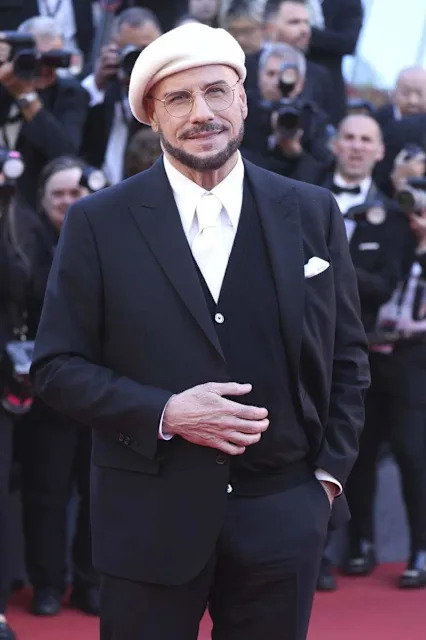
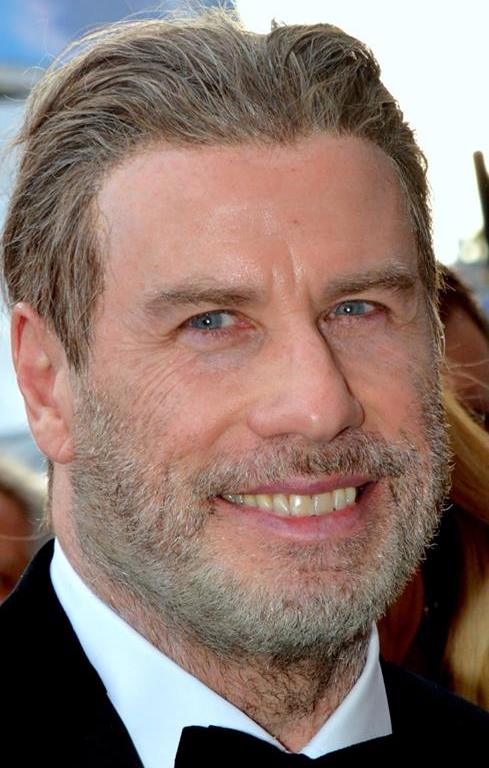
Today, even as he approaches his seventh decade, Travolta continues to capture public attention and generate headlines worldwide. His recent appearances at the Cannes Film Festival, where he made bold fashion statements including eye-catching berets that sparked both admiration and online commentary, demonstrate that his ability to command the spotlight remains as potent as ever. While some may focus on the playful trolling his fashion choices have generated on social media, these moments reflect a deeper truth about Travolta’s enduring appeal - he remains unafraid to take risks, whether in his career choices or his personal expression. This fearless approach to life and art has defined his remarkable journey from disco-era heartthrob to respected veteran actor, making his story one of the most compelling in modern entertainment history.
Quick Facts / At a Glance
| Full Name | John Joseph Travolta |
| Date of Birth | February 18, 1954 |
| Place of Birth | Englewood, New Jersey, USA |
| Nationality | American |
| Profession | Actor, Singer, Dancer, Producer |
| Known For | “Saturday Night Fever,” “Grease,” “Pulp Fiction,” “Hairspray” |
| Net Worth (Estimated) | Reportedly $250 million |
Early Life and Background


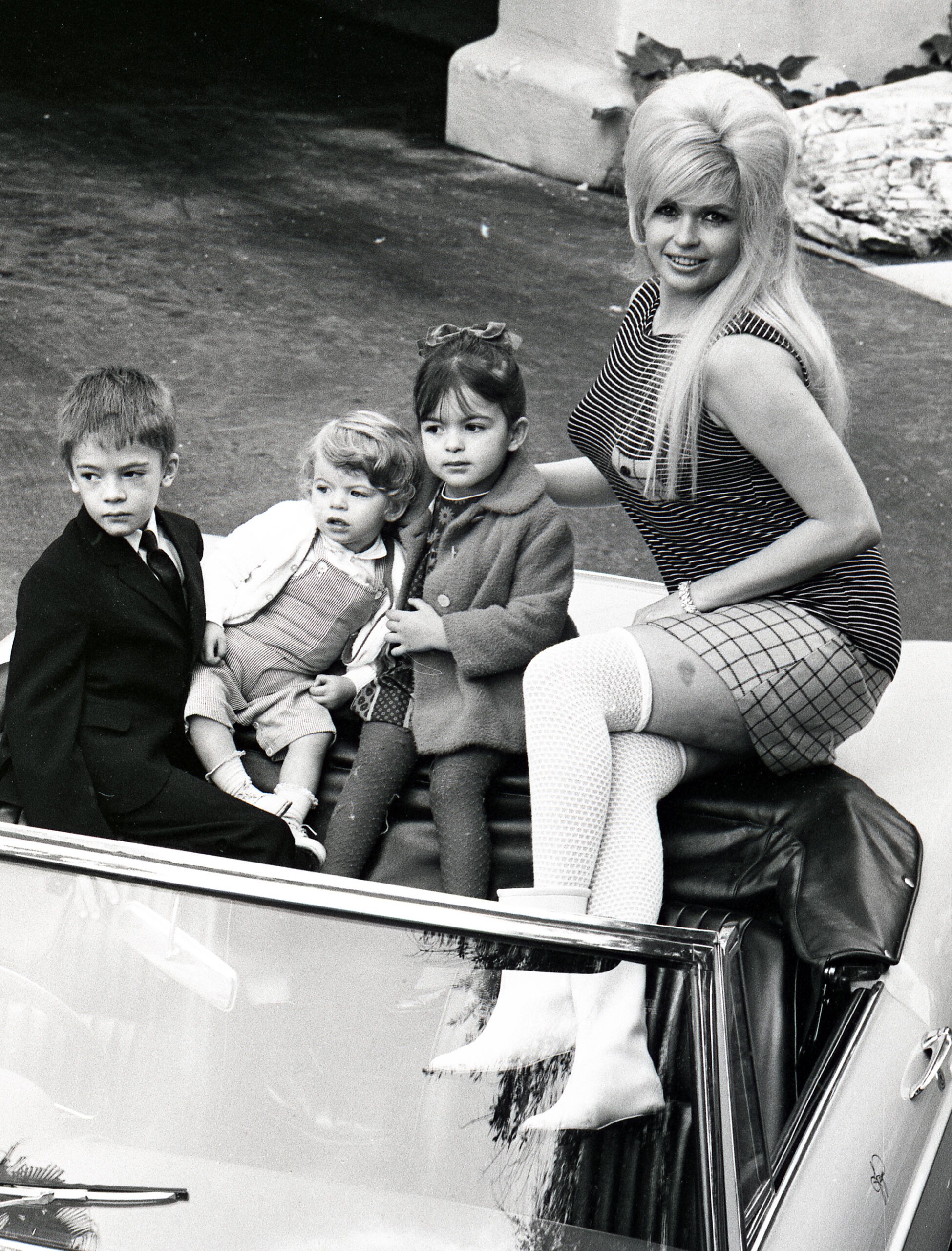
John Joseph Travolta was born into a household where performance and creativity were not just encouraged but practically inevitable. His father, Salvatore Travolta, was a semi-professional football player turned tire salesman, while his mother, Helen Cecilia Burke, was an actress and singer who had appeared in radio productions and local theater. Growing up in Englewood, New Jersey, as the youngest of six children, John was surrounded by siblings who shared his family’s artistic inclinations. His sister Ellen became a successful actress, while his brother Joey pursued acting and music, creating an environment where the pursuit of entertainment careers was seen as natural rather than far-fetched. This familial support system would prove crucial in John’s later decision to leave conventional education behind in pursuit of his Hollywood dreams.
The Travolta household was notably diverse in its cultural and religious influences, which would shape John’s worldview and later spiritual journey. His father came from Italian-American Catholic roots, while his mother brought Irish-American influences to the family dynamic. This multicultural background fostered an appreciation for different perspectives and traditions that would serve John well in his later interactions with diverse Hollywood communities. The family’s middle-class lifestyle in New Jersey provided stability while still encouraging artistic expression, with Helen Travolta often organizing family musical performances and encouraging her children to explore their creative talents through local theater groups and school productions.
From an early age, John displayed an natural affinity for performance that went beyond typical childhood playacting. He was drawn to music, dance, and acting with an intensity that impressed both family members and teachers. His mother recognized his exceptional talent and began arranging professional lessons, including dance instruction that would later become one of his greatest assets as a performer. The combination of natural ability and formal training created a foundation that would distinguish him from other young actors when he eventually made his way to auditions. His early exposure to various performance disciplines - singing, dancing, and acting - gave him the versatility that would become his trademark in later years.
John’s educational journey reflected his single-minded focus on entertainment from a remarkably young age. While he attended Dwight Morrow High School in Englewood, his heart and mind were increasingly focused on the stage and screen rather than traditional academics. He participated in school drama productions and continued his dance training, but by age 16, he had made the bold decision that would define his future. With his mother’s support, he dropped out of high school to pursue acting full-time, a move that demonstrated both his confidence in his abilities and the family’s belief in his potential. This decision, risky as it was for a teenager from a middle-class New Jersey family, reflected the kind of fearless commitment to his craft that would characterize his entire career.
Career Beginnings
Travolta’s initial foray into professional entertainment began not in Hollywood but on the stages of New York City, where he joined touring companies of popular musicals including “Grease” and “Over Here!” These early experiences provided him with invaluable training in live performance while also introducing him to the professional entertainment industry’s demands and rewards. Working in touring productions meant constant travel, rigorous performance schedules, and the need to maintain consistency night after night - skills that would prove essential throughout his later film career. His work in “Over Here!” was particularly significant, as it marked his first major professional role and earned him recognition from industry professionals who would remember his name when casting opportunities arose.
The transition from stage to screen came through television, where Travolta began landing guest appearances on popular shows of the mid-1970s. His early television work included appearances on “Emergency!” and “The Rookies,” small roles that nonetheless provided crucial on-camera experience and helped him understand the technical differences between stage and screen acting. These guest spots, while brief, showcased his natural charisma and screen presence to casting directors and producers who were beginning to take notice of the young performer. His ability to make memorable impressions in limited screen time demonstrated the kind of magnetic quality that separates stars from working actors.
The role that would truly launch Travolta’s career came in 1975 when he was cast as Vinnie Barbarino in the ABC sitcom “Welcome Back, Kotter.” The show, set in a Brooklyn high school and focusing on a group of remedial students known as the “Sweathogs,” became an immediate hit with audiences and made Travolta a household name virtually overnight. His portrayal of the dim but loveable Barbarino, complete with the character’s signature greeting of “Up your nose with a rubber hose,” showcased his comedic timing and natural likeability. The role perfectly utilized his background in both comedy and drama while allowing his personality to shine through in a way that resonated with viewers across the country.
“Welcome Back, Kotter” ran for four successful seasons, during which Travolta became one of television’s most recognizable young stars and a teen heartthrob whose popularity extended far beyond the show’s audience. The series not only provided him with steady work and industry credibility but also gave him the platform and recognition necessary to transition into film roles. His success on the show attracted the attention of movie producers and directors who recognized that his television popularity could translate into box office appeal. By the time he began considering film offers, Travolta had already proven his ability to connect with audiences and carry a successful production, making him an attractive prospect for movie studios looking for fresh talent with proven appeal.
Rise to Fame
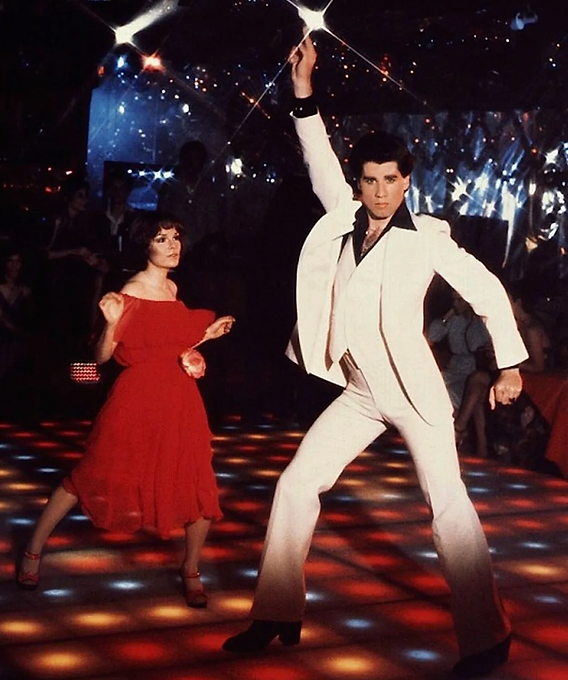
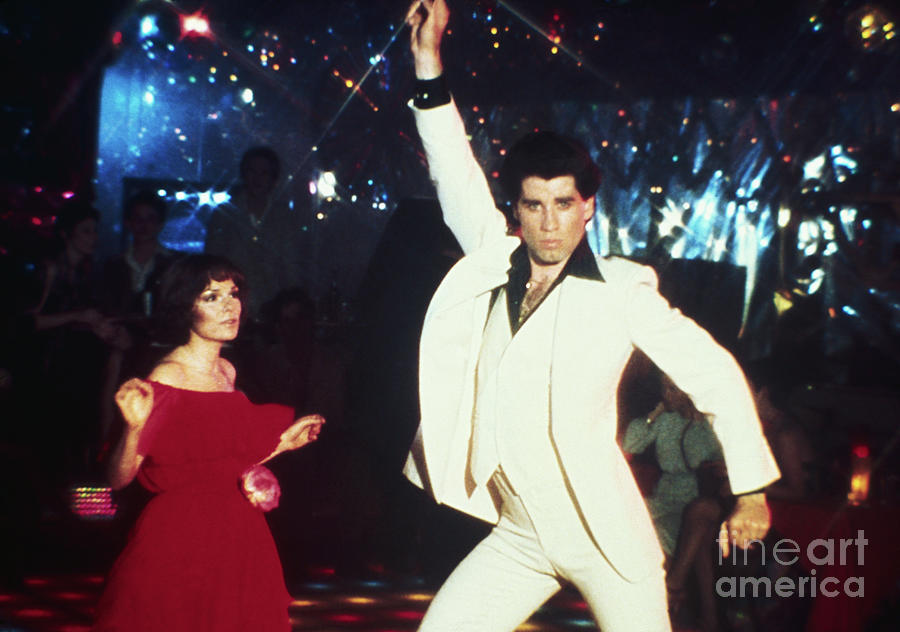
The transformation from television star to movie icon began with Travolta’s electrifying performance in 1977’s “Saturday Night Fever,” a role that would not only define his career but also capture the cultural zeitgeist of late 1970s America. Director John Badham and the film’s producers were looking for an actor who could credibly portray Tony Manero, a working-class Brooklyn youth whose weekend transformation into a disco king provided escape from his mundane weekday existence. Travolta’s combination of dramatic ability, dancing skills, and authentic working-class background made him the perfect choice for a role that required both vulnerability and explosive charisma. His commitment to the part was total - he spent months preparing physically and emotionally, working with choreographers to perfect the dance sequences that would become some of cinema’s most iconic moments.
The cultural impact of “Saturday Night Fever” exceeded all expectations and established Travolta as a genuine movie star capable of carrying a major motion picture. His white suit became an instant fashion statement, his dance moves were imitated worldwide, and his portrayal of Tony Manero resonated with audiences who saw their own struggles and aspirations reflected in the character’s journey. The film’s success was both commercial and critical - it earned over $237 million worldwide and garnered Travolta his first Academy Award nomination for Best Actor, a remarkable achievement for such a young performer. The movie’s soundtrack, featuring the Bee Gees, became one of the best-selling soundtracks of all time, further cementing the film’s place in popular culture and Travolta’s association with the disco era.
Before audiences had fully absorbed the impact of “Saturday Night Fever,” Travolta solidified his superstar status with 1978’s “Grease,” a musical adaptation that showcased an entirely different side of his performing abilities. Playing Danny Zuko opposite Olivia Newton-John’s Sandy, Travolta demonstrated his versatility by seamlessly transitioning from the gritty drama of disco-era Brooklyn to the colorful, nostalgic world of 1950s high school romance. His performance combined singing, dancing, and acting in a way that felt effortless and natural, proving that his success in “Saturday Night Fever” was not a fluke but rather an indication of genuine star power. The chemistry between Travolta and Newton-John became the stuff of Hollywood legend, and their duets, particularly “You’re the One That I Want” and “Summer Nights,” became enduring classics that continue to be beloved by new generations of fans.
“Grease” became an even bigger commercial success than “Saturday Night Fever,” grossing over $396 million worldwide and becoming the highest-grossing musical film at that time. The movie’s success confirmed Travolta’s status as a bankable leading man and demonstrated his unique ability to appeal to diverse audiences across different genres. His portrayal of Danny Zuko showed remarkable range - he could be charming and romantic in intimate scenes, commanding and charismatic in group numbers, and convincingly vulnerable when the character’s insecurities were revealed. This performance established him as one of Hollywood’s most versatile leading men and created expectations for his future projects that would both inspire and challenge him throughout his career.
By 1978, at just 24 years old, John Travolta had achieved a level of fame that few actors ever experience, with two massive hit films that had made him an international icon and cultural phenomenon. His image appeared on magazine covers worldwide, his every public appearance generated significant media attention, and his influence on fashion, music, and popular culture was undeniable. The success of both films created a perfect storm of celebrity that positioned him as the definitive star of his generation, someone who embodied both the glamour of Hollywood and the relatability of an ordinary American young man who had achieved extraordinary success. This meteoric rise to fame would set the stage for both the tremendous opportunities and significant challenges that would define the next phases of his remarkable career journey.
Major Career Achievements
John Travolta’s career achievements span multiple decades and showcase his remarkable versatility as a performer. His breakthrough role as Danny Zuko in “Grease” (1978) became one of the highest-grossing musicals of all time, earning over $396 million worldwide and cementing his status as a Hollywood heartthrob. The film’s soundtrack, featuring Travolta’s vocals on hits like “Summer Nights” and “You’re the One That I Want,” reached multi-platinum status and demonstrated his singing abilities alongside his acting prowess. This success, combined with his earlier triumph in “Saturday Night Fever” (1977), which earned him his first Academy Award nomination for Best Actor, established him as one of the most bankable stars of the late 1970s.