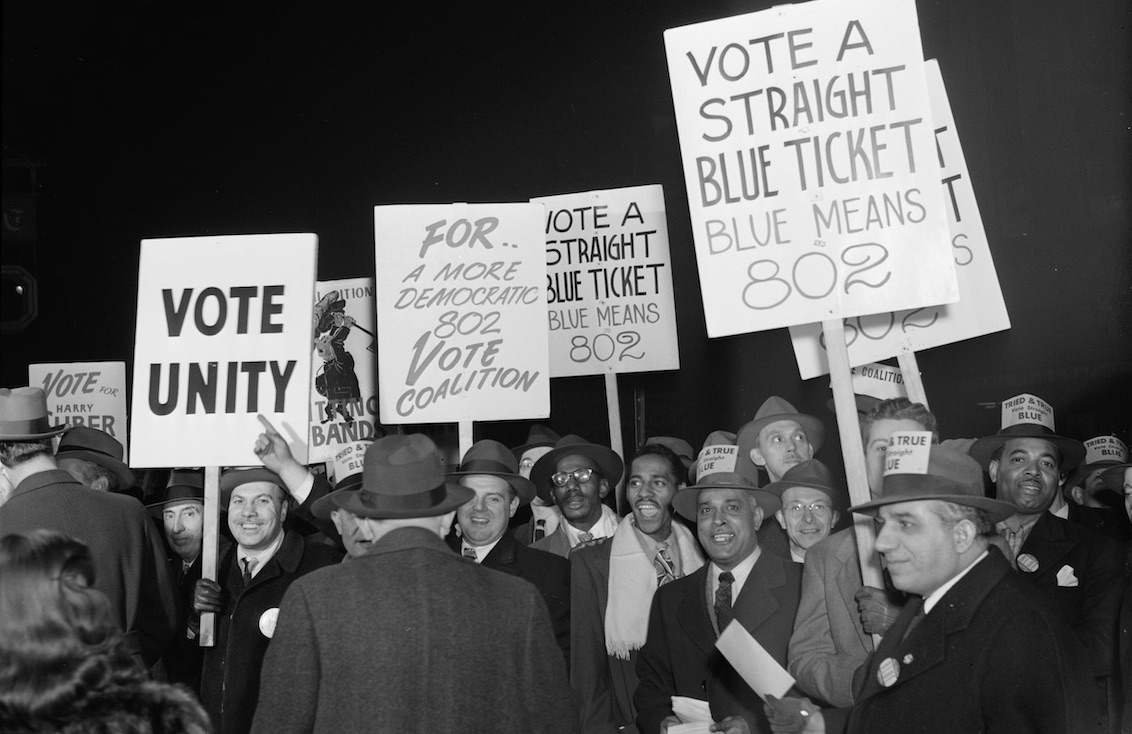
The music industry is facing another seismic legal challenge as the American Federation of Musicians (AFM) has filed a lawsuit against two of the world’s largest record labels, Universal Music Group (UMG) and Warner Music Group (WMG). The union’s grievance centers around what they claim is a deliberate exclusion from groundbreaking artificial intelligence licensing deals that could reshape how music is created, distributed, and monetized in the digital age. This legal action highlights the growing tension between traditional music industry stakeholders and the rapidly evolving AI landscape that’s transforming creative processes across entertainment sectors. The case represents more than just a contractual dispute - it’s a fundamental battle over who controls the future of music creation and how artists and musicians will be compensated in an AI-driven world.
Image: www.afm.org
The Heart of the Legal Battle
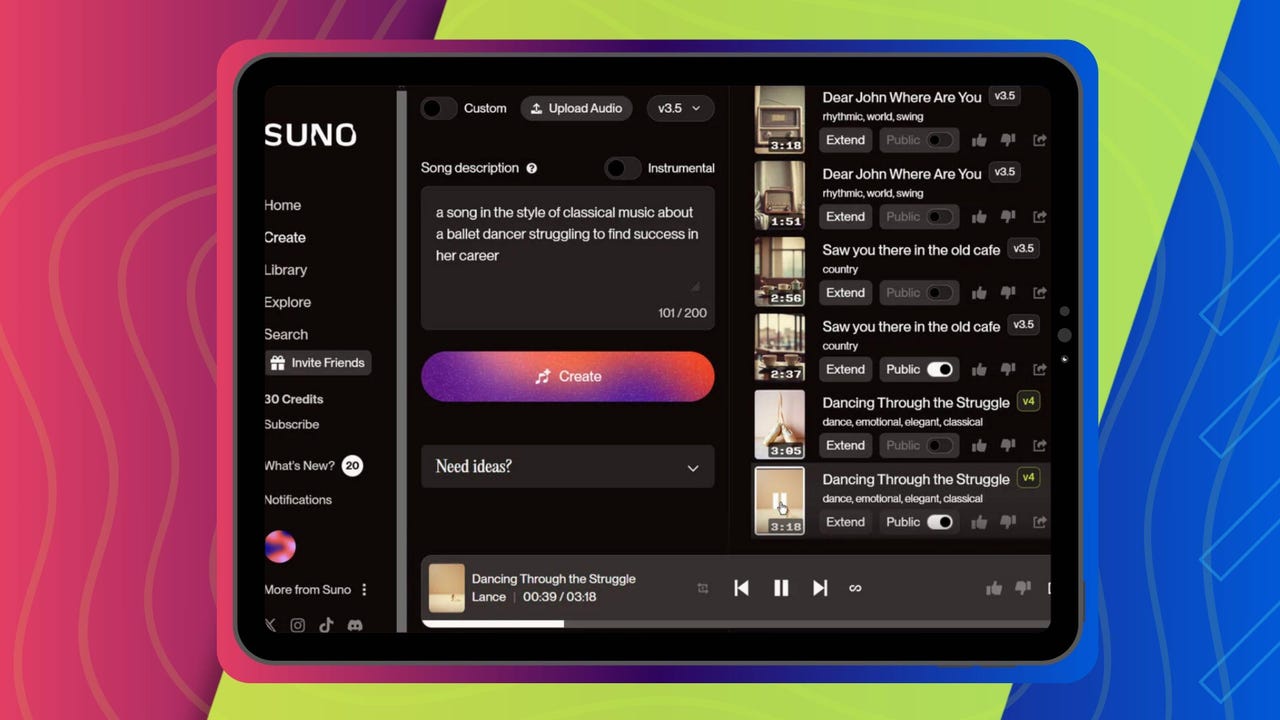
According to the AFM’s legal filing, both Universal Music Group and Warner Music Group have allegedly “refused to provide compensation” to union members despite entering into significant licensing agreements with AI music platforms Suno and Udio. These platforms represent the cutting edge of AI music generation technology, capable of creating original compositions, backing tracks, and even full songs based on text prompts and musical parameters. The union argues that these deals directly impact their members’ livelihoods and creative contributions, yet the musicians who form the backbone of these labels’ catalogs have been systematically excluded from the financial benefits. The AFM contends that the record labels are essentially licensing the collective work and musical styles of countless union musicians to AI companies without proper consultation or compensation structures in place.
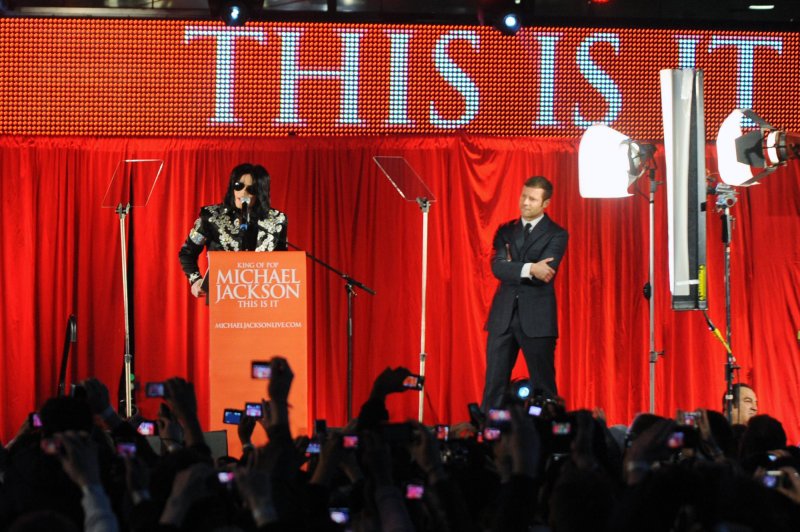
Image: Universal Music Group
The legal action specifically targets what the union perceives as a pattern of exclusionary practices by major labels when negotiating these landmark AI deals. The AFM has requested transparency regarding the terms of these agreements and is seeking retroactive compensation for union members whose musical contributions may have been used to train AI systems. This lawsuit comes at a particularly sensitive time for the music industry, as artists across genres - from country to Afrobeats to hip-hop - are grappling with questions about AI’s role in music creation and the potential devaluation of human artistry. The union’s position reflects broader concerns within the creative community about being left behind as technology companies and major labels forge ahead with AI partnerships.
Understanding the AI Music Revolution
The emergence of AI music platforms like Suno and Udio represents a fundamental shift in how music can be created and consumed. These sophisticated systems can generate everything from simple melodies to complex arrangements that rival human-composed works, raising profound questions about creativity, authorship, and compensation in the digital music ecosystem. For major labels like UMG and WMG, partnerships with AI companies offer new revenue streams and innovative ways to engage audiences, particularly younger demographics who are increasingly comfortable with AI-generated content. However, the technology relies heavily on training data derived from existing musical works, many of which feature performances by AFM members who originally recorded backing tracks, session work, and collaborative pieces that now form part of these labels’ extensive catalogs.
Image: Britannica
The global impact of this technological shift extends far beyond Hollywood and Nashville studios to affect musicians worldwide, including the vibrant Afrobeats scene, European classical orchestras, and session musicians in cities from Lagos to London. AI music generation platforms have democratized music creation in unprecedented ways, allowing anyone with an internet connection to produce professional-sounding tracks without traditional musical training or expensive studio time. While this technological advancement offers exciting possibilities for creativity and accessibility, it also threatens traditional revenue streams for working musicians who depend on session work, live performance, and collaborative projects to make a living. The AFM’s lawsuit essentially argues that the benefits of this revolution should be shared with the musicians whose collective work made it possible.
Ad SpaceIn-Article - 300x250
Advertisement
What This Means for the Music Industry
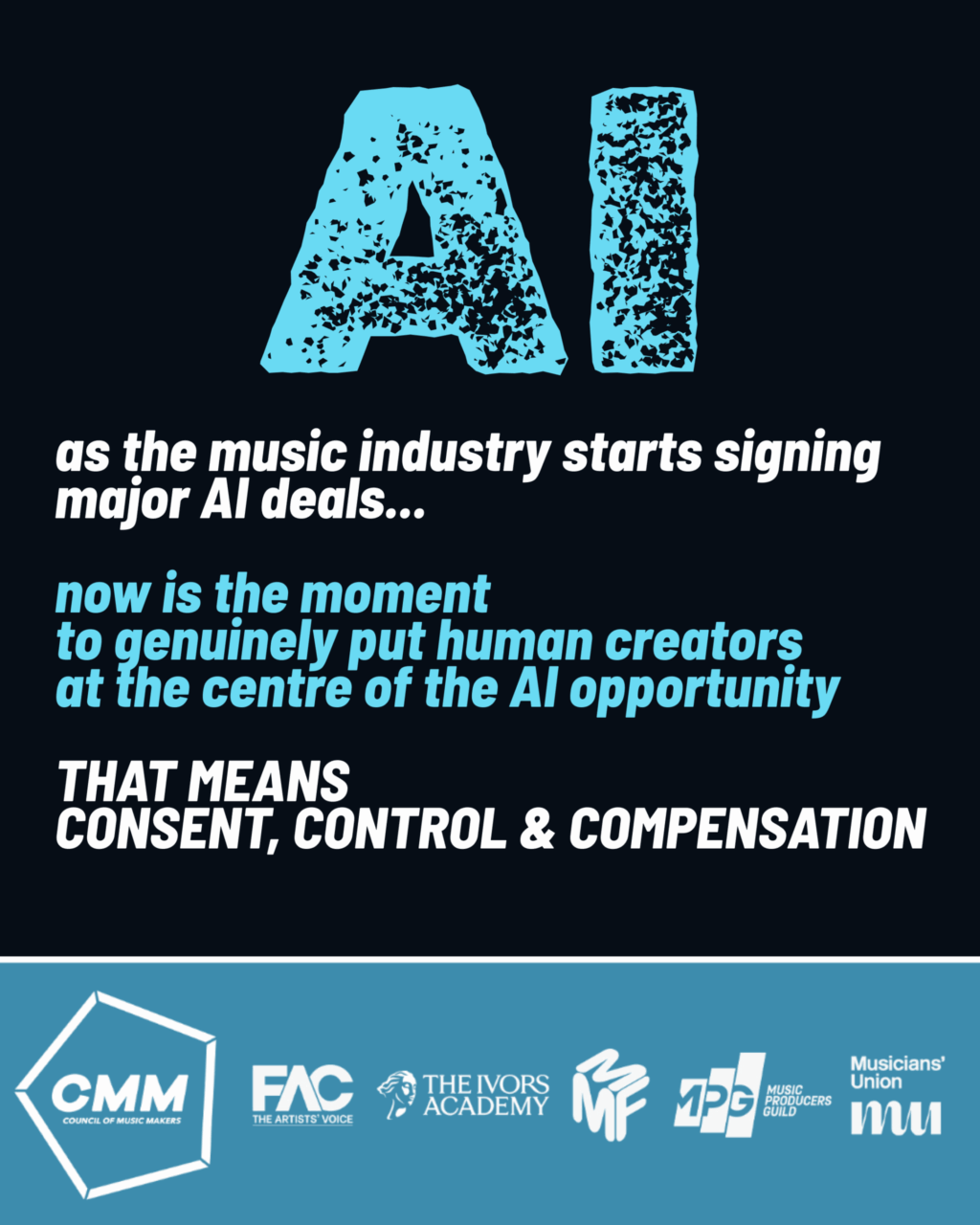
The lawsuit’s implications stretch far beyond the immediate parties involved, potentially setting precedents for how the entire entertainment industry approaches AI integration and artist compensation. If the AFM succeeds in their legal challenge, it could force major labels to restructure their AI partnerships and establish new frameworks for compensating musicians whose work contributes to AI training datasets. This could have ripple effects across the global music landscape, influencing everything from how Nollywood soundtracks are created to how Billboard chart songs are produced and monetized. The case also highlights the growing importance of collective bargaining in the digital age, as individual artists often lack the resources and leverage to negotiate fair terms with major technology companies and record labels.
Image: ZDNET
For emerging markets and genres, particularly in African entertainment where many artists are still building their industry foundations, the outcome of this lawsuit could be especially significant. Afrobeats artists, Nollywood composers, and musicians across the African continent often work through international label partnerships that mirror the structures being challenged in this case. If new compensation models emerge from this legal battle, they could provide templates for fairer AI licensing agreements that benefit artists in developing music markets. The case also underscores the need for updated industry standards that account for AI’s role in music creation while protecting the economic interests of human performers and composers.
Major Labels’ Strategic Positioning
Both Universal Music Group and Warner Music Group have previously positioned themselves as leaders in adapting to technological change while protecting artist interests, making this lawsuit particularly challenging for their public relations and legal teams. UMG, which represents global superstars as well as emerging artists from diverse genres including Afrobeats and world music, has generally advocated for strong copyright protections and fair artist compensation in digital contexts. Similarly, WMG has built its reputation on innovative artist partnerships and forward-thinking digital strategies. However, the AFM’s allegations suggest that these principles may not have been consistently applied to AI licensing agreements, creating a potential contradiction in these labels’ stated values and actual practices.
Image: Wikimedia Commons - Wikimedia.org
The labels’ response to this lawsuit will likely influence how other major entertainment companies approach AI partnerships moving forward. Given the global nature of modern music distribution and the increasing interconnectedness of markets from Africa to Asia to the Americas, any precedent set in this case could have worldwide implications. The labels may argue that their AI partnerships ultimately benefit all stakeholders by creating new opportunities for music discovery and audience engagement, but the AFM’s challenge forces them to demonstrate concrete benefits for working musicians rather than just corporate shareholders and technology partners.
Looking Ahead: The Future of Music and AI
This legal battle represents just the beginning of what will likely be an extended period of negotiation and adjustment as the music industry adapts to AI’s transformative potential. The outcome could influence similar disputes in other entertainment sectors, including film scoring, television music, and even the emerging field of AI-generated content for streaming platforms. For musicians working across genres and continents, the case highlights the importance of staying engaged with industry developments and supporting organizations that advocate for fair compensation in the digital age. The AFM’s lawsuit serves as a reminder that technological progress should benefit all stakeholders in the creative process, not just the companies with the resources to develop and deploy new technologies.
Image: Mastering The Mix
As the entertainment industry continues to evolve, cases like this one will help define the relationship between human creativity and artificial intelligence in music production. Whether the final resolution comes through litigation, negotiation, or new industry standards, the principles established here will likely influence how future AI partnerships are structured across the global entertainment landscape. For audiences worldwide who love music - whether it’s the latest Afrobeats hit, a classical symphony, or an AI-generated soundtrack - the outcome of this lawsuit could ultimately determine how diverse and vibrant the music industry remains in an increasingly automated world.
Ad SpaceIn-Article - 300x250
Advertisement
Share
Get the recap
Loved this story? Get more like it.
Join readers who get our weekly entertainment recap - the stories worth your time, delivered every Friday.
No spam. Unsubscribe anytime. By signing up you agree to our Privacy Policy.