

Ahmed Ololade was uploading freestyle dance clips and recording demos on borrowed equipment in Lagos when he started texting Olamide for help. Two years later he was Asake, the YBNL Nation signee whose breakthrough single “Sungba” with Burna Boy on the remix moved him from local TikTok curiosity to continental headliner in a matter of months. Few artists in modern Afrobeats have compressed the distance between obscurity and arena-level demand the way he has.
This Asake biography covers the full arc - his Lagos upbringing, the Obafemi Awolowo University theatre arts years, the YBNL signing that re-routed his life, three studio albums in three years, his sold-out O2 Arena run, and the Amapiano-Fuji-Yoruba choral fusion that has made him one of the most stylistically distinct artists of his generation.
| Quick Facts: Asake | |
|---|---|
| Full Name | Ahmed Ololade Asake |
| Stage Name | Asake (also known as Mr Money) |
| Date of Birth | January 13, 1995 |
| Age | 31 (as of 2026) |
| Place of Birth | Lagos, Nigeria |
| Nationality | Nigerian |
| Ethnicity | Yoruba |
| Profession | Singer, Songwriter, Dancer |
| Years Active | 2018 - present |
| Genre | Afrobeats, Amapiano, Afro-Fusion, Fuji-Piano |
| Net Worth (est.) | $15 million (2026) |
| Partner | Not publicly known |
| Children | None publicly known |
| Education | Obafemi Awolowo University, Ile-Ife (Theatre Arts) |
| Record Label | YBNL Nation / Empire Distribution / Giran Republic |
| Social Media | Instagram: @asakemusik | X: @asakemusic |
Table of Contents
Early Life and Background
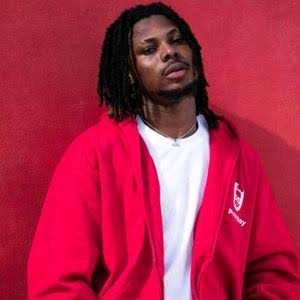
Ahmed Ololade was born on January 13, 1995, in Lagos, Nigeria, into a working-class Yoruba family. He grew up between Lagos neighborhoods - sources have variously cited the Ifako-Ijaiye and Bariga areas - in a household that valued education but had no music industry connections to draw on. His father worked as an entrepreneur and his mother was a teacher. Two siblings round out the family. By the standards of the artists he would later share stages with, he started from the outside of every door.
The “Asake” half of his stage name comes from his mother’s name, a deliberate signal of where his foundation sits. He has spoken in interviews about his closeness to her and about Yoruba family structure as a steady anchor through the years when his music career was not yet earning him a living. Lagos in the 2000s was the world capital of a particular kind of street creativity - dancers, hype men, freestylers, and aspiring vocalists circulating through neighborhood studios and community events, hoping one viral moment would catch a label’s attention.
That was the ecosystem he came up in. Long before “Mr Money With The Vibe” turned him into a continental name, Ahmed Ololade was the kid with the dance moves who could hold a Yoruba chant and was always one room away from the next demo session. His early influences pulled directly from his cultural surroundings: King Sunny Ade, Wasiu Ayinde, Fela Kuti, and the Fuji and Apala traditions that defined Yoruba pop music for decades. Olamide, the Yoruba-rap pioneer who would later sign him, was a contemporary hero he studied closely.
Education

Asake attended secondary school in Nigeria and reportedly passed through Federal Government College Maiduguri at some point during his teens, though some accounts disagree on the exact secondary school path. What is well-documented is his university education. He enrolled at Obafemi Awolowo University, Ile-Ife, in Osun State, where he studied Theatre Arts (also called Dramatic Arts at OAU). He graduated.
That degree is more than a footnote. Obafemi Awolowo University’s theatre arts program is one of the most respected on the continent, with a tradition that runs through Wole Soyinka and a curriculum that drills students in stagecraft, movement, vocal projection, and Yoruba performance forms including Fuji, Apala, and traditional masquerade theatre. Watch Asake perform live and the OAU training is visible. The dance precision, the call-and-response with backing vocalists, the way he choreographs the visual language of his music videos - all of it traces back to that theatre arts foundation.
He has said in interviews that university was where he committed seriously to music as a career path, recording on basic equipment between classes and performing at campus events. By the time he graduated, he had a stage presence that was already more developed than most artists his age. He moved back to Lagos with a degree, no money, and a clear idea of the kind of artist he wanted to become.
Career Beginnings
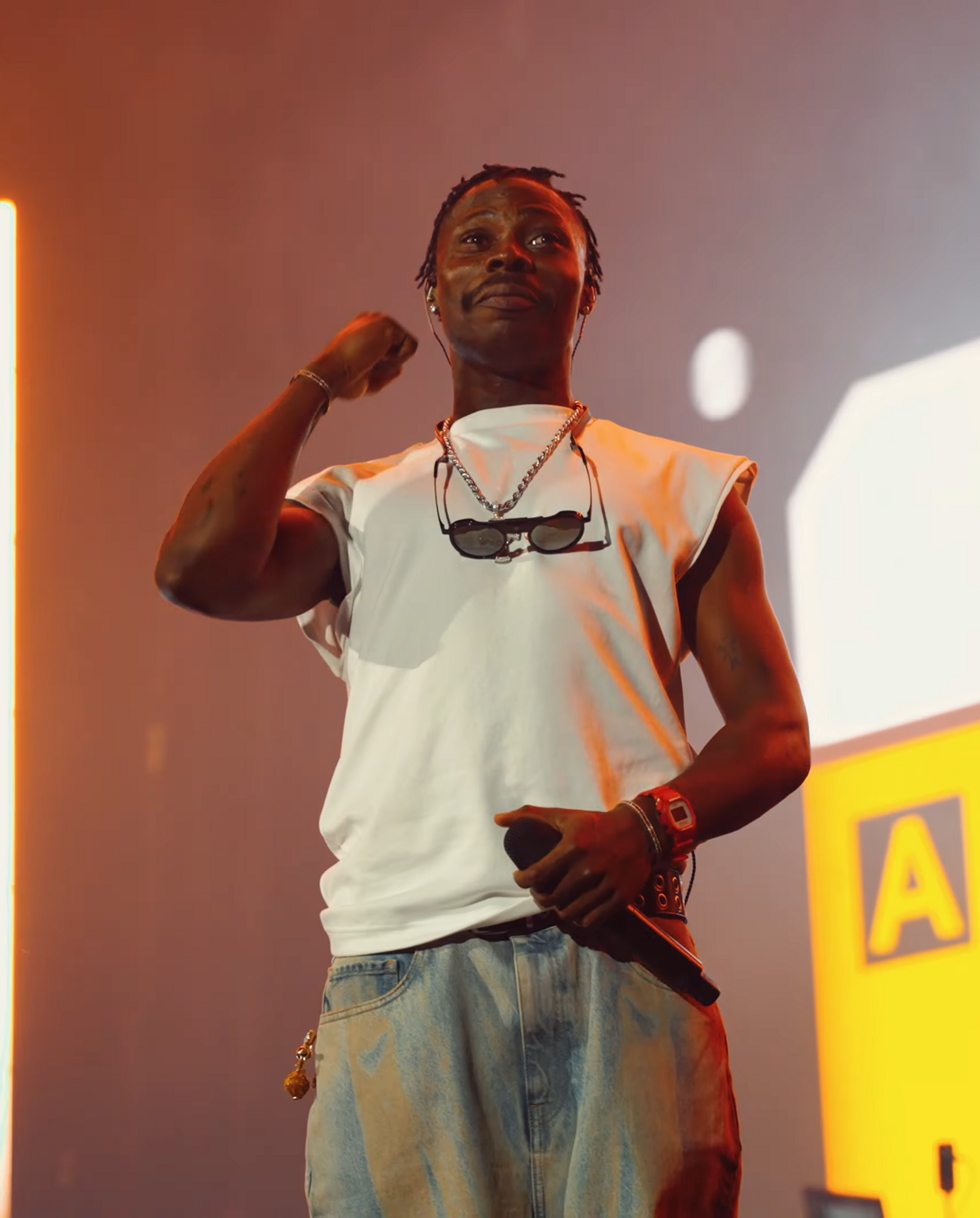
Asake’s first years in Lagos were a grind. He worked as a backup dancer and choreographer, took studio sessions when he could afford them, and circulated freestyle clips on Instagram and the early TikTok scene that was just emerging in Nigeria. He released a handful of low-budget tracks under the name Asake between 2018 and 2020 without commercial traction. “Lady,” released in 2020 and produced by Blaisebeatz, was the first to gain meaningful local attention. It went viral on TikTok and earned reposts from a few Nigerian celebrities, but it did not break him through.
What it did do was put him on Olamide’s radar. According to Asake’s own account, he had been messaging Olamide for help since 2020 without getting a response. Olamide finally replied after hearing “Omo Ope,” a Yoruba-language track Asake had recorded that combined his Fuji-influenced melodies with a hook designed for the street. Olamide jumped on the remix in late 2021, and the song exploded.
That moment opened the door, but it did not yet walk him through it. Asake was still independent, still hustling for studio time, still building a catalog one track at a time. The “Omo Ope” remix proved to Olamide and to the Nigerian industry that Asake had something stylistically that no one else in the new generation was offering. The next step - the YBNL signing - changed the math of his career entirely.
The Breakthrough
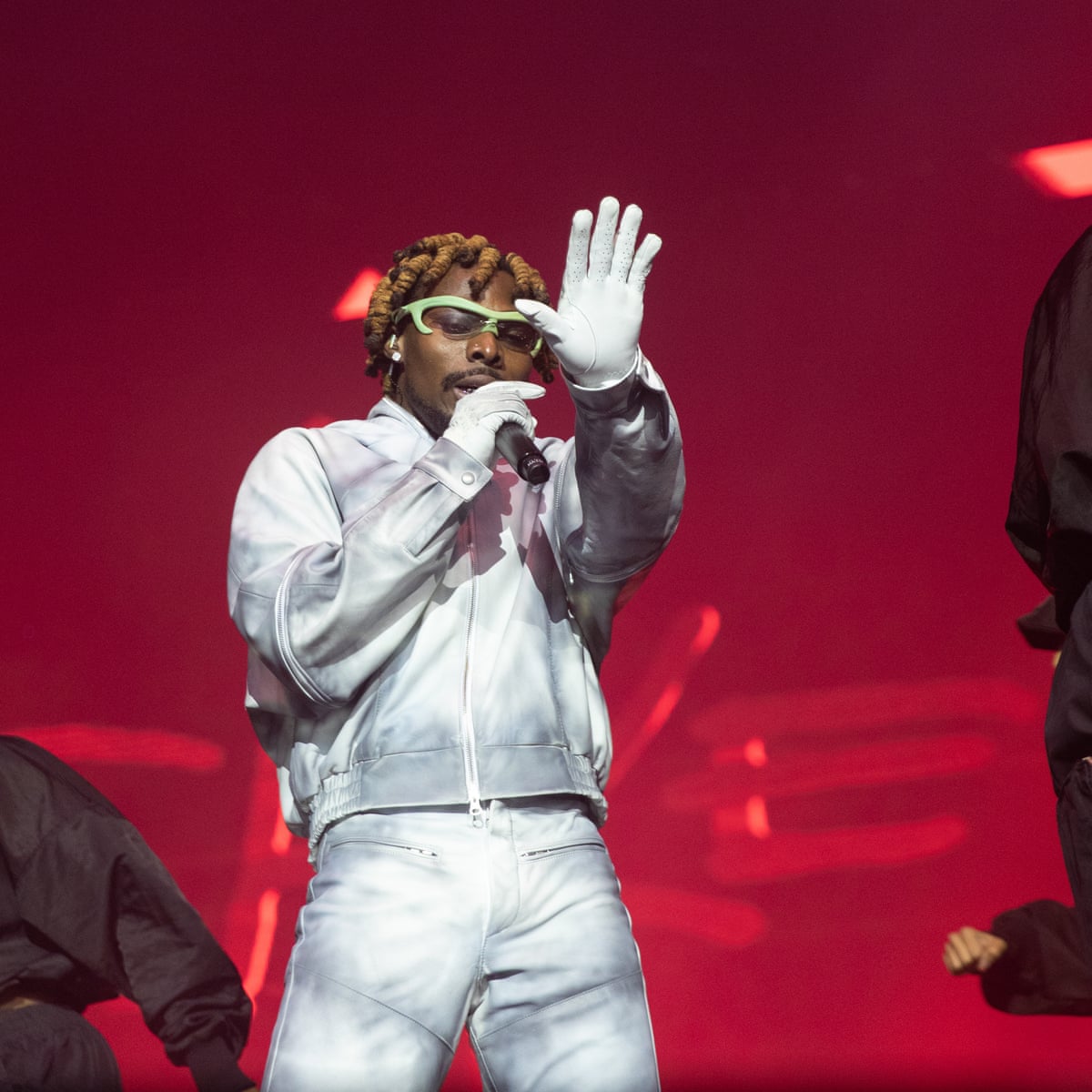
In February 2022, Olamide officially signed Asake to YBNL Nation, his Lagos-based label that had previously launched Adekunle Gold, Fireboy DML, and Lil Kesh. The signing came with immediate firepower. Asake released his debut EP, “Ololade Asake,” that same month. The standout track was “Sungba” - a slow-burning Amapiano-Fuji hybrid built around log drums, choral vocals, and a hook in Yoruba street slang that translated loosely to a celebration of personal wealth and ascendance.
“Sungba” was already a hit on its own. Then the remix dropped. Burna Boy, by this point an established Grammy winner and continental headliner, jumped on the track. The remix did what almost no remix in modern Afrobeats has done: it eclipsed the original commercially and culturally. Within weeks, “Sungba (Remix)” was the song of the year in Nigeria, a permanent fixture on Lagos and Accra radio, and a viral phenomenon across the African diaspora.
From there, the pace was relentless. Asake released “Peace Be Unto You (PBUY),” “Terminator,” and “Joha” across the spring and summer of 2022, each becoming a chart hit in its own right. He had compressed the breakthrough that most Nigerian artists take five years to build into a single calendar year, and he had done it with a stylistically coherent body of work - all of it produced primarily by Magicsticks, all of it leaning into the Fuji-Piano fusion that became his signature.
His debut studio album, “Mr Money With The Vibe,” released on September 8, 2022 through YBNL Nation and Empire Distribution, sealed the breakthrough. The 12-track project was almost entirely produced by Magicsticks and featured Russ and Burna Boy. It broke the record for the biggest opening day for an African album on Apple Music at the time and debuted at number 66 on the Billboard 200. By the end of 2022, Asake was Audiomack’s Artist of the Year with over 330 million streams. He was 27 years old and roughly nine months removed from being a YBNL unknown.
Career Highlights and Major Works
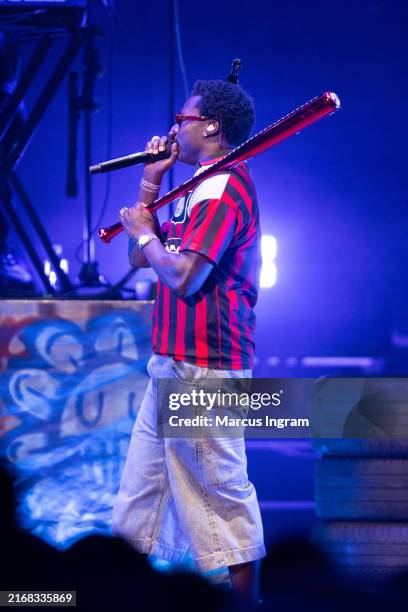
Mr Money With The Vibe (2022)
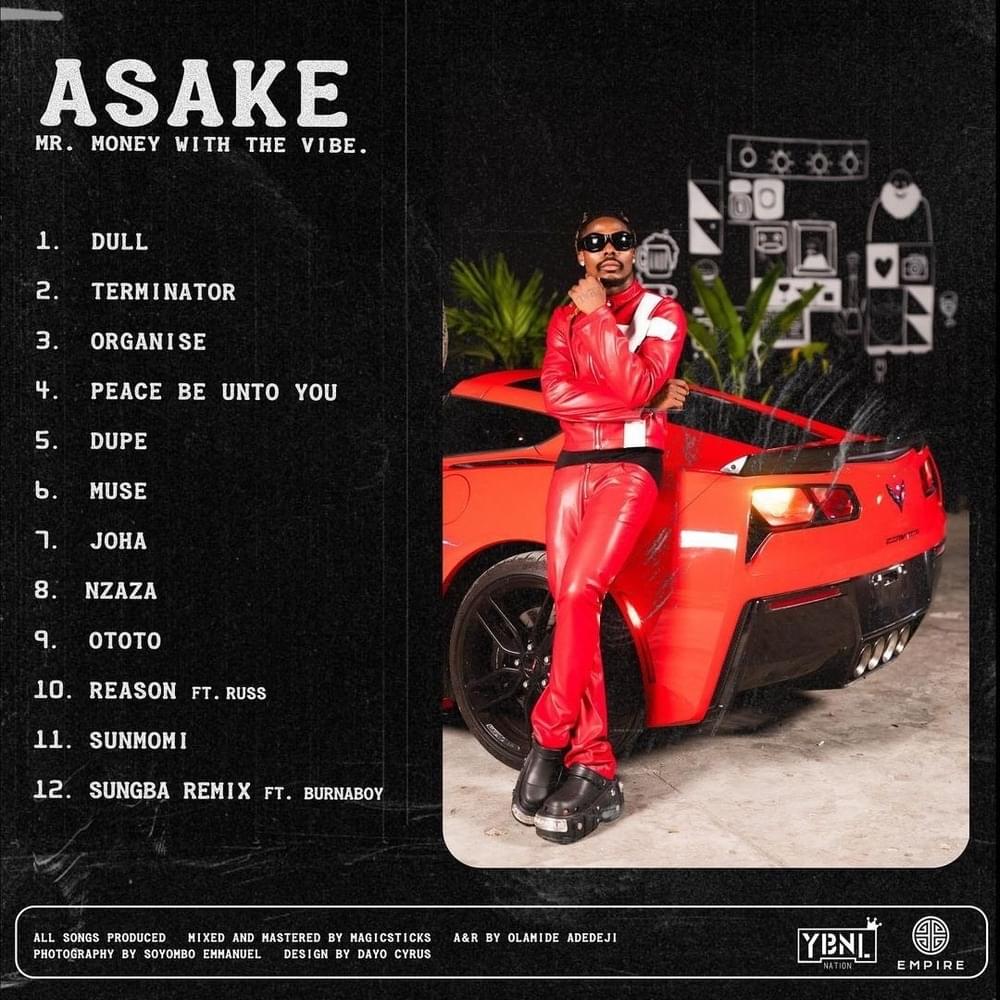
The debut album was a statement of style as much as content. Twelve tracks, almost all Magicsticks-produced, anchored in Yoruba lyricism with Amapiano log drums and Fuji-derived call-and-response vocals. Standouts included “Sungba,” “Joha,” “Terminator,” “Peace Be Unto You (PBUY),” “Dull,” and “Organise.” The album certified Asake as more than a one-hit signing - it proved he had an entire sonic identity ready to deploy. It debuted at number 66 on the Billboard 200, a remarkable position for a Nigerian debut.
Work of Art (2023)
Released June 16, 2023, Asake’s sophomore album expanded the palette without abandoning the formula. “Lonely at the Top,” “Amapiano” (featuring Olamide), “Basquiat,” and “2:30” became immediate fan favorites. The album matched the chart position of its predecessor on the Billboard 200 and earned him his first Grammy nomination at the 66th Annual Grammy Awards for “Amapiano” in the Best African Music Performance category, which was the inaugural year for that category.
Lungu Boy (2024)
The third album, released August 9, 2024, was his most experimental and most internationally collaborative to date. Fifteen tracks featuring Wizkid, Travis Scott, Stormzy, Central Cee, and Brazilian artist Ludmilla. Lungu Boy moved further from the strict Fuji-Piano template and into a more global Afro-pop sound. Critics were mixed - some praised the ambition, others missed the tighter sonic identity of his first two albums - but the album sustained his commercial momentum and confirmed his appetite for stylistic risk.
The O2 Arena Run
Asake sold out London’s O2 Arena in 2023, becoming the fastest Nigerian artist to fill the 20,000-seat venue from a standing start. He repeated the feat in 2024. He also sold out three consecutive nights at London’s O2 Academy Brixton during his September 2022 UK tour, a separate (smaller-capacity) venue that nonetheless marked one of the fastest UK-tour escalations in Afrobeats history.
YBNL Departure and Giran Republic
In 2025, after fulfilling his YBNL contract, Asake exited the label to launch his own imprint, Giran Republic, with distribution through Gamma. The transition was widely covered in the Nigerian music press and marked his move from breakout artist to label principal. Read the Olamide biography for the full context of YBNL Nation’s role in his career.