
Table of Contents
- Awards Season: The Industry’s Biggest Nights
- Festival Circuit: Where Music Meets Commerce
- Conference Season: The Business Behind the Beat
- Emerging Markets: Global Music’s New Frontiers
- Digital Age: Tech Meets Melody
- Strategic Planning: Maximizing Your Music Calendar
The music industry operates on a carefully orchestrated calendar of events that can make or break careers, forge million-dollar deals, and set the cultural agenda for entire generations. From the glittering spectacle of awards ceremonies to the muddy fields of summer festivals, each gathering serves a distinct purpose in the complex ecosystem of modern music business. For industry professionals, artists, and even passionate fans, understanding this calendar isn’t just helpful - it’s essential for navigating the ever-evolving landscape of entertainment. Whether you’re an emerging artist seeking your first big break, a seasoned executive hunting for the next global sensation, or simply someone who wants to understand how the music world really works, knowing when and where the industry converges can provide invaluable insights into the forces shaping our sonic culture.
Awards Season: The Industry’s Biggest Nights
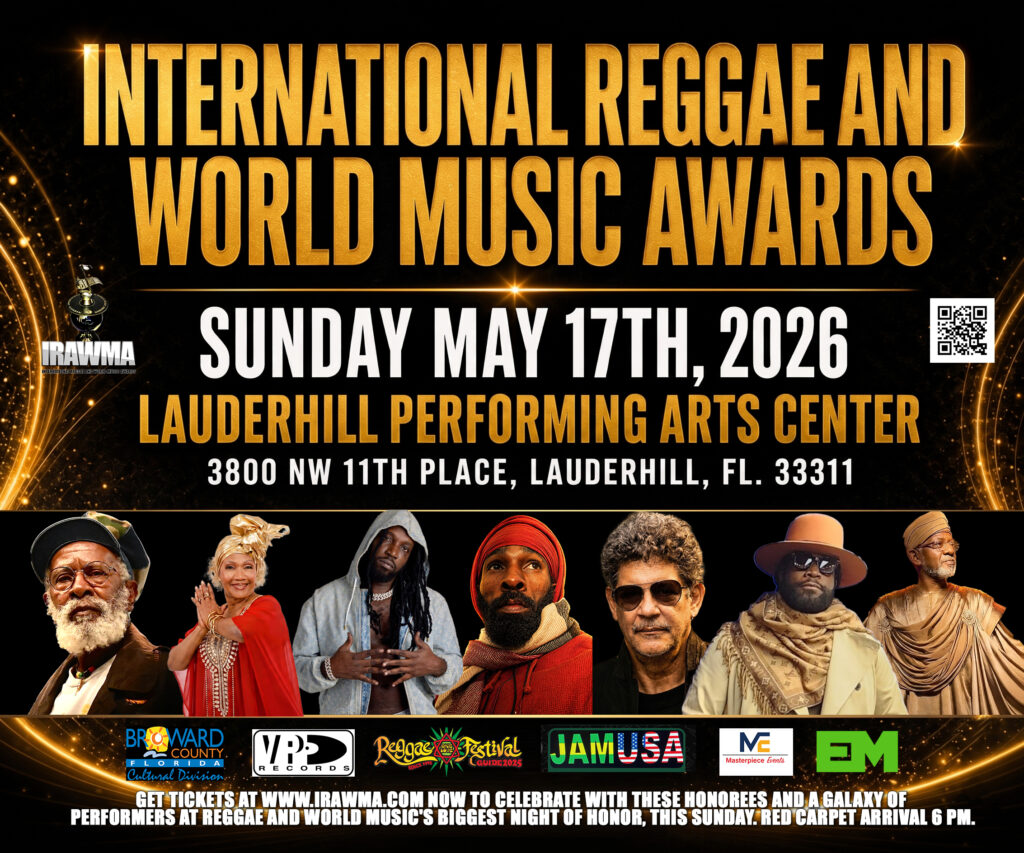
The annual awards season represents the music industry’s most concentrated period of networking, celebration, and strategic positioning, with events that generate billions in economic impact while simultaneously crowning the year’s biggest winners. The Grammy Awards, typically held in late January or early February, anchors this season as the recording industry’s most prestigious recognition ceremony, but the real action happens throughout Grammy Week in Los Angeles. Industry veterans know that the Grammy Weekend isn’t just about the televised ceremony - it’s about the dozens of invitation-only parties, listening sessions, and deal-making dinners that occur in luxury hotels and private venues across West Hollywood and Beverly Hills. These intimate gatherings often prove more valuable than the main event, as record labels, management companies, and streaming platforms use the concentrated star power to announce new partnerships, debut upcoming releases, and court potential collaborators.
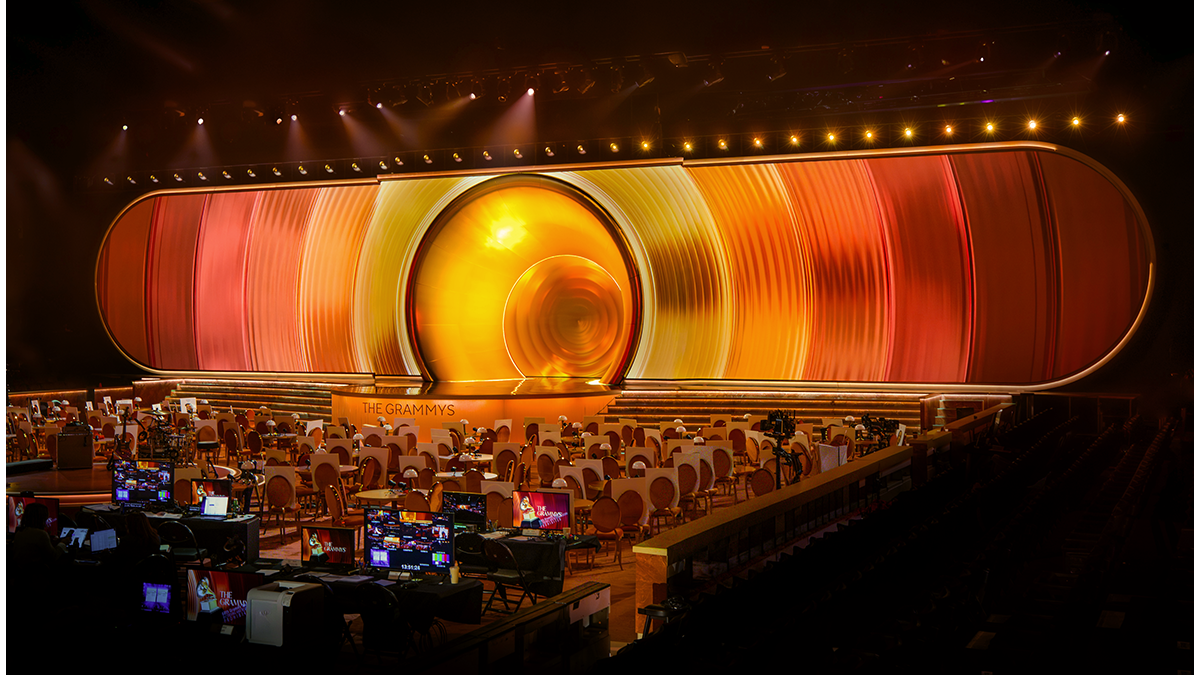
Beyond the Grammys, other major award shows serve specific segments of the industry calendar, each with their own networking opportunities and cultural significance. The American Music Awards in November focus heavily on fan-voted categories and tend to skew younger, making them particularly valuable for pop and hip-hop artists looking to connect with Gen Z audiences. The Billboard Music Awards, usually held in May, emphasize commercial performance over artistic achievement, making them essential for understanding current market trends and identifying breakout artists before they become household names. International ceremonies like the BRIT Awards in London and the Juno Awards in Canada provide crucial insights into global music trends, while genre-specific events like the Country Music Association Awards and the BET Awards offer deep dives into particular market segments that drive significant revenue streams.
Festival Circuit: Where Music Meets Commerce
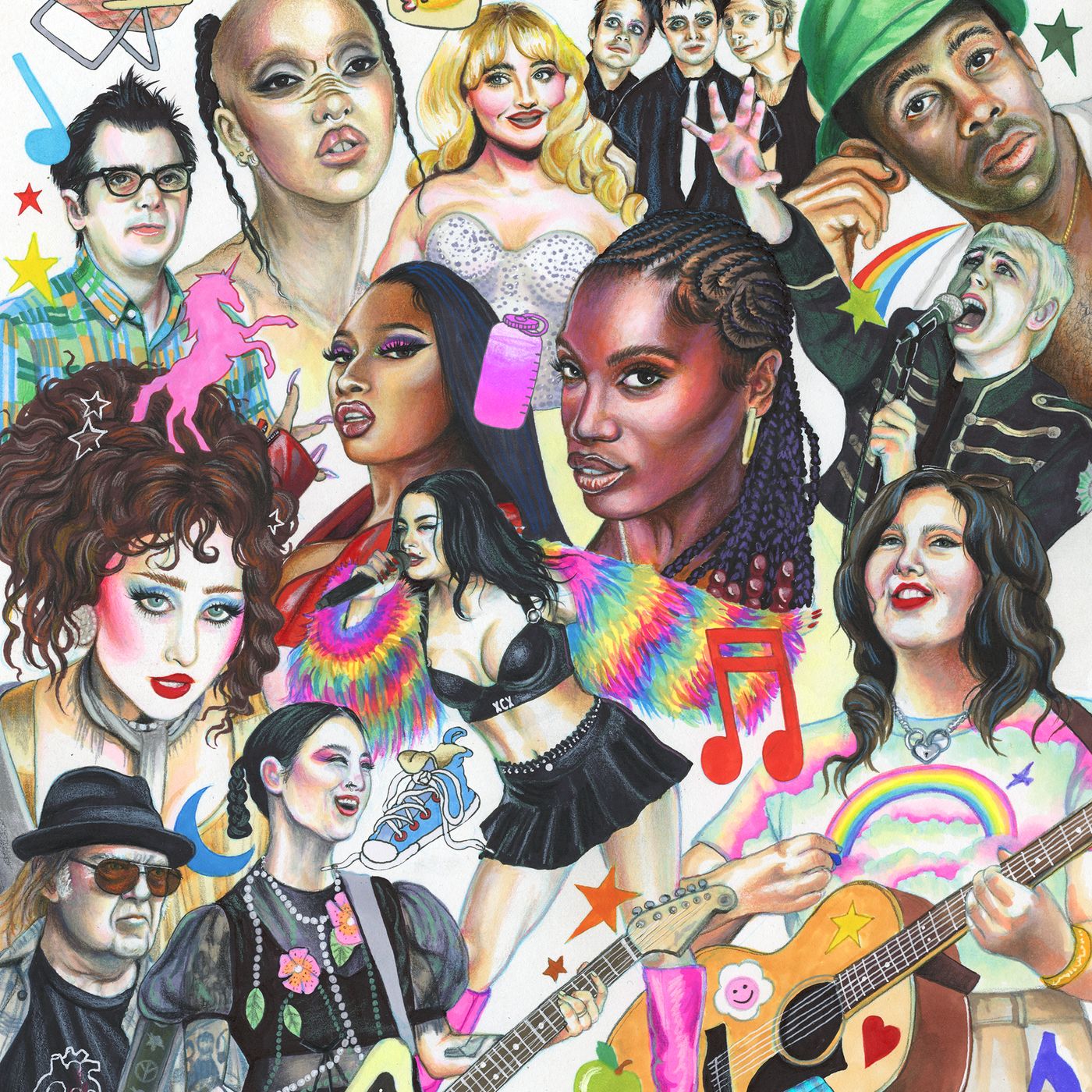
The modern music festival circuit operates as much more than entertainment - it’s become a crucial testing ground for new talent, a massive revenue generator for the industry, and an influential tastemaker that can transform emerging artists into global superstars overnight. Coachella, which typically kicks off the major festival season in April, has evolved into perhaps the most commercially important music event in North America, with its two-weekend format in the California desert serving as a cultural bellwether that influences everything from fashion trends to streaming playlist placements. The festival’s carefully curated lineup announcements in January generate months of anticipation and often provide the first indication of which artists labels are positioning for major commercial pushes throughout the year. Industry insiders use Coachella attendance as an opportunity to scout new talent, negotiate sync licensing deals for brands’ festival activations, and observe real-time audience reactions to help predict which songs might become summer hits.
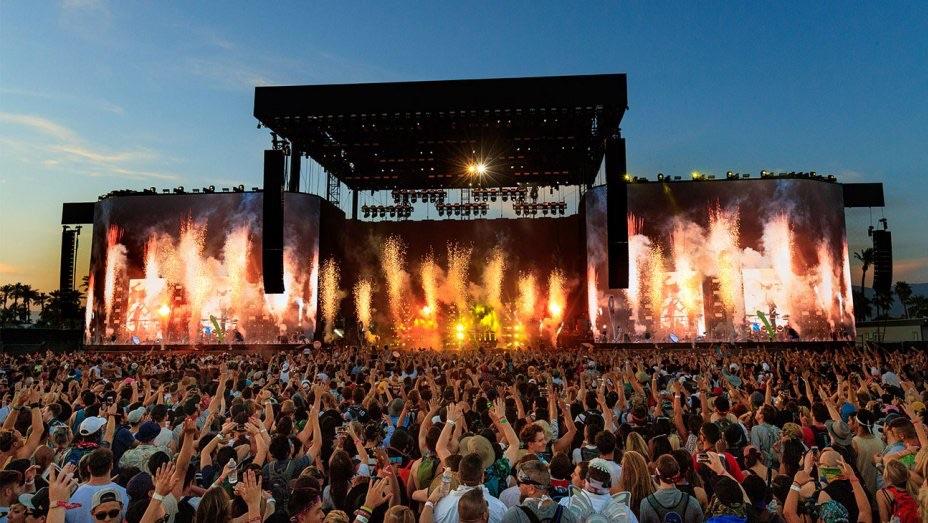
The international festival circuit has become equally important for understanding global music trends, particularly as streaming platforms have made cross-cultural music discovery more seamless than ever before. Events like Glastonbury in the UK, Tomorrowland in Belgium, and Rock in Rio in Brazil each serve distinct markets while offering valuable insights into regional preferences and emerging genres. African music festivals, including Lagos’ Afro Nation and Ghana’s AfroFuture, have gained particular significance as Afrobeats continues its global domination, with American and European labels now regularly sending A&R representatives to scout potential collaborations and licensing opportunities. These festivals also serve as crucial networking hubs where international distributors, booking agents, and media companies forge the relationships that will shape the following year’s global music landscape.
Conference Season: The Business Behind the Beat

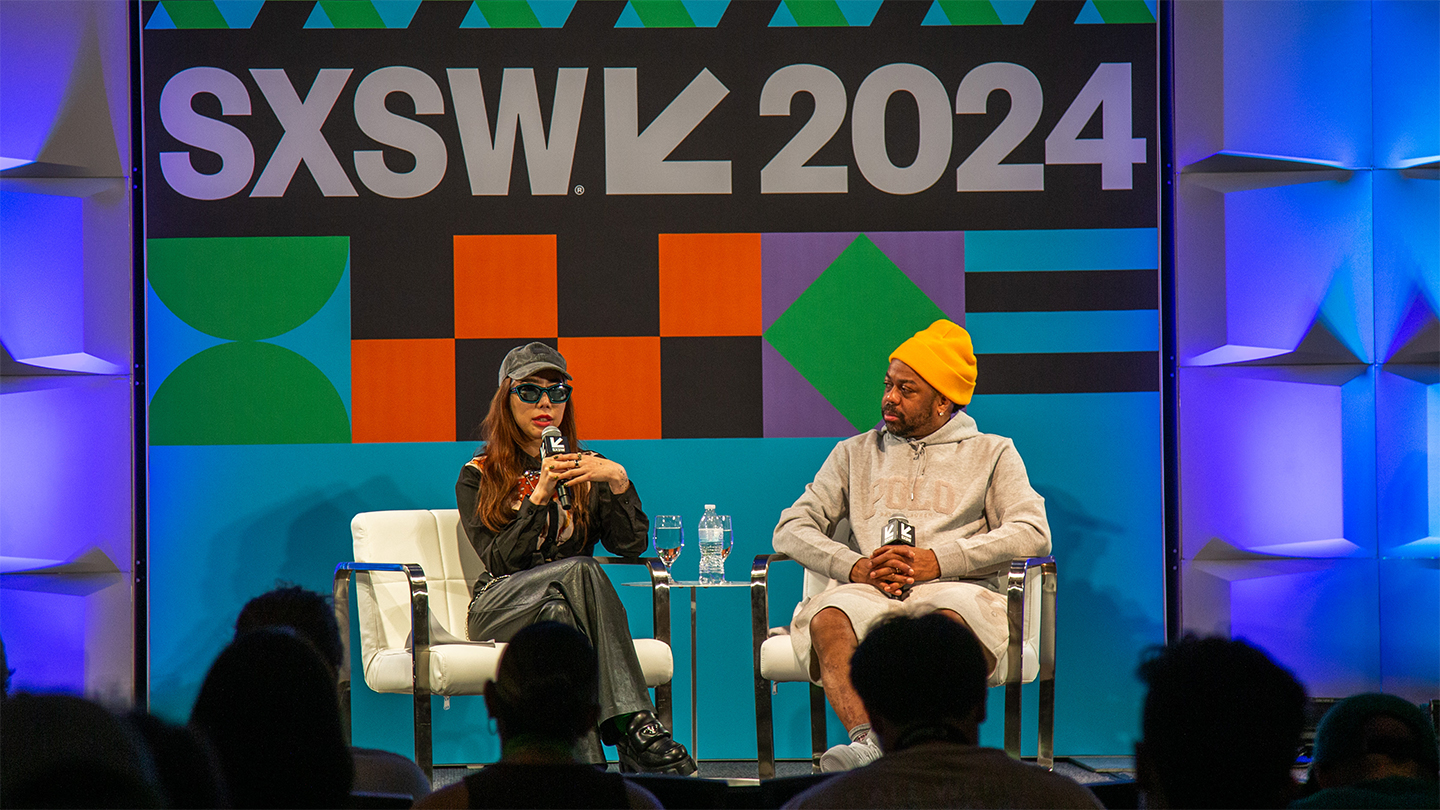
While festivals capture public attention, industry conferences represent where the real business of music gets conducted, offering concentrated periods of education, networking, and deal-making that can reshape entire careers in the span of a few days. South by Southwest (SXSW) in Austin, Texas, remains the gold standard for music conferences, combining showcase performances with panels, workshops, and informal networking opportunities that have launched countless careers since its inception in 1987. The event’s unique structure, which blends music with interactive technology and film components, reflects the increasingly interdisciplinary nature of modern entertainment business. Industry professionals use SXSW not just to discover new artists, but to understand emerging technologies like AI-generated music, blockchain-based royalty distribution, and immersive audio experiences that could fundamentally alter how music is created, distributed, and monetized.
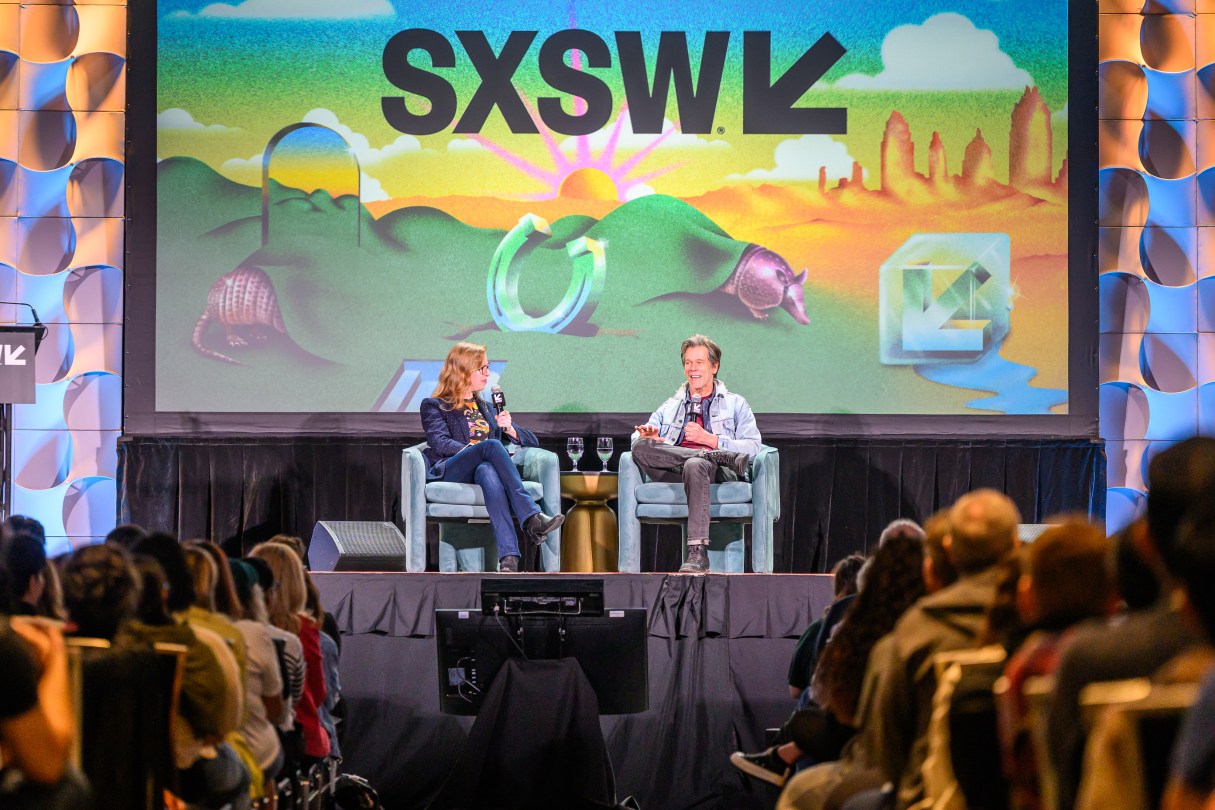
Other specialized conferences serve particular niches within the industry, each offering unique perspectives on the business of music. MIDEM in Cannes provides a European perspective on global music markets, while events like the ASCAP Expo focus specifically on songwriting and publishing - areas that have become increasingly important as streaming revenues have shifted how artists and writers generate income. The rise of genre-specific conferences, such as the Americana Music Conference and the International Folk Music Awards, reflects the industry’s growing recognition that niche markets can be incredibly lucrative when properly cultivated. These smaller events often provide more intimate networking opportunities and can be particularly valuable for independent artists and smaller labels looking to make meaningful connections without the overwhelming scale of major industry gatherings.