Jalen Brunson: The Rise of the Knicks Star - Biography, Career and Personal Life
Miki Anderson··10 min read
Ad SpaceArticle Top - 728x90
Advertisement
Thirty-two names were called before his on draft night in 2018, and Jalen Brunson has spent every season since making the league regret the order. The undersized Villanova guard who slipped to the second round became the captain of the New York Knicks, an All-NBA fixture, the league’s reigning Clutch Player of the Year, and the engine of the franchise’s run to the 2026 NBA Finals, its first trip to the championship round since 1999. Whatever that series ultimately decides, his journey from second-round afterthought to Finals centrepiece is already one of the great modern basketball stories. Here is how it was built.
The Run to the 2026 Finals
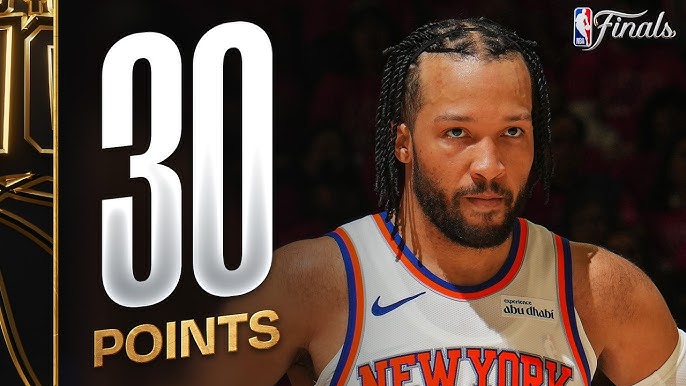
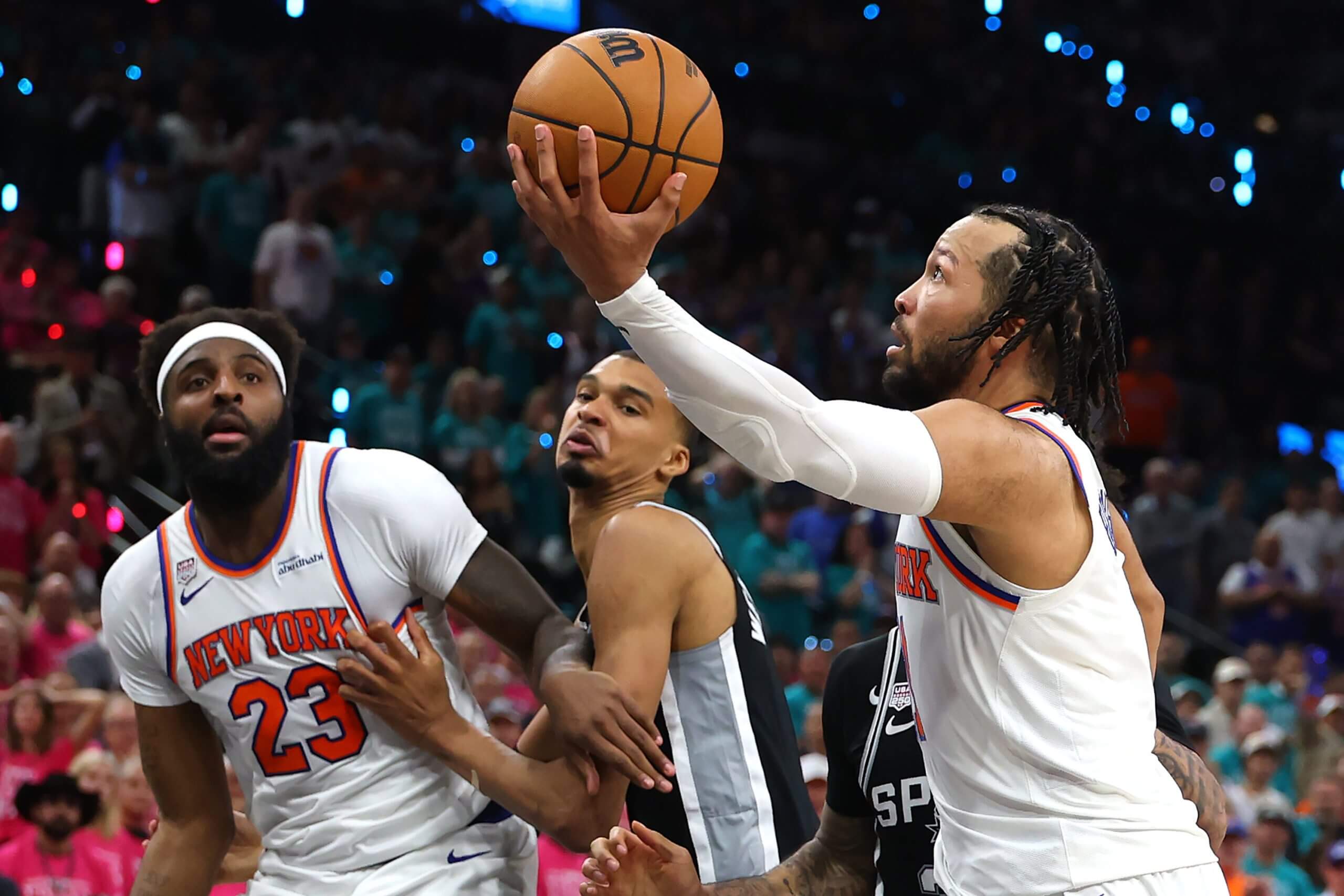
San Antonio was supposed to be the future. Victor Wembanyama and the Spurs arrived in the 2026 Finals as the league’s new obsession, yet it was Brunson’s old-soul game that set the early terms. In Game 1 on June 3, the Knicks erased a 14-point deficit to win 105-95, with Brunson scoring 30 points, 13 of them in the fourth quarter, including a cold-blooded pull-up jumper with about 30 seconds left that sealed it, according to ESPN and NBA.com.
Game 2 on June 5 was uglier and somehow better. Brunson shot a miserable 7-of-25 from the field, yet still finished with 20 points, six assists and five steals, hit the game-tying jumper late, then added the free throw that put New York ahead 105-104. Wembanyama’s potential winner missed at the death, and the Knicks left Texas with a 2-0 lead, as reported by NBA.com and Fox News. That is the Brunson experience in miniature: the shot may not fall all night, but the last one usually does. The NBA named him the league’s Clutch Player of the Year in 2025 for exactly this habit, and the opening games of the Finals doubled as a live demonstration.
The context explains the noise around the series. Before this run the Knicks had not hosted a Finals game since 1999, a 27-year wait that turned every playoff night at the Garden into something close to a religious event, and turned Brunson into the most beloved Knick of his generation.
Son of a Journeyman: The Rick Brunson Blueprint
Born on August 31, 1996 in New Brunswick, New Jersey, Jalen Marquis Brunson grew up inside professional basketball’s least glamorous reality. His father, Rick Brunson, went undrafted out of Temple and scrapped through a nine-year NBA career as a deep-bench guard, suiting up for several franchises and, in a twist that now feels scripted, sitting on the roster of the 1999 Knicks team that made New York’s last Finals appearance before this one.
Rick’s career meant constant movement, and Jalen’s childhood was a tour of NBA cities. What it also meant was an education most prospects never get. Rick drilled his son relentlessly on the unfashionable parts of the game: footwork, pivots, pace, body control, the geometry of getting a shot off against bigger men. The family eventually settled in Illinois, where Jalen became a decorated star at Adlai E. Stevenson High School in Lincolnshire.
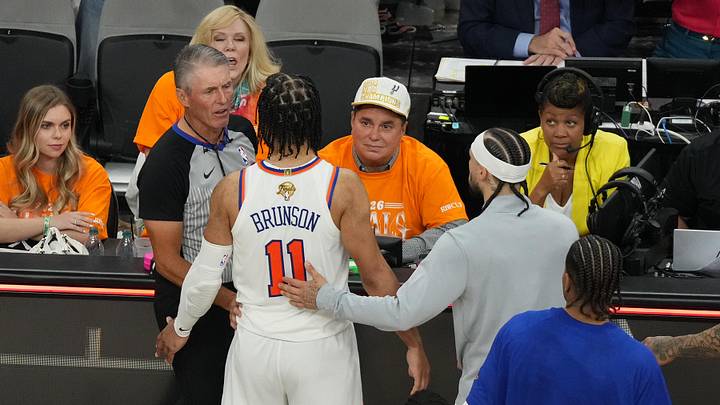
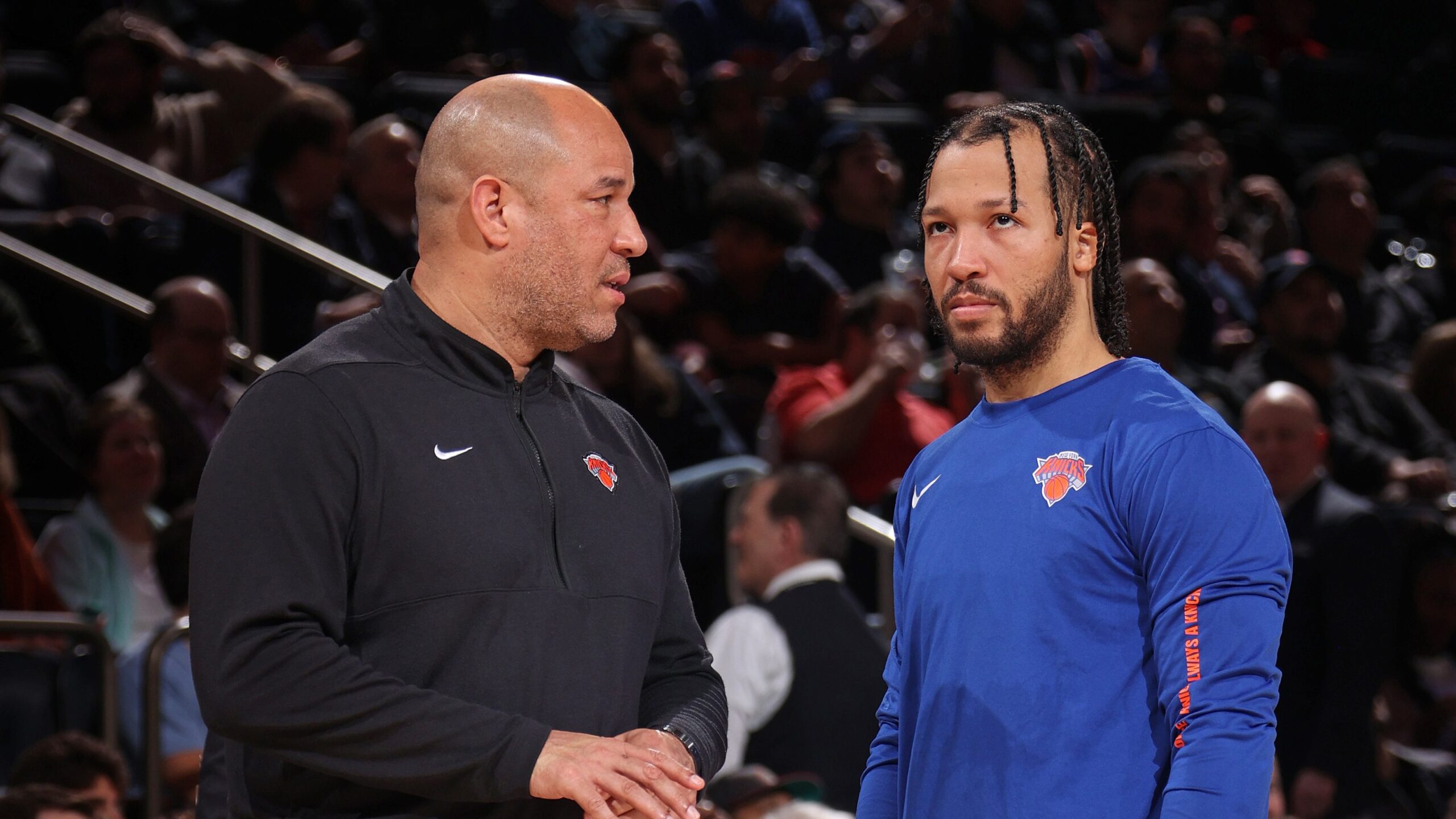
The blueprint never stopped mattering, because Rick never left. He joined Tom Thibodeau’s Knicks staff as an assistant coach in 2022, weeks before his son signed in New York, and he remains on the bench today under head coach Mike Brown. The relationship has even produced Finals theatre. After Game 1, The Athletic reported that Mike Brown publicly thanked Rick for bluntly telling him to stop arguing with the referees and focus on coaching, a story Brown laughed about and confirmed. Few superstars in any sport get to chase a title with their father seated a few feet away. Fewer still owe that father their entire stylistic identity.
The Villanova Machine
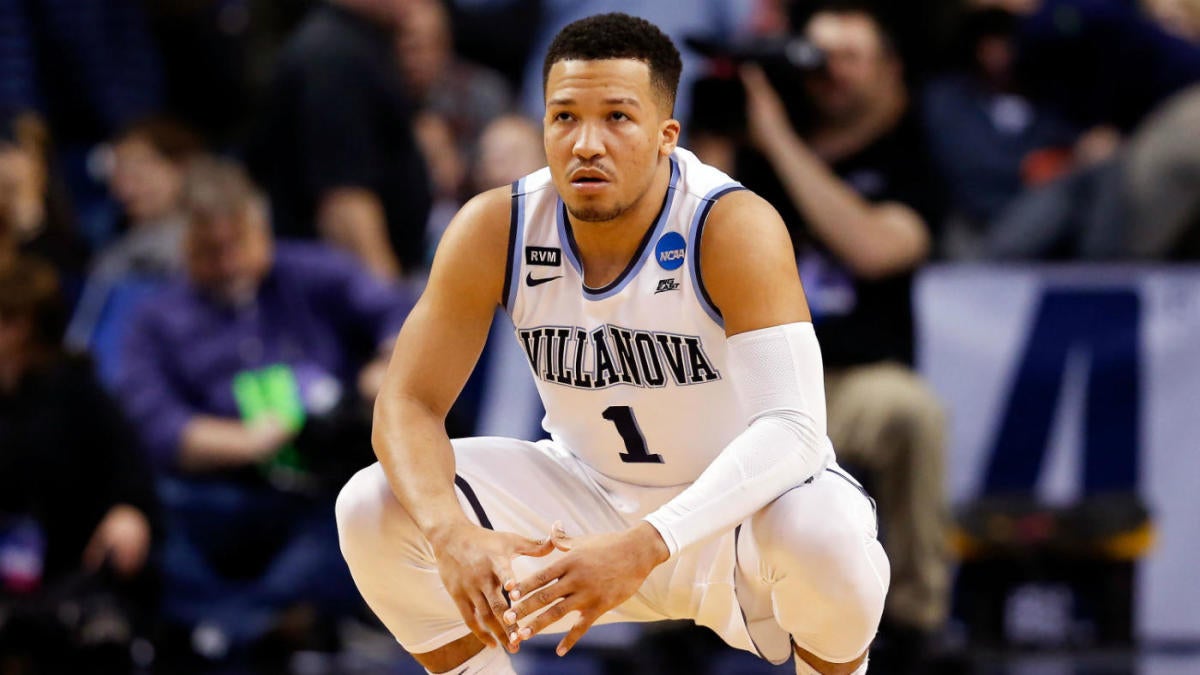
College recruiters saw a strong high school resume but a modest athlete, and Brunson landed at Villanova rather than a traditional one-and-done factory. It turned out to be a perfect marriage. Under Jay Wright, Villanova ran a program built on toughness, shared sacrifice and old-fashioned skill development, and Brunson became its ultimate product.
As a freshman in 2016 he was part of the Wildcats team that won the NCAA national championship on Kris Jenkins’ famous buzzer-beater. Two years later, as a junior, he ran the show on one of the most dominant college teams of the modern era, winning a second national title in 2018 and sweeping the major individual honours, including the Wooden Award and Naismith Award as national player of the year, per his Villanova athletics profile and Britannica.
Just as important for the story that followed, Villanova is where he met Josh Hart, Mikal Bridges and Donte DiVincenzo, teammates who would later reunite with him in New York and turn the Knicks locker room into a college reunion. The habits formed there, the extra passes, the deflections, the refusal to skip steps, are still visible in how Brunson plays today.
Falling to Pick 33 and Never Forgetting It
Two championships and a national player of the year trophy bought Brunson almost nothing on draft night. NBA front offices in 2018 wanted length, bounce and upside, and a 6-foot-2 guard who had already peaked, in their view, as a 21-year-old was an easy pass. Thirty-two names were called before the Dallas Mavericks took him 33rd overall, in the second round, where contracts are smaller and guarantees are thinner.
Brunson has worn that number like a brand ever since. He spent four seasons in Dallas, mostly as a backup and secondary option behind Luka Doncic, steadily improving until the 2022 playoffs, when injuries opened a window and he poured in big scoring nights to help push the Mavericks to the Western Conference finals. Dallas had chances to extend him cheaply and waited. That hesitation changed NBA history.
In July 2022 the Knicks, with Rick Brunson newly on staff and Villanova connections everywhere, signed him to a four-year, $104 million deal. Much of the league called it an overpay for a career backup. It now looks like one of the great free agency bargains of the era: a fringe starter became, within two seasons, a 26-plus point scorer, an All-NBA fixture and the most beloved Knick in a generation, with a stretch of four consecutive 40-point playoff games in the spring of 2024 that turned Madison Square Garden delirious.
Ad SpaceIn-Article - 300x250
Advertisement
The Contract That Bought a Contender
What Brunson did in July 2024 may end up defining his legacy as much as anything he does in this series. Eligible to wait one year and sign a five-year extension projected at roughly $269 million, he instead agreed to a four-year extension worth about $156.5 million, leaving approximately $113 million in guaranteed money on the table, as reported by ESPN. The deal, which includes a player option on the final year, gave the Knicks the salary cap breathing room to keep building a genuine contender around him.
Players simply do not do this. Stars in every sport squeeze the maximum, and nobody blames them. Brunson, whose camp framed the decision as a bet on winning and on future earnings, essentially bought his franchise roster flexibility with his own money. The front office spent that flexibility aggressively, and the roster that has stormed through the 2026 playoffs is the direct result. New Yorkers, who can spot a fake from a borough away, noticed. The discount is a core reason the Garden treats him less like an employee and more like family.
His personal finances have hardly suffered. Spotrac lists his 2025-26 salary at roughly $34.9 million, the first season of that extension, and outlets such as EssentiallySports estimate his net worth at around $18 million as of 2026, with a reported $2 million to $3 million per year in endorsements from brands including Nike, where he fronts campaigns for the Kobe sneaker line. All such net worth figures are estimates rather than audited fact, but the direction of travel is not in dispute.
Captain of the Garden
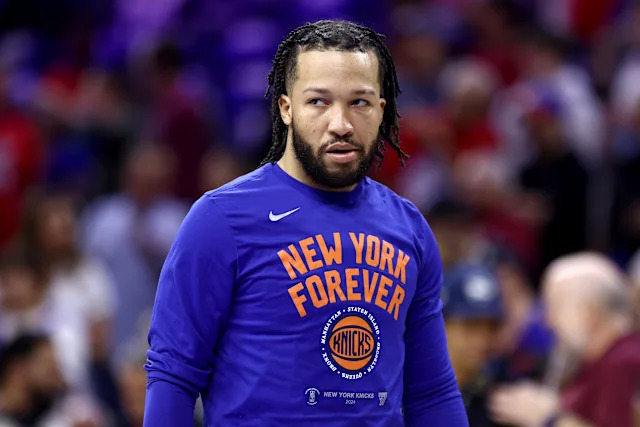
In August 2024, days after the extension, the Knicks named Brunson the 36th captain in franchise history, their first since Lance Thomas in the 2018-19 season, per ESPN and MSG Sports. It formalised what everyone already knew: this was his team.
The seasons since have steadily raised the ceiling. In 2024-25 he won the Jerry West Trophy as Clutch Player of the Year, beating out Anthony Edwards and Nikola Jokic after leading the NBA with 5.6 points per game in clutch situations, per NBA.com, and the Knicks reached the Eastern Conference finals before falling to Indiana. The franchise responded by replacing Tom Thibodeau with Mike Brown, a gamble that has paid off spectacularly.
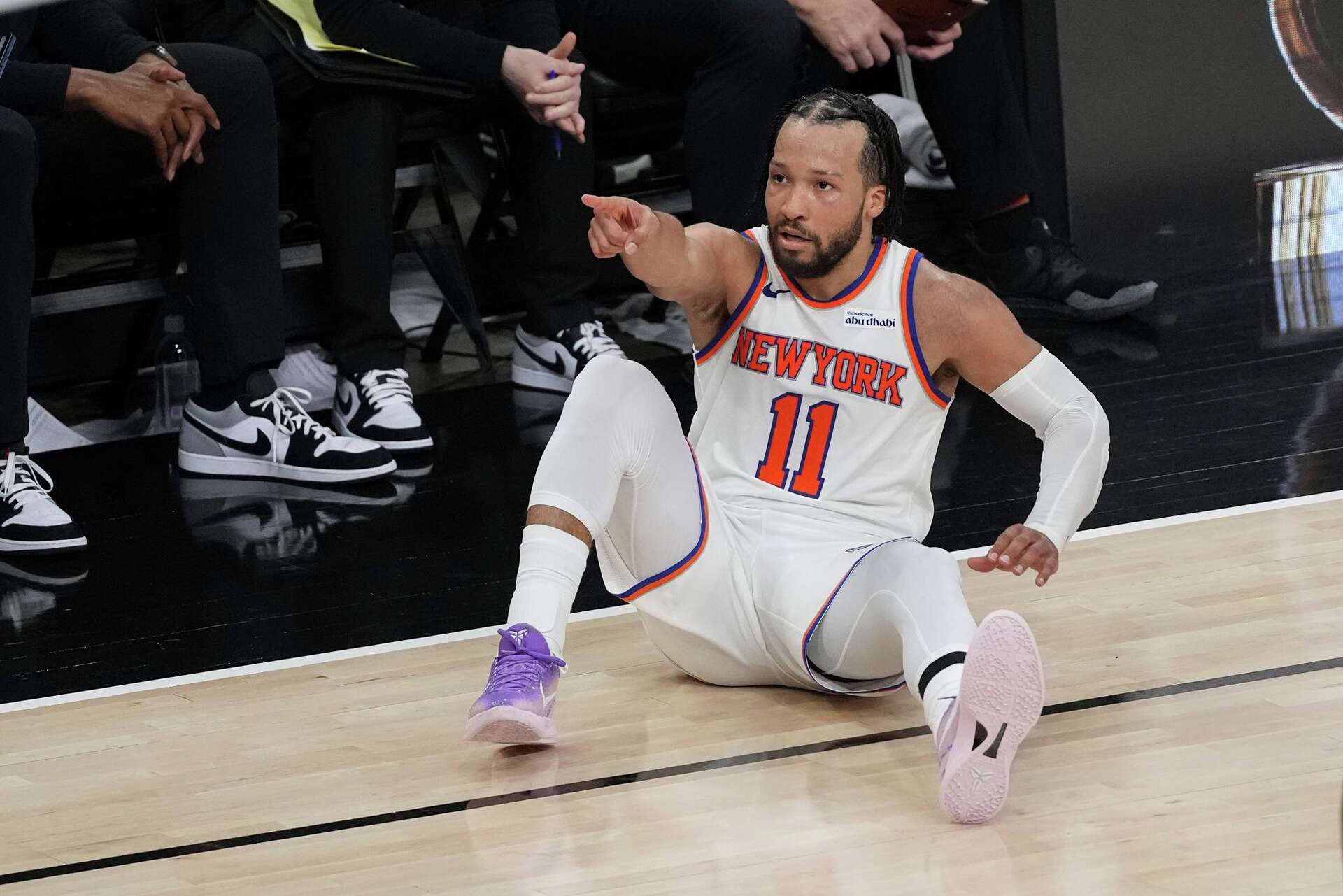
In 2025-26 Brunson averaged 26 points and 6.8 assists across 74 games of a 53-29 season and earned his third straight All-NBA Second Team selection, per SNY and Yahoo Sports. Then came a postseason rampage: a six-game dismissal of Atlanta, a sweep of Philadelphia, and a four-game demolition of Cleveland in the conference finals that sent New York to its first Finals since 1999. Brunson averaged 25.5 points and 7.8 assists in that Cavaliers series and was named Eastern Conference finals MVP, while the team ripped off an 11-game winning streak with a points differential the league had reportedly never seen over any 11-game playoff stretch.
The Game: Footwork, Pace and the Foul-Baiting Debate
Nothing about Brunson’s game is explosive, which is precisely what makes it fascinating. He wins with footwork his father installed two decades ago: jab steps, pivots, shoulder fakes and sudden changes of pace that leave longer, faster defenders stranded. His mid-range pull-up is one of the most reliable shots in basketball, his floater is among the league’s prettiest, and he has become a genuinely dangerous three-point shooter off the dribble. Add a low centre of gravity that lets him burrow into bigger defenders, and you get a small guard who consistently generates good shots against any coverage.
Honesty requires mentioning the criticism too. Brunson draws a high volume of fouls, and a vocal section of the NBA world considers him a foul-baiter who exaggerates contact to win whistles. The debate flared again during the Cleveland series and has followed him into the Finals, where Spurs guard Stephon Castle pointedly said Brunson hunts fouls less than other stars he has guarded, per ClutchPoints. The numbers offer Brunson some defence: only 18.6 percent of his points in the 2026 postseason have come at the free throw line, down from 22.6 percent a year ago, according to analysis by Posting and Toasting. His own answer is simpler. “I’m not a foul baiter. I just play by the rules,” he told reporters. Like James Harden before him, he has learned that mastering the rulebook’s grey areas is a skill that wins games and loses admirers in equal measure.
Off the Court: Ali, Jordyn, the Podcast and the Foundation
The off-court life is as steady as the on-court hand. Brunson married Ali Marks on July 29, 2023 at the Ritz-Carlton in Chicago, capping a romance that began when they were teenagers at Stevenson High School in Illinois. Ali is accomplished in her own right: she earned a Doctor of Physical Therapy degree from Northwestern University in 2021 and founded the AMB Method, a fitness and wellness platform. The couple welcomed their first child, daughter Jordyn James Brunson, on July 31, 2024, and ahead of these Finals the New York Post ran a full-page tribute naming Ali and Josh Hart’s wife Shannon the “Queens of New York.”
Hart features heavily in the other side of Brunson’s public life too. The pair co-host the Roommates Show, a weekly podcast with Matt Hillman that has become one of the most popular athlete-led shows in sports media, now in its third season with a sold-out live Block Party behind it and a Fanatics Fest taping with Yankees captain Aaron Judge scheduled for July. Two starters podcasting their way through a Finals run would have been unthinkable a decade ago; somehow it has only deepened the sense that this Knicks core actually likes each other.
Then there is the cause closest to his draft-night scar. Brunson co-founded the Second Round Foundation, named for the round in which the league undervalued him, to create opportunities for young people through education, sport and community programmes across the Tri-State area. He is also involved with Madison Square Garden’s Garden of Dreams Foundation. The kid who fell to pick 33 has effectively institutionalised the chip on his shoulder and pointed it at philanthropy.
What a Ring Would Mean
History is sitting right there. The Knicks have not won a championship in 53 years, a drought that has outlasted entire dynasties, and no athlete in New York carries the city’s hopes quite like its undersized captain. A title would complete one of the cleanest narrative arcs sport can offer: the journeyman’s son, schooled in basements and empty gyms, doubted at every level, who took less money so his team could chase exactly this.
Whatever the 2026 Finals etch beside his name, the ledger already reads like a parable. The 33rd pick outplayed his draft slot by nine figures, took less money so the roster around him could cost more, and turned half a century of New York frustration into belief. Somewhere in the building on Finals nights sits Rick Brunson, watching his son attempt what his own 1999 team could not finish. Few players have ever earned the moment more thoroughly. The name gets called early now.
Ad SpaceIn-Article - 300x250
Advertisement
Share
Get the recap
Loved this story? Get more like it.
Join readers who get our weekly entertainment recap - the stories worth your time, delivered every Friday.
No spam. Unsubscribe anytime. By signing up you agree to our Privacy Policy.