Table of Contents
- The Evolution of an Atlanta Icon
- Collaborative Magic: When Hip-Hop Met Pop Royalty
- Chart Dominance and Cultural Impact
- Behind the Creative Process
- A Lasting Musical Legacy
The Evolution of an Atlanta Icon
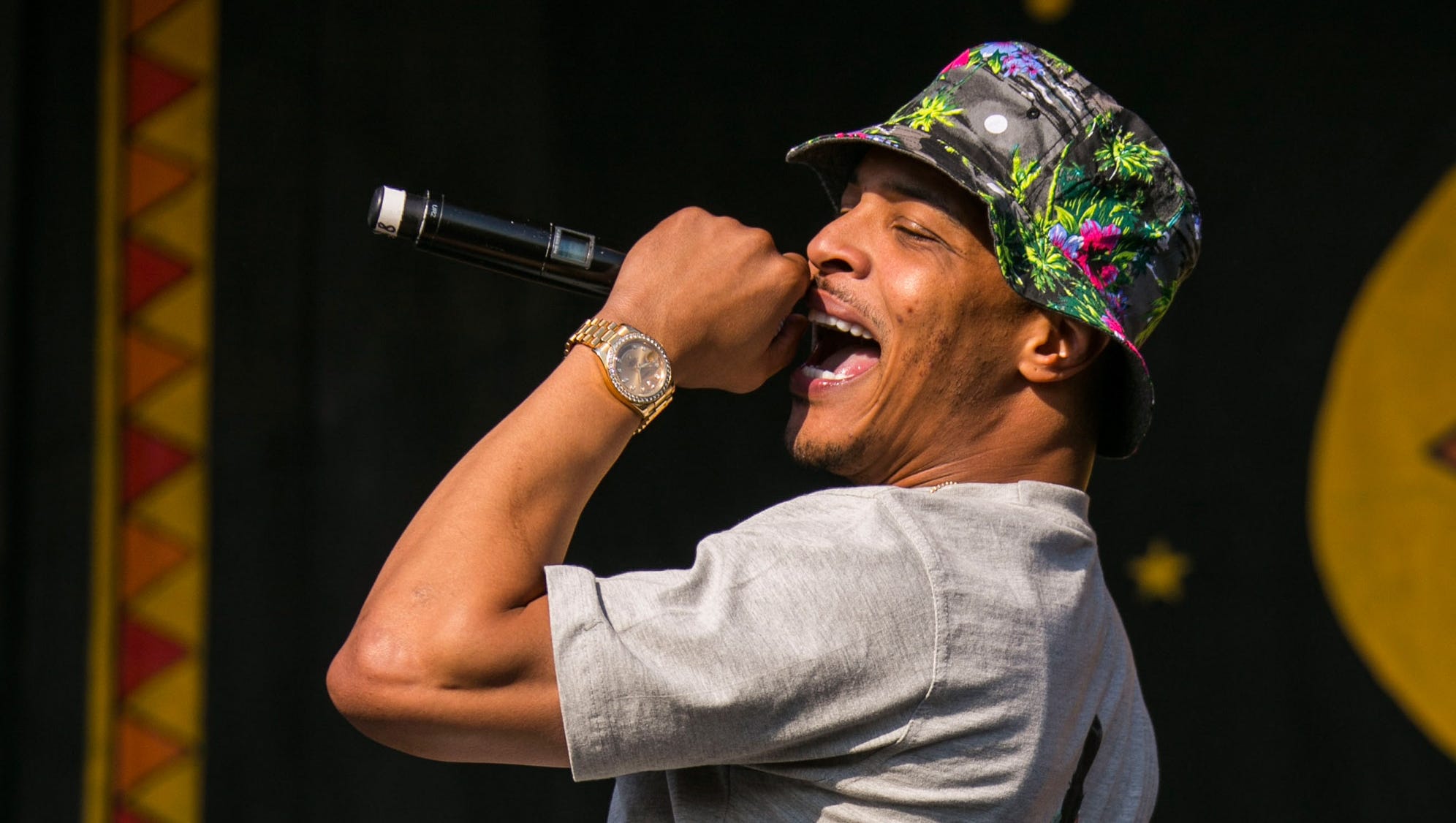
Few artists have managed to maintain relevance across multiple decades while continuously evolving their sound, but Clifford “T.I.” Harris has proven himself to be one of hip-hop’s most adaptable and enduring figures. The Atlanta native recently took fans on a nostalgic journey through his extensive catalog, sharing intimate details about the creation of his most memorable tracks and the pivotal decision to transform his stage persona from T.I.P. to the more streamlined T.I. This artistic metamorphosis wasn’t just about branding - it represented a fundamental shift in how he approached his craft and connected with audiences worldwide. The change coincided with some of his most commercially successful and culturally significant releases, establishing him as both a Southern rap pioneer and a mainstream crossover artist.
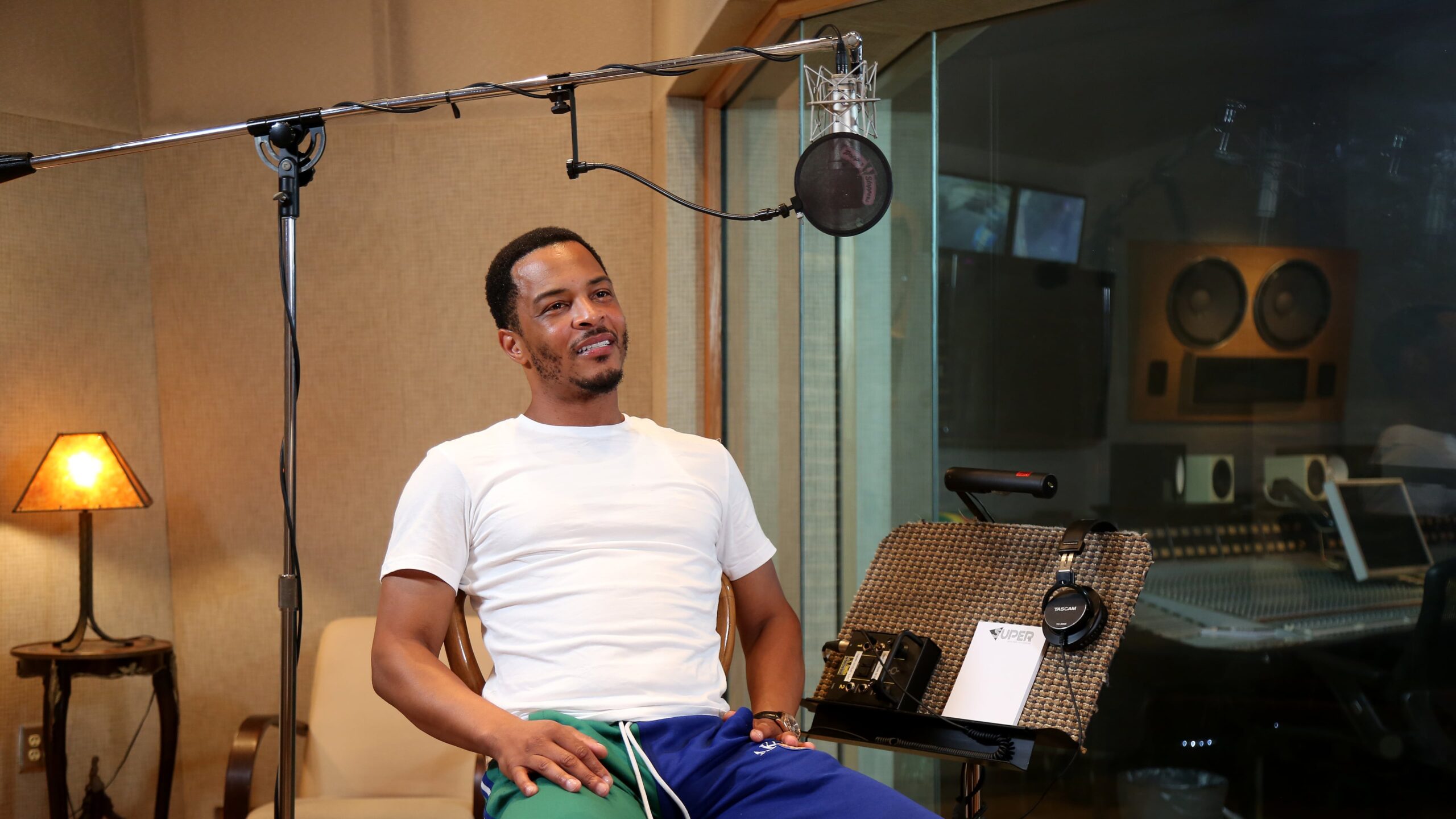
The transition from T.I.P. to T.I. marked more than just a nomenclature change; it signified the artist’s growing confidence in his ability to bridge the gap between street credibility and mass appeal. During this period, T.I. began crafting songs that could dominate both urban radio and mainstream charts, a delicate balance that many rap artists struggle to achieve. His willingness to experiment with different sounds and collaborate with artists from various genres set the stage for a series of hits that would define not just his career, but also influence the broader trajectory of hip-hop’s integration into popular culture. The King of the South, as he became known, was ready to expand his kingdom beyond regional boundaries.
Collaborative Magic: When Hip-Hop Met Pop Royalty
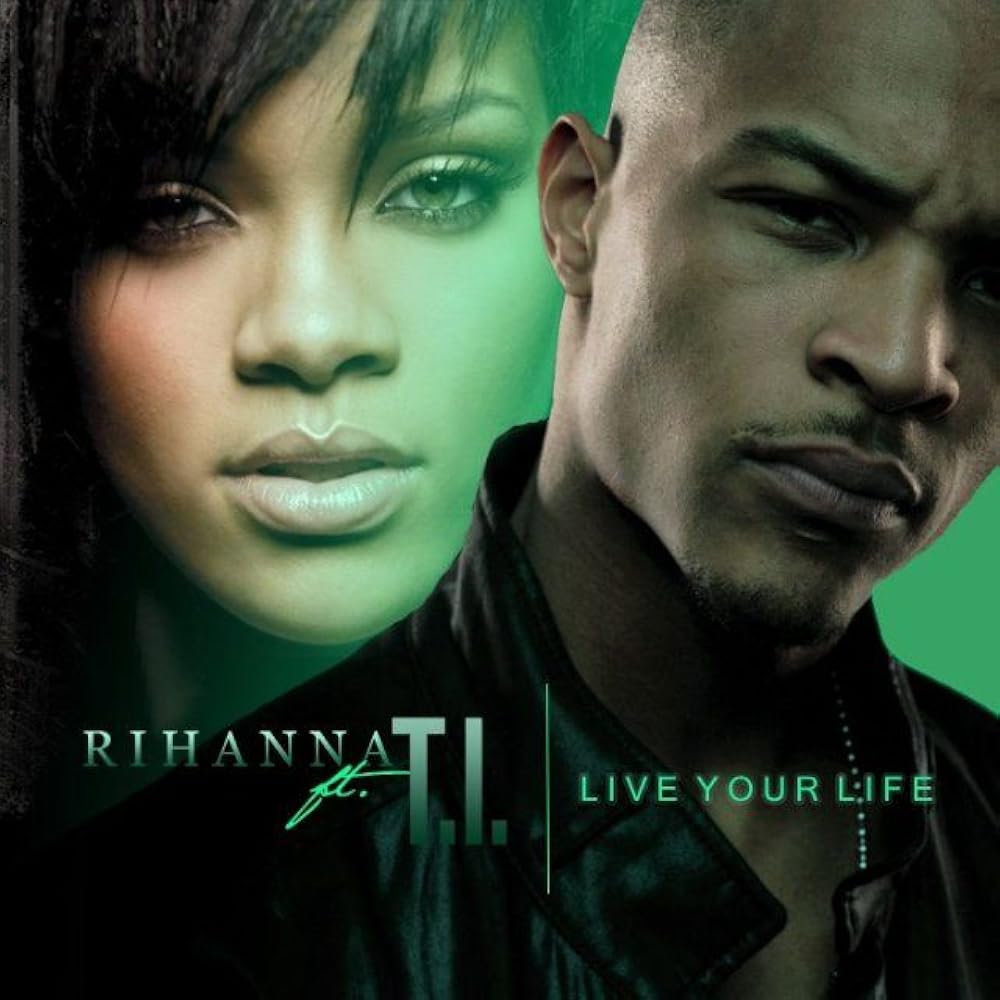
The magic of T.I.’s biggest hits often lay in his ability to seamlessly blend his distinctive Southern drawl and lyrical prowess with the star power of pop and R&B royalty. His collaboration with Rihanna on “Live Your Life” became a testament to this approach, creating a perfect storm of infectious energy and cross-demographic appeal. The track’s success wasn’t accidental - it represented a carefully crafted fusion of T.I.’s street-smart verses with Rihanna’s soaring vocals, set against a backdrop that sampled O-Zone’s “Dragostea Din Tei,” creating an unexpectedly global sound. The song’s message of resilience and living life to the fullest resonated during a time when both artists were at pivotal points in their careers, with T.I. facing legal challenges and Rihanna establishing herself as a pop force.
Similarly, his work with Justin Timberlake on “Dead and Gone” showcased T.I.’s versatility in adapting to different musical landscapes while maintaining his authentic voice. The collaboration came at a time when Timberlake was exploring his own artistic boundaries post-*NSYNC, and T.I. was proving that Southern rap could compete on any stage. The song’s introspective nature, dealing with themes of redemption and moving forward from past mistakes, felt particularly poignant given T.I.’s personal circumstances at the time. These high-profile collaborations weren’t just about commercial success - they demonstrated T.I.’s ability to elevate his partners’ work while allowing them to bring out different facets of his artistry.
Chart Dominance and Cultural Impact
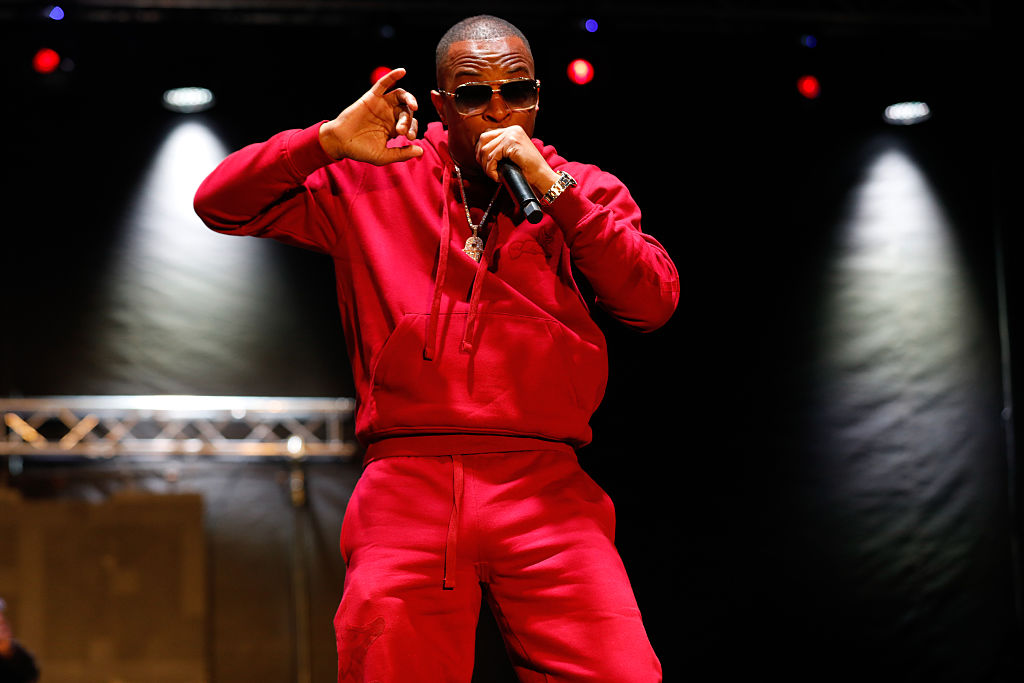
When examining T.I.’s chart history, “Whatever You Like” stands out as perhaps the perfect encapsulation of his ability to create both a street anthem and a radio-friendly hit. The track’s lavish promises and confident delivery captured the excess of the mid-2000s while showcasing T.I.’s knack for crafting memorable hooks. The song’s success wasn’t limited to hip-hop audiences - it crossed over to become a cultural phenomenon, inspiring countless covers, parodies, and social media references that continue to this day. Its impact extended beyond music charts, becoming a soundtrack to a particular moment in American culture when aspirational luxury and hip-hop bravado reached new heights of mainstream acceptance.