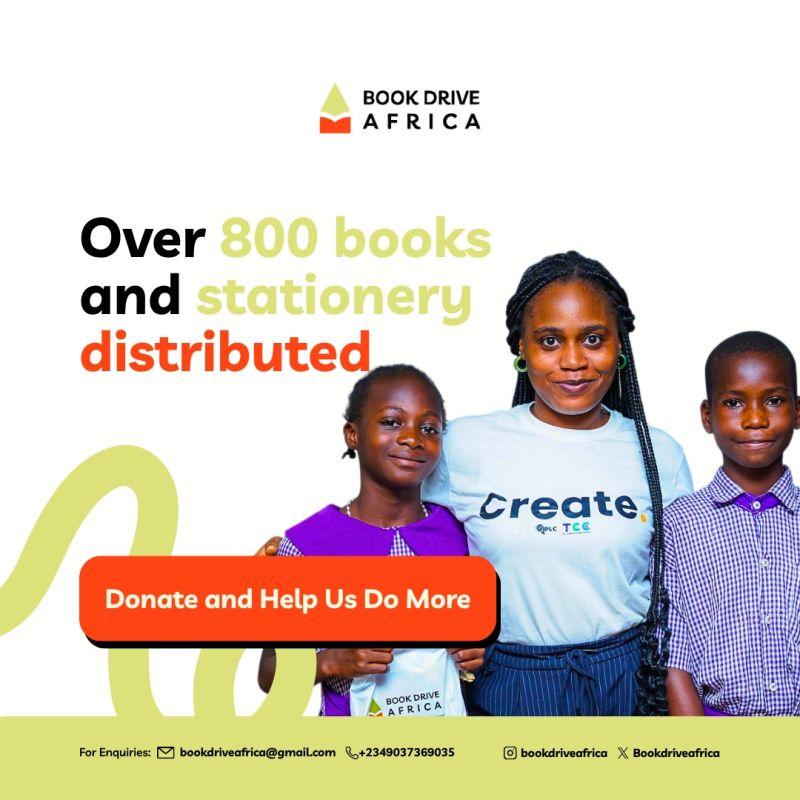
In an era where entertainment personalities increasingly leverage their platforms for social good, Faith Nwani has emerged as a passionate advocate for children’s literacy across Africa. The dynamic figure behind Book Driva Africa represents a growing movement of African entertainers and public figures who recognize their unique position to drive meaningful change in their communities. Nwani’s initiative reflects a broader understanding that literacy serves as the foundation for all other forms of education and personal development. Her commitment to ensuring every African child has access to books demonstrates how modern celebrity activism can extend far beyond traditional charitable gestures to create systemic change. The entertainment industry’s influence on young minds makes figures like Nwani particularly well-positioned to champion causes that directly impact children’s futures.
The Book Driva Africa Vision
Book Driva Africa represents more than just another charitable organization - it embodies a comprehensive approach to addressing literacy gaps across the African continent. The initiative recognizes that access to books remains a fundamental barrier to education in many African communities, where libraries are scarce and purchasing power limits families’ ability to build home libraries. Nwani’s vision extends beyond simply distributing books to creating sustainable systems that ensure continuous access to reading materials for children across different socioeconomic backgrounds. The program aims to establish reading culture as a cornerstone of childhood development, understanding that early exposure to books correlates directly with academic success and broader life opportunities. This holistic approach distinguishes Book Driva Africa from traditional literacy programs by focusing on long-term accessibility rather than one-time interventions.
Addressing Africa’s Reading Challenge
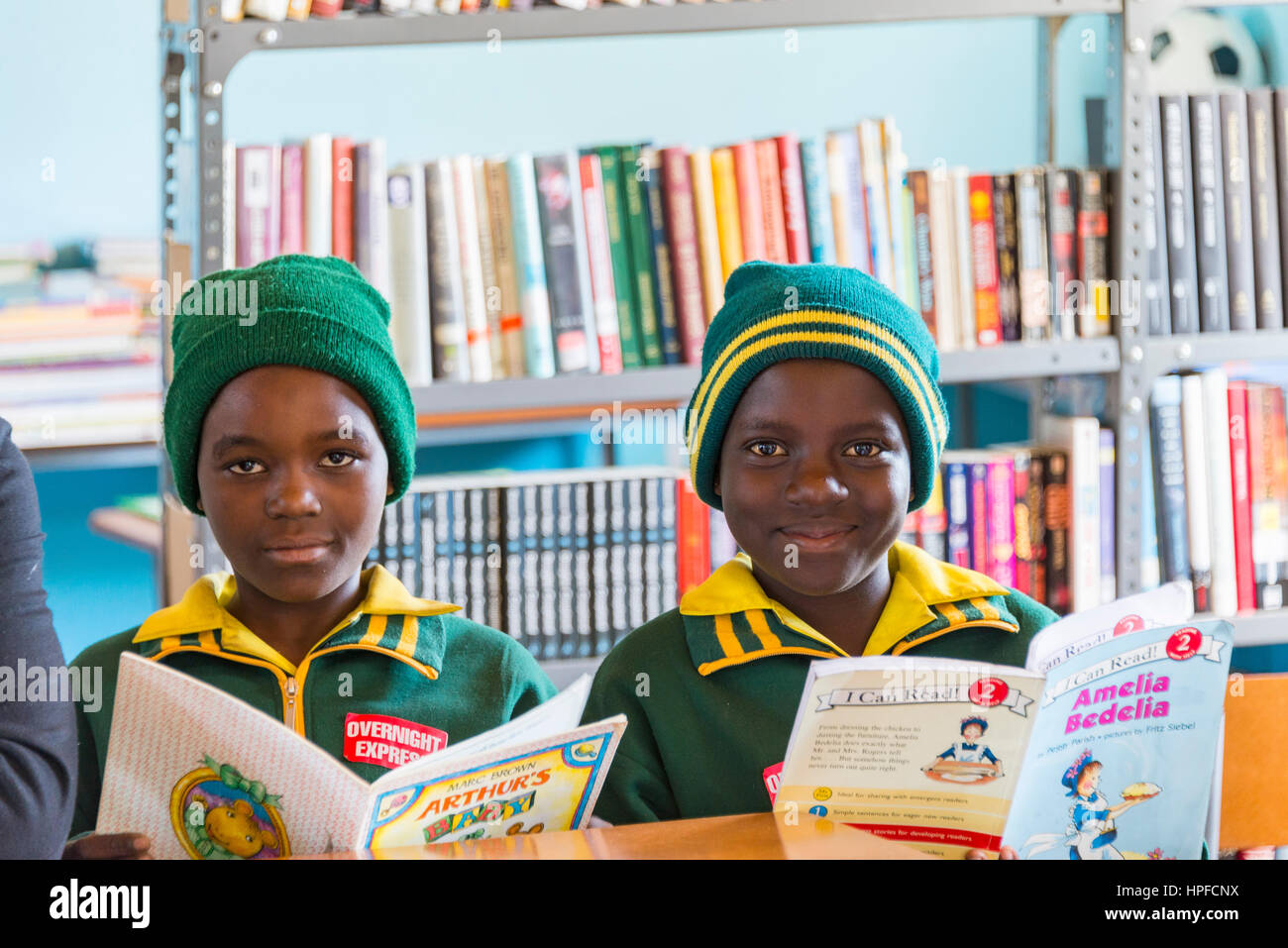
The statistics surrounding childhood literacy in Africa paint a sobering picture that underscores the urgency of initiatives like Book Driva Africa. According to various educational studies, millions of African children complete primary school without developing basic reading competencies, creating a cycle of educational disadvantage that affects entire generations. The shortage of age-appropriate books in local languages compounds this challenge, as children struggle to connect with reading materials that don’t reflect their cultural experiences or linguistic backgrounds. Rural communities face particularly acute shortages, with some schools operating without libraries or even basic textbooks for core subjects. Nwani’s initiative directly confronts these systemic issues by prioritizing both accessibility and cultural relevance in book distribution. The program recognizes that effective literacy development requires materials that resonate with children’s lived experiences while simultaneously expanding their worldview.
Ad SpaceIn-Article - 300x250
Advertisement
Image: Alamy
The Transformative Power of Books
Research consistently demonstrates that early exposure to books creates far-reaching developmental benefits that extend well beyond basic reading skills. Children who have regular access to books develop stronger vocabulary, improved critical thinking abilities, and enhanced emotional intelligence through exposure to diverse characters and situations. The act of reading fosters empathy by allowing children to experience different perspectives and understand complex human emotions in safe, controlled environments. Furthermore, books serve as windows to worlds beyond children’s immediate surroundings, inspiring dreams and ambitions that might otherwise remain unexplored. Nwani’s understanding of these transformative effects drives her commitment to ensuring no child is denied access to these life-changing resources. The ripple effects of childhood reading extend into adulthood, influencing career choices, communication skills, and overall quality of life in measurable ways.
Image: LinkedIn
Building Sustainable Change
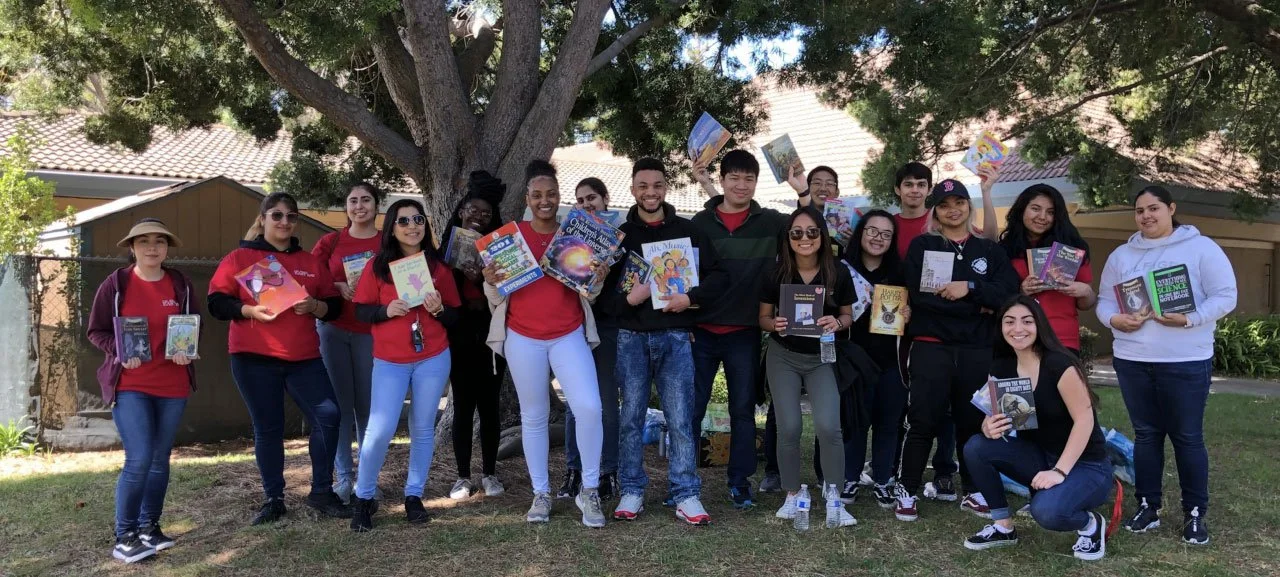
The success of Book Driva Africa depends on creating sustainable distribution networks that can operate effectively across diverse African contexts. Rather than relying solely on top-down distribution models, the initiative emphasizes community partnerships that leverage existing social structures and local knowledge. This approach includes collaborating with schools, community centers, religious organizations, and local government agencies to establish reading corners and mini-libraries in accessible locations. The program also recognizes the importance of training local volunteers and educators to maximize the impact of book distribution efforts. Technology integration plays a crucial role in the modern iteration of literacy programs, with digital platforms complementing physical books to reach children in remote areas. Nwani’s strategy acknowledges that sustainable change requires building local capacity rather than creating dependency on external support systems.
Image: African Library Project
Looking Ahead: A Literary Revolution
The long-term vision for Book Driva Africa extends beyond immediate literacy improvements to encompass broader social transformation through education. Nwani envisions a generation of African children who grow up with ready access to books, developing into confident readers who can compete globally while maintaining strong connections to their cultural heritage. The initiative’s success could serve as a model for similar programs across the developing world, demonstrating how targeted interventions can address systemic educational challenges. Success metrics for the program include not only the number of books distributed but also improvements in reading comprehension scores, increased school retention rates, and enhanced creative expression among participating children. The ultimate goal involves creating self-sustaining reading cultures within communities, where the love of books passes naturally from one generation to the next. Nwani’s commitment to this cause reflects a broader understanding among African entertainment figures that their influence carries responsibility for uplifting entire communities and shaping the continent’s future trajectory.
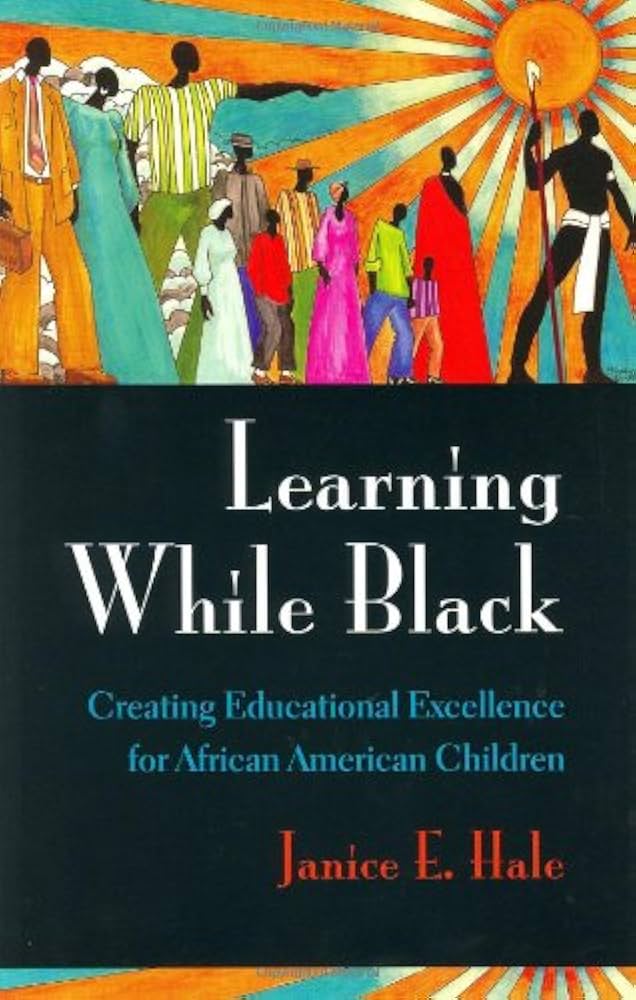
Image: Amazon.com
Ad SpaceIn-Article - 300x250
Advertisement
Share
Get the recap
Loved this story? Get more like it.
Join readers who get our weekly entertainment recap - the stories worth your time, delivered every Friday.
No spam. Unsubscribe anytime. By signing up you agree to our Privacy Policy.