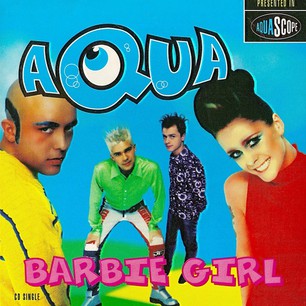
In a move that has sent shockwaves through the global pop music community, Aqua, the Danish-Norwegian quartet responsible for one of the most iconic and divisive pop anthems of the 1990s, has officially announced their decision to disband as a live performing act. The group, which became synonymous with the infectious energy of Eurodance and the unforgettable earworm “Barbie Girl,” revealed in an emotional statement that they are closing the chapter on three decades of musical collaboration. Their announcement marks the end of an era for fans who grew up dancing to their distinctive blend of playful pop melodies and electronic beats that helped define the sound of late 90s club culture.
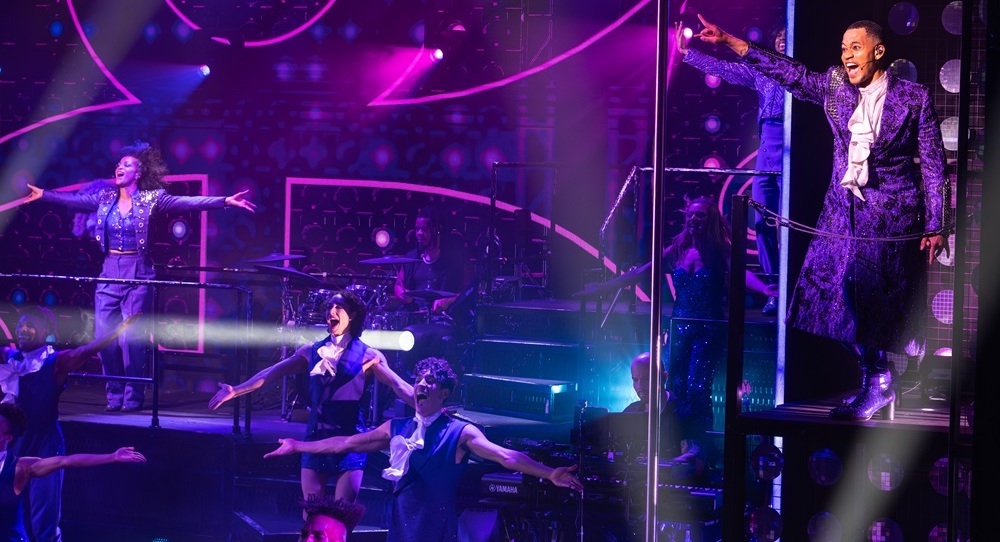
Image: Wikipedia
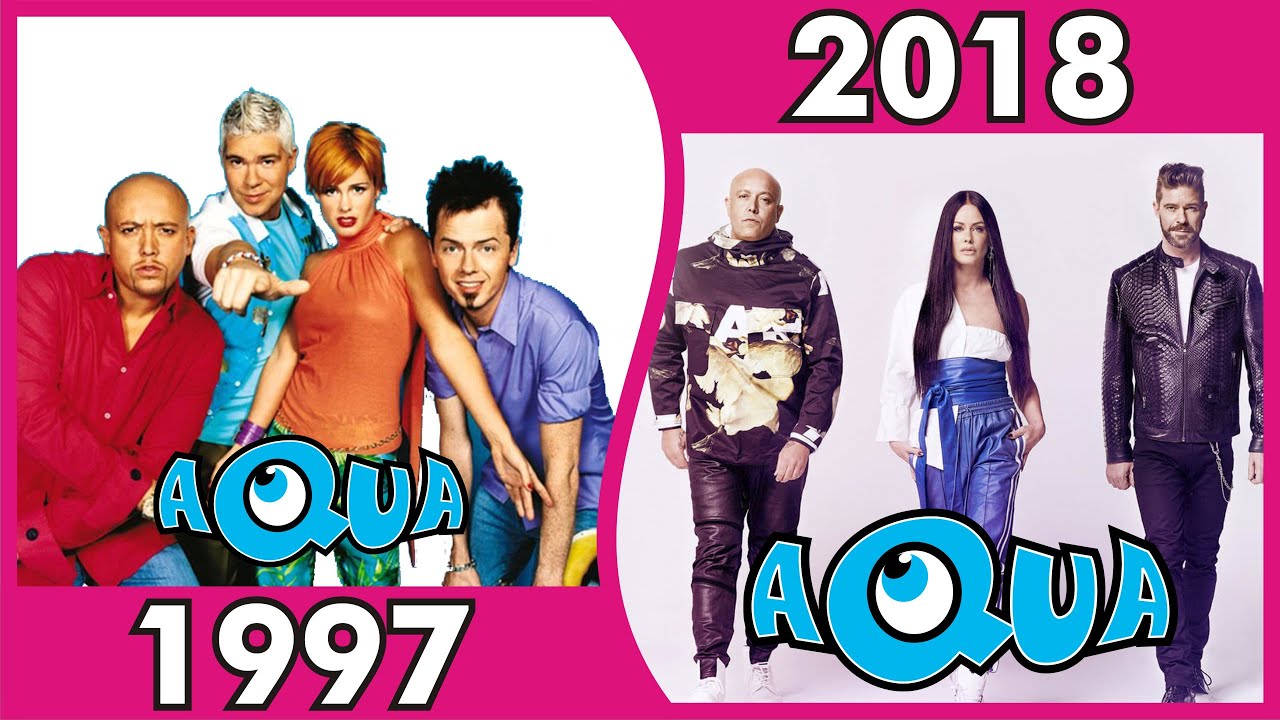
The decision comes as both a surprise and an inevitability for longtime followers of the group, who have witnessed Aqua’s journey from underground dance act to global superstars and back to a more selective touring schedule in recent years. While the band members - René Dif, Lene Nystrøm, Søren Rasted, and Claus Norreen - haven’t ruled out future studio collaborations, their statement made it clear that their days of touring and live performances have come to a definitive close. The announcement has prompted an outpouring of nostalgia from fans across multiple generations, many of whom credit Aqua with providing the soundtrack to their youth during the height of the Eurodance movement.
The “Barbie Girl” Phenomenon That Defined a Generation
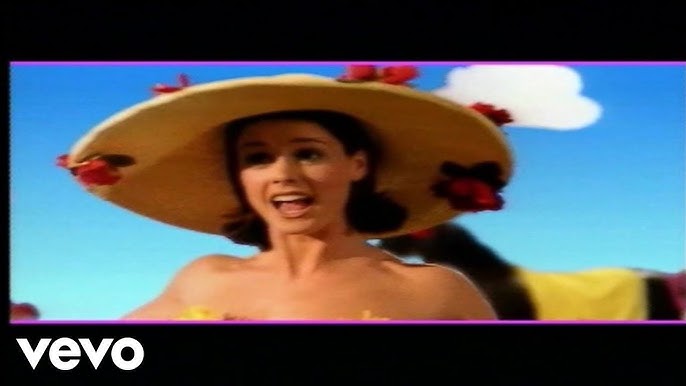
When Aqua released “Barbie Girl” in 1997, few could have predicted that the satirical, candy-colored pop confection would become one of the most recognizable songs in popular music history. The track’s deliberately artificial aesthetic, complete with Lene Nystrøm’s high-pitched vocals and René Dif’s contrasting deeper tones, created a musical dialogue that was simultaneously infectious and subversive. The song’s success was meteoric, climbing to number one in charts across Europe, Australia, and numerous other countries, while sparking intense debate about its themes, artistic merit, and cultural significance. What began as a playful commentary on consumerism and beauty standards evolved into a genuine phenomenon that transcended traditional pop music boundaries.
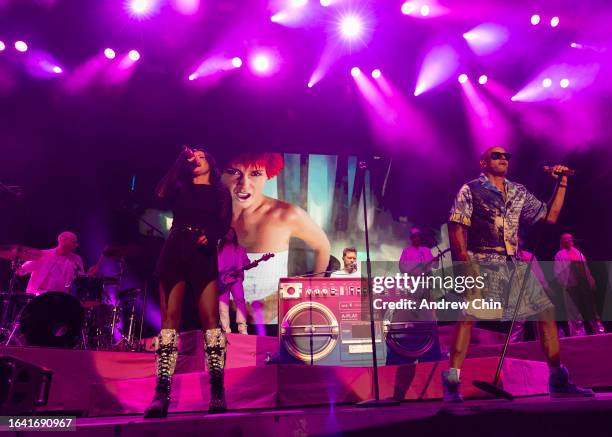
Image: YouTube
The controversy surrounding “Barbie Girl” only amplified its cultural impact, particularly when toy manufacturer Mattel filed a lawsuit against the group, claiming the song violated their trademark and damaged the Barbie brand’s reputation. This legal battle, which ultimately ruled in favor of Aqua under fair use provisions, generated countless headlines and cemented the song’s place in pop culture history as both a musical achievement and a statement about artistic freedom. The track’s lasting power is evidenced by its continued presence in movies, television shows, and social media content, with new generations discovering its irresistible hook and memorable lyrics decades after its initial release.
Three Decades of Musical Evolution
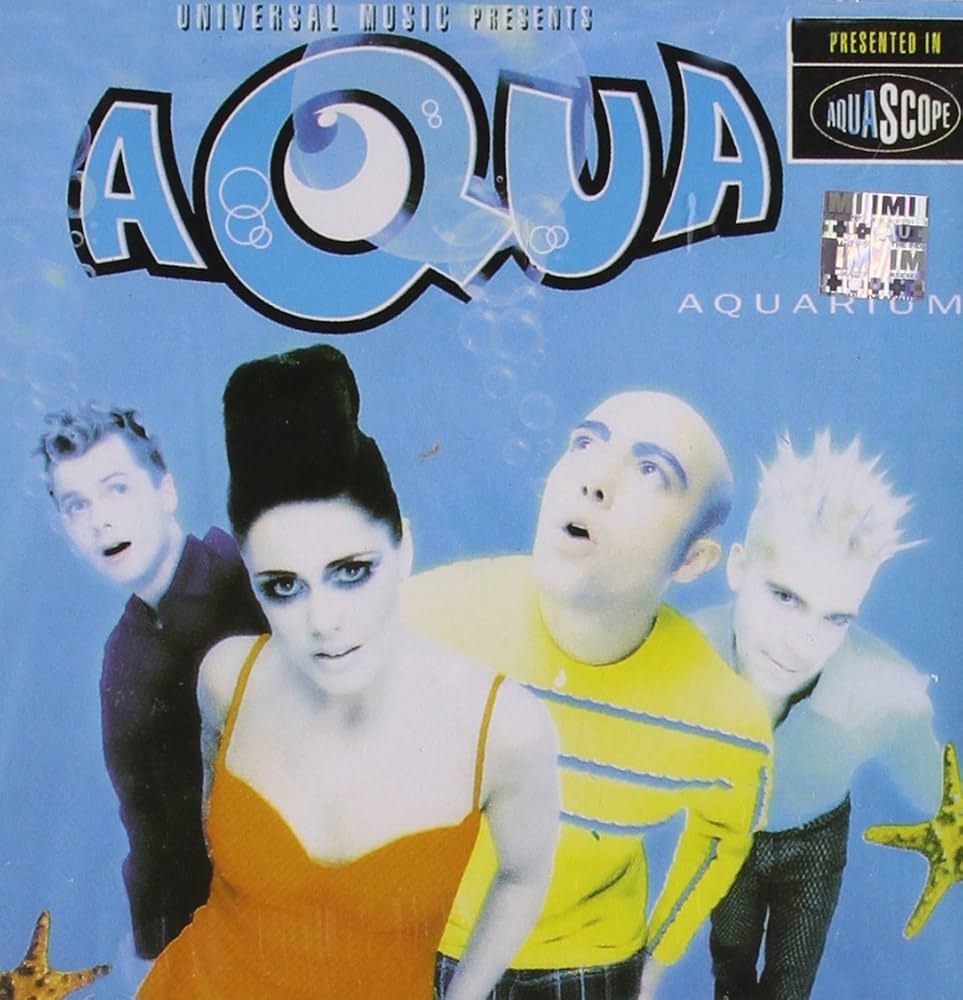
While “Barbie Girl” may have overshadowed much of their other work in the public consciousness, Aqua’s musical journey extends far beyond their most famous single. The group’s debut album “Aquarium” showcased their ability to craft infectious dance-pop anthems across multiple tracks, with songs like “Doctor Jones” and “Turn Back Time” demonstrating their knack for combining catchy melodies with polished production values. Their approach to music-making was distinctly collaborative, with each member contributing their unique strengths to create a sound that was both commercially appealing and artistically cohesive. The album’s success established them as major players in the global pop landscape and proved that their appeal wasn’t limited to a single novelty hit.
Ad SpaceIn-Article - 300x250
Advertisement
Image: Amazon.com
Following their initial burst of fame, Aqua faced the challenge that many pop acts encounter when trying to evolve beyond their breakthrough sound while maintaining their core identity. Their subsequent releases, including “Aquarius” in 2000 and their comeback album “Megalomania” in 2011, showed a band willing to experiment with different musical styles while staying true to their pop sensibilities. These later works revealed a more mature artistic vision, incorporating elements of rock, electronic music, and contemporary pop production techniques. Though none of their follow-up releases matched the massive commercial success of their debut, they demonstrated the group’s genuine musical talents and their commitment to growth as artists rather than simply retreading familiar territory.
Cultural Impact Beyond the Dance Floor
Aqua’s influence on popular culture extends far beyond their chart positions and sales figures, as they helped establish many of the visual and musical conventions that would later define early 2000s pop aesthetics. Their music videos, with their bright colors, playful imagery, and unapologetically artificial aesthetic, predated and influenced the visual language that would later be adopted by numerous pop artists seeking to create memorable, shareable content. The group’s approach to performance, which emphasized fun, accessibility, and a certain tongue-in-cheek sensibility, offered an alternative to the more serious or overtly sexualized presentations that dominated much of 90s pop music. This playful approach to stardom helped create space for artists who wanted to be simultaneously commercial and conceptual.
The enduring appeal of Aqua’s music has been particularly evident in the digital age, where their songs have found new life as soundtrack choices for films, television shows, and user-generated content across social media platforms. “Barbie Girl” experienced a significant resurgence with the release of Greta Gerwig’s “Barbie” movie, introducing the track to entirely new audiences while reminding older fans of its continued relevance. This multi-generational appeal speaks to the universal qualities in Aqua’s music - the irresistible hooks, the playful spirit, and the production values that have aged remarkably well. Their work has also been credited with influencing contemporary artists in the hyperpop and PC Music movements, who share Aqua’s interest in artificial sounds, exaggerated pop tropes, and the tension between sincerity and irony in popular music.
A Legacy That Continues to Inspire
As Aqua steps away from live performance, their legacy as pioneers of a particular strain of pop music remains secure and influential. The group’s ability to create music that was simultaneously disposable and enduring, commercial and artistic, speaks to their understanding of pop music’s unique power to capture and reflect cultural moments. Their influence can be heard in contemporary artists who similarly embrace artifice, playfulness, and unabashed pop sensibilities, from mainstream superstars to underground electronic acts who value entertainment as much as artistic expression. The band’s approach to collaboration, visual presentation, and audience engagement established templates that continue to influence how pop groups conceive and present their work to the world.
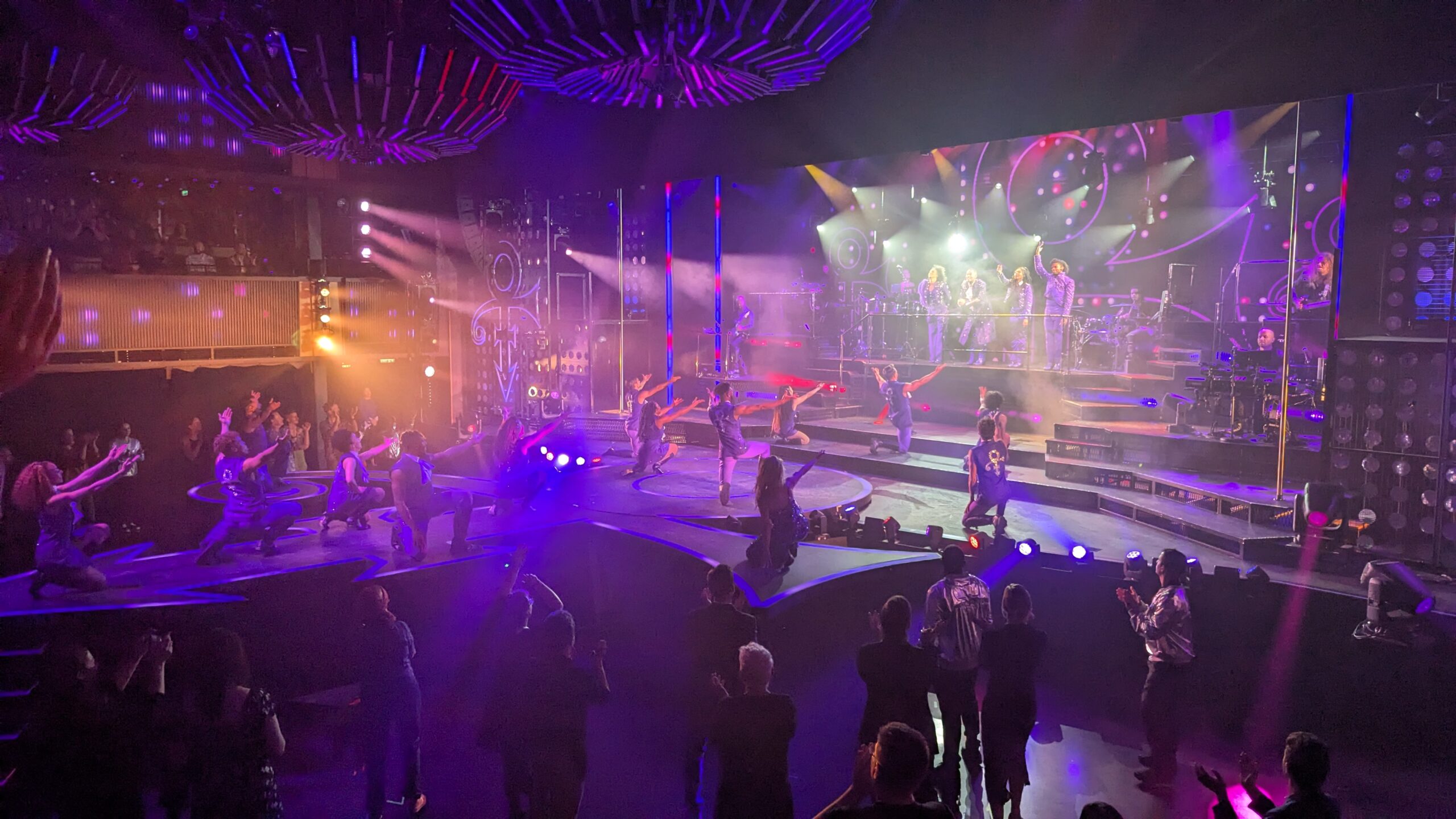
Image: Cruise Critic
While fans may mourn the end of Aqua’s live performing career, the announcement also provides an opportunity to celebrate and reassess their contributions to popular music over the past three decades. Their discography stands as a testament to the power of well-crafted pop music to transcend cultural boundaries, generate genuine emotional connections, and maintain relevance across multiple generations of listeners. As the members pursue individual projects and potentially future studio collaborations, they leave behind a catalog of music that continues to bring joy, nostalgia, and pure entertainment to audiences around the world. The end of their touring career marks not just the conclusion of a chapter, but the completion of a remarkable story about four musicians who understood that the best pop music combines accessibility with artistry, fun with substance, and commercial appeal with genuine creativity.
Ad SpaceIn-Article - 300x250
Advertisement
Share
Get the recap
Loved this story? Get more like it.
Join readers who get our weekly entertainment recap - the stories worth your time, delivered every Friday.
No spam. Unsubscribe anytime. By signing up you agree to our Privacy Policy.