Table of Contents
- The Moment Everyone Did a Double Take
- The Man Behind the Beard and the Billions of Streams
- What Exactly Is Polymarket?
- What the Ads Actually Look Like
- Why This Pairing Makes More Sense Than You Think
- From the Studio to the Screen: Rick Rubin’s Expanding Universe
The Moment Everyone Did a Double Take

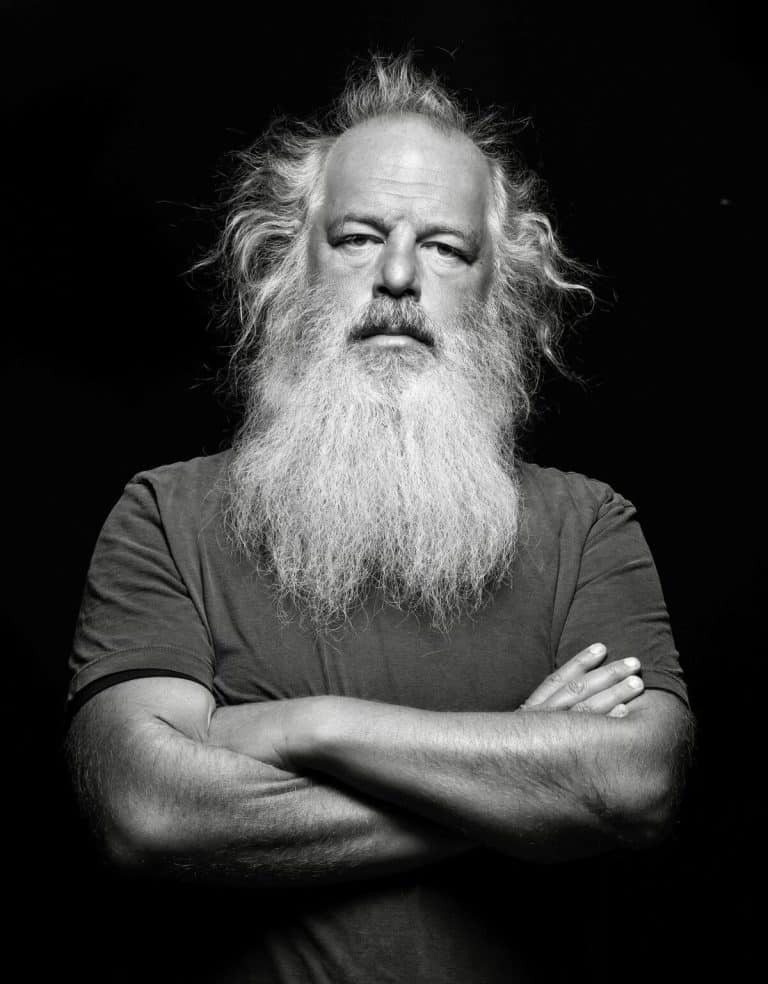
If you were watching the FIFA Club World Cup recently and found yourself doing a hard squint at your television screen, wondering whether that big-bearded, barefoot-energy guru of a man was actually who you thought he was - you were not imagining things. Rick Rubin, one of the most celebrated and enigmatic music producers in the history of recorded sound, appeared in a series of commercials for Polymarket, the prediction market platform, that aired during tournament coverage. For most viewers, seeing Rubin in an advertisement was jarring in the best possible way, like catching a monk at a nightclub. He is simply not the kind of figure who shows up in between match highlights trying to sell you something. That is precisely what made people stop scrolling and start talking.

The ads spread quickly across social media, with fans and music industry observers trading reactions ranging from genuine confusion to amused admiration. Rubin’s appearance in a commercial - any commercial - is such a departure from his carefully maintained mystique that it became a conversation in itself. He has spent decades being the man you never quite see, the silent force behind some of the most iconic albums ever pressed to vinyl or pushed to streaming. Suddenly, there he was on screens during one of the most-watched sporting events of the summer, speaking on behalf of a prediction platform. It was a moment that demanded context, and here it is.
The Man Behind the Beard and the Billions of Streams

To understand why Rubin appearing in an advertisement feels significant, you need to appreciate just how deliberately low-profile he has been for most of his career. Frederick Jay Rubin was born in 1963 on Long Island, New York, and co-founded Def Jam Recordings with Russell Simmons out of his New York University dormitory room in 1984. That alone would be enough for a legacy - Def Jam became one of the most important labels in hip-hop history, launching the careers of LL Cool J, the Beastie Boys, and Public Enemy, among others. But Rubin was just getting started. He went on to produce landmark albums across genres so wildly different from one another that his discography reads less like a career and more like a survey of the entire American music landscape.

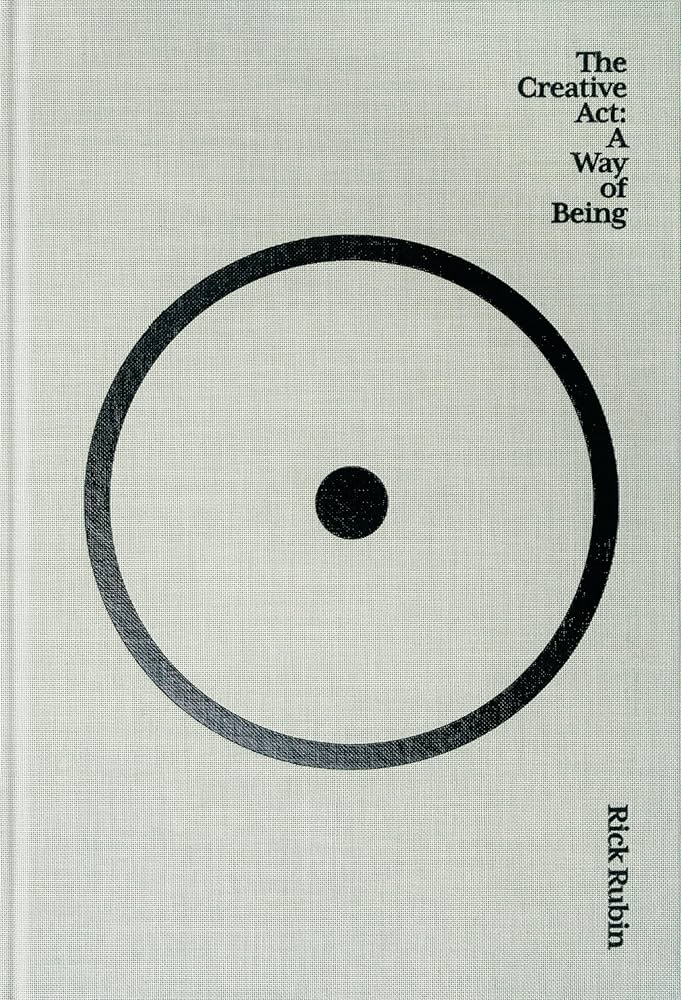
The list is staggering in its range. Rubin produced Johnny Cash’s deeply moving “American Recordings” series, which gave the country legend a creative rebirth in his final years. He worked with Red Hot Chili Peppers on “Blood Sugar Sex Magik,” Metallica on “Death Magnetic,” Jay-Z and Linkin Park on the “Collision Course” mashup project, Adele on “21,” Tom Petty, Slayer, Dixie Chicks, System of a Down, and Kanye West. He served as co-chairman of Columbia Records. He wrote “The Creative Act: A Way of Being,” a philosophical meditation on creativity that became a bestseller and introduced him to an entirely new audience of readers who may not have known a thing about music production. He is, in short, a man whose influence is everywhere even when he himself is nowhere to be seen. That invisibility has always been part of the brand.
What Exactly Is Polymarket?

Polymarket is a decentralized prediction market platform where users can place bets - using cryptocurrency, specifically USDC - on the outcomes of real-world events. Think of it as a marketplace for informed speculation, where the prices on outcomes fluctuate based on what the collective wisdom of the crowd believes is likely to happen. The platform covers an enormous range of topics, from political elections and economic indicators to sports results and entertainment industry outcomes. Polymarket gained considerable mainstream attention during the 2024 United States presidential election cycle, when its forecasts were frequently cited by journalists and analysts as an alternative read on public sentiment and probability. It occupies a space somewhere between financial speculation and a very high-stakes opinion poll, and it has attracted both serious traders and casual observers curious about how markets process uncertainty.

The platform is not without controversy. Prediction markets exist in a regulatory gray area in many jurisdictions, and Polymarket itself has faced scrutiny over its accessibility to United States-based users. Still, it has grown its profile significantly, and its decision to advertise during the Club World Cup - and to do so with a figure as culturally weighted as Rick Rubin - signals that the company is making a deliberate push toward mainstream legitimacy and broader brand recognition. Choosing Rubin as a spokesperson is not an accident. It is a calculated bet, which is, when you think about it, very on-brand for a betting platform.