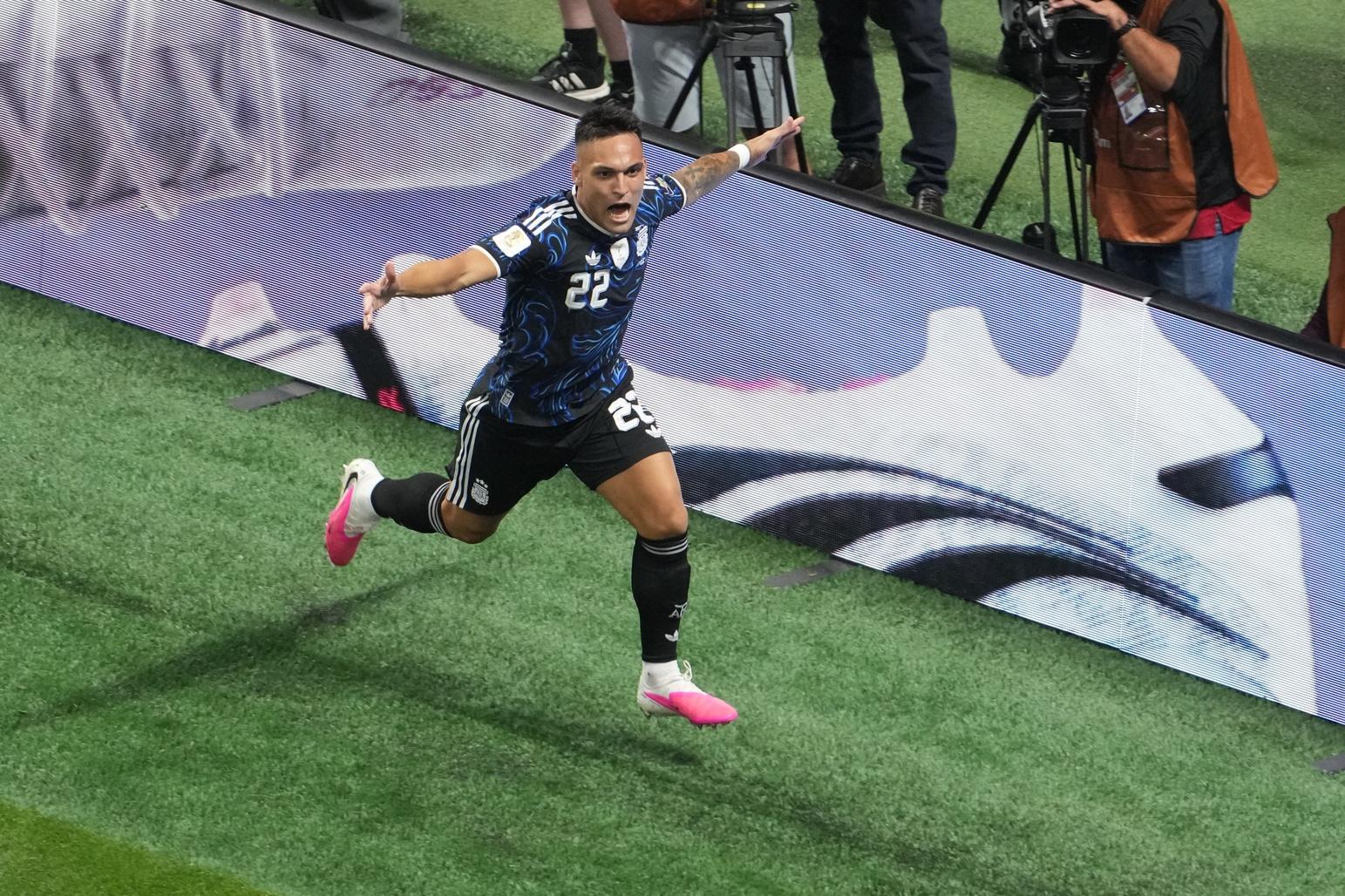

The Greatest Goal Machines: 10 Players With the Most Goals in FIFA World Cup History
Entertainment

The Greatest Goal Machines: 10 Players With the Most Goals in FIFA World Cup History

Miki AndersonMiki Anderson··7 min read
Advertisement

There is something uniquely magical about the FIFA World Cup that separates it from every other sporting competition on the planet. It happens once every four years, carries the weight of entire nations on its shoulders, and produces moments of individual brilliance that echo through generations. Scoring a goal at a World Cup is not just a statistic – it is a stamp of footballing immortality. With the 2026 FIFA World Cup now underway across the United States, Canada, and Mexico in what is the most expansive edition of the tournament ever staged, the conversation around the all-time top scorers has never felt more alive. New contenders are chasing records, old legends are being revisited, and the beautiful game continues to write its most compelling chapters on the biggest stage of all.

Table of Contents

Why World Cup Goals Are the Ultimate Football Currency
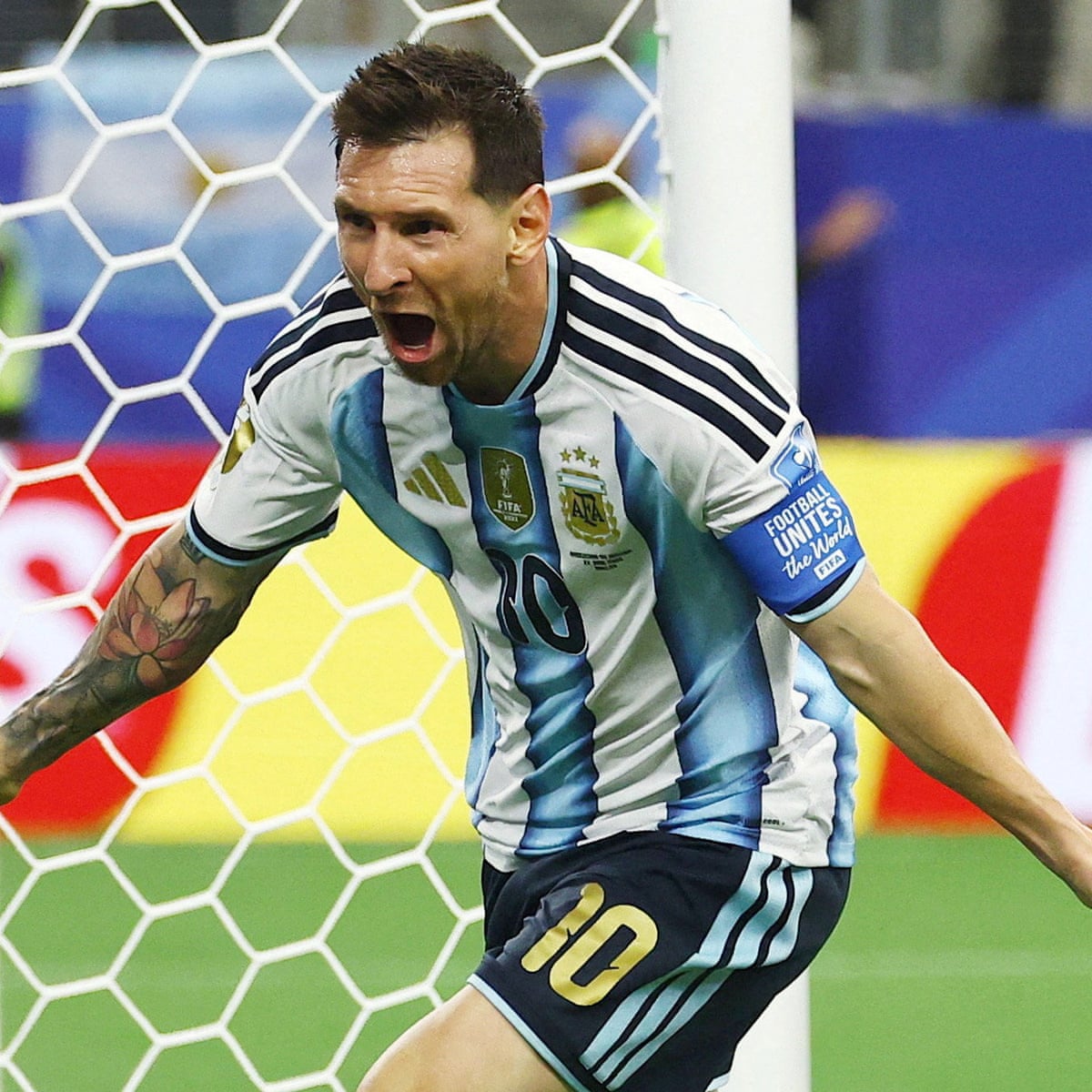
The Greatest Goal Machines - Why World Cup Goals Are the Ultimate Football Currency

In the world of football, goals are the universal language. But not all goals are created equal. A league goal, however spectacular, is part of a long season stretched across nine or ten months. A World Cup goal, by contrast, happens in the crucible of pressure, on the grandest stage, often with a nation’s dreams hanging in the balance. The emotional stakes are incomparable, which is why World Cup goalscoring records carry a prestige that even the most decorated club careers cannot fully replicate. Players like Lionel Messi and Cristiano Ronaldo, who have spent two decades trading goals in La Liga, know this truth better than anyone – the World Cup record is a different beast entirely, and it demands a different kind of greatness.

The tournament has been running since 1930, which means the all-time list spans nearly a century of football history. It includes players from different eras, different playing styles, and vastly different competitive landscapes. Comparing a forward from the 1950s to one from the 2010s is an exercise in context as much as statistics. Yet the numbers endure, and the players who top that list have proven themselves across multiple tournaments, multiple opponents, and multiple high-stakes moments. That consistency across editions of the World Cup is what truly defines a goalscoring legend.

The Men Who Defined World Cup Goalscoring
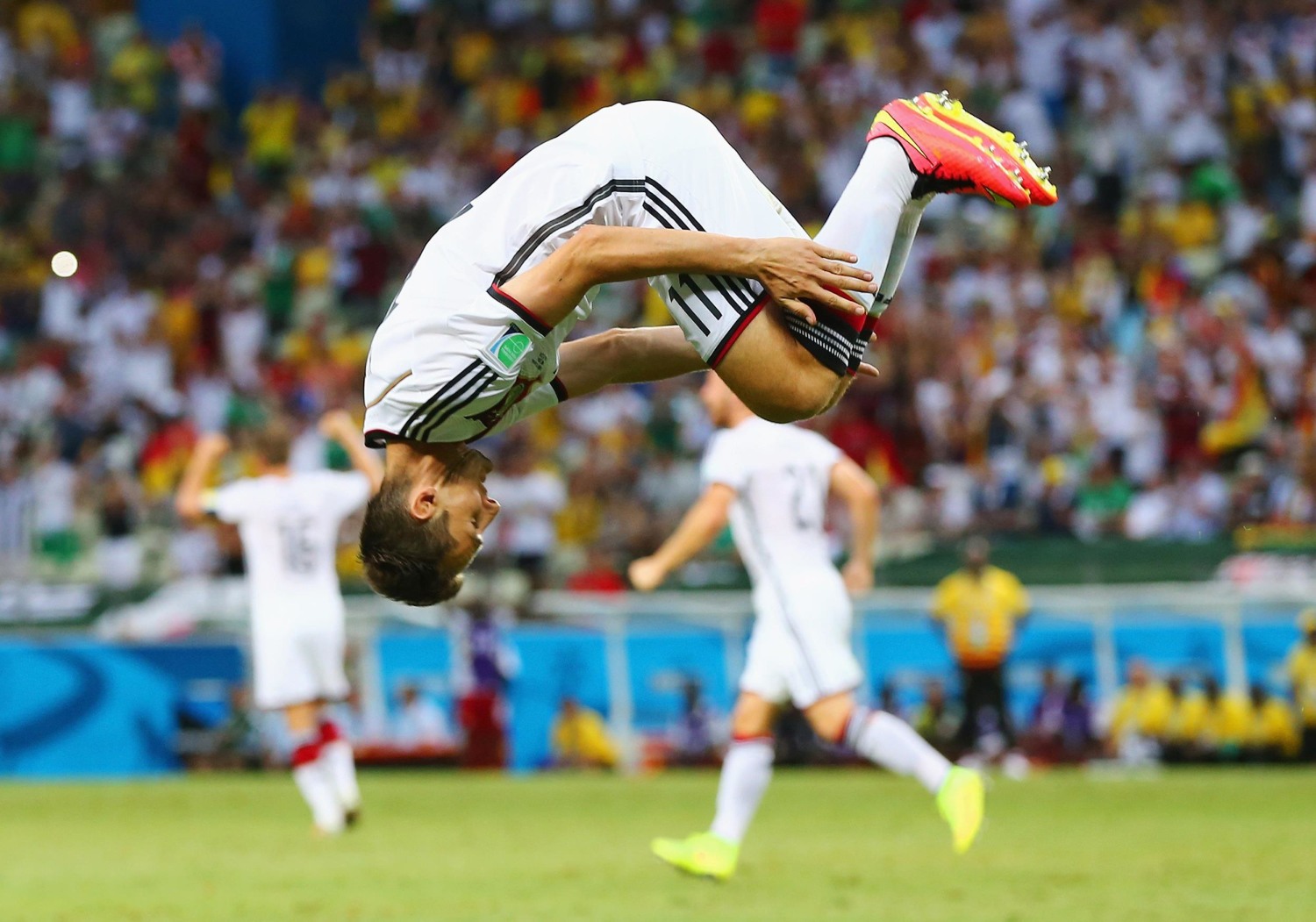
Miroslav Klose celebrating a World Cup goal for Germany
Image: NBC News

No conversation about World Cup goalscoring can begin anywhere other than with Miroslav Klose of Germany, the undisputed king of the record books. The German striker finished his World Cup career with a staggering 16 goals across four tournaments – 2002, 2006, 2010, and 2014 – a tally that no player in history has matched. What made Klose remarkable was not just his consistency but his adaptability. He evolved from a powerful, physical forward in his early career into a smart, intelligent striker who thrived on team movement and positioning. His final World Cup goal, scored in the semi-final against Brazil in the famous 7-1 victory, was a moment of quiet, composed brilliance that summed up everything he represented. He was never the most flamboyant player on the pitch, but when the pressure was highest, Klose delivered.

Just behind him sits Brazilian icon Ronaldo Nazário – known universally as simply Ronaldo – with 15 World Cup goals across three tournaments. The man nicknamed “O Fenomeno” was arguably the most naturally gifted striker of his generation, combining devastating speed, extraordinary technical ability, and an almost supernatural instinct for goal. His performances at the 1994, 1998, and 2002 World Cups told three very different stories. In 1994, he was a teenager on the periphery. In 1998, he was the centre of the universe – and the centre of one of football’s greatest mysteries when he appeared visibly unwell before the final against France. In 2002, in Japan and South Korea, he was unstoppable, scoring eight goals including a brace in the final against Germany. His iconic celebration after that final goal remains one of the most recognisable images in the tournament’s history.

The 10 Players With the Most World Cup Goals
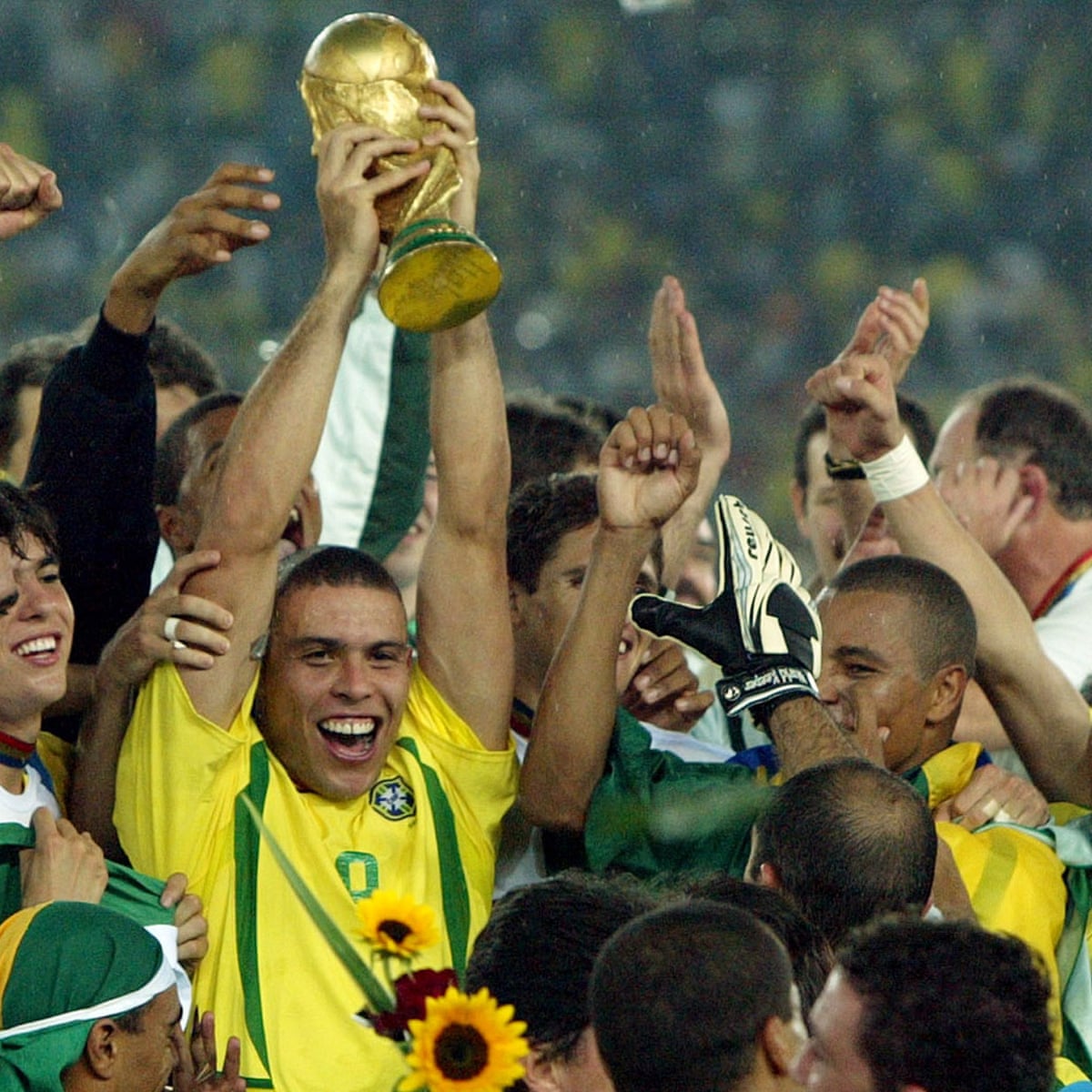
Ronaldo Nazario celebrating at the 2002 FIFA World Cup for Brazil
Image: The Guardian

Let us break down the full list of the ten highest goalscorers in FIFA World Cup history. Leading the pack, as discussed, is Miroslav Klose (Germany) with 16 goals. Second is Ronaldo Nazário (Brazil) with 15. In third place sits Gerd Müller (Germany), the legendary “Der Bomber” who scored 14 goals across just two tournaments – 1970 and 1974 – demonstrating an almost impossible strike rate. Fourth on the list is Just Fontaine (France), whose 13 goals all came in a single tournament – the 1958 World Cup in Sweden – a record for goals in one edition that still stands over six decades later. Just Fontaine’s achievement is so extraordinary that it deserves its own conversation: no player before or since has ever approached that single-tournament total, and the chances of it ever being broken grow smaller with every passing edition.
Advertisement

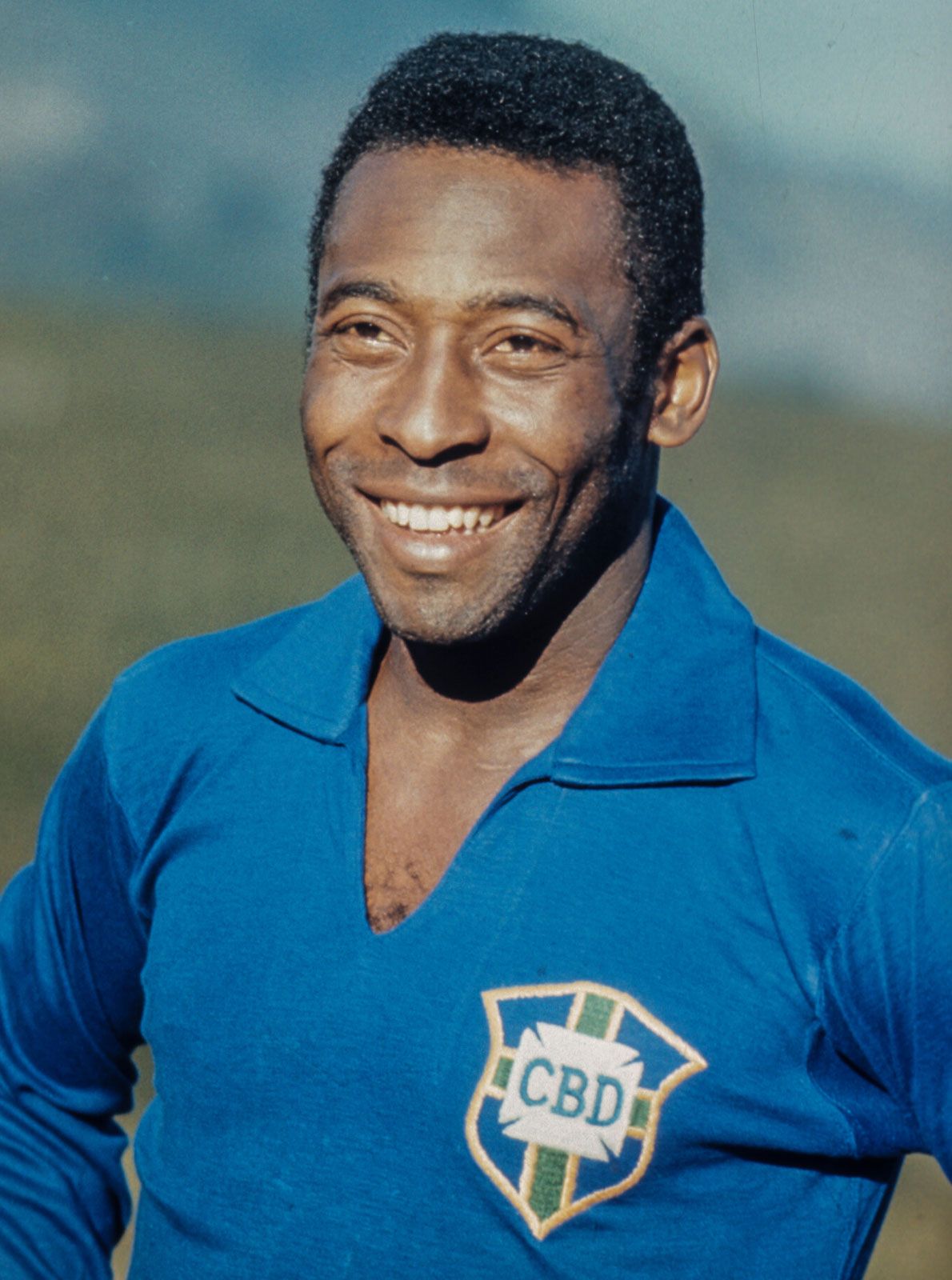
Rounding out the top five is Pelé (Brazil) with 12 goals, the man widely regarded as the greatest footballer who ever lived. What is fascinating about Pelé’s World Cup record is that it could easily have been higher – he played in four World Cups but was frequently injured or targeted in the later editions, limiting his appearances. His 12 goals still came across a remarkable range of tournaments and included some of the most technically brilliant goals ever scored in the competition. Completing the top ten are Sándor Kocsis (Hungary) with 11 goals, Jürgen Klinsmann (Germany) with 11, Helmut Rahn (Germany) with 10, Gary Lineker (England) with 10, and Teófilo Cubillas (Peru) with 10. The presence of three German players in the top five alone speaks to Germany’s historical dominance as a World Cup nation.

Pelé celebrating a goal for Brazil in the FIFA World Cup
Image: Britannica

What is perhaps most striking about this list is its geographic and generational spread. You have a Peruvian in Cubillas, a Frenchman in Fontaine, an Englishman in Lineker, two Brazilians in Ronaldo and Pelé, and several Germans. Football’s global reach is written into the record books. Sándor Kocsis of Hungary represents the golden generation of the Mighty Magyars, one of the most devastating attacking teams in football history – a team that somehow managed to lose the 1954 World Cup final despite being overwhelming favourites. Gary Lineker, meanwhile, scored all 10 of his goals at a single tournament in 1986, where he won the Golden Boot despite England being eliminated in the quarter-finals. These are not just statistics; they are windows into entire chapters of football history.

Modern Stars Still Chasing History

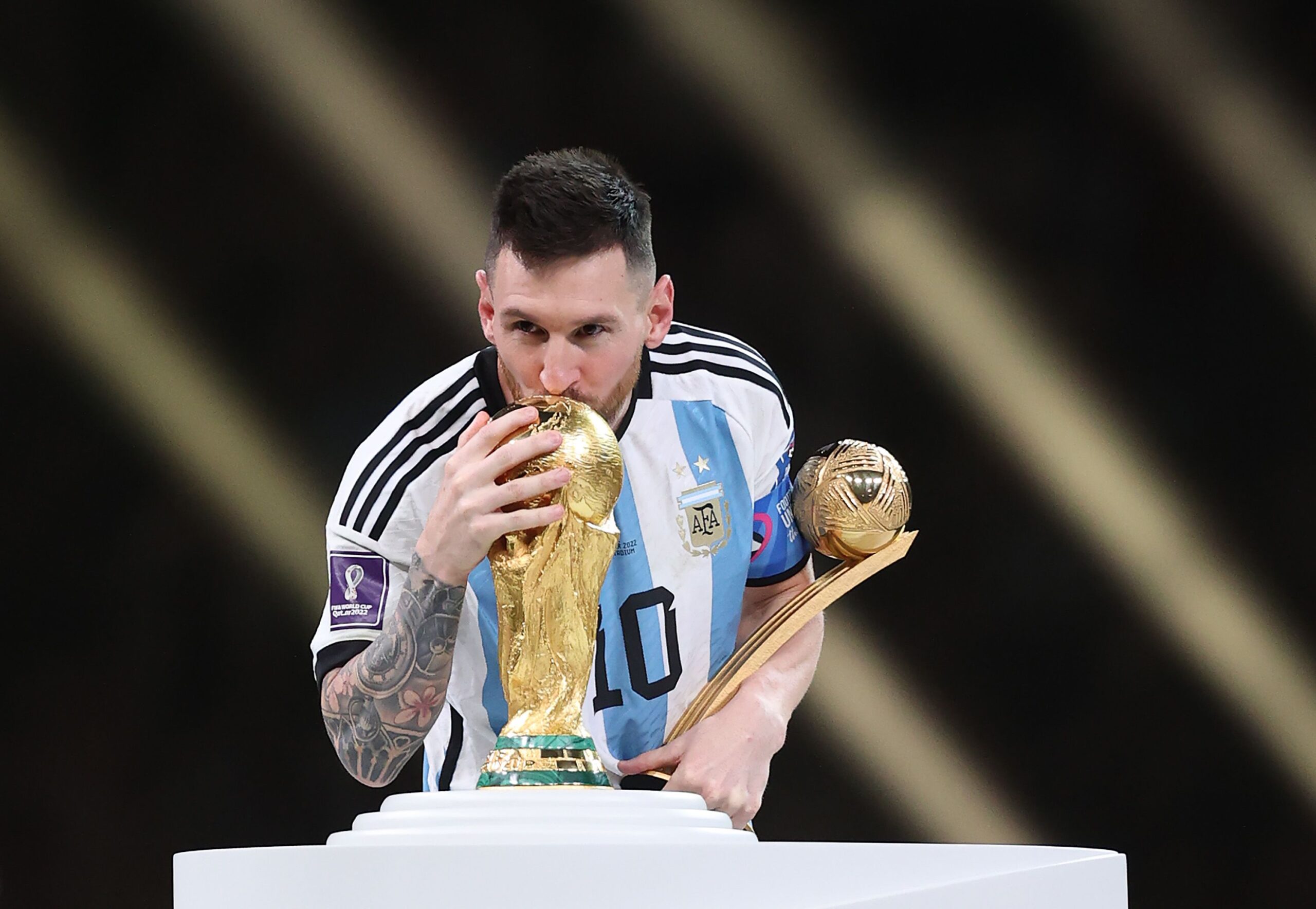
Lionel Messi lifting the FIFA World Cup trophy for Argentina in 2022
Image: CNN

The 2026 World Cup has brought renewed energy to the conversation about this all-time list, largely because of two men who have defined football for the past two decades. Lionel Messi, the Argentine captain who finally claimed his World Cup winners’ medal in Qatar 2022, currently stands with 13 World Cup goals – level with Just Fontaine and within striking distance of Ronaldo Nazário. Messi’s World Cup journey has been one of football’s great emotional arcs, from the heartbreak of multiple exits to the transcendent triumph in Doha. At 38 during the 2026 tournament, he is not expected to replicate his peak output, but even adding one or two goals would cement his place even further among the all-time elite. He has already stated publicly that 2026 could be his final World Cup, giving every appearance a valedictory weight.

Cristiano Ronaldo, who scored eight World Cup goals across five tournaments for Portugal before his international retirement, never quite matched the heights of his club career on the World Cup stage – something that fuelled endless debate among fans about his legacy. The current 2026 tournament has also thrown up exciting new names chasing records. France’s Kylian Mbappé, with 12 World Cup goals at just 25 years old, is perhaps the most realistic threat to Klose’s record over the next two editions. Mbappé’s pace, finishing, and fearless big-game temperament make him the kind of player who could plausibly play in three or four more World Cups. The prospect of watching him chase down the all-time record over the next decade is one of football’s most compelling ongoing storylines.

What These Records Really Mean

The Greatest Goal Machines - What These Records Really Mean

Beyond the numbers themselves, what the all-time World Cup goalscoring list truly represents is the endurance of brilliance under the most extreme pressure imaginable. Every player on this list had to perform not just in one tournament but across multiple editions, against defences that had specifically studied them, in front of audiences measured in billions. The psychological demands alone are extraordinary, and yet each of these men found ways to keep delivering. Miroslav Klose’s 16-goal record, in particular, feels almost untouchable precisely because it required not one great tournament but four consecutive contributions across 16 years of international football.

For African football fans, the list also serves as a reminder of the continent’s untapped potential at the World Cup. No African player has ever broken into the top ten all-time scorers, though players like Roger Milla of Cameroon and Asamoah Gyan of Ghana have left their marks on the tournament. With African nations increasingly competitive on the global stage, the 2026 edition – which features an expanded 48-team format giving more nations a chance to shine – could be the tournament where an African striker begins to build the kind of multi-tournament legacy that eventually challenges these records. Football is always looking for its next great story, and the World Cup remains the place where those stories are born. The record books are not closed – they are simply waiting for the next legend to pick up a pen.

Advertisement
Share
Get the recap

Loved this story? Get more like it.

Join readers who get our weekly entertainment recap - the stories worth your time, delivered every Friday.

No spam. Unsubscribe anytime. By signing up you agree to our Privacy Policy.

The Greatest Goal Machines: 10 P... | Sidomex Entertainment