Nollywood's Global Rise: How Nigerian Cinema Conquered Africa and Beyond in 2026
Nova Patricks··11 min read
Ad SpaceArticle Top - 728x90
Advertisement
Something shifted in the final week of 2025 that Nigerian cinema watchers had been predicting for a decade. When the year-end numbers came in, Nollywood titles had out-earned Hollywood imports at the Nigerian box office for the first time in the recorded history of the modern cinema era - 49.4 percent of the total gross against Hollywood’s 48.8 percent. It was a slim margin, barely half a percentage point, but the symbolism was enormous. In the same multiplexes where Marvel and Fast and Furious sequels once swallowed every prime screen, Nigerian stories were now the main event.
That flip did not happen in isolation. It capped a three-year stretch in which Nollywood broke its own box office record three times, planted its flag at Cannes for the first time, watched two global streamers retreat, lost a third entirely, and still came out bigger and more commercially confident than at any point in its three-decade history. How those threads connect is the real story of Nigerian cinema in 2026.
The Numbers Behind the Boom
Start with the raw figures, because they are genuinely startling. Nigeria’s total box office hit a historic 15.6 billion Naira in 2025, a 34.7 percent jump from the 11.58 billion Naira recorded in 2024, which had itself been a record. Industry projections now have the market crossing the 20 billion Naira mark before the end of 2026. This is compounding growth, not a one-off spike.
The volume side remains as prolific as ever. Nollywood still churns out roughly 2,500 films a year across cinema, streaming and the direct-to-digital market, keeping its long-held position as the second most productive film industry on the planet by output. The broader creative sector, with film and music leading, was projected to generate around 14.8 billion dollars in revenue by 2025 and now contributes an estimated 2.3 percent of Nigeria’s GDP, up from 1.4 percent in 2023. Film is no longer a cultural footnote in the national accounts. It is an export industry with a line item.
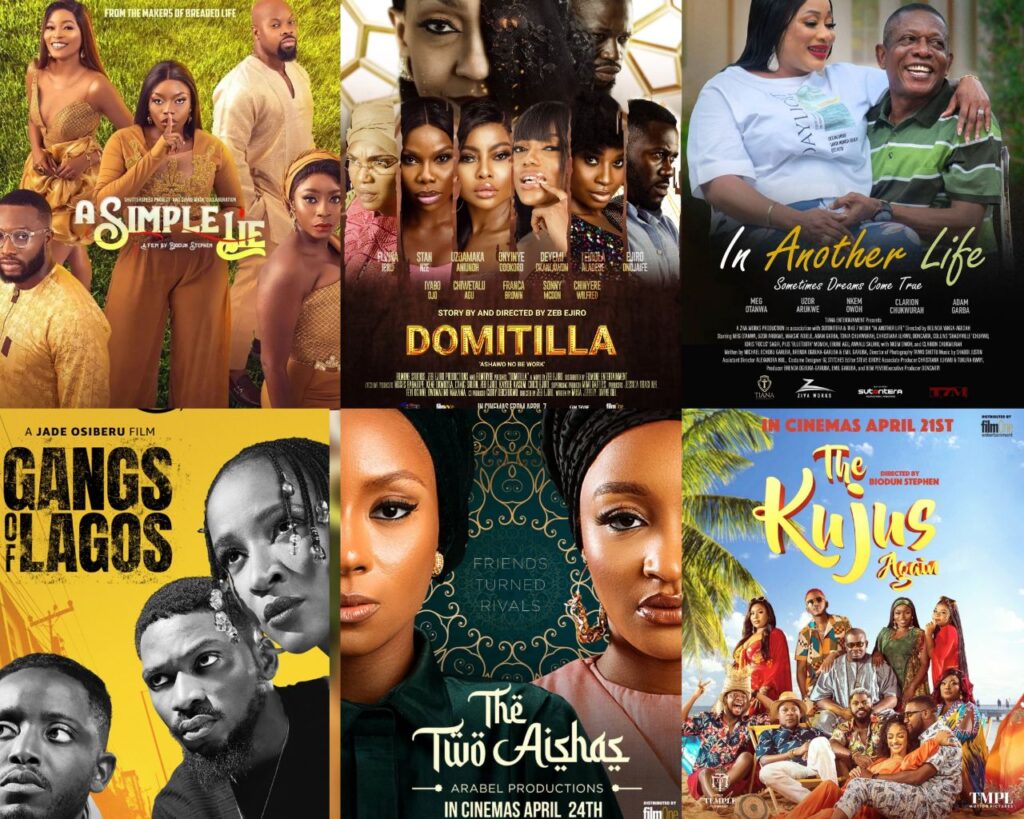
But the single most important number in Nollywood right now belongs to one woman. Funke Akindele’s “Behind The Scenes,” released in December 2025, became the first Nollywood film ever to cross the 2 billion Naira threshold, eventually grossing about 2.76 billion Naira to become the highest-grossing Nigerian film of all time. That capped an unprecedented hat-trick. “A Tribe Called Judah” in December 2023 was the first Nollywood film to break 1 billion Naira, finishing around 1.4 billion. “Everybody Loves Jenifa” in December 2024 then sprinted to 1 billion in just 19 days, the fastest ever, before closing at roughly 1.88 billion Naira. Three consecutive Decembers, three record-breakers, one filmmaker. Akindele has now grossed over 5 billion Naira across three films in just over two years, and she is the first filmmaker to top the African box office three years running.
The Akindele effect matters beyond her own bank account. She proved that a Nigerian film, marketed aggressively during the Detty December window, can out-earn any Hollywood tentpole in this market. Every producer planning a Q4 release in 2026 is working from her playbook.
The Streaming Chapter: What Actually Happened
The streaming story is where casual narratives about Nollywood’s rise get the facts wrong most often, so it is worth laying out the actual sequence.
The retreat began with Amazon. In January 2024, Prime Video halted local content production across Africa, barely sixteen months after launching its Nigerian originals push with heavy marketing and high-profile commissions. The platform did not technically leave the continent - it continued licensing finished films - but the cheque book for originals closed, and the layoffs that accompanied the decision made the direction clear.
Netflix followed with what is best described as a recalibration rather than an exit. Speculation peaked in late 2024 after Kunle Afolayan said publicly at the Zuma International Film Festival that Netflix had cancelled several films it previously commissioned. Netflix responded in December 2024 with a flat denial that it was leaving Nigeria, and the evidence since supports that. The platform kept investing selectively: Kemi Adetiba’s crime series “To Kill a Monkey” landed in July 2025 and dominated Nigerian conversation for weeks, while Afolayan’s own “Aníkúlápó” returned for a second season on January 30, 2026. The originals tap did not shut off. It narrowed to proven hitmakers with established audiences.
Then came the genuine shock. Showmax - the MultiChoice streamer long positioned as the local champion that understood African pricing in ways Netflix never would - was shut down entirely. After cumulative losses approaching 8.8 billion Rand since 2023, Canal+, which now controls MultiChoice, pulled the plug. Showmax stopped selling subscriptions on March 31, 2026 and ended operations on April 30, 2026, with its originals migrating to a dedicated section on the DStv Stream app. The supposed safe harbour for African streaming turned out to be the most exposed player of all.
So the 2026 streaming landscape looks like this: Netflix remains, choosier but committed. Prime Video licenses but does not commission. Showmax is gone, folded into DStv Stream. Into that gap, Nigerian players are building their own pipes - most notably Mo Abudu’s EbonyLife ON+, a next-generation streaming and lifestyle platform for pan-African series, films and talk content, announced as part of a wider EbonyLife global push. The lesson Nollywood has internalised is brutal but clarifying: foreign streaming money is seasonal weather, not climate. The industry that survives is the one that owns its distribution.
The Cinema-Chain Renaissance at Home
Part of the reason Nollywood absorbed the streaming turbulence so well is that the theatrical business at home quietly rebuilt itself into a real industry. Nigeria’s screen count climbed from 288 in 2023 to 352 in 2024 and 369 in 2025, with around 390 expected by the end of 2026. Cinema locations grew even faster, from 91 in 2023 to 122 in 2025, heading toward roughly 135 this year. Nigeria now accounts for about 92 percent of all cinema screens in Anglophone West Africa.
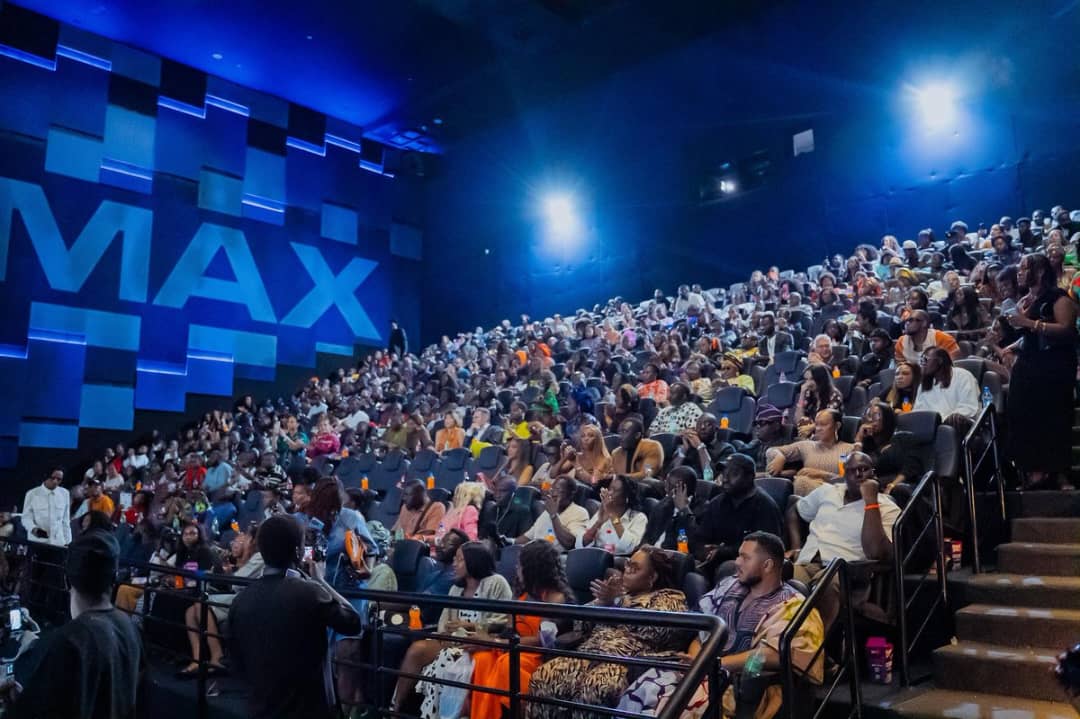
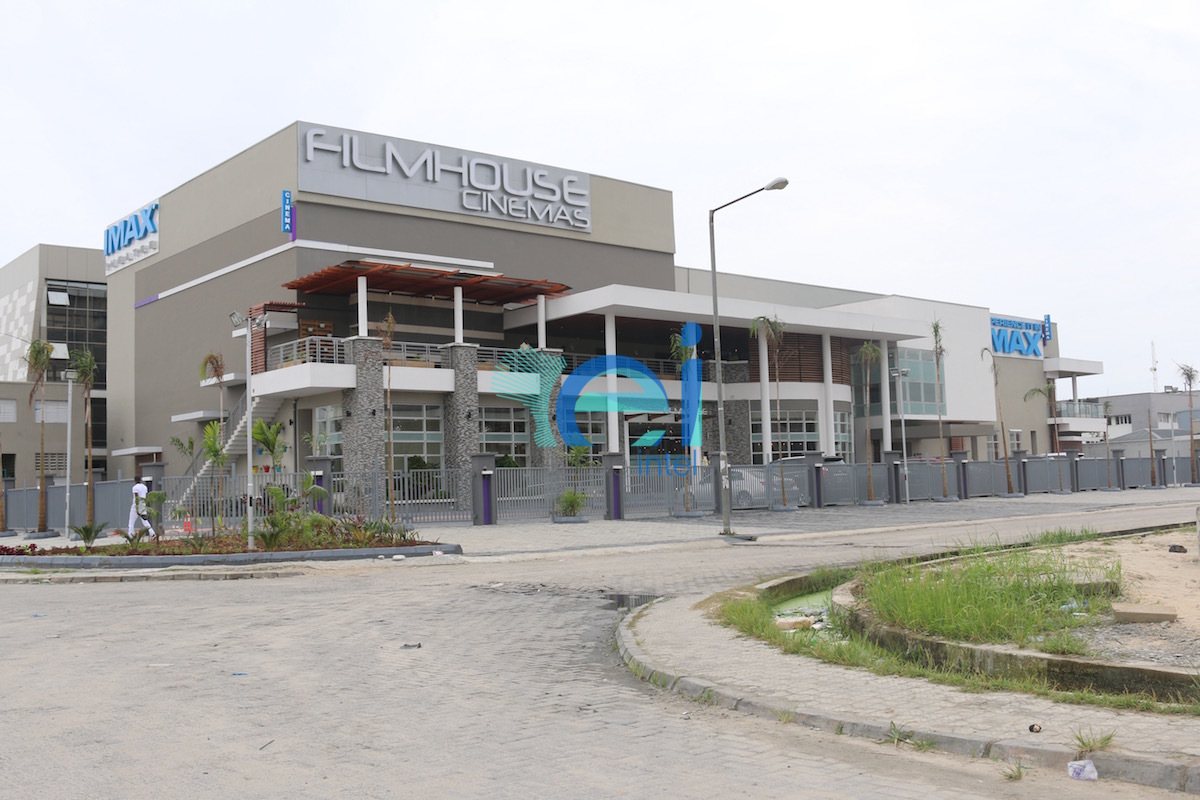
The exhibitors driving this are increasingly sophisticated operations. Filmhouse runs the country’s flagship IMAX at its Lekki site, which alone pulled in over 1 billion Naira in ticket sales in 2025 - a single cinema location out-grossing what entire annual box office totals looked like a decade ago. EbonyLife Place in Lagos topped the West African exhibition charts in 2024. Analysts expect 2026 to be less about adding screens and more about consolidation: better pricing, smarter release windows and improved monetisation per seat.
That last point matters for filmmakers. FilmOne’s industry yearbook flagged May as the strongest non-festive month of 2025, lifted by public holidays and a coordinated release slate. Producers are no longer dumping everything into December and hoping. The calendar is being professionally managed, and the 2026 slate shows staggered tentpoles across May, the mid-year holidays and the festive window.
Ad SpaceIn-Article - 300x250
Advertisement
The Diaspora Box Office
The other quiet revolution is happening in cinemas thousands of kilometres from Lagos. “Everybody Loves Jenifa” opened across nine international territories in December 2024 - the UK, Ireland, Germany, Canada, the United States, Norway, Sweden, Australia and New Zealand - and grossed over 100,000 dollars on its opening weekend alone. UK tickets sold out before the premiere. It finished with around 327,000 dollars internationally, including roughly 147,000 dollars in the UK and Ireland and 150,000 dollars in North America, making it the highest-grossing Nollywood diaspora release on record. “Behind The Scenes” then extended Akindele’s records across Africa, the UK and Ireland a year later.
Those dollar figures look modest next to Hollywood, but the trajectory is the point. Five years ago a Nollywood theatrical release in London meant a one-off community screening in a rented hall. Now Nigerian films get coordinated day-and-date releases across three continents, and the infrastructure to make that permanent is being built. Mo Abudu’s EbonyLife Place London, the diaspora’s first dedicated African film and culture hub with a 180-seat theatre, gives Nollywood a permanent address in one of the world’s biggest film cities. Pair that with her 50 million dollar Afro Film Fund for backing globally relevant African stories, and the diaspora stops being an afterthought and becomes a designed-in revenue stream.
Festival Credibility Meets Commercial Scale
For years, Nollywood’s global story had a gap: enormous commercial energy, thin presence at the elite festivals. That gap is closing fast, and 2025 delivered the breakthrough.
“My Father’s Shadow,” directed by Akinola Davies Jr. from a script he co-wrote with his brother Wale Davies, premiered in the Un Certain Regard section of the 2025 Cannes Film Festival - the first Nigerian film ever selected for Cannes’ Official Selection. To be precise about what that means: it was not the main Palme d’Or competition, and no Nigerian film has yet competed there. But Un Certain Regard is the festival’s second-most prestigious strand, and the film did not just show up. It won a Special Mention for the Caméra d’Or, then went on to take the BAFTA for Outstanding Debut, a British Independent Film Award and two Gotham Awards, with MUBI handling distribution in North America. A Lagos-set story about a father and two sons navigating a turbulent day in 1993, led by ??p?? Dìrísù, became one of the most decorated debuts of the year anywhere in the world.
It built on foundations laid earlier in the decade. C.J. Obasi’s black-and-white folklore thriller “Mami Wata” won the World Cinema Dramatic Special Jury Award for Cinematography at Sundance 2023, picked up honours at FESPACO, and landed US distribution. Editi Effiong’s “The Black Book,” made for around 1 million dollars, became the first African film to reach the global top three on Netflix in 2023, drawing more than 20 million views and charting in the top 10 across 69 countries. Different films, different lanes - arthouse prestige and streaming reach - but the combined message to the global industry was the same: Nigerian filmmakers can compete anywhere.
The Production-Quality Leap and Crossover Talent
What links “Mami Wata,” “The Black Book,” “My Father’s Shadow” and the Akindele blockbusters is a step-change in craft that audiences at home noticed before critics abroad did. Cinematography, sound design and post-production that once exposed budget limitations now routinely hold up on an IMAX screen or a 4K stream. Effiong famously poured tech-industry discipline and his own capital into “The Black Book” to prove a Nigerian production could meet global technical standards at a fraction of Hollywood cost. He proved it.
The talent flow now runs in both directions. “My Father’s Shadow” was a genuine UK-Nigeria co-production, made by Element Pictures - the Irish outfit behind “Poor Things” - alongside Nigeria’s Fatherland Productions, with British-Nigerian director Davies and “Gangs of London” star Dìrísù. Mo Abudu’s EbonyLife has stacked development deals with Sony, Netflix, Lionsgate, BBC Studios and Westbrook, and was the first African company to sign a multi-title Netflix deal. Kunle Afolayan, after a Netflix-focused era that produced an expanded multi-film partnership plus the “Aníkúlápó” universe, brought his thriller “Recall” back to the big screen, betting on the resurgent theatrical market he helped build. Kemi Adetiba parlayed the “King of Boys” franchise into “To Kill a Monkey,” one of Netflix’s biggest Nigerian series launches of 2025. Jade Osiberu, who built Greoh Studios into a streaming-era powerhouse, has the long-awaited “Sugar Rush” sequel wrapped and waiting on a release date. These are not isolated success stories anymore. They are a generation of producer-entrepreneurs who own IP, negotiate directly with global studios and increasingly control their own pipelines.
What Still Holds Nollywood Back
Honesty requires the other side of the ledger, because the constraints are real and structural.
Funding remains the biggest. The streaming retreat exposed how dependent the premium end of the industry had become on two or three foreign cheque books. With Prime Video out of originals and Netflix selective, mid-budget films - too ambitious for YouTube, not bankable enough for a 2 billion Naira theatrical swing - face a financing valley. Initiatives like the Afro Film Fund and growing interest from development finance institutions help, but a deep, reliable local film-financing market does not yet exist. Currency volatility compounds it: budgets priced in Naira buy fewer dollars of equipment, post-production and international talent every year.
Piracy is the second drag, and it is brutal. Within days of a major theatrical release, camcorded copies circulate on Telegram and WhatsApp, and full rips follow once a film hits streaming. Piracy losses have long been estimated in the hundreds of millions of dollars annually, and the problem was repeatedly cited as one reason global streamers struggled to convert Nigeria’s enormous viewership into paying subscribers - only around 5 percent of Nigerians subscribe to any premium streaming service.
Distribution is the third. Three hundred and ninety screens for a country of over 200 million people works out to roughly one screen per half-million Nigerians; the cinema boom is real but still concentrated in Lagos, Abuja and a handful of urban centres. Most of the country watches Nollywood on YouTube, on DStv, or on pirated copies, and monetising those audiences properly remains the industry’s great unsolved problem. The cost of building multiplexes outside premium malls keeps the expansion gradual.
Where It Goes Next
The trajectory for the rest of 2026 is already visible in the release calendar and the balance sheets. The box office should clear 20 billion Naira if the December window performs to recent form, and every major producer is now openly chasing the 2 billion Naira club that Akindele founded. EbonyLife Place London gives the diaspora circuit an anchor venue. EbonyLife ON+ and DStv Stream will fight over the audience Showmax left behind, while Netflix keeps cherry-picking the Adetibas and Afolayans of the world. And somewhere in a Lagos editing suite, the next “My Father’s Shadow” is being cut by a filmmaker who now knows, with evidence, that the road from Surulere can run through Cannes, BAFTA and a Netflix global chart in the same year.
The deeper change is psychological. For thirty years Nollywood’s global story was told as a curiosity - the scrappy industry that made films in a week and sold them in traffic. The 2026 version needs no qualifiers. Nigerian cinema out-earns Hollywood in its home market, premieres at the world’s most exclusive festival, programs its own London cinema, and produces individual filmmakers grossing billions of Naira on their own IP. The industry that once begged for a seat at the table is now building tables of its own, and the rest of the film world has started pulling up chairs.
Ad SpaceIn-Article - 300x250
Advertisement
Share
Get the recap
Loved this story? Get more like it.
Join readers who get our weekly entertainment recap - the stories worth your time, delivered every Friday.
No spam. Unsubscribe anytime. By signing up you agree to our Privacy Policy.