Neymar Jr's Most Iconic Moments - How Football's Most Flamboyant Star Became a Global Brand
Miki Anderson··9 min read
Ad SpaceArticle Top - 728x90
Advertisement
The night the rainbow flick lit up a stadium
Picture a packed arena, the ball rolling toward a defender who thinks he has the angle covered. Then the Brazilian flicks it up with the back of his heel, loops it clean over the opponent’s head, and collects it on the other side without breaking stride. The crowd erupts. The defender is left grasping at air. This was never just about getting past a man. It was theatre, a wink at the audience, a reminder that football for this particular player has always been part sport and part performance.
That blend of audacity and showmanship is the through-line of an entire career. The rainbow flicks, the no-look passes, the step-overs that seem to defy the laws of balance, the celebrations that turn into dance routines with friends pulled from the bench. Few players have ever made the game look so much like play. And almost no footballer of his generation has turned that flair into a commercial machine quite as effectively. The story of how a skinny kid from a coastal Brazilian city became one of the most recognisable faces on the planet is, in many ways, the story of modern football itself.
The Santos prodigy and the birth of the showman
Long before the global brand, there was a teenager tearing through Brazilian defences in the white shirt of Santos. He came up through the youth ranks of the club that once belonged to Pele, and the comparisons were inevitable and heavy. Most young players buckle under that kind of weight. This one seemed to feed on it.
By his late teens he was the most talked-about talent in South America. The highlight reels from those Santos years are still extraordinary to watch. There was the goal against Flamengo in 2011 that won the FIFA Puskas Award, a slaloming run finished with a cool side-footed strike that announced him to a worldwide audience. There was the 2011 Copa Libertadores triumph, the continental crown that proved he could deliver trophies, not just tricks. He was named South American Footballer of the Year more than once during this stretch, and European giants circled like gulls over the harbour.
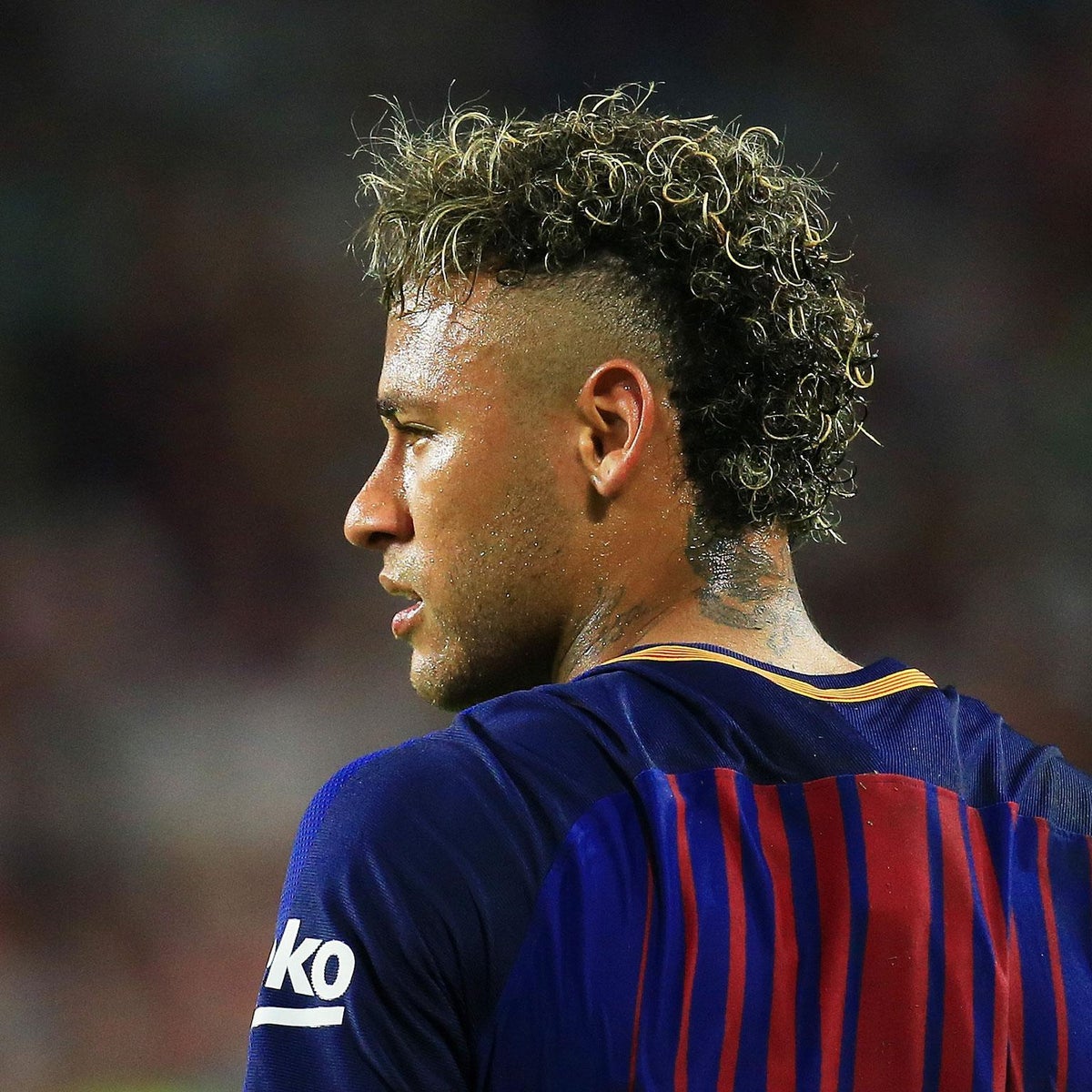
What made him different even then was not just the talent. It was the self-awareness. He understood, almost instinctively, that a flick or a backheel done with a smile travels further than a tap-in done with a scowl. The mohawk haircuts, the bright boots, the social media presence that was building even in those early days, all of it signalled a young man who grasped that he was building something bigger than a football career. The showman was already fully formed. The world stage was the only thing missing.
Barcelona and the peak of a footballer
The move to Barcelona in 2013 should have been the moment the flair was tamed by European pragmatism. Instead it became the setting for some of his finest football. Slotting into a forward line that already carried Lionel Messi was a delicate assignment, the kind that has crushed lesser egos. He managed it by reading the room. He deferred when he needed to, sparkled when the space opened, and never once let the magic drain out of his game.
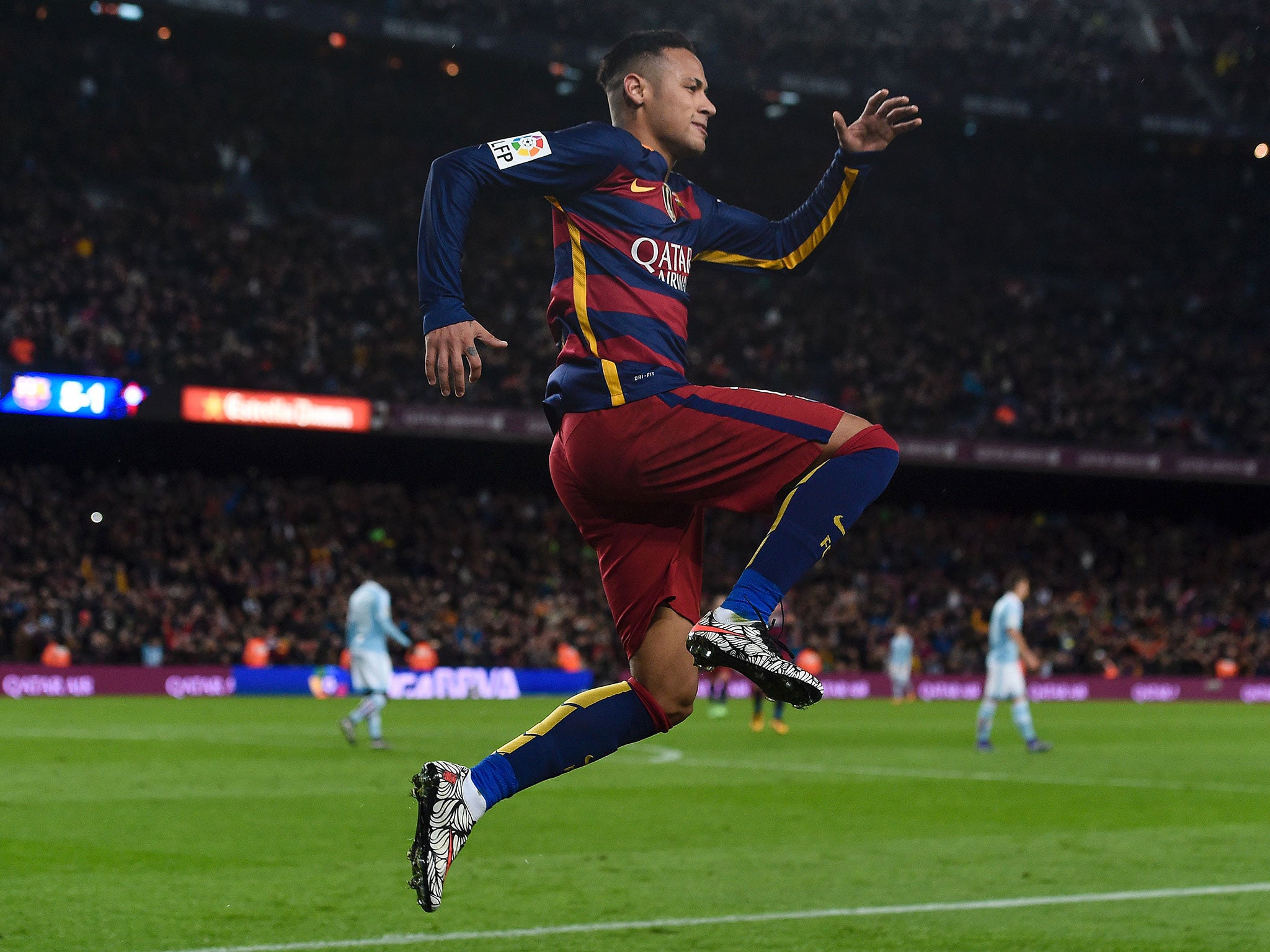
The reward came in 2015. Alongside Messi and Luis Suarez, he formed the front three that became known across the football world simply as MSN. The three of them combined for a staggering goal tally that season and swept everything in front of them. Barcelona won La Liga, the Copa del Rey and the UEFA Champions League, a treble that ranks among the most dazzling attacking campaigns the modern game has produced. In the Champions League final against Juventus, he scored to help seal the trophy, the crowning night of his time in Spain.
Those Barcelona years are where his footballing peak lives. He was not yet the most expensive player on earth, not yet the headline of every transfer rumour, just one third of the most feared attack in the world. For a player whose later chapters would be defined as much by money and noise as by football, that period stands as proof of what he could do when the only thing that mattered was the ball at his feet.
The transfer that rewrote football’s economics
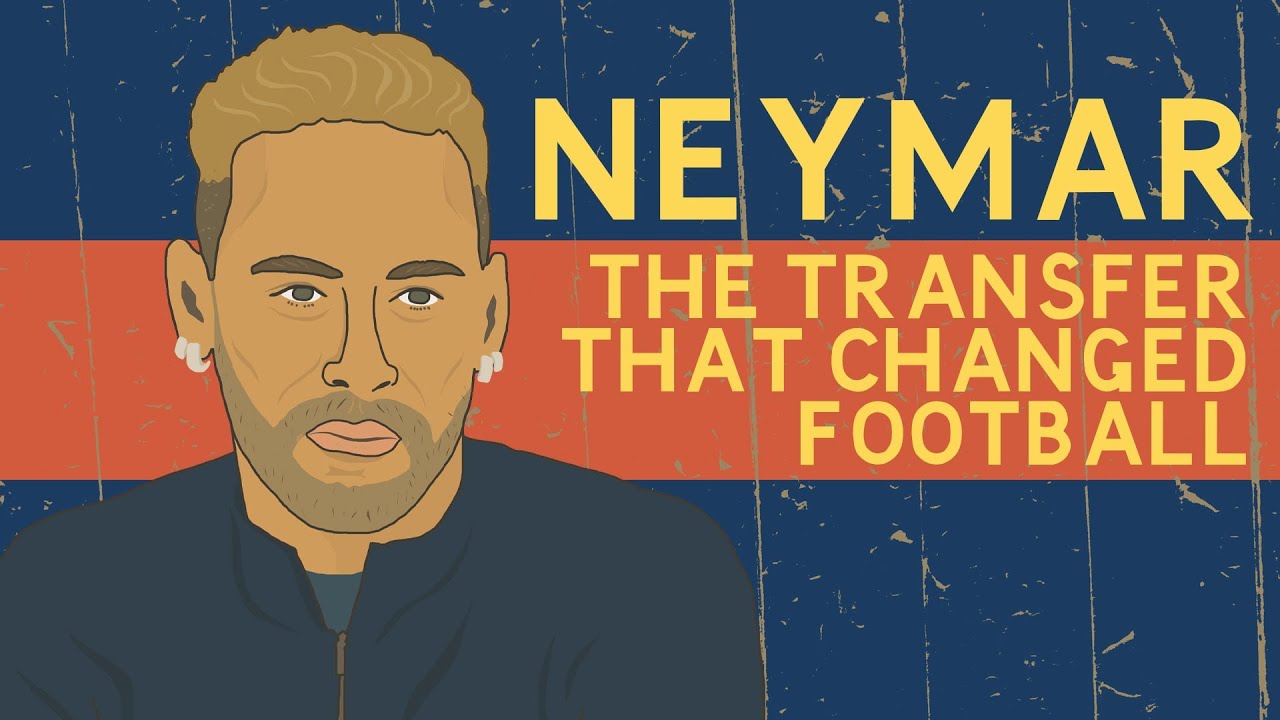
Then came the move that changed everything, not just for him but for the entire transfer market. In August 2017, Paris Saint-Germain triggered his release clause at Barcelona and paid a reported 222 million euros to bring him to the French capital. The number was almost cartoonish. It more than doubled the previous world record, and it sent a shockwave through the sport that is still being felt.
Before this deal, the idea of a transfer fee crossing 200 million euros belonged to fantasy football. After it, the ceiling that clubs imagined for what a player could cost simply lifted. Selling clubs began pricing their best assets with that figure in mind. It was the moment football’s financial logic visibly shifted, and he was the man at the centre of it.
The football reasons were real enough. He wanted to step out of Messi’s considerable shadow and lead a project of his own. PSG, backed by enormous resources, offered him that stage and the chance to become the undisputed star. There were brilliant nights in Paris, league titles, dazzling individual displays, and the long, frustrating pursuit of the Champions League that the club’s owners craved above all else. He helped drag them to a final, the closest they had come, but the trophy stayed out of reach during his time there.
What the move guaranteed, beyond any silverware, was permanent status as a commercial colossus. A 222 million euro price tag is a marketing campaign in itself. From that day forward he was not merely a great footballer. He was a global event, a figure whose name alone moved shirts, filled stadiums and dominated headlines on continents where the club had never sold a ticket.
Brazil, the magic and the heartbreaks
For all the club glory, the relationship with the national team is where the deepest emotion lives. He carried the hopes of Brazil, a country that demands not just victory but beauty from its footballers, and he carried them through some of the cruellest moments of his career.
Ad SpaceIn-Article - 300x250
Advertisement
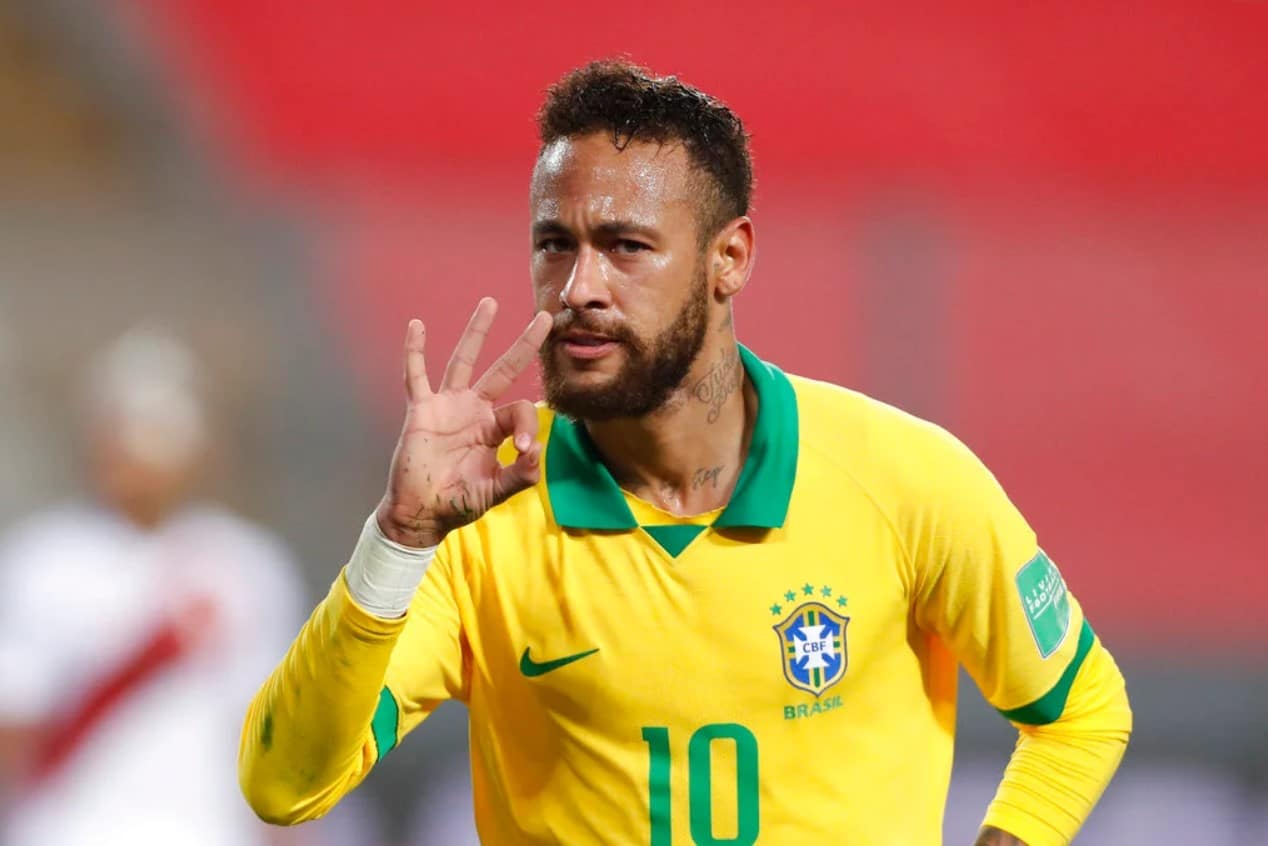
There was triumph. He captained Brazil to the Olympic gold medal on home soil in 2016, scoring the decisive penalty in the shootout in the Maracana and collapsing in tears. For a nation still wounded by an infamous semi-final humiliation two years earlier, that gold was a measure of redemption, and he delivered it.
But the World Cup, the prize that defines Brazilian greatness, has been a story of pain. In 2014, with the tournament on home soil and the country dreaming, a brutal challenge fractured a vertebra in his back and ended his campaign in agony. Brazil collapsed without him. In 2018 and 2022 he returned, dazzled in flashes, scored important goals, and still came up short in knockout heartbreak, the 2022 exit to Croatia on penalties leaving him in tears again. He has become one of his country’s all-time leading scorers, a record that places him among the immortals, yet the one trophy that would silence every critic has eluded him.
That tension, the brilliance forever shadowed by the near miss, has only deepened his hold on the public imagination. People do not just admire him. They argue about him, defend him, criticise him, and tune in to watch him try once more.
The brand off the pitch
Away from the grass, the operation is just as relentless. For years his boots were made by Nike, a partnership that began when he was still a teenager and ran for the better part of a decade. Then, in 2020, he stunned the industry by switching to Puma in a deal reported to be worth tens of millions of dollars a year, described at the time as the largest individual sponsorship in sport. Puma announced him with the slogan “The King is back,” a nod to its classic boot, and the signing instantly reset what an athlete endorsement could be worth.
The portfolio runs far wider than footwear. He has fronted campaigns for some of the biggest consumer names on earth, including a long association with Red Bull, alongside watches, gaming brands, telecoms and an ever-rotating cast of partners drawn to his enormous social media following, which numbers in the hundreds of millions across platforms. Few athletes anywhere command that kind of direct line to a global audience.
He has also leaned hard into the new media economy. He streams gaming sessions to huge audiences, blurring the line between footballer and online entertainer, and his casual, joking-with-friends persona translates seamlessly to a generation raised on screens rather than stadiums. Poker became a genuine passion and a business interest too. He signed on as an ambassador for a major online poker brand back in 2015 and has continued competing in high-profile online tournaments, even posting strong finishes against serious players.
Underpinning much of this is NR Sports, the management and marketing company built around him and run with his family at its core. It handles his brand, his events and his ventures, and has extended into esports, where a team carrying his identity competes and draws on the same fanbase that follows him on the pitch. The model is deliberate. He is not simply an athlete who signs deals. He is the centre of an enterprise designed to outlast his playing days.
Where he is now
The latest chapter brought him full circle. In 2023 he left Europe for Saudi Arabia, joining Al-Hilal in a lavish move that promised a new frontier for his career. It did not go to plan. A serious knee injury and a string of muscle problems limited him to a handful of appearances, and by January 2025 the club and player agreed to terminate the contract by mutual consent.
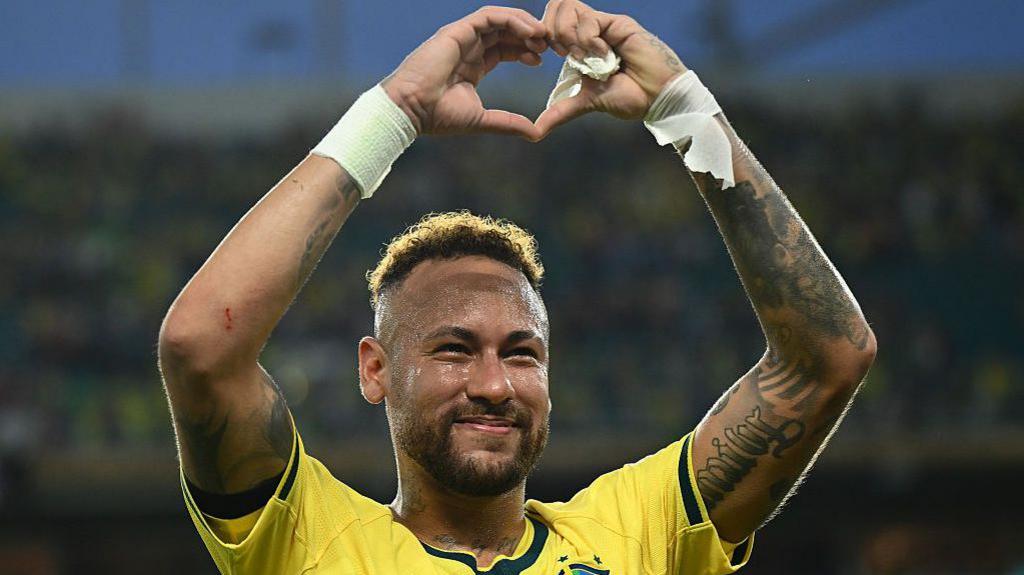
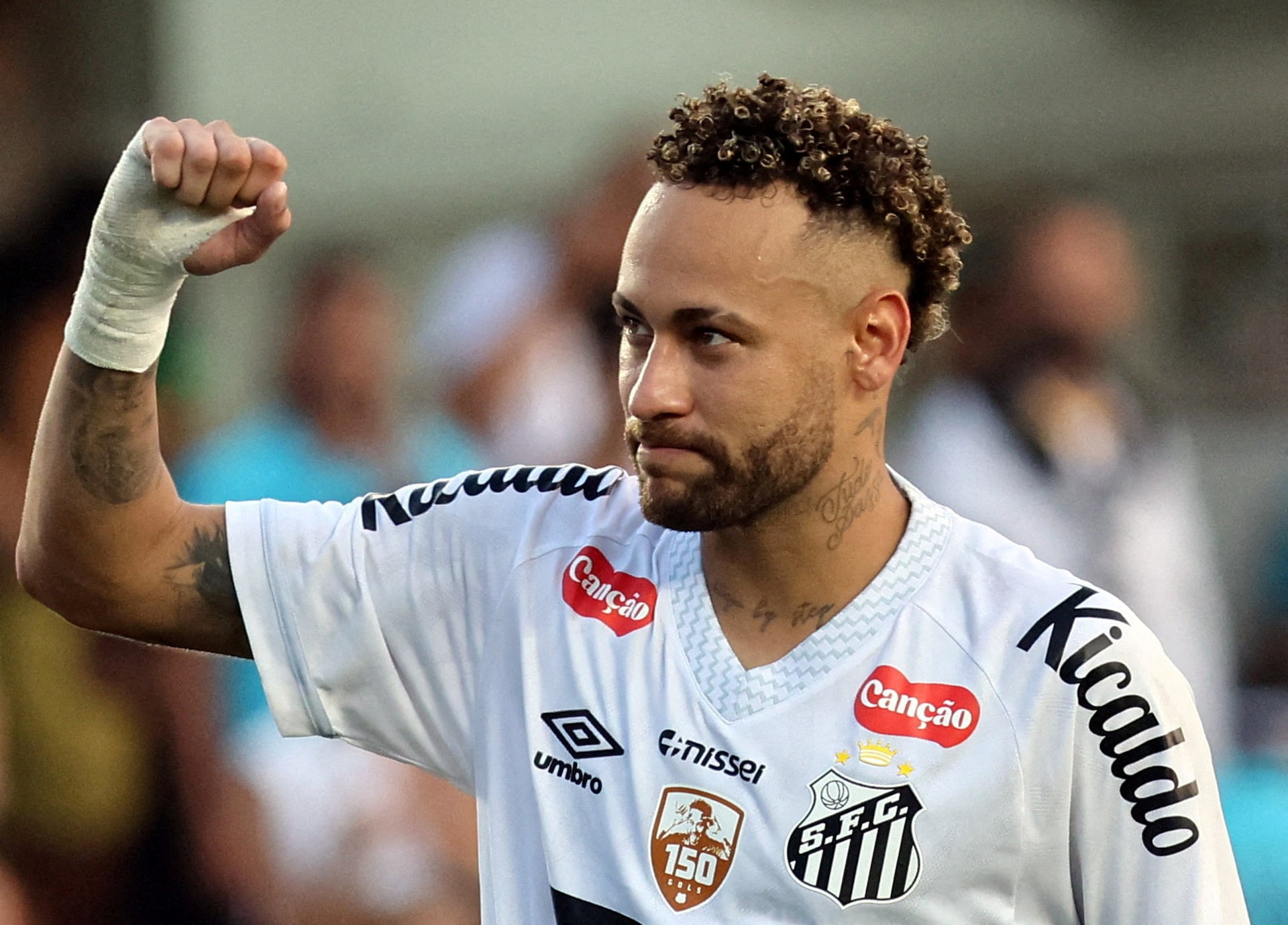
What followed was a return that genuinely moved Brazilian football. At the end of January 2025 he announced he was going home to Santos, the club where it all began, and the deal was confirmed the next day. He made his re-debut in early February 2025, coming on at half-time, and the symbolism was impossible to miss. The boyhood prodigy, now in his thirties, back in the white shirt where the legend started.
As of June 2026, he remains a Santos player, having signed a contract extension early in the year that runs to the end of December 2026. The stated aim was simple and stubborn: to recapture form for one more crack at the World Cup. And he made it. He is part of Brazil’s squad at the 2026 tournament being co-hosted in North America, though his campaign has been disrupted by a calf injury picked up in May that has kept him out of group matches and left his playing minutes uncertain as the knockout rounds approach. The body, after years of heavy wear, no longer cooperates the way it once did. The hunger plainly has not faded.
A cultural footprint beyond the scoreline
Strip away the trophies and the transfer fees and something larger remains. He changed how a footballer could present himself to the world. The hair, the tattoos, the dance celebrations, the unapologetic joy, all of it gave permission to a generation of players to be expressive, marketable and fully themselves. In Brazil he is a folk hero whose every move is dissected. Across Africa, Asia and the Americas, kids who have never set foot in a stadium imitate his flicks in dusty streets and on concrete pitches.
He helped drag football fully into the influencer age, proving that a player’s value is no longer measured only in goals but in reach, in attention, in the ability to make brands and audiences move. The criticism follows him too, the accusations of theatrics, the diving, the sense that the showman sometimes overshadows the sportsman. That argument is part of the footprint as well. You do not provoke that much debate without mattering enormously.
For all the noise, the simplest truth is the one that has held since those Santos afternoons as a teenager. When he is fit, when the smile is back and the ball is glued to his feet, he can still make a defender look foolish and a stadium gasp. In the white shirt where it began, chasing the one prize that has always escaped him, he is doing the only thing he has ever really wanted to do, which is play, perform, and remind everyone watching exactly why they could never look away.
Ad SpaceIn-Article - 300x250
Advertisement
Share
Get the recap
Loved this story? Get more like it.
Join readers who get our weekly entertainment recap - the stories worth your time, delivered every Friday.
No spam. Unsubscribe anytime. By signing up you agree to our Privacy Policy.