
Table of Contents
- Standing Her Ground Against the Backlash
- The Problem with Anonymous Critics
- From Westeros to Metropolis
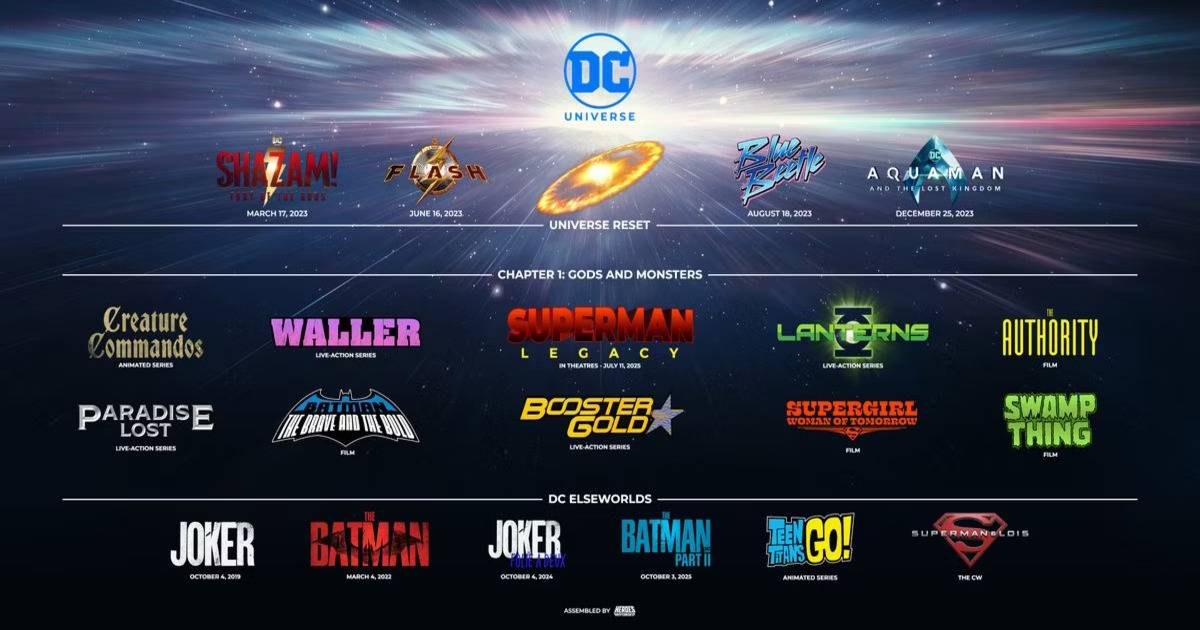
- DC’s Bold New Direction
- Industry Rallies Behind Rising Star
Standing Her Ground Against the Backlash
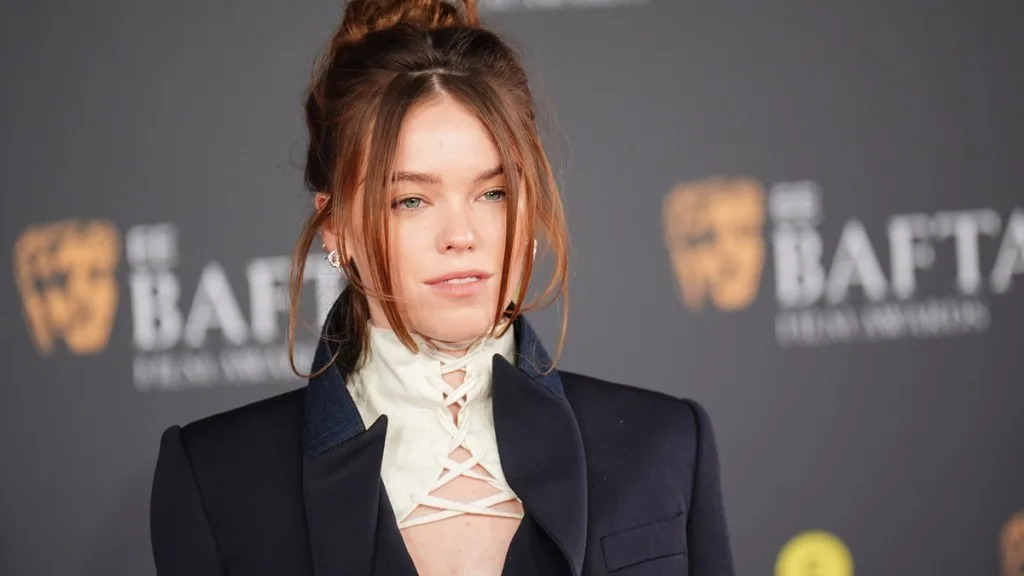
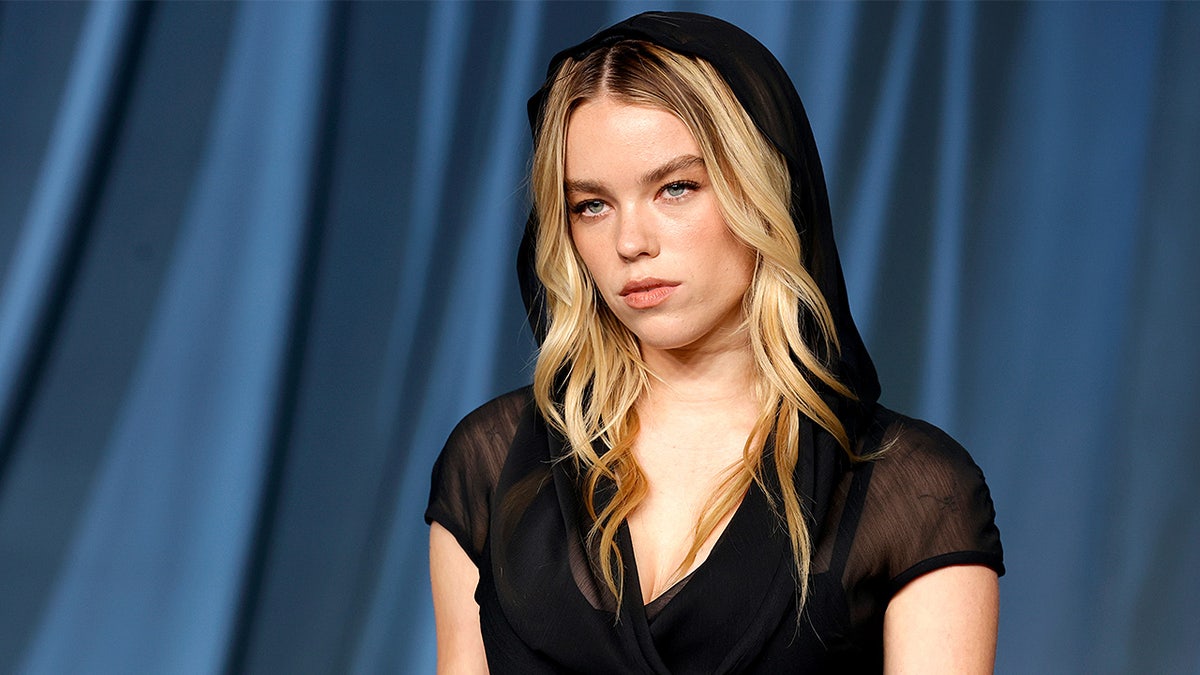
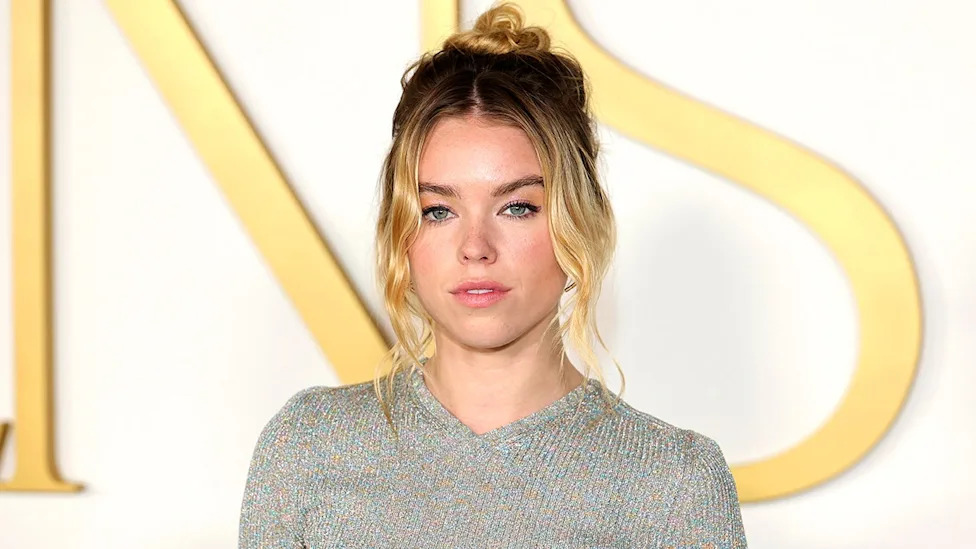
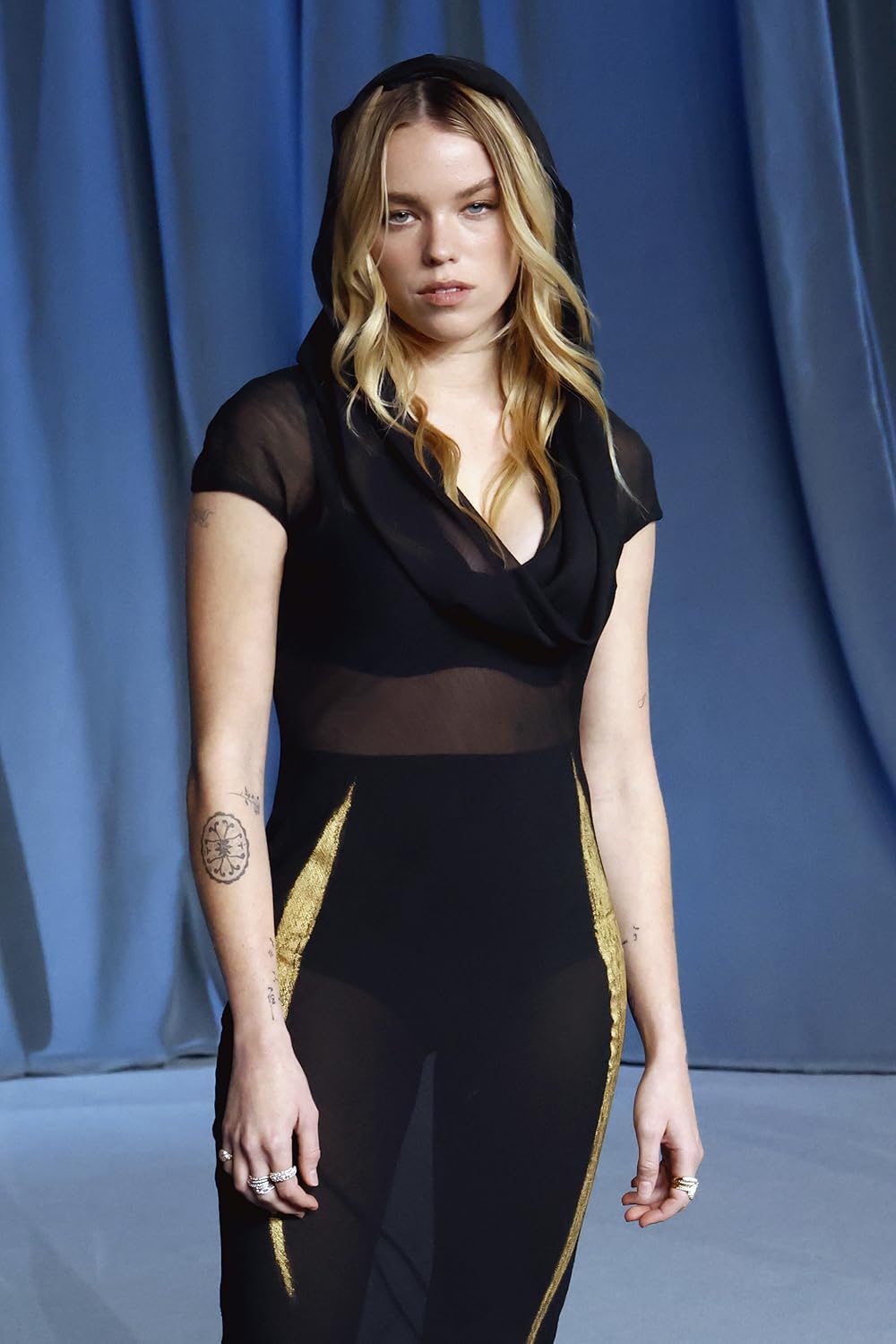
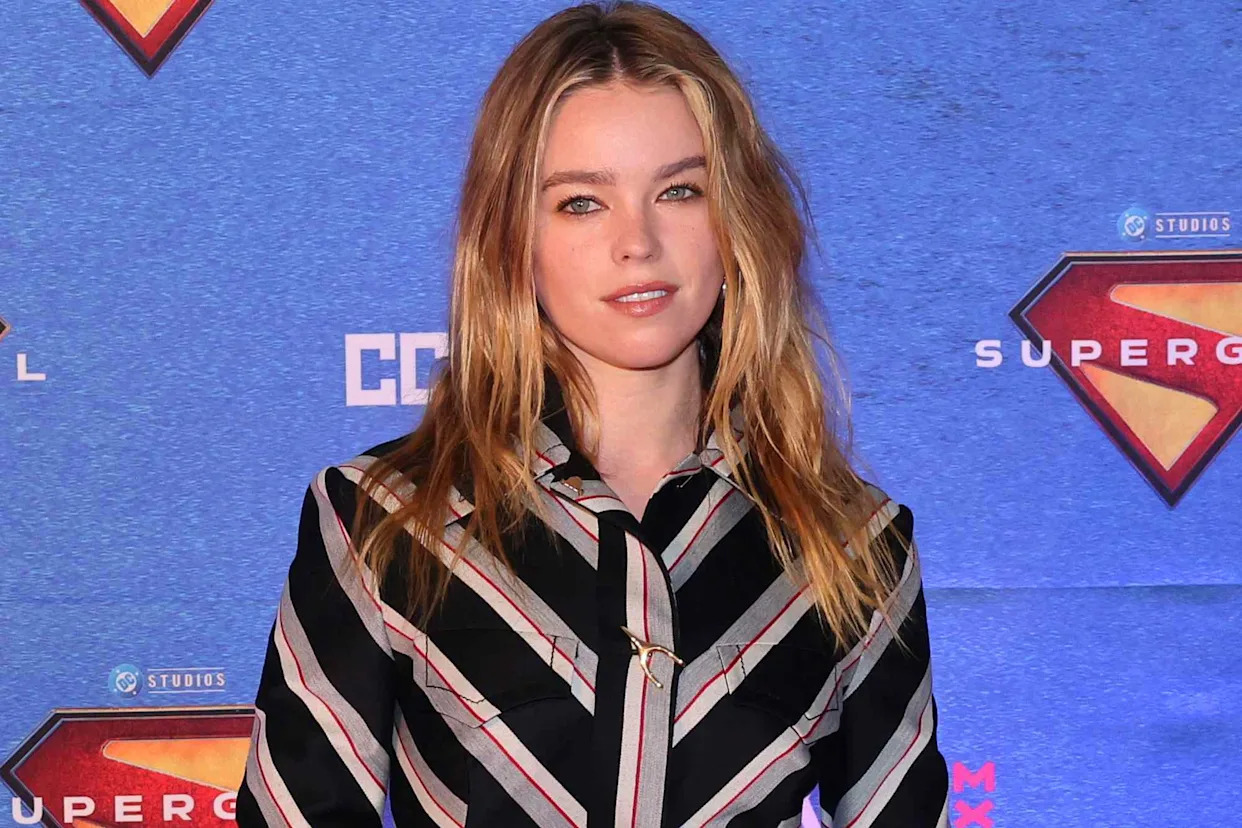
Milly Alcock isn’t backing down from the controversy surrounding her casting as Supergirl in the upcoming DC Universe reboot. The Australian actress, who captured hearts worldwide as the young Rhaenyra Targaryen in HBO’s “House of the Dragon,” recently addressed the wave of criticism that followed the announcement of her superhero role. Rather than retreating from the spotlight or issuing diplomatic statements, Alcock chose to confront her detractors head-on, offering a candid perspective on the nature of online criticism in today’s entertainment landscape. Her response reveals not just her resilience as a performer, but also highlights the broader challenges facing actors in an era where casting announcements can spark instant global debate.
The 24-year-old actress didn’t mince words when discussing the source of much of the negative feedback she’s received since being announced as the Girl of Steel. In recent interviews, she’s been refreshingly direct about the patterns she’s observed among her critics, particularly noting the prevalence of anonymous accounts and what she perceives as a certain demographic driving much of the opposition. This willingness to engage with controversy rather than simply weather it silently marks Alcock as someone who isn’t afraid to use her platform to address uncomfortable truths about fan culture and online harassment in the entertainment industry.
The Problem with Anonymous Critics
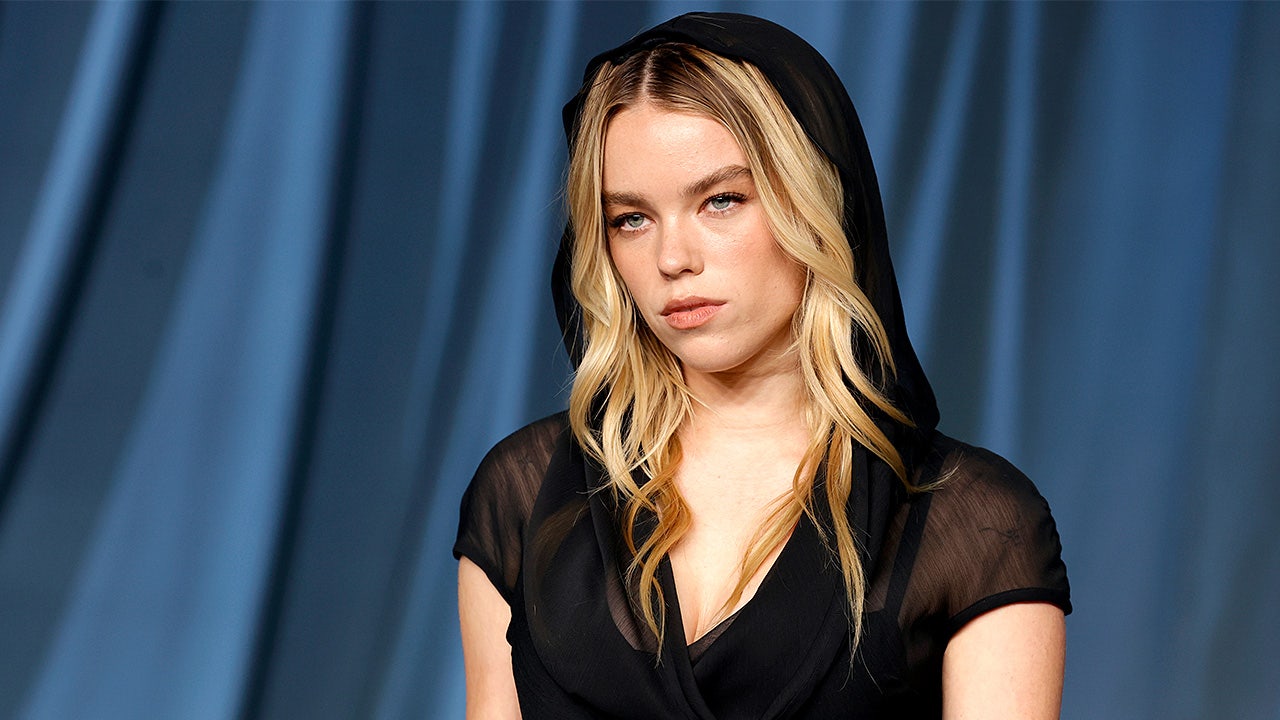
Alcock’s observations about her critics paint a telling picture of modern online discourse surrounding entertainment properties. She’s specifically called attention to the fact that many of the negative comments come from profiles lacking personal photos and appearing to be temporary or “burner” accounts created specifically for harassment purposes. This phenomenon has become increasingly common in entertainment circles, where passionate fandoms can sometimes cross the line from constructive criticism into targeted harassment campaigns. The actress’s decision to publicly highlight these patterns represents a growing trend among celebrities who are choosing to name and shame problematic behavior rather than simply enduring it in silence.
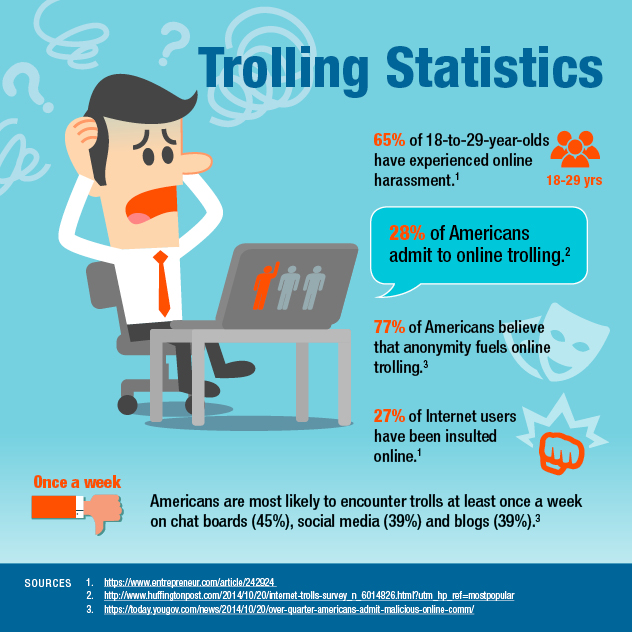
The demographic observations Alcock has made - particularly regarding what she describes as “Christian dads” among her critics - touch on broader cultural conversations about representation, tradition, and change in beloved franchises. While some might view her comments as unnecessarily provocative, others see them as a necessary callout of the intersection between certain religious conservative viewpoints and resistance to evolving portrayals of iconic characters. This isn’t merely about comic book casting; it reflects larger cultural tensions about who gets to be heroes in popular media and how different communities respond to changes in long-established fictional universes.
From Westeros to Metropolis
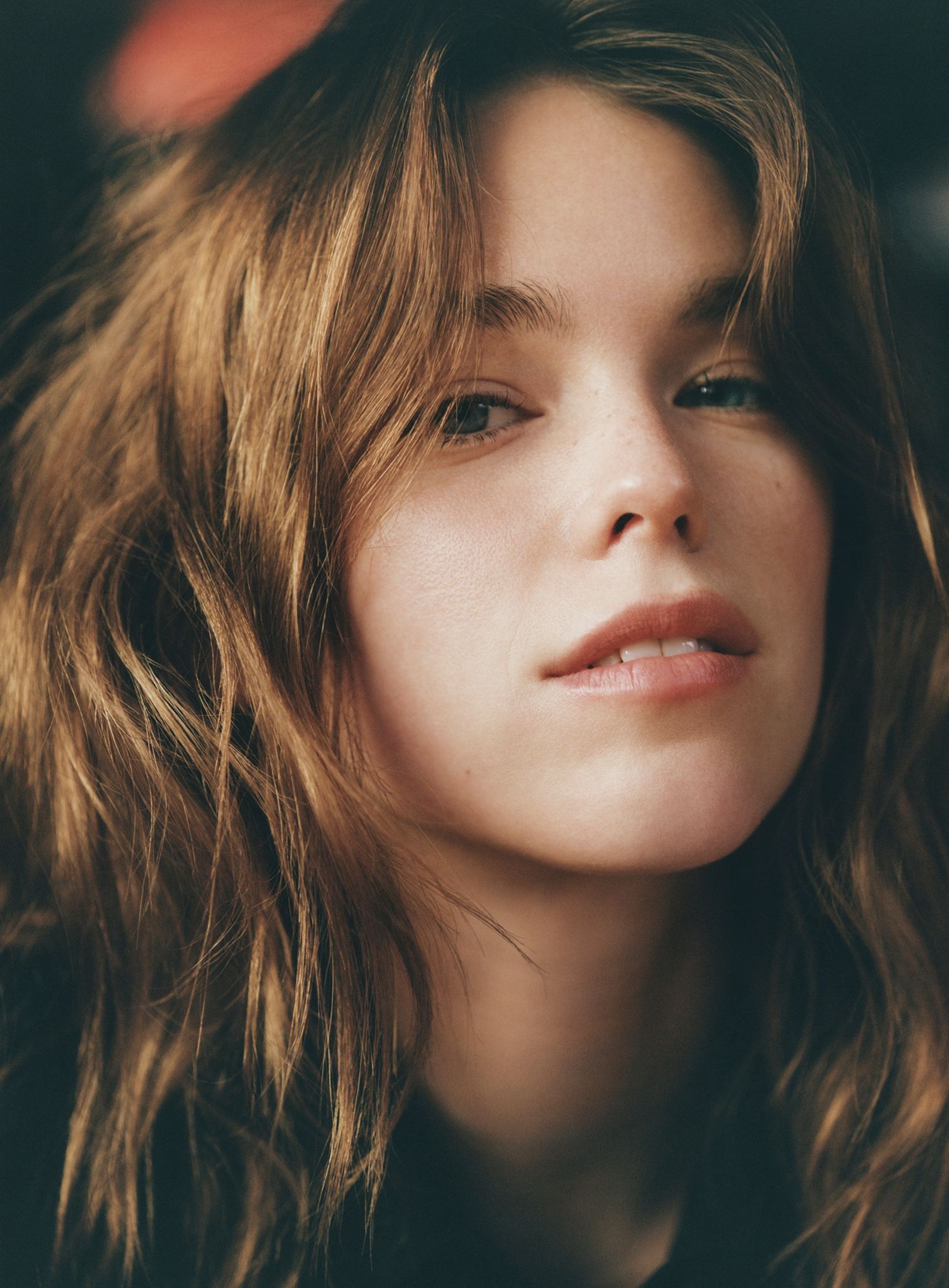
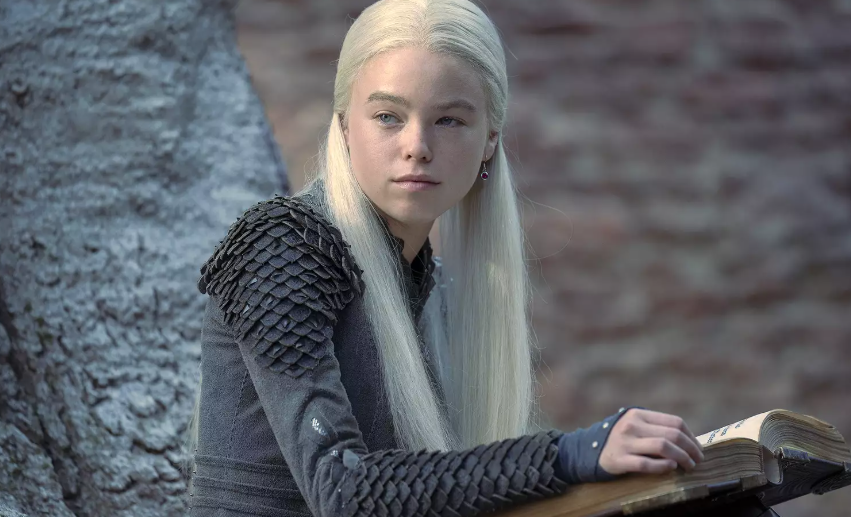
Alcock’s journey from relative unknown to major franchise player has been remarkably swift, even by Hollywood standards. Her breakout performance as young Rhaenyra in “House of the Dragon” showcased her ability to command attention in scenes alongside seasoned veterans, demonstrating both the screen presence and emotional range that likely caught DC’s attention. The transition from playing a dragon-riding Targaryen princess to embodying Superman’s cousin represents exactly the kind of bold casting choice that James Gunn and Peter Safran have promised for their DC Universe reboot. Rather than going with a safe, established name, they’ve chosen someone with proven talent but enough freshness to make the role entirely their own.
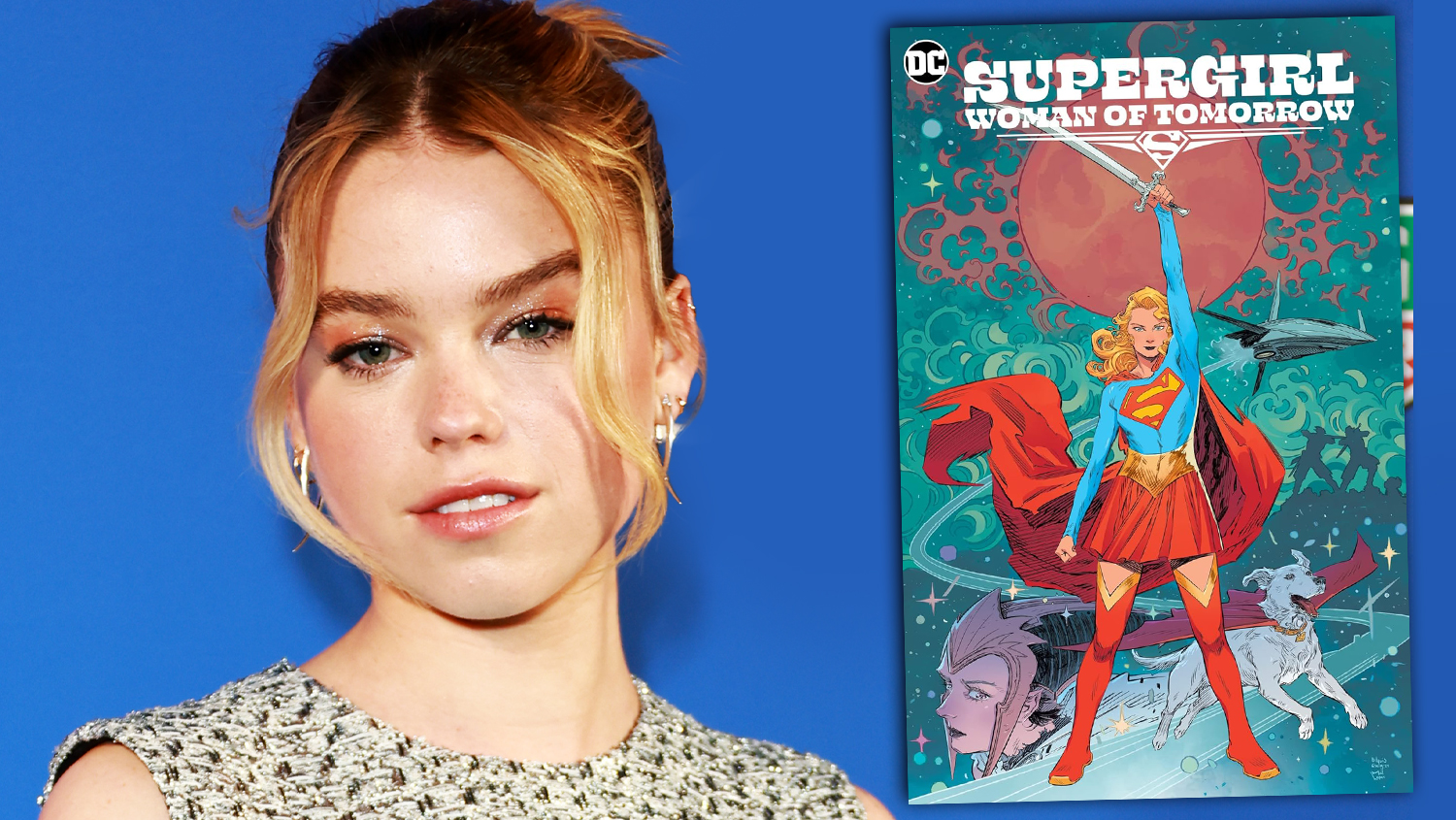
The casting itself represents a significant vote of confidence from DC’s new leadership team, who have made it clear they’re willing to take risks in order to differentiate their universe from previous iterations. Alcock’s relative newcomer status actually works in her favor here, as audiences won’t have preconceived notions about her range or previous roles that might interfere with accepting her as Kara Zor-El. Her work on “House of the Dragon” proved she can handle the physical demands of action sequences while maintaining the emotional authenticity that superhero stories require, particularly when dealing with themes of identity, belonging, and responsibility that are central to Supergirl’s character.