
Table of Contents
- The Golden Age of Psychological Suspense
- Early ’90s Foundation Setters (1990-1993)
- Mid-Decade Evolution and Innovation (1994-1996)
- Late Decade Mastery and Genre-Bending (1997-1999)
- The Lasting Legacy of ’90s Thrillers
The Golden Age of Psychological Suspense
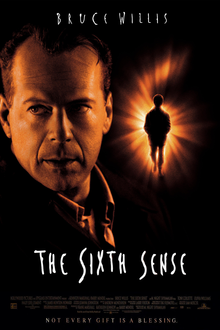
The 1990s stand as perhaps the greatest decade in thriller cinema history, a ten-year period that fundamentally transformed how audiences experienced suspense on the big screen. This wasn’t just about jump scares or predictable plot twists - the ’90s introduced a sophisticated psychological complexity that elevated the genre from B-movie entertainment to legitimate artistic achievement. Directors like Jonathan Demme, David Fincher, and M. Night Shyamalan didn’t just make thrillers; they crafted intricate puzzles that challenged viewers intellectually while delivering visceral emotional experiences. The decade’s success stemmed from its perfect storm of technological advancement, evolving audience tastes, and a generation of filmmakers who understood that the most terrifying threats often came from within the human psyche rather than external monsters.
Early ’90s Foundation Setters (1990-1993)
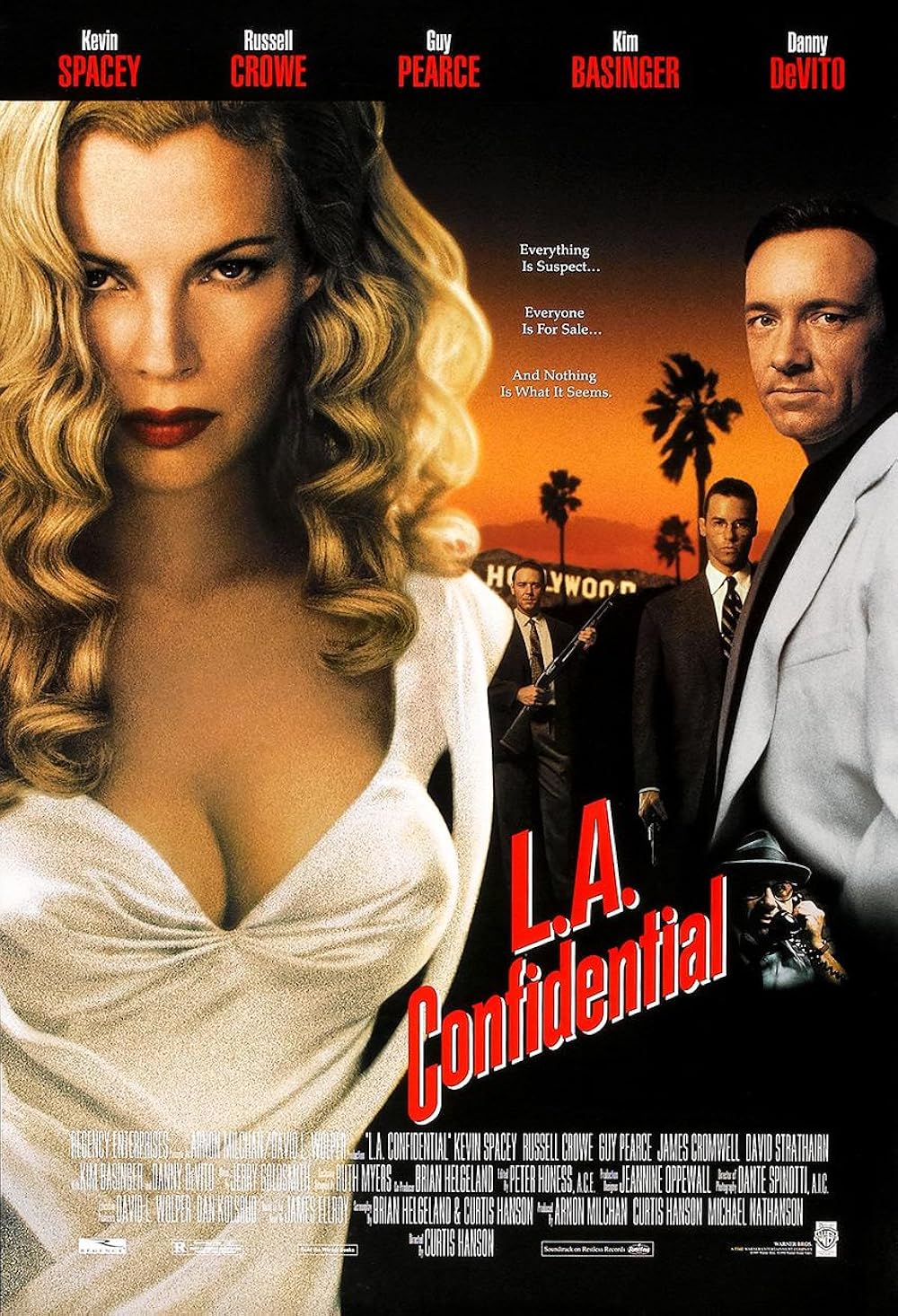
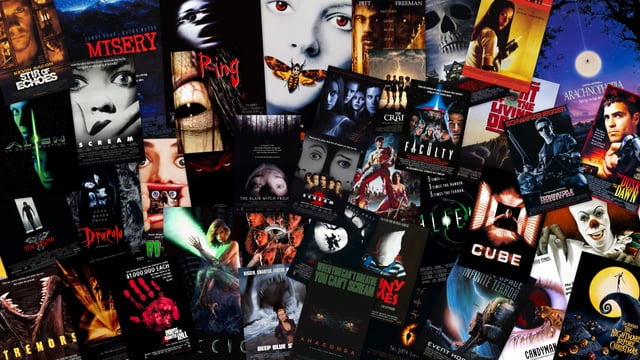
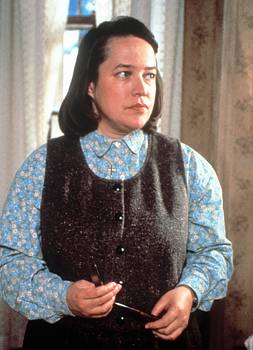
The decade opened with Rob Reiner’s “Misery” (1990), a Stephen King adaptation that proved literary thrillers could translate into box office gold while maintaining their psychological depth. Kathy Bates delivered a career-defining performance as Annie Wilkes, creating a character so terrifyingly believable that she redefined what movie villains could be - not supernatural entities, but deeply disturbed individuals whose motivations audiences could uncomfortably understand. The film’s success established the template for character-driven thrillers that would dominate the decade. Jonathan Demme’s “The Silence of the Lambs” (1991) then elevated this approach to unprecedented heights, becoming the first horror-thriller to win the Academy Award for Best Picture. The film’s exploration of criminal psychology, anchored by Anthony Hopkins’ iconic Hannibal Lecter and Jodie Foster’s determined Clarice Starling, proved that audiences craved intelligent, complex narratives that respected their intelligence.
The momentum continued with entries like “Cape Fear” (1991), where Martin Scorsese reimagined the classic tale of obsession and revenge, and “Basic Instinct” (1992), Paul Verhoeven’s controversial neo-noir that sparked cultural debates while delivering undeniable thrills. These films established the decade’s willingness to push boundaries, both in content and narrative structure. Adrian Lyne’s “The Hand That Rocks the Cradle” (1992) tapped into domestic anxieties, while “In the Line of Fire” (1993) combined political thriller elements with intense character study, showcasing how the genre could adapt to contemporary concerns while maintaining timeless appeal.
Mid-Decade Evolution and Innovation (1994-1996)
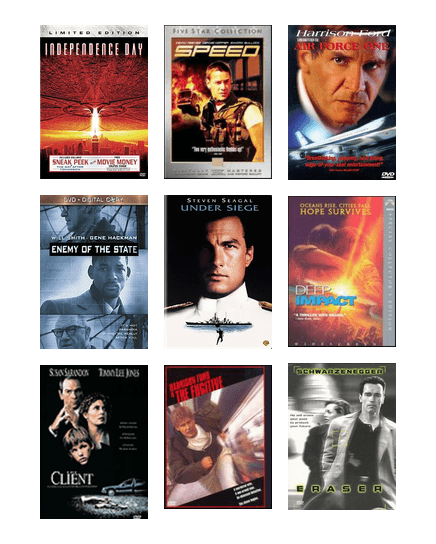
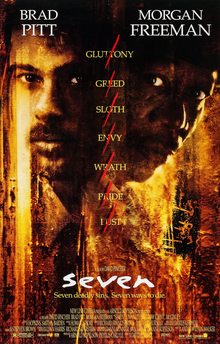
The mid-’90s witnessed thriller cinema’s evolution into increasingly sophisticated territory, with filmmakers experimenting with narrative structure and psychological complexity. “The River Wild” (1994) demonstrated how adventure thrillers could incorporate family dynamics and environmental settings to create unique tension, while “Speed” (1994) proved that high-concept action-thrillers could maintain intelligence amid spectacular set pieces. However, it was David Fincher’s “Seven” (1995) that truly revolutionized the genre, introducing a visual and thematic darkness that influenced countless subsequent films. The movie’s exploration of human depravity through the lens of the seven deadly sins created a new sub-genre of intellectually rigorous crime thrillers that weren’t afraid to confront society’s darkest impulses.
This period also saw the rise of paranoid thrillers that reflected contemporary anxieties about technology and government surveillance. “The Net” (1995) presciently explored digital identity theft and cyber-terrorism years before these became mainstream concerns, while films like “Copycat” (1995) delved into the psychology of serial killers and their imitators. The diversity of approaches during these years - from the claustrophobic intensity of “Heat” (1995) to the domestic psychological warfare of “Sleeping with the Enemy” (1991) - demonstrated the genre’s remarkable flexibility and its ability to address multiple audience demographics simultaneously.